
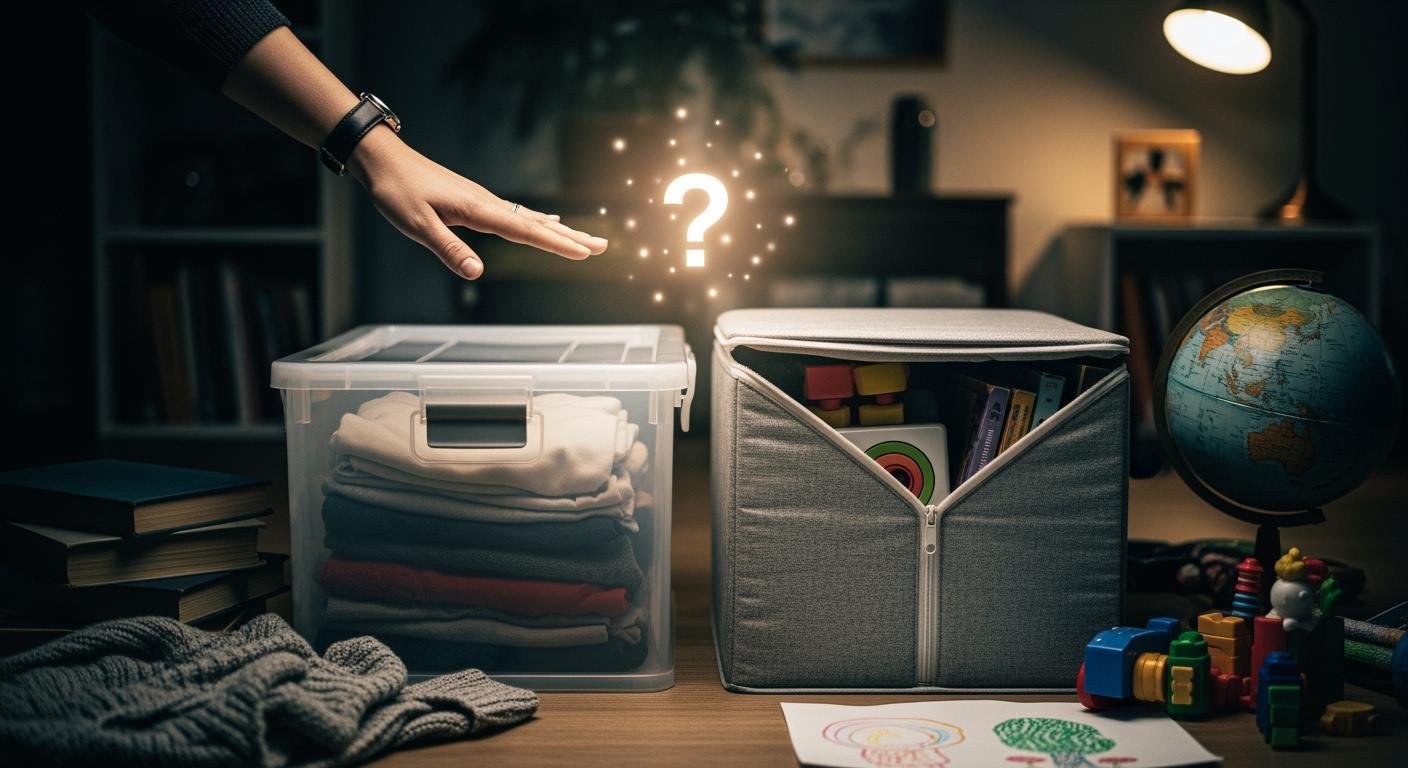
You want the best storage solution, but the right choice depends on your needs. Plastic vs. Fabric offers unique strengths for different situations. Think about durability, moisture protection, and how easy it is to access or clean your storage. Where you use the storage matters, too. Ask yourself what challenges you face when organizing your space.
Plastic Storage Boxes
Main Features
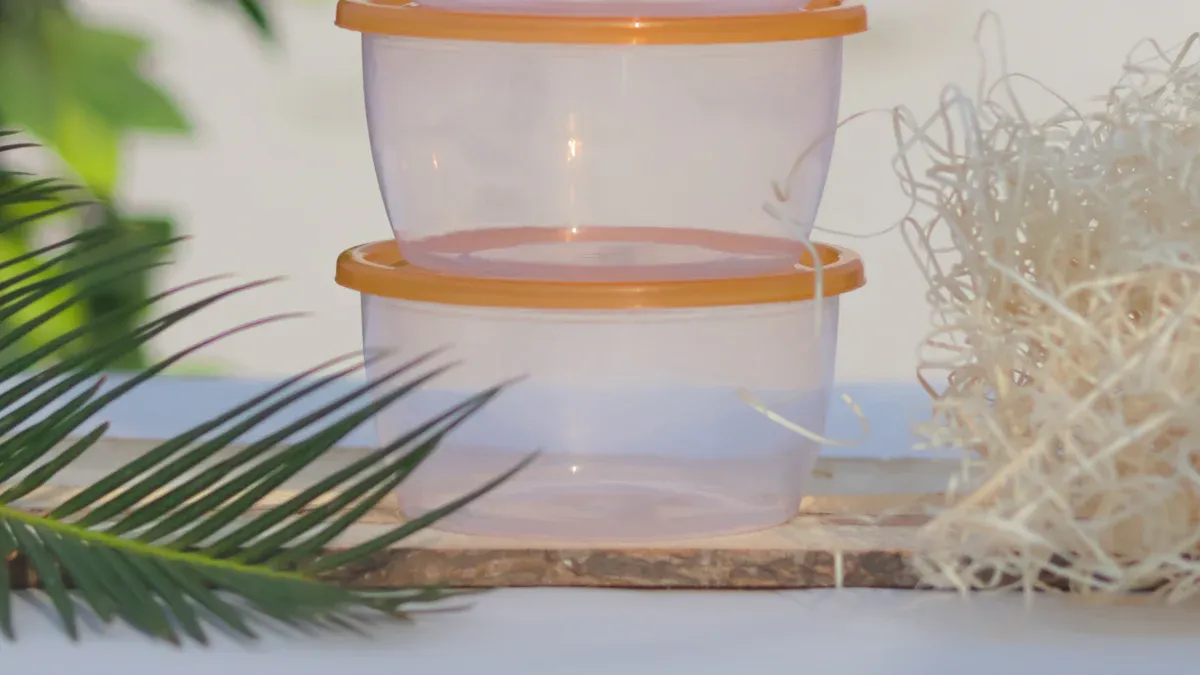
You will find that plastic storage containers come in many shapes and sizes. Most bins use materials like polypropylene, high-density polyethylene, ABS, or polycarbonate. Each material gives the containers different strengths. The table below shows how these materials affect durability:
| Material | Properties | Impact on Durability |
|---|---|---|
| Polypropylene (PP) | Low density, chemical resistance, non-toxic, corrosion-proof, temperature resistant | Brittle in cold, degrades under UV light, needs modifiers for durability |
| High-Density Polyethylene (HDPE) | Better impact resistance, budget-friendly, flexible (LDPE variant) | Ideal for rough handling, offers good durability for storage containers |
| ABS | Excellent impact and heat resistance, good wear resistance | Limited by low heat distortion and flammability, suitable for high-end applications |
| Polycarbonate (PC) | Extremely high durability, water and dust resistance, impact resistance | Best for professional protection, used in demanding environments |
You can choose from clear or colored bins. Many storage containers have tight-fitting lids. Some are stackable, which helps you save space.
Pros of Plastic Storage Boxes
Plastic storage boxes give you many advantages for long-term storage. Here are some key benefits:
- You get strong, durable plastic bins that last longer than cardboard.
- Plastic containers protect your items from moisture, heat, and pests.
- Stackable bins let you use vertical space in closets, garages, or basements.
- Airtight lids keep bugs and water out, making these containers ideal for long-term storage.
- You can use these storage containers for rough handling or in places with changing weather.
Tip: Use plastic storage containers for long-term storage in basements or attics where moisture is a concern.
Cons of Plastic Storage Boxes
Plastic storage containers also have some drawbacks you should consider:
- Some bins become brittle in cold or break down under sunlight.
- You may find hidden fees or extra costs if you buy specialty bins.
- Not all containers keep out wind or rain if lids do not fit tightly.
- Some users report frustration with delivery or unexpected charges.
- Large bins can be heavy and hard to move when full.
You should check the quality of the lids and the type of plastic before choosing bins for long-term storage. Always look for durable plastic and stackable designs to get the best results.
Fabric Storage Boxes
Main Features
You will notice that fabric storage boxes use a variety of materials. Many boxes use natural fibers such as cotton, linen, silk, or wool. Others use synthetic fibers like nylon, polyester, polyurethane, or polypropylene. The type of fabric affects how breathable the box is. For example:
- Cotton and linen absorb water, making them hydrophilic and more breathable.
- Polyester and nylon repel water, so they are more hydrophobic and less breathable.
- The way the fabric is woven or coated changes how much air can pass through.
Most fabric storage boxes have lightweight frames. You can find them in many colors and patterns. Some boxes fold flat when you do not need them, which saves space.
Pros of Fabric Storage Boxes
Fabric storage boxes offer many benefits for organizing your home. You can see some of the main advantages in the table below:
| Benefit | Description |
|---|---|
| Durable Construction | Sturdy fabrics like cotton or polyester help the box last through regular use. |
| Design Flexibility | Many colors and patterns let you match your room’s style. |
| Lightweight and Portable | Handles or straps make it easy for you to move the box. |
| Collapsible Options | Fold the box flat to save space when not in use. |
| Breathable Material | Breathable fabric helps prevent mold and odors, which is great for storing clothes or linens. |
| Organizational Advantages | You can keep items sorted and easy to find. |
| Maximizes Space | Custom sizes fit small or awkward spaces. |
| Versatility | Use these boxes for toys, clothes, office supplies, or seasonal items. |
Note: Many fabric storage boxes use eco-friendly materials like cotton or linen. Some are washable or made from recycled fabric, which helps the environment.
Cons of Fabric Storage Boxes
You should also know about the drawbacks of fabric storage. The table below shows some common issues:
| Disadvantage | Description |
|---|---|
| Limited durability | Fabric can wear out faster than plastic, especially with heavy items. |
| Lack of security | You cannot lock these boxes, and they open easily. |
| Vulnerability to moisture | Fabric absorbs water, which can lead to mold or mildew if the box gets wet. |
You may find that fabric storage boxes work best in dry areas where you need frequent access. They are not ideal for damp basements or places with pests. Always check if the fabric is washable and if the box has a sturdy frame for better support.
Plastic vs. Fabric: Key Differences
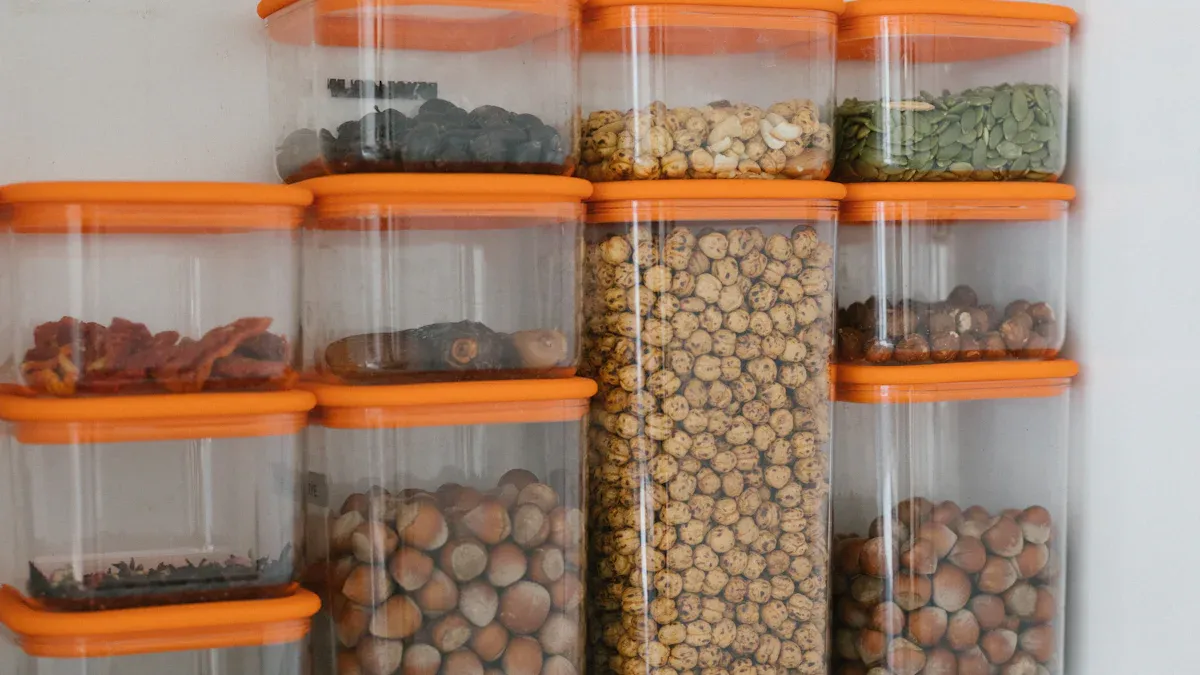
When you compare plastic vs. fabric storage boxes, you see clear differences in how they perform. Each type offers unique strengths for different needs. You should look at durability, moisture protection, air flow, cleaning, and where you plan to use the boxes.
Durability and Longevity
Durability matters when you want storage that lasts. Plastic storage boxes stand out for their strength and ability to handle rough use. Most plastic bins use materials like polypropylene or high-density polyethylene. These plastics resist impact and chemicals, making them a good choice for long-term storage.
| Feature | Polypropylene (PP) | High-Density Polyethylene (HDPE) |
|---|---|---|
| Toughness & Impact | High impact resistance (ASTM D256) | Excellent for heavy-duty storage |
| Corrosion Resistance | Resists acids/alkalis (ISO 175) | Strong chemical resistance |
You will notice that polypropylene keeps its flexibility in cold weather, so it does not crack easily. High-density polyethylene works well in extreme temperatures, which makes it ideal for cold storage. If you need durable and long-lasting storage, plastic is the better choice.
Fabric storage boxes use strong fabrics, but they do not match the toughness of plastic. Heavy items or frequent moving can wear out fabric faster. You may see fraying or sagging over time. Fabric works best for lighter items and places where you need easy access.
Moisture and Air Circulation
Moisture protection is a key difference in the plastic vs. fabric debate. Plastic storage boxes give you good protection for stored items. They keep out water, pests, and dust. This makes plastic the top pick for basements, garages, or any area with dampness. You can trust plastic for long-term storage in places where moisture is a problem.
Fabric storage boxes allow air to flow, which helps prevent mold and odors. This breathability is great for clothes, linens, or toys. However, fabric absorbs water, so it does not protect against spills or high humidity. If you use fabric boxes in damp areas, you risk mold or mildew.
Tip: Choose plastic for long-term or protective storage in basements or garages. Use fabric in dry, indoor spaces where you want air to circulate.
Cleaning and Maintenance
You want storage that is easy to keep clean. Plastic storage boxes make cleaning simple. You can wipe them with a damp cloth or hose them down. For deep cleaning, you can use hot water and dish soap, soak them in a bleach solution, or even use UV light for sterilization.
| Method | Description |
|---|---|
| Wash the container | Use anti-bacterial dish soap and hot water to kill surface bacteria. |
| Soak the plastic | Soak in a bleach-water solution (5-10% bleach) for disinfection. |
| Heat plastic | Use a microwave or hot dishwasher rinse to sterilize, ensuring the plastic is wet before heating. |
| Place under UV lamp | Utilize UV light for a non-heated sterilization method. |
Fabric storage boxes need more care. You often have to hand-wash them and let them air-dry. This takes more time and effort. Fabric can stain or hold odors if not cleaned well. If you want easy maintenance, plastic is the better option.
| Storage Type | Maintenance Ease | Durability | Cleaning Method |
|---|---|---|---|
| Plastic | Easy to maintain | High | Hose down or wipe with a damp cloth |
| Fabric | More effort required | Low | Air-drying and hand-washing required |
Best Use Cases
You should match your storage box to your needs. Plastic vs. fabric works best in different places.
Plastic storage boxes excel in:
- Basements and garages, where moisture is common.
- Long-term storage of heavy or valuable items.
- Non-climate-controlled areas, such as sheds or attics.
- Situations where you need good protection from pests and mildew.
Fabric storage boxes shine in:
- Closets, for storing clothing, shoes, and accessories.
- Nurseries, for baby clothes and toys.
- Home offices, for organizing files and supplies.
- Spaces where you want frequent access and breathability.
| Scenario | Description |
|---|---|
| Closet storage | Ideal for clothing, shoes, and accessories |
| Nursery storage | Perfect for baby clothes, toys, and nursery items |
| Home office storage | Useful for organizing files and office supplies |
Note: If you want long-term storage with good protection, choose plastic. If you want easy access and air flow, fabric is the better pick.
When you compare plastic vs. fabric, think about what you store, where you store it, and how often you need to get things out. This helps you pick the right box for every space in your home.
Choosing the Right Storage Box
Assess Your Needs
You should start by looking at what you want to store. Think about the type of items, how often you need them, and where you will keep them. Many people make the mistake of buying storage before sorting their items. Always declutter first. Sort your items into piles and keep only what you need. This step helps you see what storage solutions work effectively for your home.
When you choose between plastic and fabric, consider these factors:
- Material durability: Will your items need strong protection?
- Lid design: Do you need to secure your items from dust or moisture?
- Capacity and dimensions: Does the box fit your under-bed space?
- Weight limit: Can the box hold your heavy items?
- Portability: Will you move your under-bed storage often?
- Transparency: Do you want to see your items easily?
- Stackability: Can you secure boxes safely if you stack them?
- Environmental resistance: Will your under-bed storage face humidity or sunlight?
If you need frequent access, plastic bins with easy-open lids help you secure your items quickly. For less-used items, fabric bins add style and keep your under-bed area neat.
Budget and Space
You want to get the best value for your money. Check the price of each option and compare it to the features you need. Plastic bins often cost less, but fabric bins can add style to your under-bed storage. Look for under-bed storage that fits your space. Plastic bins stack well and secure your items, making them perfect for small closets or tight under-bed areas. Fabric bins work best if you want to squeeze them into odd spaces, but they may not secure your items as well when stacked.
Think about how much you want to spend. A higher price does not always mean better value. Choose under-bed storage that matches your needs and gives you the most secure solution for your items.
Quick Tips
- Declutter before you buy any under-bed storage.
- Measure your under-bed space to secure the right fit.
- Use plastic bins for seasonal items or when you need to secure heavy loads.
- Choose fabric bins for clothing storage or when you want easy access and style.
- Always check the price and compare the value you get.
- Secure your items by picking bins with tight lids or sturdy frames.
- Remember, under-bed storage should make your organization easier and keep your items safe.
Tip: Professional organizers say you should always sort and declutter before buying under-bed storage. This step helps you secure the best value and avoid wasting money.
You have many options when choosing storage for your home. Both plastic and fabric storage boxes serve different needs. The table below highlights key differences:
| Feature | Plastic Storage Boxes | Fabric Storage Boxes |
|---|---|---|
| Durability | Long-lasting | Less durable |
| Cleaning | Easy to wipe clean | Needs more maintenance |
| Protection | Shields from moisture, dust | Less protection |
| Flexibility | Rigid | Lightweight, flexible |
To make a confident storage choice, follow these steps:
- Decide what you need to store and where you will place the storage.
- Check if your storage area faces moisture or dust.
- Pick plastic for long-term storage or damp spaces.
- Choose fabric for easy access and style in dry rooms.
- Always match your storage box to your daily needs.
Tip: Professional organizers suggest labeling your storage and keeping heavy items in sturdy plastic bins for better protection.
FAQ
What items should you store in plastic storage boxes?
You should use plastic storage for items that need protection from moisture or pests. These boxes work well for seasonal decorations, tools, and keepsakes. You can also use them in basements or garages where conditions may change.
Can you wash fabric storage boxes?
Yes, you can wash many fabric storage boxes. Always check the label first. Some boxes allow machine washing, while others need hand washing. Let the storage box air dry to keep its shape and strength.
How do you keep storage boxes organized?
You can label each storage box with its contents. Use clear bins for easy viewing. Stack boxes by size and type. Place items you use often in easy-to-reach storage. This method saves time and keeps your space tidy.
Are fabric storage boxes safe for kids’ rooms?
Fabric storage boxes are safe for kids’ rooms. They feel soft and have no sharp edges. You can use them for toys, clothes, or books. Choose boxes with sturdy frames for better support and longer-lasting storage.
Do storage boxes protect against bugs?
Plastic storage boxes with tight lids protect against bugs. Fabric storage boxes do not seal as well, so they may not keep pests out. For best results, use sealed plastic storage in areas where bugs are a concern.
See Also
Acrylic Trays: The Ultimate Flexible Storage Option
Simplifying Your Choice: Glass Or Acrylic Coffee Tables
Your Guide to Selecting and Cleaning White Acrylic Trays

 English
  Français
  Русский
  Deutsch
  Español
  Português
  日本語
日本語