

Your fixtures are critical to your operation’s success. Proper fixture compliance helps you pass health inspections. It ensures food safety and protects your brand. This guide offers an actionable framework. It helps you audit your locations effectively. You can use this compliance checklist to improve your food safety practices. A strong food safety compliance program is essential.
Note: This checklist is a tool for your food safety compliance audit. You need a solid HACCP plan. Your HACCP plan should detail all food safety basics. This audit will strengthen your regulatory compliance and overall food safety.
This checklist helps you maintain high standards. It covers food-safe materials and sanitary design. It also integrates fixtures into your HACCP plan. Overall structural and electrical safety is a key part of this audit. Your food safety compliance depends on this audit. Strong food safety compliance builds a culture of safety. This ensures regulatory compliance for all your food operations. Following food safety rules and food safety guidelines is not optional. This audit will improve your food safety basics and overall food safety compliance. Good food safety protects your customers and your business.
FOOD-SAFE MATERIAL STANDARDS

You must select the right materials for your fixtures. This choice is fundamental to food safety and regulatory compliance. Materials directly impact your ability to maintain hygiene and prevent food contamination. Different surfaces have different rules. You need to know the standards for surfaces that touch food and those that do not.
FOOD CONTACT SURFACES
Any surface that directly touches food requires the highest standards. These materials must prevent chemical leaching and bacterial growth. Your goal is to eliminate risks of food contamination. Key properties define a safe surface for food.
- Non-toxic: The material must not release harmful substances into food.
- Non-absorbent: It should not soak up liquids, which prevents bacterial growth and cross-contamination.
- Corrosion-resistant: The surface must resist damage from acidic food products and cleaning chemicals.
Several organizations set these standards. The FDA provides guidelines, while NSF International certifies products. NSF/ANSI 51 is a key standard for food equipment materials. It ensures your fixtures meet public health requirements.
Pro Tip: Always look for NSF certification on your equipment. For example, 304 stainless steel is a versatile, cost-effective choice for most food applications. For salty or acidic food environments, 316 stainless steel offers superior corrosion resistance, which is crucial for preventing contamination and ensuring proper hygiene. This helps avoid cross-contamination.
NON-FOOD CONTACT SURFACES
Surfaces that do not touch food still play a role in overall hygiene. These include equipment frames, legs, and control panels. These areas can harbor dirt and pests, leading to indirect food contamination. Proper material selection prevents this risk.
You should choose materials that are durable and easy to clean. Smooth, non-porous surfaces are ideal. They prevent the buildup of grime and reduce the risk of contamination. Any joints or seams must be sealed. This action stops debris from getting trapped, which is a common source of contamination. High-quality stainless steel and food-grade plastics are excellent choices. They support your efforts to maintain facility-wide hygiene. Good hygiene practices reduce the chance of cross-contamination. Preventing cross-contamination is vital for food safety. A clean environment stops cross-contamination and protects your food products from contamination.
SANITARY DESIGN AND DURABILITY
The design of your fixtures directly impacts your ability to maintain hygiene. Durable, well-designed equipment is easier to clean. This reduces the risk of food contamination and supports your food safety goals. You must evaluate fixtures for both cleanability and their resistance to chemicals. This ensures long-term safety and operational efficiency.
DESIGN FOR CLEANABILITY
You must choose fixtures designed for easy and thorough cleaning. Smart design eliminates hiding spots for bacteria. This prevents food contamination and the risk of cross-contamination. Effective hygiene starts with a surface you can fully sanitize.
Look for these key design features to improve your cleaning process:
- Smooth, Seamless Surfaces: Fixtures should have no cracks, crevices, or sharp internal corners. Coved corners and polished seams create a continuous surface, leaving no place for food particles to get trapped. This is vital for preventing bacterial growth and cross-contamination.
- Self-Draining Construction: Equipment must be designed to drain completely. This prevents pooled water, which can lead to contamination. Proper drainage is a cornerstone of good hygiene.
- Easy Disassembly: Your team should be able to take equipment apart for cleaning without needing special tools.
Simple disassembly ensures that cleaning is never skipped, protecting your food and upholding your safety standards. This practice is essential to prevent cross-contamination.
CHEMICAL AND CORROSION RESISTANCE
Your fixtures face daily exposure to cleaning agents and acidic food products. They must be durable enough to withstand these conditions without breaking down. Corrosion can create pits and cracks in surfaces, leading to food contamination. Choosing resistant materials is a critical food safety decision. Your fixtures must resist common chemicals like degreasers, sanitizers, and acids. This maintains a high level of hygiene.
For environments with acidic food or harsh cleaners, 316 stainless steel is an excellent choice. It contains molybdenum, which provides superior protection against corrosion. This ensures the material remains smooth and safe for food contact. Durability also includes resistance to physical impact. An IK10 rating means a fixture can resist significant impact, preventing breakage that could cause contamination. An IP69K rating ensures protection from high-pressure water and steam, which is crucial for maintaining hygiene and electrical safety during washdowns. These features prevent cross-contamination and ensure the long-term safety of your food operations. Preventing cross-contamination is a key part of food safety.
INTEGRATING FIXTURES INTO YOUR HACCP PLAN
Your Hazard Analysis and Critical Control Point (HACCP) plan is a core part of your food safety management system. HACCP is a systematic approach to food safety. It helps you identify and control biological, chemical, and physical hazards. Integrating fixtures into your HACCP plan is not just a good idea; it is essential for regulatory compliance. Your hazard analysis must evaluate how each fixture impacts food safety. This process strengthens your food safety system and prepares you for any audit. A complete HACCP plan is a cornerstone of your food safety practices.
IDENTIFYING FIXTURE-RELATED CRITICAL CONTROL POINTS
You must identify fixture-related hazards during your hazard analysis. These become your critical control points (CCPs). A CCP is a step where you can apply control to prevent or eliminate a food hazard. For example, a cold-holding unit is a CCP. Its design must keep food at temperatures that inhibit microbial growth. Improper cooling can lead to contamination. Poorly designed equipment with hard-to-clean areas can also be a CCP, as it creates sanitation risks. Your HACCP plan must define these critical control points to meet food safety rules. This hazard analysis is vital for your food safety compliance audit. Following HACCP principles ensures your food is safe. The hazard analysis within your HACCP plan is the first step to managing these risks.
DOCUMENTATION FOR COMPLIANCE
Proper documentation is a key HACCP principle. Your records prove your food safety management system is effective. This documentation is crucial for traceability and regulatory compliance. For each fixture-related CCP, you need detailed documentation. This includes monitoring logs, corrective action reports, and verification procedures. Your audit will review this documentation to confirm compliance.
Compliance Tip: Your documentation should be clear and accessible. It provides a complete history for traceability and recall purposes. This includes maintenance logs, sanitation records, and verification reports.
Thorough documentation supports your HACCP plan and food safety basics. It is necessary for your food safety compliance audit. Good documentation and verification ensure your HACCP food safety system works. This documentation provides evidence of your compliance with food safety rules. Complete documentation is essential for traceability and recall. Your hazard analysis documentation is the foundation of your HACCP plan. This verification documentation is critical for your audit. The food safety management system relies on this documentation for verification and traceability. Your HACCP plan’s hazard analysis needs strong documentation for verification.
YOUR FIXTURE HACCP AUDIT CHECKLIST
Your fixture haccp audit checklist is a practical tool. It turns your haccp plan into daily action. This audit process helps you maintain standards and ensures every piece of equipment supports your food safety goals. Regular verification through these checklists is a core part of an effective haccp internal audit. This haccp audit checklist provides the structure for your team’s documentation. A strong haccp internal audit relies on this consistent verification.
DAILY AND WEEKLY CHECKS
You must perform daily and weekly checks to catch problems early. This routine is a key part of your haccp plan and your haccp internal audit. Your daily checklist should guide your team through a quick but thorough audit. This verification ensures your food is always safe.
- Daily Temperature Verification: Check and record internal temperatures of all refrigeration and freezer units. Your documentation must show this daily verification.
- Daily Visual Audit: Inspect equipment for obvious issues. Ensure refrigerator doors close tightly and seals are intact. This simple check prevents temperature fluctuations that can affect food.
Your weekly checklists involve a deeper cleaning and inspection. This audit prevents buildup and cross-contamination.
A consistent weekly audit is a non-negotiable part of your haccp plan. This haccp internal audit step protects your food and your customers. Your documentation of this verification is critical for your haccp system.
Your weekly checklist should include deep cleaning and sanitization. You must also perform lime and scale removal on relevant equipment. This haccp task maintains efficiency and prevents component failure. This verification is essential for your haccp plan.
MONTHLY AND QUARTERLY REVIEWS
Your monthly and quarterly reviews are a more comprehensive haccp internal audit. This compliance checklist focuses on long-term safety and performance. This deeper audit helps you identify wear and tear before it becomes a hazard. This haccp audit checklist is a vital part of your haccp plan.
Your monthly audit checklist should include these verification points:
- Inspect for Corrosion and Leaks: Check all visible piping and fixtures for drips, corrosion, or damaged insulation.
- Check Electrical Safety: Open panels to look for loose connections, heat marks, or exposed wiring. Proper documentation of this haccp check is vital.
- Verify Equipment Calibration: Test and calibrate sensors, scales, and thermometers. Your haccp plan requires accurate measurements, and this verification ensures it.
This haccp internal audit provides the documentation needed to prove your system works. This audit is a cornerstone of your food safety culture and your haccp plan.
STRUCTURAL AND SAFETY COMPLIANCE CHECKLIST

Your fixtures must be structurally sound and electrically safe. This structural and safety compliance checklist helps you prevent accidents, protect staff, and meet regulatory compliance. A failure in structural integrity or electrical safety can cause serious injury and damage. This part of your audit focuses on the physical safety of your food environment. Strong safety practices are essential for your food operation’s success.
LOAD-BEARING CAPACITY
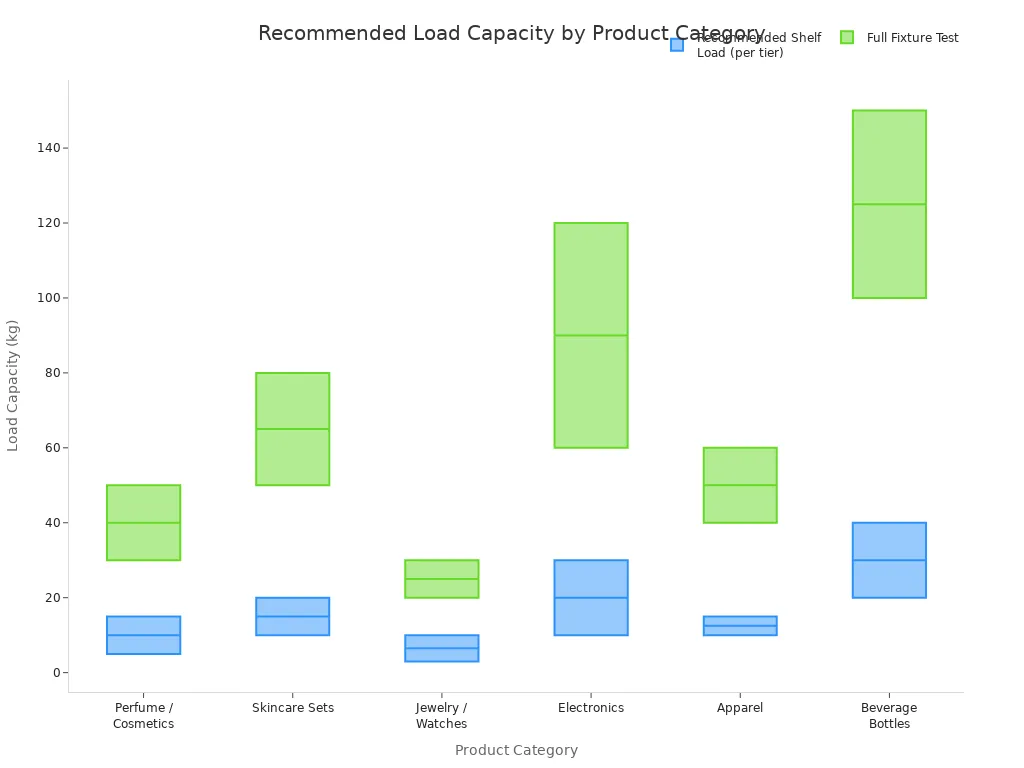
You must verify that your shelving can handle its intended load. Overloaded fixtures can collapse, creating a major safety hazard and ruining food inventory. Your first step for compliance is to consult manufacturer specifications. This eliminates guesswork and ensures a foundation for safety. You should also conduct routine inspections. Look for bowed beams or deformed uprights. These are signs of stress that demand immediate action. This checklist item is critical for food storage safety.
SECURE ANCHORING AND STABILITY
Your fixtures must be stable to prevent tipping. Secure anchoring is a key part of your safety compliance. This is especially important for meeting ADA accessibility guidelines. You must maintain at least a 36-inch wide clear path for access. Unstable fixtures can obstruct these routes and cause injury. Your safety checklist should also include a check for physical hazards. Inspect for sharp edges on counters or non-locking casters on mobile food carts. Addressing these issues is vital for employee and customer safety and for regulatory compliance. This ensures a safe food environment.
FIRE SAFETY AND ELECTRICAL COMPLIANCE
Kitchens are high-risk areas for electrical hazards. Water spills and grease buildup increase the danger of electrical safety issues. Your regulatory compliance depends on mitigating these risks.
Your electrical safety audit must be thorough. Worn electrical cords, faulty wiring, and damaged outlets are common causes of fires and electrical surges. These issues threaten your food, your equipment, and your team’s safety.
For proper regulatory compliance, you must follow key electrical codes.
- Install Ground-Fault Circuit Interrupter (GFCI) protection on all countertop receptacles. This prevents shock and is a core safety requirement.
- Use Arc-Fault Circuit Interrupter (AFCI) protection for circuits. This measure mitigates fire risks from electrical arcing. This focus on electrical compliance protects your food operation from significant safety events.
Your fixture compliance is a total commitment. You must master food safety basics. Your haccp plan guides your food safety. This includes material selection, sanitary design, and structural safety. Your haccp plan is vital for food safety compliance. Strong food safety practices build a culture of safety. This audit ensures your compliance with food safety rules. Your haccp plan is the foundation for your food safety compliance. This audit process strengthens your overall compliance. Your haccp plan supports your food safety compliance.
Use this compliance checklist for your regular audit. These checklists improve your haccp compliance. A consistent audit protects your food, customers, and brand. Your food safety compliance shows your dedication to food safety. This haccp process ensures food safety.
FAQ
What is the first step in a fixture audit?
Your first step is a comprehensive hazard analysis. This hazard analysis is a core part of your haccp plan. You must review how each fixture impacts food safety compliance. This initial audit sets the stage for your entire haccp internal audit process and ensures strong food safety compliance.
How often should I conduct a fixture audit?
You should perform a daily audit for critical issues. A weekly haccp internal audit ensures deep hygiene. Your monthly haccp internal audit provides long-term verification. This consistent audit schedule is vital for haccp compliance and overall food safety compliance. This haccp internal audit is key.
Why is HACCP important for fixture selection?
Your haccp plan guides your choices. It ensures fixtures support your hygiene goals and protect your food. A proper hazard analysis helps you follow food safety rules. Good fixtures prevent food contamination. Your haccp plan is essential for food safety compliance and good hygiene.
Your haccp plan is your roadmap. A haccp internal audit confirms you are on the right path. This audit protects your food. Your haccp internal audit is a critical verification of your food safety management system and food safety practices. This audit ensures good hygiene.
How does a fixture audit improve food safety?
A fixture audit strengthens your haccp plan. It identifies risks from your equipment. This haccp internal audit is a practical application of your hazard analysis. The haccp internal audit process improves hygiene, protects food, and ensures food safety compliance. This audit follows all food safety rules.

 English
  Français
  Русский
  Deutsch
  Español
  Português
  日本語
日本語