

Are acrylic picture frames a good choice in 2026? Yes, they are an excellent option for your frames. You gain great safety, amazing clarity, and strong UV protection for your art.
These benefits come with a higher cost. The frames can also scratch more easily than glass. This guide helps you weigh these specific pros and cons for your own photos.
The Pros of Acrylic Picture Frames
When you choose a frame for your art or photos, you want the best protection and presentation. Acrylic offers several key advantages over traditional glass. Let’s explore why acrylic picture frames are a leading choice in 2026.
Superior Durability and Safety
You gain incredible peace of mind with acrylic’s durability. Traditional glass shatters on impact. This creates dangerous shards that can cut you and ruin your artwork. Acrylic, on the other hand, is shatter-resistant. It is significantly stronger than glass. Data shows that acrylic sheeting can be over 18 times more impact-resistant than glass of the same thickness. If it does break under extreme force, it cracks into large, dull-edged pieces, not sharp splinters.
This makes acrylic an ideal choice for busy homes, especially those with children or pets. Museums and galleries also prefer it for high-traffic areas. Online framers often use acrylic to ensure your frames arrive safely without damage.
Safety First: Acrylic vs. Glass Clear acrylic gives you the beautiful clarity of fine picture frame glazing. It comes with half the weight of glass and many times the impact resistance. This combination of features provides long-lasting durability and safety for your cherished pieces.
| Feature | Traditional Glass | Acrylic |
|---|---|---|
| Impact Resistance | Shatters easily, posing a risk of cuts. | Resists impact and will not shatter into sharp pieces. |
| Safety | Broken glass is sharp and dangerous. | Cracks are much safer than shattered glass. |
| Artwork Protection | Shattering can destroy the art inside. | Protects artwork from impact damage. |
Lighter Weight for Easy Handling
Acrylic is about half the weight of glass. This significant weight difference makes handling and hanging your frames much easier. You can hang very large pieces with more confidence. Lighter frames put less stress on your walls and hanging hardware.
The reduced weight also lowers costs. Shipping heavier glass frames requires more fuel and packaging, increasing transportation expenses. This is especially true for frames larger than 16” x 20”, where the weight difference becomes substantial. Choosing acrylic saves you money on shipping, particularly when ordering online.
Enhanced Clarity and Color Pop
You want your artwork’s true colors to shine through. Acrylic offers superior optical purity compared to standard glass. High-quality acrylic has a light transmission rate of up to 92%. This allows more light to pass through, making your photos and art appear brighter and more vibrant.
A key benefit is the absence of a green tint. Standard glass often has a slight green hue from its iron content, which can subtly distort colors. Acrylic is crystal clear. This lack of color tint ensures that the whites in your art look crisp and all colors appear exactly as the artist intended. For applications demanding perfect color accuracy, acrylic is the superior material.
Advanced UV and Thermal Protection
Sunlight and heat can cause irreversible damage to your art over time. Fading and discoloration are common problems. UV-filtering acrylic offers a powerful solution. Standard UV-filtering acrylic blocks up to 99% of harmful ultraviolet radiation. Regular glass, by contrast, offers very little UV protection. This feature is essential for preserving valuable or sentimental pieces.
Acrylic also provides better thermal insulation than glass. It has a much lower thermal conductivity, meaning it slows the transfer of heat. This helps protect your artwork from damage caused by temperature fluctuations. By creating a more stable environment inside the frame, acrylic helps ensure the longevity of your art. This makes acrylic picture frames a smart investment for protecting what you love.
The Cons and Key Considerations
Acrylic offers fantastic benefits, but you should also understand its drawbacks. Knowing these key considerations helps you make the best choice for your art and your home. Let’s look at the potential cons and how you can manage them.
Vulnerability to Scratches
You must handle acrylic with more care than glass. Acrylic is a softer material. It has a hardness rating of around 3 or 4 on the Mohs scale, while glass is harder. This means its surface can scratch more easily from improper handling or cleaning. Abrasive materials like paper towels can leave fine scratches on your frames.
However, you can easily prevent damage with proper maintenance. Careful cleaning keeps your acrylic looking pristine for years.
Proper Maintenance for a Scratch-Free Finish 🧼
Proper cleaning is the most important part of acrylic care. Follow these steps to avoid scratches and keep your view crystal clear.
- Blow Away Debris: First, use compressed air to gently remove any loose dust or dirt from the surface.
- Use a Soft Cloth: Next, dampen a clean microfiber cloth with distilled water. You can add a single drop of mild dish soap for extra cleaning power.
- Wipe Gently: Wipe the acrylic surface softly. Avoid applying heavy pressure.
- Dry Carefully: Finally, use a separate, dry microfiber cloth to gently dry the surface and prevent water spots.
Never use cleaners that contain ammonia or alcohol. These harsh chemicals can cause the acrylic to crack or become cloudy over time. This simple maintenance routine will protect your investment.
Static Charge and Dust Attraction
You may notice that acrylic surfaces attract dust more than glass. This happens because acrylic can build up a static charge, especially in dry environments. This static acts like a magnet for dust, lint, and pet hair.
Several factors contribute to this static buildup:
- Dry air from heating or air conditioning systems.
- Low humidity levels in the room.
- Friction from wiping the surface with a dry cloth.
Luckily, managing static is straightforward. The right cleaning tools and techniques make all the difference. For routine maintenance, use a specialized anti-static cloth, like one with conductive fibers, to wipe down your frames. For a deeper clean, you can use a commercial anti-static acrylic cleaner. These sprays clean the surface and leave behind a coating that helps prevent future dust from sticking.
Potential for Bowing in Large Sizes
You should consider the size of your artwork when choosing acrylic. While strong, acrylic is more flexible than glass. In very large frames, this flexibility can cause the acrylic sheet to bend or bow slightly in the middle. This effect can become noticeable in frames where the acrylic spans more than 24 inches.
This is not an issue for most standard-sized pictures. For oversized art, you can prevent bowing. Ensure the frame has a strong, rigid backing board to support the acrylic. Professional framers often add extra support, like a hanger bar along the top edge of large acrylic picture frames, to keep everything flat and secure. If you plan to frame a very large piece, discuss these support options with your framer.
The Higher Initial Cost
You will find that acrylic picture frames generally have a higher upfront cost than frames with standard glass. This price difference is a key factor for many buyers. You might wonder if the extra expense is truly worth it.
You should view the higher cost as an investment in protection and longevity. Think about the piece you are framing. Is it an original painting, a limited-edition print, or a priceless family photo? For these valuable items, the superior UV protection and shatter-resistant durability of acrylic are essential. It preserves your art from fading and damage, protecting its emotional and financial value for a lifetime. For irreplaceable art, investing in museum-quality framing with UV-protective acrylic is a wise decision that pays off by keeping your cherished piece safe for years to come.
Acrylic Prints vs. Traditional Frames
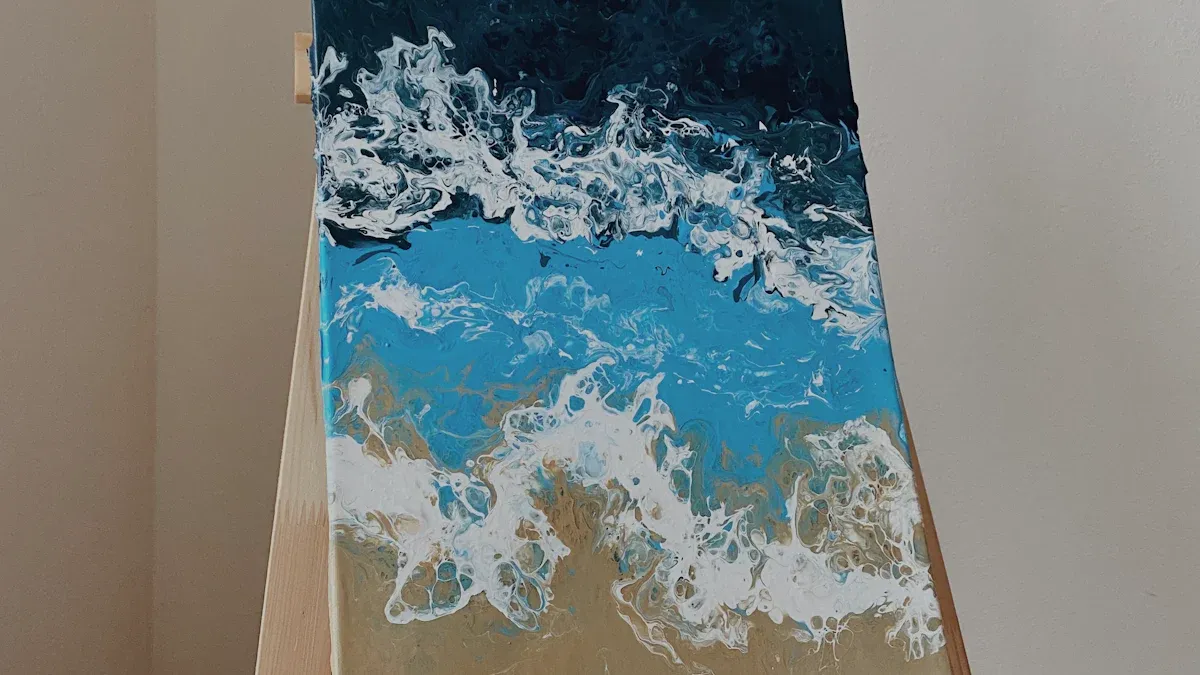
You may hear the term “acrylic prints” and wonder how they differ from the acrylic frames we have discussed. While both use the same core material, they are very different products. Traditional frames use an acrylic sheet as a protective window in front of your art. Acrylic prints, however, are a modern, frameless way to display your photos.
What Are Acrylic Prints?
Acrylic prints are created through a process called face-mounting. Your photograph is printed on high-quality paper and then bonded directly to a sheet of acrylic using an optically clear adhesive. This creates a seamless piece where the image is part of the display itself.
The Face-Mounting Process 🖼️
- Your photo is printed on professional-grade paper.
- A clear adhesive is applied to the face of the print.
- The print is then adhered to the back of a clear acrylic sheet.
- A rigid backing material, like Dibond, is attached to protect the print and provide support for hanging.
This process transforms your photo into a durable, vibrant work of art. The final result is a sleek, modern display without the need for traditional frames. These are very different from canvas prints.
Understanding the Pros and Cons of Acrylic Prints
You should weigh the pros and cons of acrylic prints before choosing them over other options like canvas prints. The biggest advantage of acrylic prints is their incredible visual impact. The acrylic layer acts like a lens, making colors appear more saturated and vibrant. This creates a stunning sense of depth and a three-dimensional effect that you cannot get with canvas prints or standard frames.
However, acrylic prints have some downsides.
- Cost: They are more expensive than canvas prints due to the complex printing process and materials.
- Glare: The glossy surface can create reflections from light sources.
- Fingerprints: The smooth finish shows smudges and fingerprints easily, so you must handle them with care.
When to Choose an Acrylic Print
You should choose acrylic prints for photos that you want to turn into brilliant, eye-catching art. They are perfect for images with bold, vibrant colors that you want to make “pop.” Large-scale landscapes and professional photography look especially stunning as acrylic prints. The clarity and depth bring these images to life in a way that canvas prints cannot match.
Their frameless, modern look works beautifully in contemporary interior designs. While traditional frames offer a classic feel, acrylic prints provide a sleek, gallery-quality aesthetic. If you want maximum color, contrast, and visual impact for a special photo, acrylic prints are an excellent choice over both canvas prints and conventional frames.
Choosing the Right Acrylic for Your Frame
You have many options when selecting acrylic for your picture frames. The right choice depends on your artwork, your budget, and where you plan to hang it. Understanding the different types helps you give your art the best possible presentation and protection.
Standard vs. UV-Filtering Acrylic
You must decide on the level of UV protection you need. Standard acrylic blocks most UV light in the 200-360nm range. However, specialized UV-filtering acrylic offers superior safeguarding. Museum-grade options like ACRYLITE® Gallery UV filtering acrylic block nearly 100% of harmful UV rays. This protection is essential for preserving items that can fade, yellow, or become brittle over time.
Art That Needs UV Protection 🖼️ You should always use UV-filtering acrylic for your most valuable pieces. This includes:
- Limited edition photography and original art prints
- Watercolor paintings and drawings on paper
- Priceless memorabilia and historical documents
- Fabrics and other delicate crafts
For these items, UV-filtering acrylic is a crucial investment for your frames.
Glare vs. Non-Glare Finishes
You should also consider the lighting in your room. Standard acrylic has a glossy surface, similar to the finish on many acrylic prints. This can create distracting reflections in bright spaces. A non-glare finish is the perfect solution for rooms with large windows or direct sunlight. This special surface diffuses light to minimize glare. You can appreciate your art’s full color and detail without annoying reflections. These non-glare frames are ideal for offices and public galleries with challenging lighting.
UV-Protective Non-Glare Acrylic
You do not have to choose between UV protection and a clear view. You can get both features in a single sheet. Manufacturers create this premium option by integrating technologies. The UV-filtering properties are built directly into the acrylic material itself. Then, a special coating or surface treatment is added to create the non-glare effect. Products like ACRYLITE® OP-3 P-99 combine both features. This gives your art the ultimate defense against both UV damage and glare, making it the top choice for high-value pieces in brightly lit rooms. These advanced frames offer complete peace of mind, unlike some acrylic prints that prioritize gloss over glare reduction.
You now understand the key trade-offs for acrylic. You gain superior safety, clarity, and UV protection. You must also accept a higher cost and a surface prone to scratches. Your final choice depends on your specific needs.
Final Recommendation 💡 You should choose acrylic frames for your valuable art, large pieces, or items in high-traffic areas. For smaller, budget-friendly projects where scratch resistance is your main concern, traditional glass remains a solid option for your frames.
FAQ
How are acrylic frames different from canvas prints?
You should know the pros and cons of canvas prints. Canvas prints have a textured, matte finish. Acrylic frames protect a separate photo with a glossy, clear sheet. Canvas prints offer a classic look, while acrylic provides modern vibrancy. Many people choose canvas prints for a traditional feel.
Are acrylic frames an eco-friendly choice?
Yes, you can find sustainable and eco-friendly frames. Acrylic is a type of plastic that is recyclable. Choosing a frame made from recycled acrylic is a sustainable option. This makes your framing choice more eco-friendly. Many manufacturers now offer eco-friendly acrylic to meet consumer demand.
What are floating frames?
Floating frames are one of the top trends in framing. These frames make your art look like it is suspended in the middle. You can use floating frames with both canvas prints and paper art. They create a unique, three-dimensional effect on your wall.
Can I get personalized frames with acrylic?
You can absolutely order personalized frames. Many companies let you choose the exact size, color, and style for your frame. You can create personalized frames that perfectly match your home decor and your artwork. This is great for both photos and canvas prints.
See Also
Your Comprehensive Guide To Selecting And Utilizing Acrylic Table Stands
Exploring Edge-Lit Acrylic Signs: Design, Functionality, And Practical Uses
Understanding Acrylic Sign Holders: Essential Features And Diverse Applications
Acrylic Trophies And Awards: Defining Characteristics And Their Versatile Uses
Unveiling Premium Acrylic Stand Tables: Design Excellence And Material Insights


 English
  Français
  Русский
  Deutsch
  Español
  Português
  日本語
日本語