
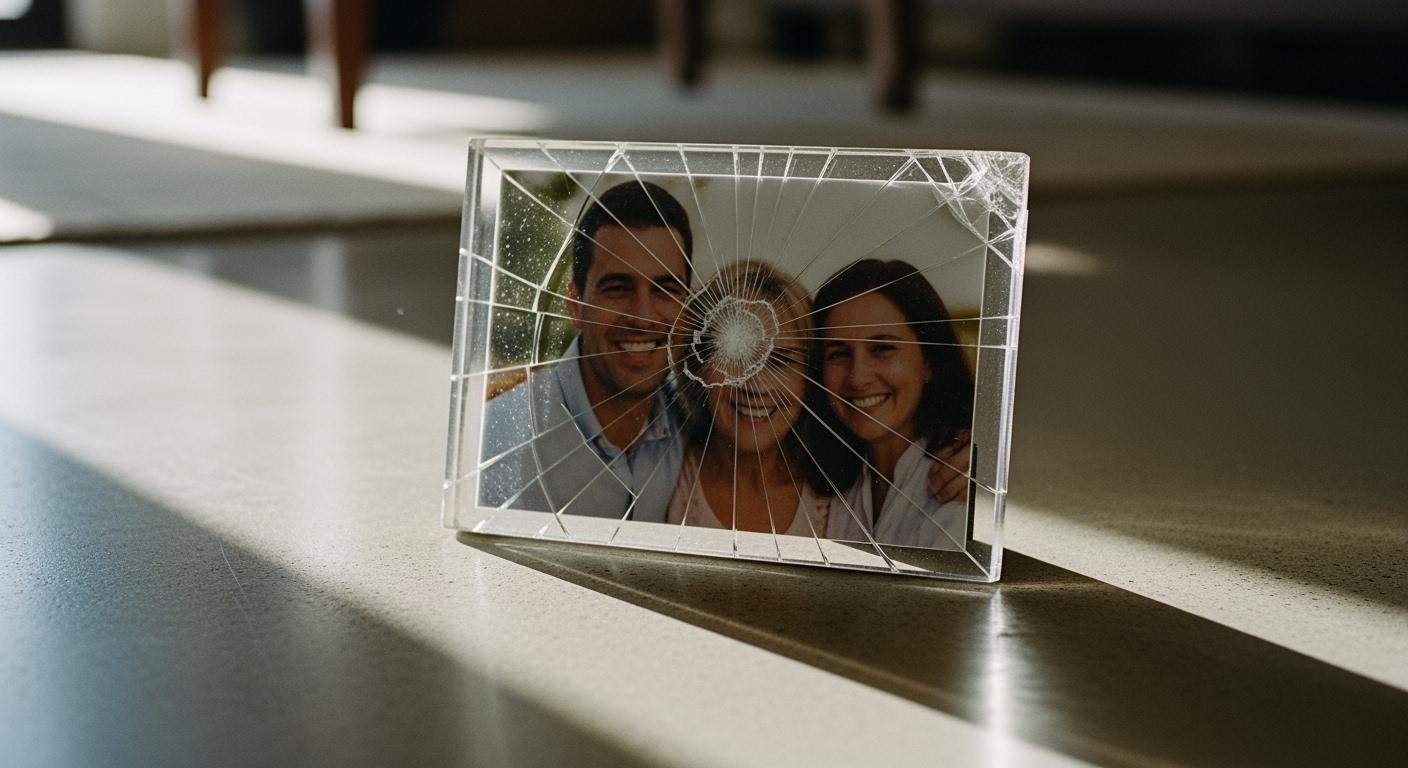
You may know acrylic photo frames are lightweight and hard to break. This makes them a popular choice. However, you must also understand the disadvantages of acrylic photo frames. Knowing these drawbacks helps you make a better choice for your art.
Key Disadvantages to Consider:
- Susceptible to scratching
- Attracts dust due to static
- Potential for bowing in larger sizes
- Higher cost compared to glass
- Sensitivity to common cleaners
This guide explains these issues so you can decide if acrylic is right for you.
Key Disadvantages of Acrylic Photo Frames: Scratches
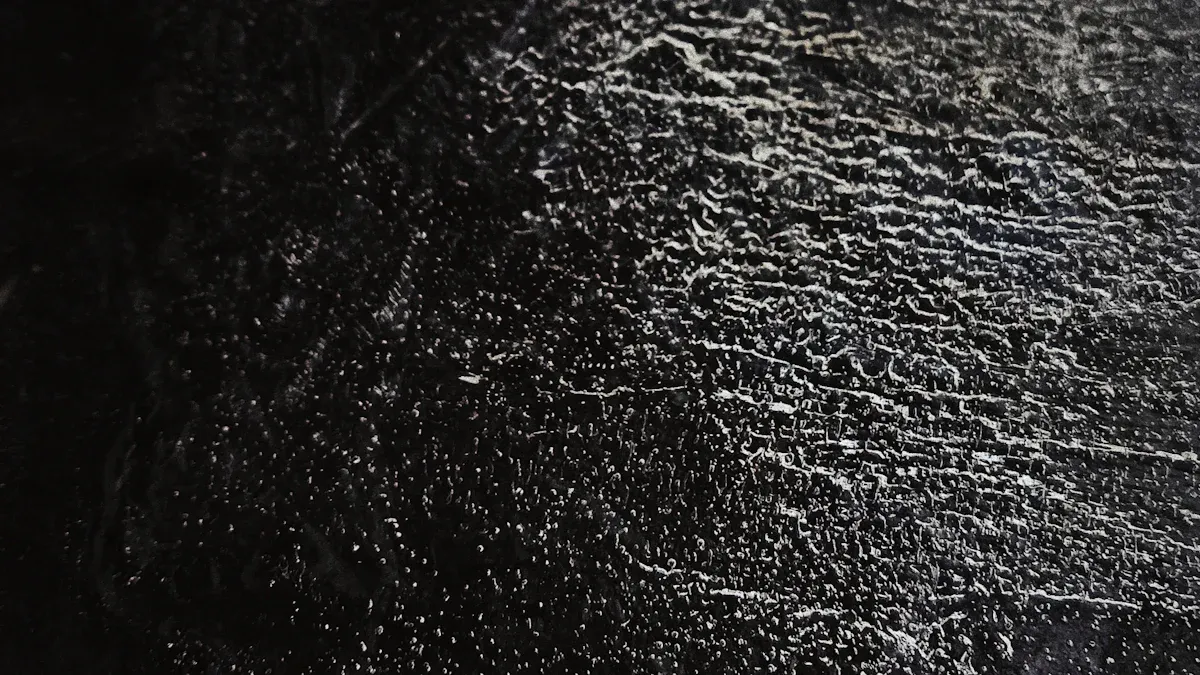
One of the most significant disadvantages of acrylic photo frames is their tendency to scratch. While acrylic is known for being shatter-resistant, its surface is not as tough as glass. This softness is a key factor in its long-term appearance and durability.
Heads Up! ⚠️ The biggest trade-off for acrylic’s lightweight and shatterproof nature is its vulnerability to surface scratches.
The Softness of Acrylic Plastic
You might touch an acrylic sheet and think it feels hard. However, compared to glass, it is a much softer material. Scientists use the Mohs scale to measure the hardness of materials. A higher number means the material is more scratch-resistant. You can see a clear difference between glass and acrylic.
| Material | Mohs Hardness |
|---|---|
| Standard Glass | 5.5 – 6.5 |
| Acryl (Plexiglas) | 3 |
This lower rating shows that many common objects can easily scratch an acrylic surface.
Risk of Scratches From Handling
Everyday handling and cleaning pose a risk to acrylic photo frames. These actions can cause permanent durability issues. Unlike glass, you cannot simply wipe acrylic with any available cloth.
- Using a paper towel can leave tiny abrasions.
- Wiping away dust with a dry, rough cloth can drag particles across the surface, creating fine lines.
- Setting the frame face down on a rough surface can cause scuffs.
Over time, these small mistakes add up and damage the viewing surface.
How Surface Marks Reduce Clarity
A single scratch might not seem like a big deal. However, a collection of fine scratches will eventually degrade the clarity of your frame. These marks catch the light and can create a cloudy or hazy effect, obscuring the details of your artwork. Glass maintains its crystal-clear look for much longer because it resists these minor abrasions. While scientists are developing special coatings to improve acrylic’s scratch resistance, standard acrylic remains vulnerable. This is one of the main disadvantages you must consider before you buy.
A Magnet for Dust and Debris
You will find that acrylic surfaces attract dust and lint far more than glass. This happens because of static electricity. This magnetic effect creates constant cleaning challenges and can even pose a risk to your artwork.
Understanding Static Buildup
Static electricity is the buildup of an electric charge on a surface. This happens when two different materials rub against each other. The rubbing action allows tiny particles called electrons to move from one surface to the other. Acrylic is a material that easily collects these electrons, giving it a negative charge. Even rubbing the surface with your hand or a cloth can create this static charge.
Why Acrylic Attracts More Dust
Once an acrylic surface has a static charge, it acts like a small magnet. It pulls in and holds onto airborne particles like dust, lint, and pet hair. An indoor study confirmed that acrylic plastic accumulates more dust compared to glass surfaces under the same conditions. This means you will need to clean your acrylic frames more often to keep them looking clear.
The Challenge of Keeping It Clean
Cleaning dust from acrylic can be tricky. Wiping the surface with a dry cloth often creates more static, which attracts dust right back. This creates a frustrating cycle of cleaning.
Quick Tip 💡 To reduce static, professionals recommend using a special anti-static cleaner designed for acrylic. Never use a dry cloth, as it can worsen the static and scratch the surface.
Risk to Loose Media Artwork
The static charge from acrylic is one of its most serious disadvantages for certain types of art. The static pull can be strong enough to lift loose particles from the surface of your artwork. This causes irreversible damage.
- Charcoal drawings can be smudged.
- Pastel pieces can lose pigment.
- Graphite sketches can be altered.
The particles get pulled from the paper and stick to the inside of the glazing. For this reason, you should avoid using standard acrylic photo frames for any art made with unfixed, powdery media.
Prone to Bowing and Flexing
Another one of the key disadvantages of acrylic is its tendency to bend or bow over time. While glass is rigid and stays flat, acrylic is more flexible. This lack of stiffness can create visual problems, especially in larger frames.
Lack of Structural Rigidity
You can think of acrylic as a very stiff plastic, but it is still a plastic. It does not have the same structural rigidity as glass. Over time, gravity can cause a sheet of acrylic to sag or bend under its own weight. This effect is minimal in small frames but becomes a serious issue as the size of the frame increases. The material’s flexibility, a benefit for impact resistance, becomes a drawback for maintaining a perfectly flat surface.
How Size Impacts Bowing
The size of your frame directly impacts the risk of bowing.
- Small frames (like 8×10 inches) have very little risk of bowing.
- Large frames (24×36 inches or bigger) are much more likely to flex.
The larger the unsupported span of acrylic, the more noticeable the sag will be in the center. This can happen even when the frame is hanging perfectly straight on a wall.
Distorted Reflections and Appearance
When an acrylic surface bows, it no longer acts like a flat mirror. The curve creates distorted reflections. Light will bounce off the surface at odd angles, which can be very distracting. This distortion can cheapen the look of your display and draw the viewer’s eye away from the artwork itself. Your art might even appear warped behind the curved glazing.
The Need for Proper Support
You must provide proper support to prevent bowing in large acrylic photo frames. Without it, you will face long-term durability issues. To improve the durability of a large frame, professionals recommend specific measures.
Pro Tip for Large Frames 🖼️ For a 24×36 inch frame, you should use acrylic that is at least 5mm thick. You can also choose a frame with built-in metal reinforcement bars that keep the acrylic flat. Always use robust metal mounting hardware, not flimsy plastic, to support the extra weight and maintain stability.
These extra steps are crucial for ensuring your large-format artwork looks its best.
The Higher Price Point
One of the most practical disadvantages of acrylic photo frames is their cost. You will often find that acrylic glazing carries a higher price tag than standard glass. This price difference becomes even larger when you look at specialty options.
The Initial Cost of Acrylic Photo Frames
When you compare materials, you will see that a standard sheet of acrylic costs more than a standard sheet of glass. The manufacturing process for acrylic is more complex, which contributes to its higher material cost. However, the total project cost can be more complicated. Acrylic is much lighter than glass. This lower weight can sometimes reduce shipping and handling fees, which may offset some of the initial expense. Even so, you should budget more for the frame itself if you choose acrylic.
Cost of Specialty Acrylics
If you need special features, the price of acrylic increases further. Options like UV-protective or anti-glare coatings add to the final cost. For example, choosing a non-glare acrylic for an 8×10 frame can add several dollars to the price. When you move into high-end options, the cost can be significant.
Cost at a Glance 💰 While basic UV-filtering acrylic can be affordable, premium anti-reflective acrylic can cost as much as, or even more than, museum-grade glass.
| Type of Glazing | Estimated Cost Per Square Foot |
|---|---|
| Basic UV-Filtering Acrylic | $20 – $50 |
| Entry-Level Museum Glass | $50 – $100 |
| Premium Museum Glass | $100 – $175+ |
This shows that achieving high-end features with acrylic is a costly investment.
Long-Term Value Considerations
You must also think about the long-term value. While acrylic is durable and shatter-resistant, it has a shorter lifespan than glass. Standard acrylic may show signs of yellowing within 5 to 7 years, especially with UV exposure. High-quality, UV-resistant acrylic can last 10 to 15 years, but glass can last for decades without discoloring. These long-term disadvantages are important to weigh against the upfront benefits. The potential need to replace a yellowed or heavily scratched acrylic frame adds to its overall lifetime cost.
Sensitivity to Cleaners
You must be very careful when cleaning your acrylic photo frames. Using the wrong cleaner can cause permanent damage that ruins the frame’s clarity. Many common household products contain chemicals that are too harsh for acrylic’s soft surface.
The Danger in Common Chemicals
You cannot use standard glass cleaner on an acrylic surface. These products often contain aggressive chemicals that will harm the plastic. You should avoid any cleaner that contains:
- Ammonia
- Alcohol
- Vinegar
- Bleach
- Solvents like acetone or turpentine
These ingredients can etch the surface, leading to irreversible damage. Powdered cleansers and aerosol sprays are also unsafe, as they can be abrasive or contain harmful propellants.
Understanding “Crazing” Damage
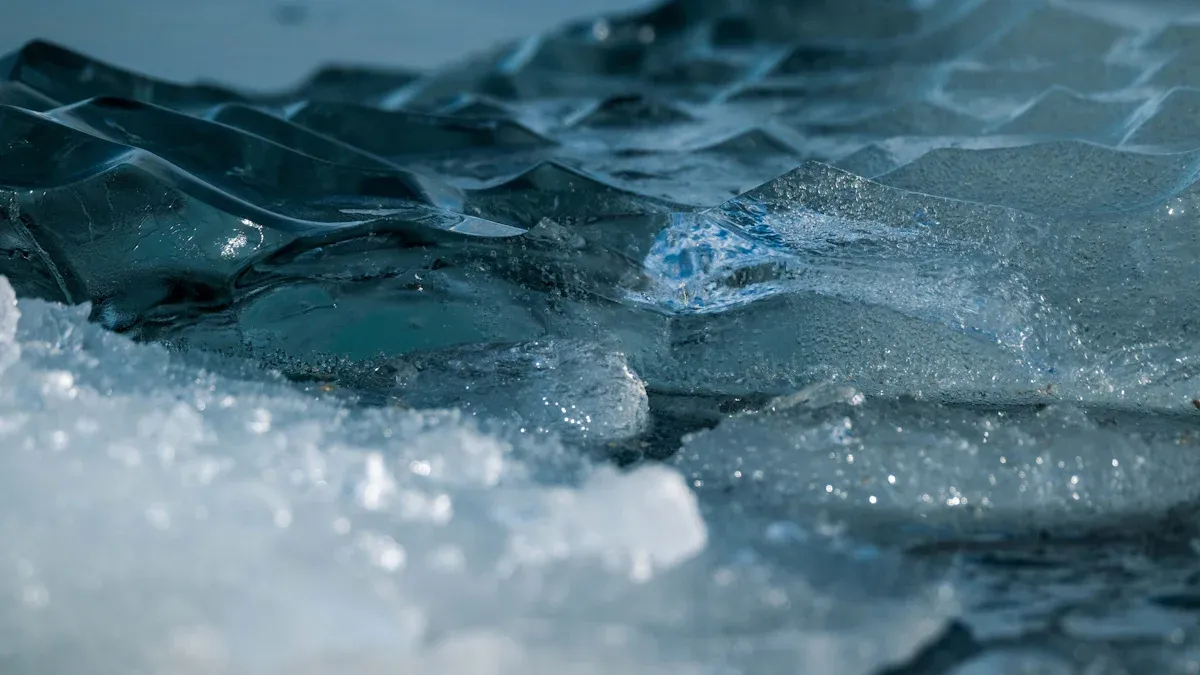
A serious risk from improper cleaning is a type of damage called “crazing.” This appears as a network of fine cracks on or below the surface of the acrylic. Ammonia-based cleaners are a primary cause of this issue. The chemical reaction creates stress in the plastic, which results in these tiny fractures. This damage is permanent and will spoil the appearance of your artwork.
Avoiding a Cloudy Finish
Using the wrong cleaner or cloth can also leave your frame with a cloudy, hazy finish. This happens for two main reasons. First, abrasive materials like paper towels create thousands of tiny scratches that build up over time and make the surface look dull. Second, harsh chemicals can react with the acrylic, causing a foggy look that you cannot wipe away. This cloudiness reduces the clarity and makes your display look old and cheap.
Safe Cleaning Methods
You can keep your acrylic clean without causing damage. The best method is to use a simple solution of lukewarm water with a few drops of mild dish soap. Never wipe a dry, dusty frame, as this will drag grit across the surface and cause scratches.
Always use a soft, clean cloth, like microfiber. Even a microfiber cloth can leave very fine swirls, so be gentle. Never use an abrasive pad or a rough paper towel.
By using the right materials, you can protect your frame’s finish for years.
You now understand the main disadvantages of acrylic frames. They can scratch easily, attract dust, bow in large sizes, cost more than glass, and react poorly to harsh cleaners. These issues do not make acrylic a bad option. Instead, you must weigh them against its benefits.
Final Takeaway 🤔 Consider your specific needs. Is your art in a high-traffic area? Is the piece very large? Your answers will help you decide if acrylic’s shatter-resistant and lightweight nature is the right choice for you.
FAQ
Can you fix scratches on an acrylic frame?
Yes, you can sometimes fix minor scratches. You can use a special acrylic polish to buff out very fine surface marks. However, deep scratches are often permanent and cannot be removed completely. Always test the polish on a small, hidden area first.
Is acrylic better than glass for valuable art?
It depends on your needs. You should choose UV-protective acrylic to guard against fading. However, remember the static charge can damage loose media like charcoal or pastels. For these art types, museum glass is often a safer choice.
How long does acrylic last before it turns yellow?
The lifespan of acrylic varies. Standard acrylic may start to yellow in 5 to 7 years with sun exposure.
Good to Know ☀️ High-quality, UV-resistant acrylic can last 10 years or more without significant yellowing, but it costs more.
Why is acrylic more expensive than glass?
The manufacturing process for acrylic is more complex and costly than for glass. This higher production cost makes the material itself more expensive. Specialty coatings, like UV protection or anti-glare finishes, will increase the price even further.
See Also
Exploring Premium Acrylic Stand Tables: Design, Materials, and Craftsmanship
Acrylic Risers Explained: Understanding Their Definition, Features, and Uses
Acrylic (PMMA) Unveiled: Definition, Key Properties, and Diverse Applications
Frosted Acrylic Demystified: Definition, Unique Features, and Practical Applications
Discovering Acrylic Blocks: Definition, Distinctive Features, and Versatile Uses

 Deutsch
  English
  Français
  Русский
  Español
  Português
  日本語
日本語