
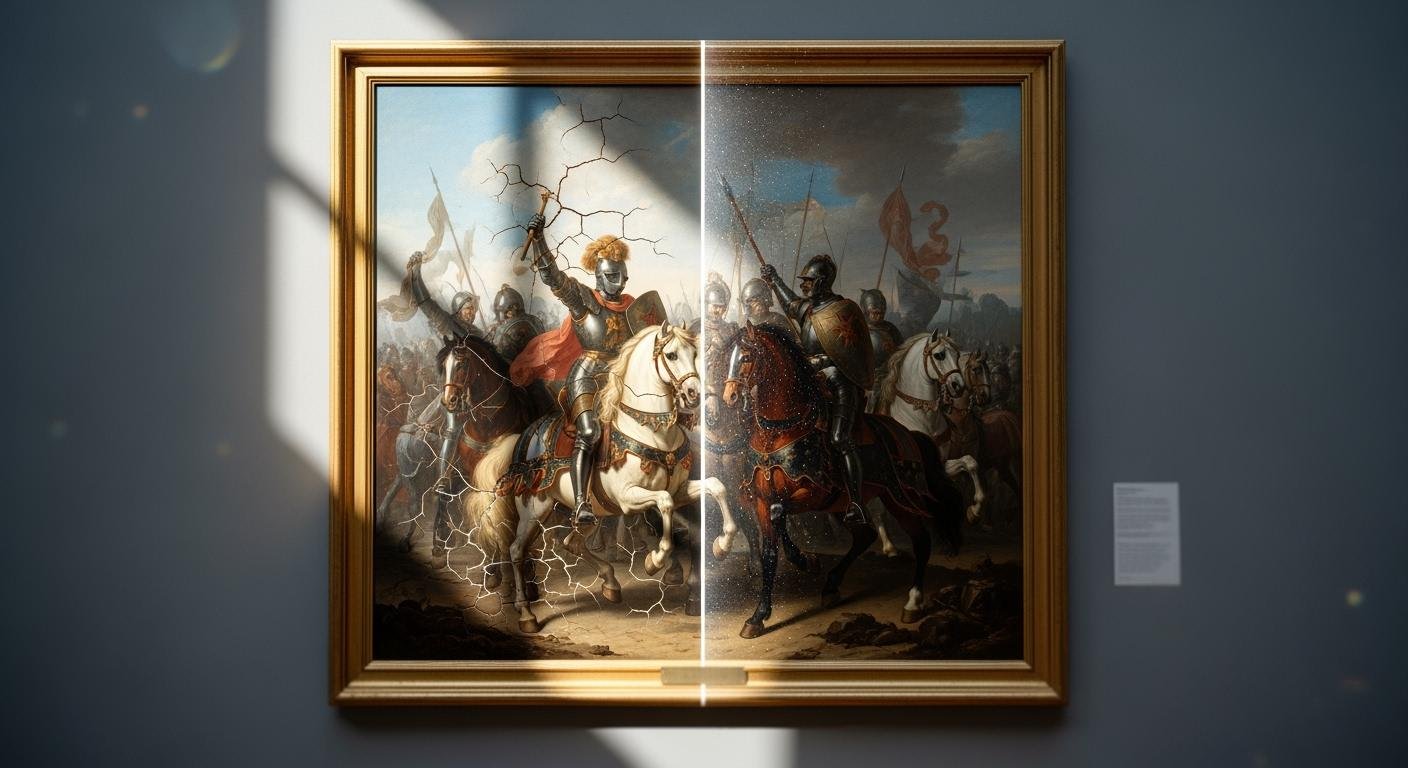
UV protection is an invisible shield for your art. It preserves original colors and extends the artwork’s value. Think of UV-filtering acrylic like sunscreen, protecting artwork from harmful UV rays. This essential protection is crucial.
Heads up! 💡 Do you know if daylight’s UV rays are silently damaging your cherished pieces right now?
How UV Light Damages Art
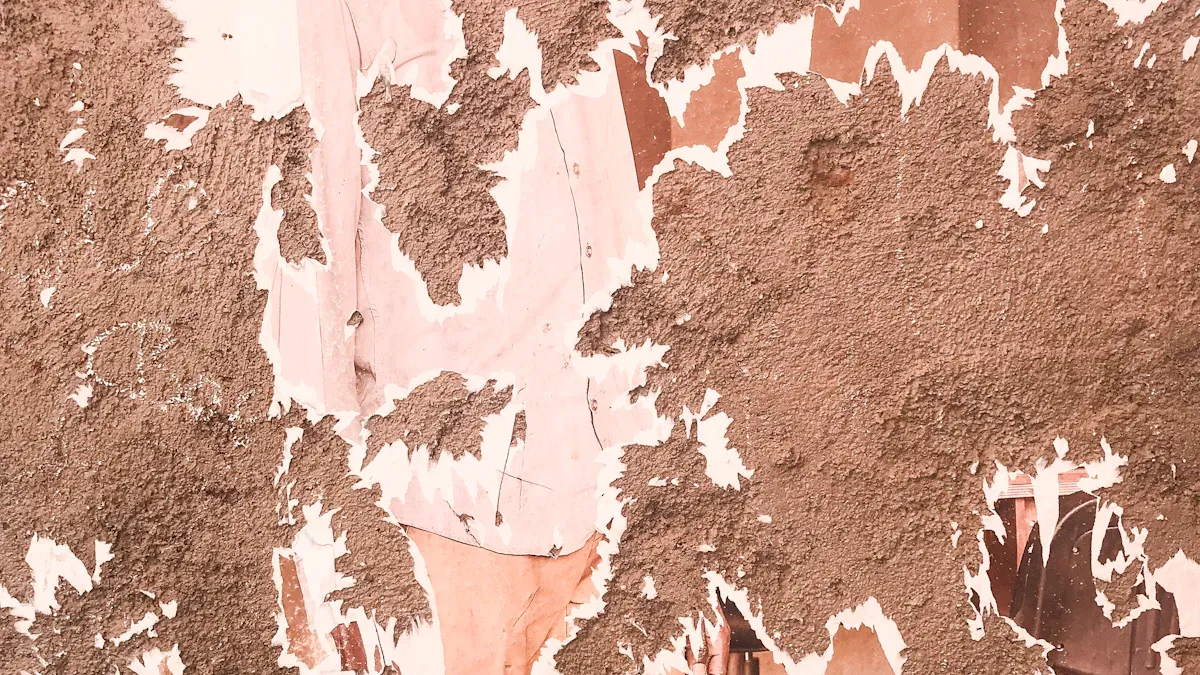
Sunlight contains harmful ultraviolet rays that cause permanent, irreversible damage to your art. This damage happens in two primary ways: it attacks the colors you see and degrades the very material the art is made from.
Fading and Color Shift
The most noticeable damage from UV light is color fading. Certain pigments are more vulnerable than others. Red and yellow paints, for example, often fade the fastest because they absorb more high-energy UV light. You can see this effect in famous works. Edvard Munch’s paintings have suffered significant discoloration over the years. The once-vibrant cadmium yellow in some of his pieces has faded to a dull white, permanently altering his original vision. This fading happens because the energy from UV radiation physically breaks the chemical bonds within the paint’s pigments, causing a loss of color.
Material Degradation
The damage goes deeper than just the colors on the surface. UV light also attacks the artwork’s foundation, whether it’s paper, canvas, or a photograph.
The Science of Destruction: Photodegradation 🔬 UV exposure triggers a process called photodegradation. This is how it breaks down materials:
- Breaking Bonds: It directly shatters the chemical bonds holding pigments and fibers together.
- Oxidation: It speeds up oxidation, a chemical reaction that changes a material’s structure and color.
- Polymer Breakdown: It degrades polymers in materials like paper and canvas, causing them to weaken.
This process makes paper yellow and fragile, leading to brittleness and cracking. For works on paper, like prints or watercolors, this can be catastrophic. The damage is cumulative and cannot be undone. Effective uv protection is the only way to halt this silent destruction and prevent further discoloration.
Why Your Art Needs UV Protection
You might wonder if every piece of art needs the same level of defense. The answer depends on the art’s value, its material, and where you display it. Proper uv protection is a critical part of any preservation strategy.
High-Value and Irreplaceable Pieces
Your valuable or sentimental art deserves the best care. Art appraisers see condition as a huge factor in an artwork’s value. They create detailed reports on any damage or restoration. Art in poor condition is always valued less than art in perfect shape. Fading colors and material decay directly lower the financial and historical worth of a piece. Using archival framing is an investment in preserving that value for the future.
Appraiser’s Insight 🧐 Experts use advanced technology to analyze an artwork’s condition. High-resolution imaging can spot subtle color shifts and damage invisible to the naked eye. This provides objective proof of an artwork’s state, which directly impacts its appraisal value.
Vulnerable Media
Some art materials are more sensitive to UV light than others. This sensitivity determines how quickly damage appears. Even indirect light can cause fading in certain media.
Works on paper are especially at risk. These include:
- Watercolors
- Photographs
- Prints
- Textiles and leather
Even durable oil and acrylic paintings are not immune. The pigments in the paint can react to UV exposure, causing slow but certain damage. This makes protection essential for nearly every type of art.
Art in High-Light Environments
Where you hang your art matters. A room flooded with sunlight creates a high-risk environment. The constant exposure to UV rays accelerates damage. However, sunlight is not the only threat. Many artificial lights also emit harmful UV radiation.
Choosing the right light bulb can make a big difference.
| Light Type | UV Emission Level |
|---|---|
| LED | Almost None |
| Incandescent | Small Amount |
| Fluorescent | High Amount |
Fluorescent bulbs are the worst offenders. If your art is in a brightly lit space, you must consider both natural and artificial light sources as potential threats.
Choosing the Right UV Protection Acrylic
You have many choices when selecting a protective cover for your art. The right acrylic depends on your artwork’s value, its location, and your budget. Making an informed decision gives you the best defense against damage.
Standard UV-Filtering Options
Standard UV-filtering acrylic is an excellent starting point for art preservation. These products block up to 98% of harmful UV rays. This level of protection is ideal for most valuable pieces. You should use it for art that is not in constant, direct sunlight. Many trusted brands offer this option.
- Plaskolite offers OPTIX® FRAME GRADE UVF Clear Acrylic.
- A&C Plastics Inc. provides a modified UV-resistant acrylic sheet.
- Acrylite makes the Acrylite® UV filtering (OP-3) acrylic sheet.
These options provide significant uv protection. The cost is a smart investment in your art’s future. A standard clear acrylic sheet is cheaper, but it offers no defense against fading. The added cost for uv acrylic sheeting is small compared to the value it preserves.
| Acrylic Type | Average Cost per Square Foot |
|---|---|
| Standard Clear Acrylic | $0.09 |
| UV Protective Acrylic | $0.18 |
How is UV Protection Built to Last? ⚙️ Manufacturers integrate UV-blocking technology directly into the acrylic. They add special absorbers to the material’s formula. These additives capture UV radiation and turn it into harmless heat. This process ensures the protection does not wear off. The acrylic itself becomes the shield. Industry standards like ASTM and ISO test these materials to guarantee their performance.
Museum-Grade Glazing
Museum-grade glazing is the ultimate choice for preservation. This premium acrylic blocks over 99% of UV rays. It also includes advanced features for the best viewing experience. These clear advantages make it the top tier of protection.
One major feature is its anti-reflective coating. This technology uses special metal oxides to eliminate glare. The result is a non-glare acrylic sheeting that appears almost invisible. You see the art, not the reflection. This non-glare acrylic sheeting allows for over 92% light transmission, so colors appear true and vibrant. These transparent acrylic sheets offer unmatched clarity.
Another key benefit is its anti-static property. Static electricity can pull particles from delicate art, like pastels or charcoal. Anti-static acrylic immediately dissipates this charge. This keeps the artwork’s surface intact and reduces dust buildup on the non-glare acrylic sheeting. The advantages of this technology are clear for fragile media. The non-glare acrylic sheeting provides both viewing clarity and physical safety.
The UV-filtering agents are mixed into the acrylic resin during manufacturing. This means the UV-blocking capability is a permanent part of the material. It will not degrade or lose effectiveness over time. This is one of the most important advantages of high-quality acrylic.
When Less Protection is Acceptable
Not every item requires maximum UV defense. In some cases, a standard clear acrylic sheet is perfectly fine. Your decision should depend on the item’s replaceability and material.
You can use basic acrylic for items that are easy to replace.
- Prints of family vacation photos.
- Decorative posters with little sentimental value.
- Temporary displays or signs.
Some art is also naturally more resistant to UV damage. Digital prints made with pigment-based archival inks on archival canvas hold their color well. The pigment particles are stable and resist fading from UV light. While protection is always a good idea, these materials are less vulnerable than watercolors or photographs. A clear acrylic sheet can offer sufficient physical protection in a low-light room for these durable pieces. The transparent acrylic sheets will keep dust and dirt away without the added cost of UV filtering.
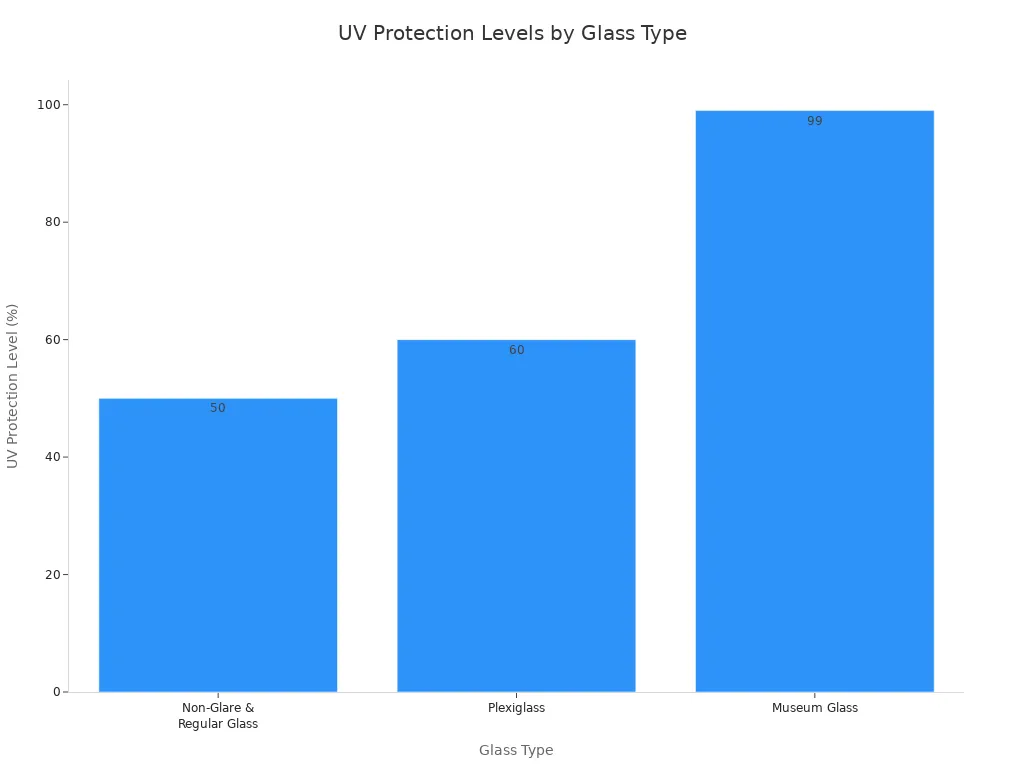
UV protection is not a luxury; it is an essential part of art preservation. Choosing the right level of protection is a direct investment in your art’s future beauty and value. Different types of acrylic and glass offer varying defense against harmful UV rays.
| Glass Type | UV Protection Level |
|---|---|
| Non-Glare & Regular Glass | 0-50% |
| Plexiglass | ~60% |
| Museum Glass | 99% |
Take Action! 🛡️ Assess your current framing. Consider upgrading your acrylic to a higher UV-blocking option to safeguard your art for generations to come.
FAQ
Does all glass block UV rays?
No, standard glass offers very little UV protection. You need specialized museum glass or UV-filtering acrylic for effective defense. These materials block over 98% of harmful radiation. Regular glass leaves your art vulnerable to fading and long-term damage.
Is UV protection only for expensive art?
UV protection is for any art you value. This includes sentimental items like family photos or children’s drawings. Protecting these pieces preserves your memories. The cost is a small price to safeguard irreplaceable items from permanent fading and decay.
How often do I need to replace UV-protective acrylic?
You never need to replace high-quality UV-protective acrylic for its filtering ability. Manufacturers mix the UV-blocking agents directly into the material. The protection is permanent. It will not degrade or wear off over the artwork’s lifetime.
Can I just keep my art out of direct sunlight?
Keeping art out of direct sun helps, but it is not a complete solution. Indirect daylight still contains harmful UV rays. Many artificial lights also cause damage. Proper UV-filtering acrylic provides a constant, reliable shield against all light-based threats.
See Also
Understanding UV Resistance: Mechanism and Acrylic Product Applications
UV-Filtering Acrylic: Principles and Diverse Practical Applications Explained
UV-Curing Adhesive: Principles and Applications of UV Gluing
UV Flatbed Printing: Principles and Its Wide-Ranging Applications
Fluorescent-Edge Acrylic: Principles and Its Unique Applications

 Deutsch
  English
  Français
  Русский
  Español
  Português
  日本語
日本語