
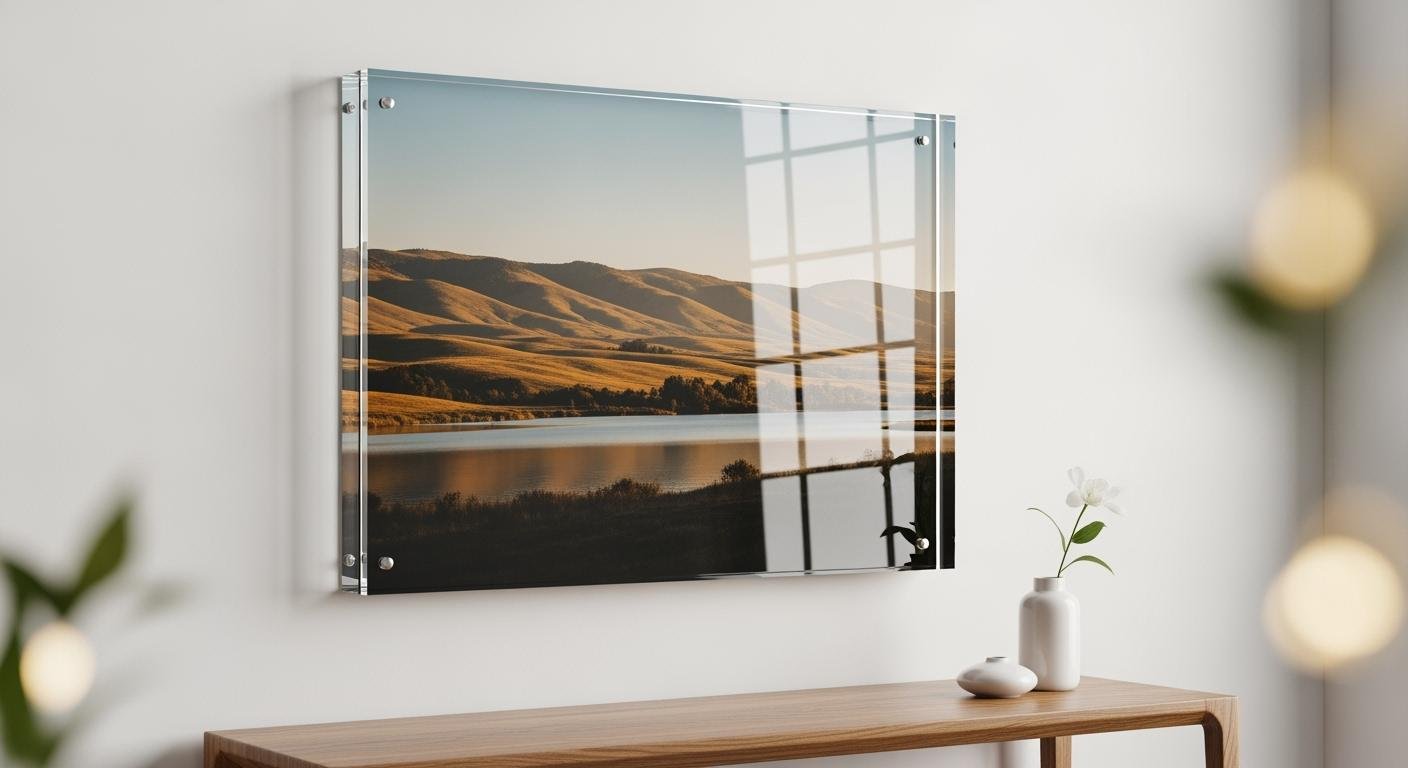
In 2026, acrylic is the superior material for most framing needs. It is no longer a simple substitute for glass. You must evaluate several key factors for your art and photographs.
Consider the durability, safety, and weight of different frames. The right acrylic protects your artwork better. Choosing modern acrylic glass frames ensures your memories are safe and beautifully displayed.
Durability and Safety: Why Acrylic Excels
When you protect your art, durability and safety are top priorities. Modern acrylic offers significant advantages over traditional glass in both areas. It provides peace of mind, especially in active households or areas prone to accidents.
Superior Shatter-Resistance
You will find that acrylic is much stronger than standard glass. In fact, it is 10 to 20 times more resistant to shattering. This superior strength makes acrylic an excellent choice for homes with children, pets, or for hanging art in high-traffic hallways. An accidental bump that would shatter a glass pane will likely leave an acrylic one completely intact. This impressive durability protects both your artwork and your family from the danger of broken shards.
The Advantage of Lightweight Design
The benefits of acrylic extend to its weight. A sheet of acrylic weighs less than half as much as a glass sheet of the same size. This offers you greater convenience. Lighter frames are much easier to hang, especially for large pieces. You will need less heavy-duty hardware. This weight difference also reduces shipping costs, a key factor when ordering frames online. The lightweight nature of acrylic makes handling and installing your frames a simpler, safer process.
Choosing Between Tempered Glass and Plexiglass
You might wonder how acrylic compares to toughened safety glass. “Plexiglas” is a popular brand name for acrylic. When choosing between tempered glass and plexiglass, safety is a key difference. Tempered glass is strong, but it shatters into many small, granular pieces upon a hard impact. Acrylic has a much higher impact resistance and is virtually unbreakable in a home setting.
Impact Strength Comparison The following table shows the impact strength of different materials. A higher number means greater strength.
Material Falling Ball Impact Strength (ft-lbs) 0.250″ thick plate glass 1.0 0.250″ thick tempered glass 15.5-29.1 0.250″ acrylic sheet 18.1
This data shows that acrylic glass frames offer strength comparable to tempered glass, making them a top choice for protecting your most valued memories.
Clarity and Protection for Your Artwork

Beyond durability, you want your art to look its best. The material covering your piece directly impacts its appearance and long-term preservation. Modern acrylic offers exceptional clarity and superior protection from damage caused by light.
Optical Clarity: A Clear Winner
You may have heard that acrylic yellows over time or looks cheap. This is a myth from the past. Today’s high-quality acrylic provides perfect optical clarity. Scientific analysis shows that clear acrylic has no color tint. Standard glass, however, often has a green tint from iron oxides inside it. This means your framed artwork will display truer, more vibrant colors behind acrylic. You get a crystal-clear view without any color distortion.
Advanced UV Protection with Acrylic for Picture Frames
Sunlight can permanently damage your art and photographs. Fading is irreversible. This is where conservation-grade acrylic for picture frames truly shines. While standard materials offer some defense, premium acrylic provides the best protection.
UV Protection Comparison The level of conservation varies greatly between materials. You should choose a glazing with at least 97% UV protection for proper conservation.
Material UV Rays Blocked Standard Glass ~45% Standard Clear Acrylic ~66% Conservation Clear Acrylic 99% Museum Glass 97%+
Choosing 99% UV-filtering acrylic is a crucial step for long-term conservation. It preserves the financial and emotional value of your art by preventing fading and keeping colors bright for generations. These quality frames ensure your memories are safe from light damage.
The Risk of Scratches vs. Fading
You should know that acrylic has one main weakness: it is softer than glass. On the Mohs hardness scale, acrylic scores a 3 while glass scores a 5.5. This means acrylic can scratch more easily. However, many modern acrylic glass frames come with advanced anti-scratch coatings that make the surface much more durable. You must decide which risk is worse: a potential scratch you can often avoid, or certain, irreversible fading from UV light. For most people, protecting art from fading is the higher priority. High-quality acrylic also reduces distracting glare, improving your viewing experience.
The Practical Decision: Glass vs Acrylic
You must weigh practical factors to make the right choice. The debate of glass vs acrylic involves cost, maintenance, and the specific needs of your artwork. Understanding these key differences will help you select the best protection.
Initial Cost vs. Long-Term Value
You will notice a price difference when you shop for frames. A standard 16×20 inch frame with regular glass might cost around $15. High-quality acrylic costs more upfront. For example, UV-filtering acrylic can range from $20 to $50 per square foot. Premium museum-grade acrylic represents an even larger investment.
However, the initial price does not tell the whole story. You should consider the long-term value. Choosing cheaper glazing can lead to hidden costs later. These costs far outweigh the initial savings.
The Hidden Costs of Poor Protection
- Fading and Damage: Light causes colors to dull and paper to become brittle. This damage is permanent.
- Restoration Fees: Fixing faded art is very expensive. The results are often imperfect.
- Loss of Value: Damaged artwork loses its financial worth. Collectors will not pay as much for a faded piece.
- Poor Viewing: Regular glass creates glare and reflections. You have to move around just to see the art clearly.
- Regret: Seeing a cherished memory or valuable piece of art deteriorate is a significant emotional cost.
Investing in quality acrylic is a smart decision. It prevents these problems and preserves the financial and sentimental value of your art for years to come.
Care and Maintenance Differences
Your cleaning routine will change depending on your choice between glass vs acrylic. Each material requires a different approach to keep it looking its best without causing damage. Using the wrong products on acrylic can ruin its surface.
| Feature | Cleaning Acrylic | Cleaning Glass |
|---|---|---|
| Best Cloth | Soft microfiber cloth | Soft, lint-free cloth |
| Recommended Cleaner | Mild soap and water, or a special acrylic cleaner like Brillianize or Novus #1. | A 1:4 mix of white vinegar and water, or a standard glass cleaner. |
| Products to Avoid | Ammonia-based cleaners (like Windex), alcohol, paper towels, and abrasive pads. | Paper towels (can leave fine scratches) and abrasive sponges. |
| Dusting Method | Always dust with a dry microfiber cloth before wiping to prevent scratches. | Dust first to remove loose particles. |
A Note on Static: Acrylic can build up a static charge, especially in dry, less humid conditions. This charge attracts dust. You can reduce this by using an anti-static acrylic cleaner. This keeps your acrylic glass frames cleaner for longer.
When Traditional Glass is Still an Option
Acrylic has many advantages, but it is not always the perfect choice. For certain types of art, traditional picture frame glass is still the better option. The main reason is static electricity.
The static charge from acrylic can be a major problem for artwork made with loose particles.
- Charcoal Drawings: The static can lift charcoal dust right off the paper.
- Pastel Art: Soft pastel particles are very sensitive and can be disturbed by a charged acrylic surface.
For these specific mediums, you should choose glass. Glass does not generate a strong static charge. It will keep your delicate charcoal and pastel art safe and undisturbed. If you must use acrylic for these pieces, you need to use an anti-static brush on the acrylic immediately after you remove its protective film. This step helps neutralize the charge and protect your art.
For most modern conservation needs, quality acrylic is the clear winner. Its safety and superior UV protection offer better long-term value than glass. Investing in quality acrylic glass frames is a smart choice for long-term conservation. To choose the right acrylic for your frames, consider these key points for your conservation:
- Do you need a lightweight, durable material like acrylic, or do you prefer glass?
- Is scratch resistance your top priority, or is protecting your art from fading more important?
- How much UV protection do you need for proper conservation?
FAQ
Is acrylic really better than glass?
For most situations, yes. You gain superior durability, lighter weight, and better UV protection. You should only choose glass for art with loose particles, like charcoal or pastels, to avoid issues with static electricity.
How do I clean my new acrylic frame? 🧼
You should use a soft microfiber cloth with mild soap and water. You can also use a cleaner made specifically for acrylic. Avoid ammonia-based cleaners like Windex and paper towels, as they can cause permanent scratches.
Will my acrylic frame turn yellow over time?
No, this is a common myth about older plastics. High-quality acrylic made today does not yellow. It offers excellent optical clarity and will remain crystal clear, ensuring your art’s colors stay true for many years.
Is expensive UV-filtering acrylic worth the cost?
Yes, you are making a wise investment. UV-filtering acrylic blocks harmful light that causes permanent fading. This protection preserves the financial and sentimental value of your artwork for generations, saving you from future regret and restoration costs.
See Also
Glass or Acrylic Coffee Tables: A Simple Guide to Your Choice
Discovering the Unique Appeal of Acrylic and Glass Coffee Tables
Top 10 Reasons: Why Acrylic Coffee Tables Enhance Your Living Room
Styling Your Modern Home: Chic Tips for Clear Acrylic Trays
The Trendsetter’s Choice: Why Acrylic Coffee Tables Are Popular Now

 Deutsch
  English
  Français
  Русский
  Español
  Português
  日本語
日本語