
Acrylic is a popular and cost-effective material. Its common applications show its widespread use.
- Window cabinets
- Picture frames
- Furniture
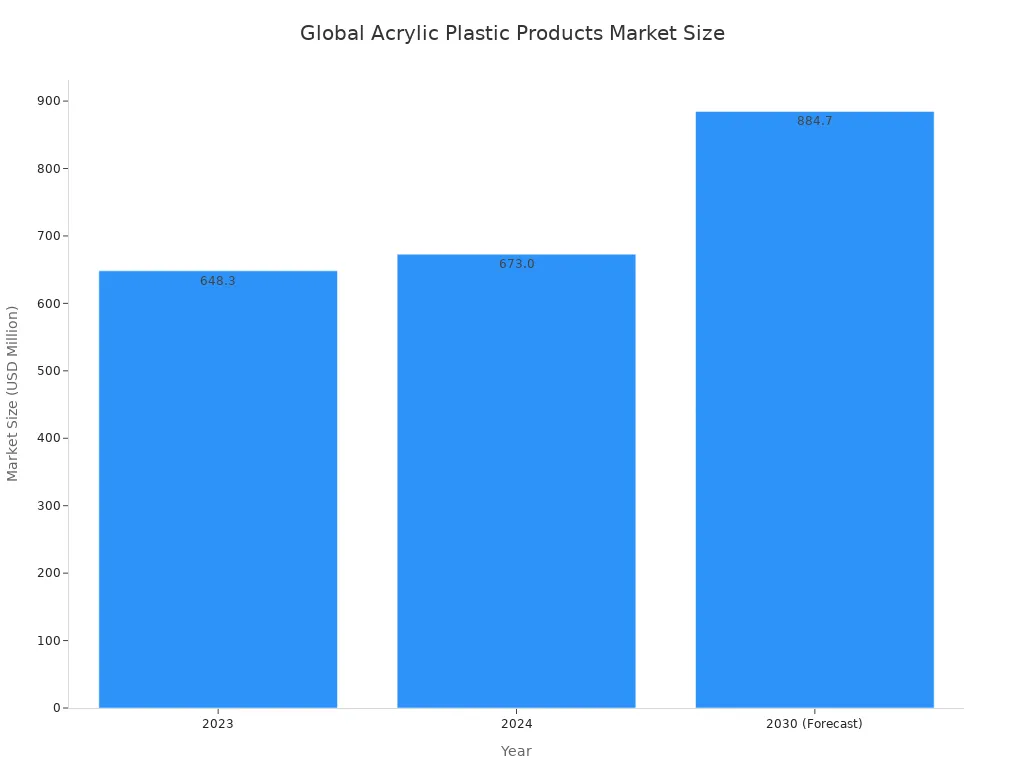
However, acrylic presents significant disadvantages. These issues create a major drawback for consumers, ranging from daily annoyances to more serious health risks. Despite these disadvantages and potential risks, the market for acrylic products shows steady growth.
The Major Drawback of Acrylic: Physical Fragility
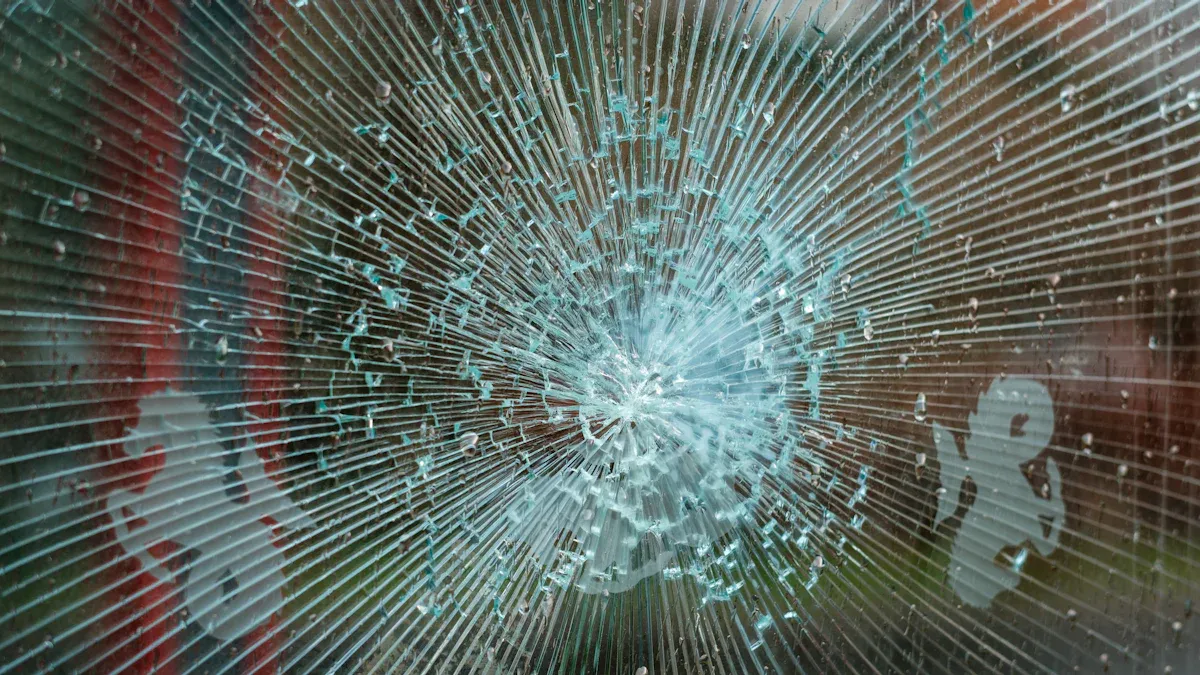
The primary appeal of acrylic is its glass-like clarity. However, a major drawback of the material is its physical fragility. This weakness presents several disadvantages in everyday use. The pristine surface of acrylic is surprisingly easy to compromise through scratches, heat, and impact.
Constant Threat of Scratches
The beautiful, clear surface of acrylic is highly susceptible to scratches. Even simple cleaning can cause permanent damage. Wiping an acrylic tabletop or display case with a paper towel, for instance, can create a network of fine scratches that dull the finish and reduce its transparency over time.
The material’s softness is quantifiable. On the Mohs scale of mineral hardness, acrylic scores lower than many materials it aims to replace.
| Material | Mohs Hardness |
|---|---|
| Acryl | 3.5–4.0 |
| Polycarbonate | 2.5–3.0 |
While acrylic is harder than polycarbonate, it is far softer than glass. This makes it vulnerable to abrasions from common objects.
Alert: Avoid Accidental Damage! 🚨 Many people unknowingly damage their acrylic products during cleaning. To maintain clarity, avoid these items:
- Paper Towels: Their fibers are abrasive and will scratch the surface.
- Ammonia-Based Cleaners (like Windex): These can cause hazing, cloudiness, or fine cracks.
- Abrasive Pads: Scouring sponges will ruin the finish.
Instead, always use a soft microfiber cloth with mild soap and water for safe cleaning.
Poor Heat and Chemical Resistance
Another one of the significant disadvantages of acrylic is its lower heat resistance. The material can warp or deform when placed near heat sources. An acrylic sheet used as a backsplash near a stovetop may bend. A picture frame left in direct, intense sunlight can also lose its shape. This lower heat resistance makes acrylic unsuitable for applications involving high temperatures.
Beyond heat, acrylic also has poor resistance to certain chemicals. Exposure to common household products can cause irreversible damage.
- Solvents like acetone (nail polish remover), rubbing alcohol, and paint thinner can dissolve or cloud the acrylic.
- Harsh Cleaners containing ammonia or bleach will degrade the surface, leading to discoloration and weakness.
This chemical sensitivity limits where and how people can use and clean acrylic items safely. The material’s lower heat resistance is a critical factor to consider before purchase.
Brittleness and Sharp Edges
While often marketed as impact-resistant, acrylic is fundamentally a brittle plastic compared to alternatives like polycarbonate. This brittleness creates a potential for cracking. The impact strength of different materials shows a clear distinction.
| Material | Izod Impact (notched, 23 °C) |
|---|---|
| Polycarbonate (PC) | 600–850 J/m |
| Acrylic (PMMA) | 15–25 J/m |
The data shows polycarbonate is exponentially stronger. While acrylic will not shatter into tiny, sharp shards like glass, it is prone to cracking under force. An impact that would merely dent polycarbonate can cause a large crack in an acrylic sheet. This major drawback means that for high-impact environments, acrylic may not be the safest or most durable choice.
Environmental and Health Concerns
Beyond its physical weaknesses, acrylic poses environmental and health risks. The material’s life cycle, from use to disposal, introduces problems that many consumers do not consider. These issues add another layer to the drawbacks of choosing acrylic for projects.
The Microplastic Shedding Problem
Everyday use of acrylic contributes to a growing environmental issue: microplastic pollution. Since acrylic is a type of plastic, simple actions can cause it to shed microscopic particles.
- Cleaning an acrylic surface can release tiny fibers.
- Cutting or sanding the material produces plastic dust.
- Normal wear and tear slowly breaks down the material.
These small particles can enter waterways and soil, creating long-term environmental risks. The accumulation of microplastics from sources like acrylic poses a threat to ecosystems. This shedding is one of the hidden risks of the material.
Degradation and Material Aging
Sunlight, specifically ultraviolet (UV) radiation, causes acrylic to degrade over time. UV-B rays affect the surface, while UV-A rays penetrate deeper, breaking down the polymer chains within the material. This process leads to several undesirable changes.
Did You Know? ☀️ UV radiation is powerful enough to cause chemical reactions and polymer weathering. Prolonged exposure to sunlight can make an acrylic sheet brittle in just 5 to 10 years.
This degradation results in visible yellowing and a loss of clarity. The lifespan of an acrylic product often depends on its UV resistance.
| Acrylic Type | Lifespan Before Yellowing |
|---|---|
| Standard Acrylic | 5 to 7 years |
| UV-resistant Acrylic | 10 to 15 years |
Over time, this exposure also reduces the material’s strength and flexibility. The once-durable acrylic becomes prone to cracking, diminishing its performance and appearance. These long-term degradation risks make it a less permanent solution for outdoor applications.
Beyond Sheets: Health Risks of Acrylic Nails
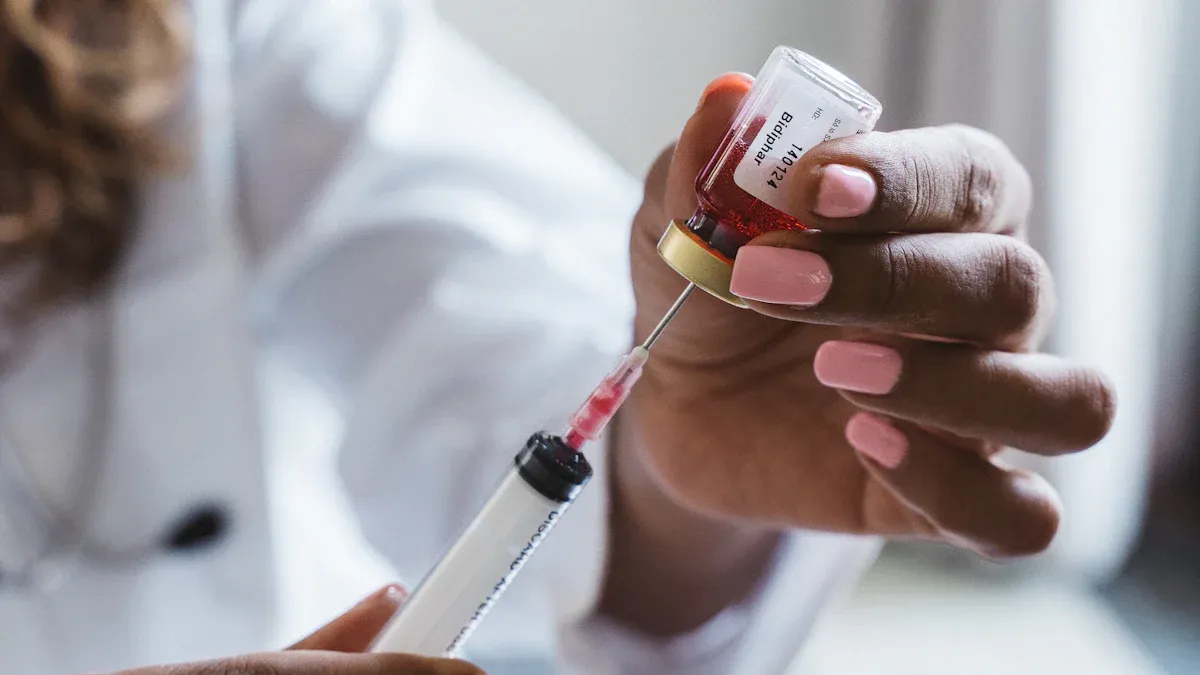
The appeal of long, perfect nails leads many people to choose acrylics. However, this cosmetic enhancement introduces significant health risks of acrylic nails. The process involves chemical exposure and physical stress that can harm both clients and technicians. Understanding the hidden dangers of acrylic nails is crucial before getting a set.
The Hidden Dangers of Acrylic Nails
The application of acrylic nails creates fumes from its chemical components. This chemical exposure poses several health risks. The liquid monomer used to form the acrylic is a primary concern. Two common types are Ethyl Methacrylate (EMA) and Methyl Methacrylate (MMA).
| Chemical | Beschreibung |
|---|---|
| EMA | Considered safer and approved for cosmetic use. It is more flexible and easier to remove. |
| MMA | Banned in many places due to health risks. It is very rigid and can cause severe allergic reactions and nail damage. |
Inhaling these fumes can lead to immediate and long-term problems. The risks from this chemical exposure include:
- Headaches and dizziness
- Skin irritation or dermatitis
- Nausea
- Respiratory issues like asthma
Beyond the chemical exposure risks, there is a high risk of infection. If the acrylic lifts from the natural nail, it creates a gap. Moisture can get trapped in this space, creating a perfect environment for fungal and bacterial infections to grow. These infections can cause discoloration and damage to the nails. The risk of infection is a serious consideration.
Damage to Your Natural Nails
The process of applying and removing acrylic nails can cause severe physical damage. The acrylic product itself is not the problem. The techniques used are the source of the nail damage.
The most significant nail damage comes from improper preparation and removal, not the acrylic itself. Over-filing and peeling off the product are the main culprits.
To prepare the nails, a technician often files the surface of the natural nail. Aggressive filing weakens the nail plate, leading to the thinning of natural nails. This makes the nails brittle and prone to breaking. This nail damage is often preventable with proper technique. The removal process presents more risks. Soaking the nails in acetone is the correct method. However, many people peel or pry off the acrylic, which rips off layers of the natural nail. This action causes extreme nail damage. These practices increase the chances of painful infections and long-term harm to the nails.
The disadvantages of acrylic range from its physical fragility to environmental and health risks. The true major drawback is not one single flaw but this combination of problems. Buyers must weigh these risks for their specific needs. While acrylic is cheaper, polycarbonate offers superior strength for high-impact uses. For other projects, sustainable alternatives like wood or bamboo provide an eco-friendly choice. Understanding this major drawback helps people make a smarter decision for their acrylic purchase.
FAQ
What are good alternatives to acrylic sheets?
Polycarbonate is a stronger alternative for high-impact uses. Glass offers superior scratch resistance. For a cost-effective and eco-friendly choice, people can consider materials like treated wood or bamboo. These alternatives provide different benefits depending on the project’s needs.
Are there safe alternatives to acrylics for nails?
Yes, there are safe alternatives to acrylics. People seeking non-toxic manicures have several good alternatives. These alternatives for nails include dip powder nails, gel nails, and press-on nails. Each of these alternatives offers a different look and feel for your nails.
What are the best alternatives for nails?
The best alternatives for nails depend on personal preference.
Dip powder nails are durable alternatives. Gel nails offer a glossy finish for nails. Press-on nails are great temporary alternatives for nails. All are popular alternatives to traditional acrylic nails. These alternatives can help protect your natural nails.
See Also
Your Comprehensive Handbook to Choosing and Using Acrylic Table Stands
Exploring Acrylic Risers: Understanding Their Design, Uses, and Benefits
Discovering Acrylic Aquariums: Their Unique Qualities and Practical Applications
Understanding Impact-Modified Acrylic: Properties, Characteristics, and Diverse Uses
Unveiling Premium Acrylic Stand Tables: A Deep Dive into Design and Materials

 Deutsch
  English
  Français
  Русский
  Español
  Português
  日本語
日本語