
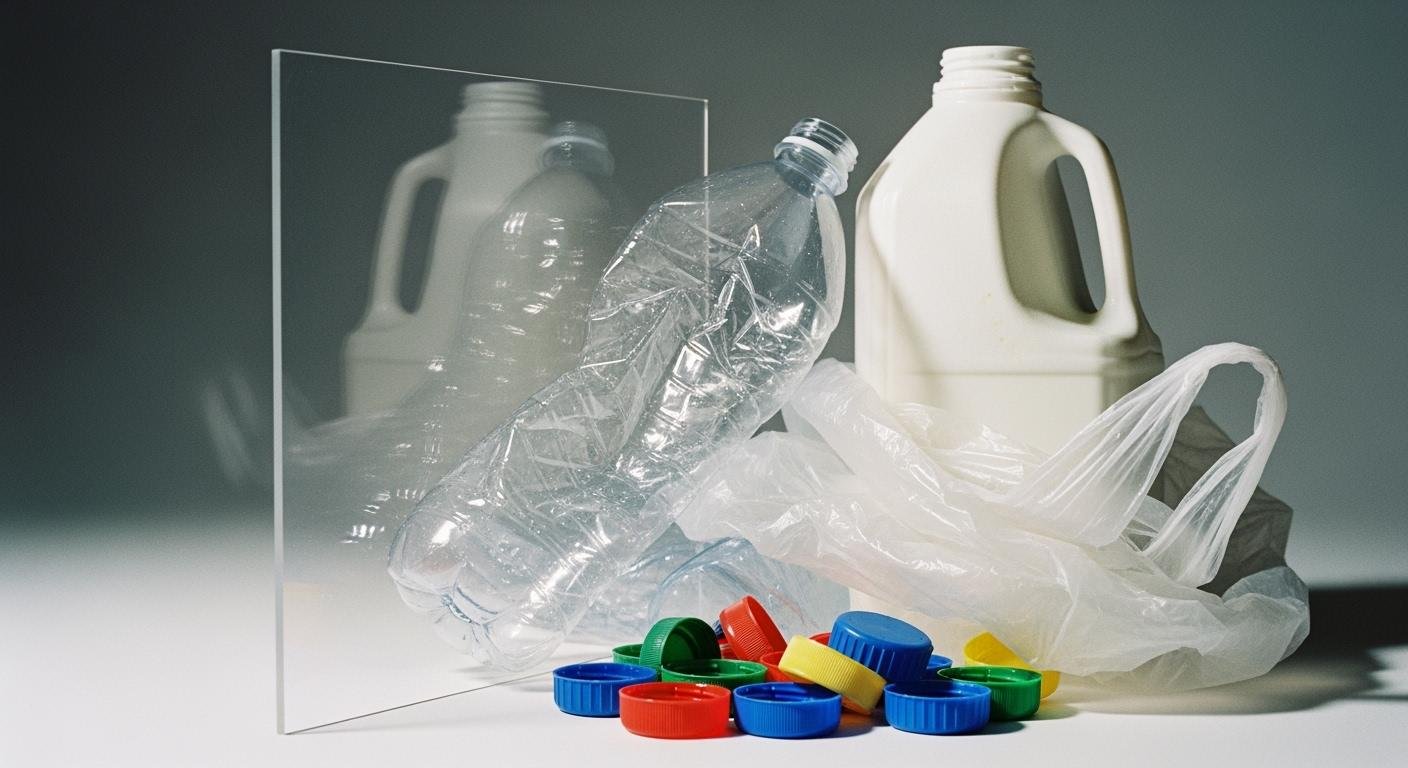
Is acrylic plastic just another plastic? The simple answer is yes, but acrylic is a high-performance material with unique qualities. The global market for this acrylic material is projected to grow significantly, showing its rising importance.
Understanding the acrylic vs plastic debate is key. It helps you choose the right material for projects needing excellent clarity and strength. This special plastic offers benefits that make acrylic a top choice.
What is Acrylic Plastic?
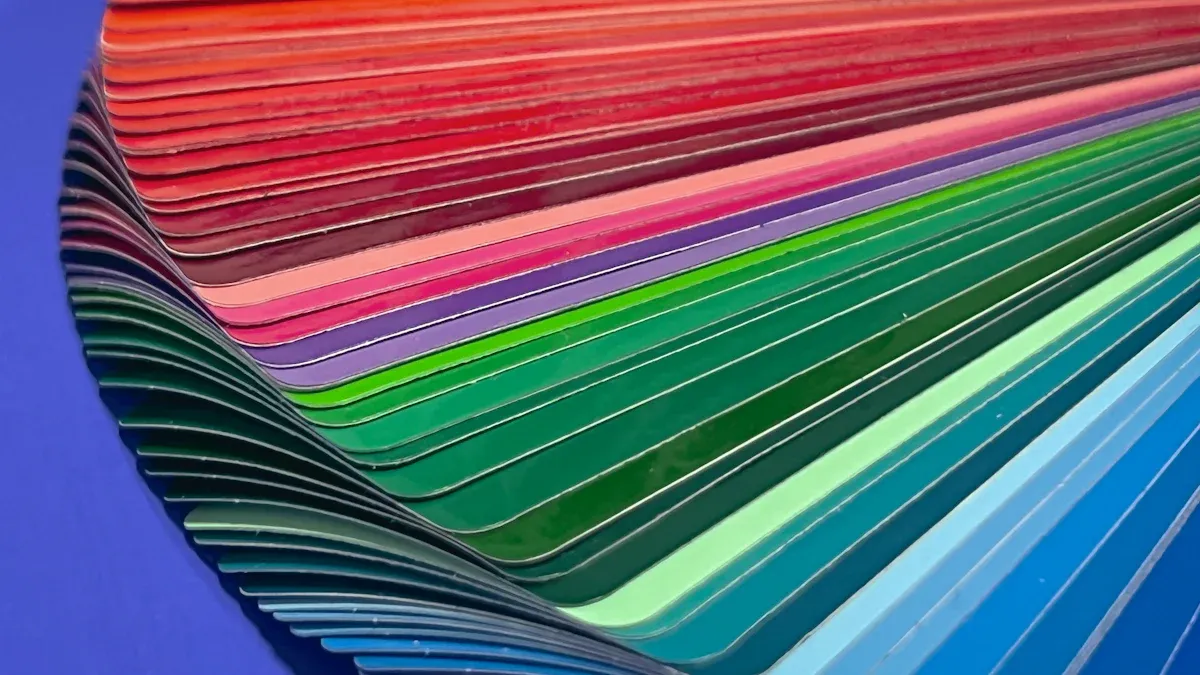
Acrylic plastic is a specific type of polymer known scientifically as Polymethyl Methacrylate (PMMA). This material is a petroleum-based, transparent thermoplastic. Its unique properties make it a standout choice in the world of plastics. The acrylic material is often called “acrylic glass” because of its excellent clarity.
The Science Behind PMMA
The science of acrylic is fascinating. PMMA is a vinyl polymer. Manufacturers create this polymer through a process called free-radical polymerization. This process links smaller molecules, called monomers, into long polymer chains.
The chemical formula for this polymer is (C₅H₈O₂). It is made from repeating units of the methyl methacrylate monomer. This structure gives acrylic its strength and transparency.
This acrylic material becomes soft and moldable when heated above its glass transition temperature of about 107°C. It then solidifies upon cooling. This ability to be reshaped makes the material very versatile for manufacturing. The strong bonds in the polymer chain make acrylic a durable choice.
Common Trade Names
You have likely seen acrylic without realizing it. Many companies sell this polymer under different brand names. These names are well-known in various industries. Knowing them helps you identify the same core material.
- Plexiglas®: This is one of the most famous names for acrylic. The Plexiglas brand first entered the market in 1933. It was later introduced as transparent sheets in 1936.
- Lucite®: Another popular brand, Lucite is used for many products. You can find it in furniture, automotive headlight covers, and even modern retail signs.
- Other Names: Other major producers like Arkema Group and BASF SE also manufacture this popular polymer. You might also see names like Acrylite® or Perspex®.
All these products are forms of acrylic. They share the same fundamental polymer chemistry. The specific manufacturing process may change some properties, but they are all part of the same acrylic plastic family.
The Benefits of Acrylic

Acrylic stands out in the world of plastics because of its unique combination of properties. This acrylic material offers advantages that make it a top choice for many different applications, from creative projects to industrial parts. Its benefits are clear, strong, and long-lasting.
Superior Optical Clarity
One of the most famous features of acrylic is its incredible transparency. High-quality clear acrylic plastic allows up to 92% of visible light to pass through it. This makes it a highly transparent material, even clearer than standard glass. For special uses like LED lighting, this high light transmission of 92-93% ensures bright and even illumination. Even colored or translucent acrylic performs well. For example, a nearly opaque white cast acrylic still permits 71% light transmission.
This material is not just clear; it is also brilliant. The refractive index of a material measures how much it bends light. A lower refractive index often results in less glare and higher clarity.
| Material | Refractive Index |
|---|---|
| Acryl | 1.49 |
| Standard Glass | 1.58 |
Lightweight Advantage: Acrylic has a density of about 1.19 g/cm³, while glass is more than twice as dense at 2.5 g/cm³. This means an acrylic sheet is less than half the weight of a glass sheet of the same size, making it much easier to handle and install.
Durability and Strength
Acrylic is much tougher than it looks. While it has the beauty of glass, it possesses far greater strength. This acrylic plastic is 10 to 20 times more resistant to impact than conventional plate glass. If a strong force hits it, acrylic is much less likely to shatter. The difference in impact strength is significant.
| Material | Falling Ball Impact Strength (ft-lbs) |
|---|---|
| 0.250″ thick plate glass | 1.0 |
| 0.250″ acrylic sheet | 18.1 |
This durability comes from its internal strength. Acrylic has a high tensile strength of around 70 MPa (10,000 psi), meaning it can resist strong pulling forces. It also has an impressive flexural strength of about 110-115 MPa (16,000 psi), so it can withstand significant bending before breaking. Furthermore, acrylic has a hard surface. It scores around M-90 to M-100 on the Rockwell hardness scale. This makes it more scratch-resistant than other clear plastics like polycarbonate.
Excellent Weather Resistance
The acrylic material performs exceptionally well outdoors. Its natural resistance to ultraviolet (UV) light from the sun is a major benefit. Unlike some other types of plastic that can turn yellow and become brittle over time, acrylic maintains its clarity and strength for years.
This makes it an ideal material for outdoor signs, windows, and architectural features. A standard outdoor acrylic sign can last 5 to 10 years before showing any major yellowing. High-quality, UV-resistant acrylic can last even longer, often for 10 to 15 years. This excellent weather resistance ensures a long and useful life for products made from acrylic.
Acrylic vs Plastic: Key Comparisons
Understanding the benefits of acrylic is one thing. Seeing how it compares to other common plastics shows its true value. The acrylic vs plastic comparison is important for any project. Let’s look at how acrylic stacks up against two popular alternatives: polystyrene and polycarbonate.
Acrylic vs. Polystyrene
Polystyrene is a very common and inexpensive plastic. You see it in disposable cups, packaging materials, and cheap display stands. While it can be clear, it does not match the quality of acrylic.
The biggest difference is in strength and durability. Acrylic is a much stronger material. Polystyrene is brittle and can crack or shatter easily. The tensile strength, which measures how much a material can be pulled before breaking, shows this clearly.
| Polymer | Ultimate Tensile Strength (MPa) |
|---|---|
| Acryl | ~70 MPa |
| Polystyrene | ~40 MPa |
Acrylic also offers superior clarity. A clear acrylic sheet allows about 92% of light to pass through. General-purpose polystyrene only transmits around 85% of light and can look cloudy. Over time, polystyrene also turns yellow much faster than acrylic, especially when exposed to light.
Cost is the main advantage of polystyrene. A polystyrene sheet can cost as little as $2 per square foot. An acrylic sheet of the same size starts at around $15 per square foot.
💡 Quick Tip: Choose acrylic for projects that need to be clear, strong, and long-lasting. Choose polystyrene only for low-cost, temporary applications where durability and optical quality are not important.
Acrylic vs. Polycarbonate
The acrylic vs plastic debate gets more interesting when comparing it to polycarbonate. Polycarbonate is another high-performance plastic, known for its incredible strength.
The primary advantage of polycarbonate is its impact resistance. It is virtually unbreakable. This makes it the material of choice for applications like bullet-resistant barriers, safety glasses, and riot shields. The difference in impact strength is massive.
| Material | Izod Impact Strength (ft-lb/in) |
|---|---|
| Polycarbonate | 12.0 – 18.0 |
| Acryl | 0.4 |
However, acrylic has several key advantages over polycarbonate.
- Clarity and Appearance: Acrylic is clearer, allowing 92% light transmission compared to polycarbonate’s 88%. It has a glossier finish and looks more like glass.
- Scratch Resistance: The surface of acrylic is harder than polycarbonate. This makes the acrylic plastic more resistant to everyday scratches and scuffs.
- UV-Beständigkeit: Standard acrylic naturally resists yellowing from UV light. Standard polycarbonate does not have this property and requires a special UV-protective coating for outdoor use to prevent it from turning yellow.
- Cost: Acrylic is generally the more affordable option. Polycarbonate can cost 35% or more than a comparable sheet of acrylic due to its higher production costs.
Decision Guide: Choose polycarbonate when you need extreme impact strength above all else. For most other applications requiring excellent clarity, better scratch resistance, and a lower cost, acrylic is the superior choice.
The acrylic vs plastic debate shows that not all plastics are the same. While acrylic plastic is technically a plastic, its unique qualities set it apart. This acrylic material offers a premium combination of glass-like clarity, high impact strength, and excellent scratch resistance. These benefits make acrylic a top material for demanding jobs like architectural glazing and large aquariums. The acrylic material is a specialized, high-value choice in the diverse family of plastics.
Ultimately, acrylic is far more than just another plastic. It is a high-performance material that delivers both beauty and durability.
FAQ
How do you cut an acrylic sheet?
You can cut a thin acrylic sheet with a scoring knife. A saw with a fine-toothed blade works best for a thicker sheet. Always wear safety glasses for protection. This ensures a clean cut and keeps you safe.
Can you recycle acrylic plastic?
Yes, acrylic is recyclable. The recycling process breaks it down into its raw material for reuse. This type of recycling helps reduce waste and conserve resources, making it a more sustainable choice.
How should I clean an acrylic sheet?
Cleaning an acrylic sheet is simple. Follow these easy steps for the best results.
- Use a soft cloth with mild soap and water.
- Avoid harsh chemicals like ammonia or alcohol.
- Do not use abrasive pads that can scratch the sheet.
Is one acrylic sheet the same as another?
No, there are two main types. A cast acrylic sheet offers higher strength and clarity. An extruded acrylic sheet is a more affordable option. The best sheet for your project depends on your specific needs and budget.
See Also
Acrylic Aquariums: Understanding Their Definition, Features, and Diverse Applications
Acrylic (PMMA): Exploring Its Definition, Unique Properties, and Uses
Acrylic Blocks: Unveiling Their Definition, Key Features, and Practical Applications
Recycled Acrylic (r-PMMA): Definition, Manufacturing Process, and Applications
Impact-Modified Acrylic: Definition, Enhanced Features, and Versatile Applications

 Deutsch
  English
  Français
  Русский
  Español
  Português
  日本語
日本語