

Acrylic frames offer clear benefits. They are lightweight and resist shattering, making them a popular choice. However, these advantages come with significant drawbacks. People often overlook the disadvantages of using acrylic for displaying art or photos.
Key Drawbacks to Consider:
- Susceptibility to scratching
- Static buildup attracting dust
- Risk of discoloration
- Environmental impact
- High cost for quality versions
1. Prone to Scratches and Scuffs
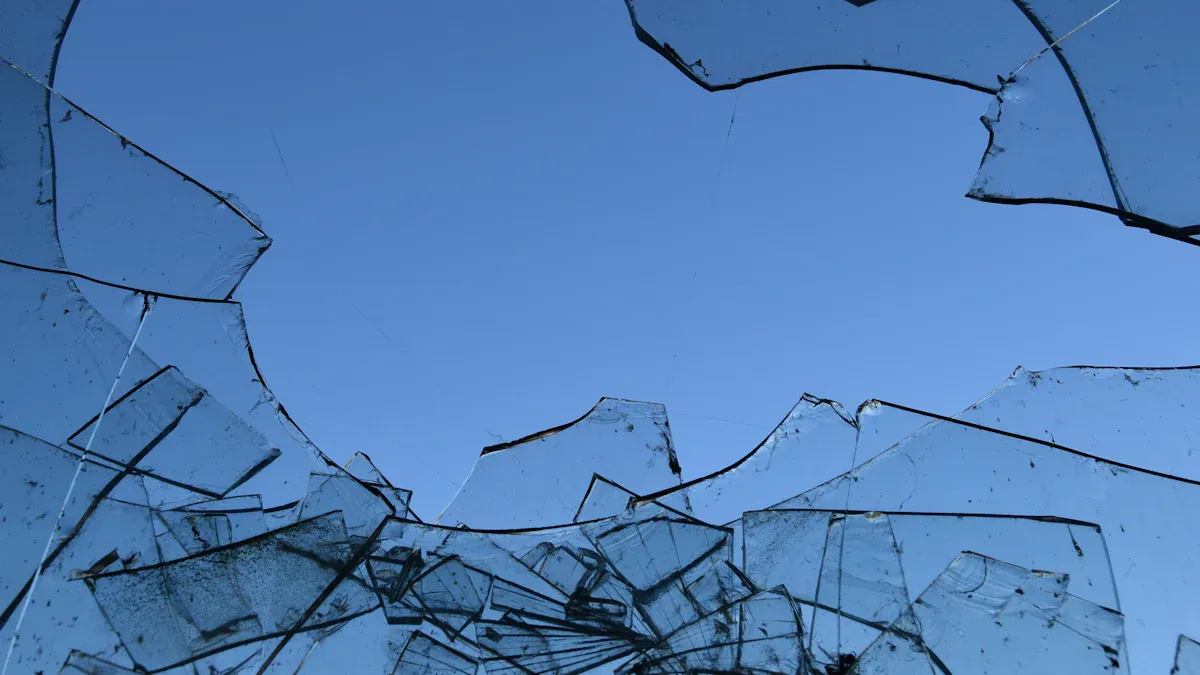
One of the most significant drawbacks of acrylic frames is their vulnerability to surface damage. While lightweight, the material itself lacks the durability of traditional glass, making it susceptible to permanent marks from everyday handling.
The Soft Surface Problem
The core issue lies in the material’s inherent softness. People often assume acrylic is as tough as it is clear, but it has very low scratch resistance. Scientists measure material hardness on the Mohs scale. A higher number indicates a harder, more scratch-resistant surface. The difference between glass and acrylic is substantial.
| Material | Mohs Hardness |
|---|---|
| Standard Glass | ~6 |
| Acryl (Plexiglas) | ~3 |
This data shows that glass is about twice as hard as acrylic. This softness means that contact with many common objects can easily mar the frame’s surface.
The Permanence of Scratches
Once an acrylic frame gets a deep scratch, the damage is almost always permanent. Unlike minor scuffs on wood that can be polished out, a gouge in plastic permanently obstructs the view of the artwork inside. These distracting marks are easy to create. Common activities that cause irreversible damage include:
- Wiping away small dust particles, which act like sandpaper.
- Bumping the frame against a wall, furniture, or even a zipper on a jacket.
- Using improper cleaning supplies that are too abrasive for the surface.
How Cleaning Causes Damage
Ironically, the simple act of cleaning is a primary cause of scratches. Many people grab a paper towel or a standard cleaning cloth to wipe away dust, but these materials are too rough for acrylic. They create a web of tiny “micro-scratches” that dull the surface over time and reduce its clarity. Good scratch resistance requires careful maintenance.
⚠️ Cleaning Warning Never use abrasive pads or common household cleaners on an acrylic frame. Items like Dobi Pads, Magic Erasers, and even some rough microfiber cloths will cause fine swirls and scratches, permanently damaging the viewing surface. Always use a soft, dedicated plastic-safe cloth.
2. Key Disadvantages of Static Buildup
Beyond scratches, acrylic frames present another persistent issue: static electricity. This invisible force creates several practical problems for displaying and maintaining artwork, turning a seemingly simple frame into a high-maintenance item.
A Magnet for Dust and Hair
Acrylic surfaces naturally build an electrostatic charge. This charge acts like a magnet, actively pulling in airborne particles. While glass can also develop some static, the effect is much more pronounced with acrylic. The frame’s surface will quickly attract and hold onto:
- Household dust
- Lint from clothing or carpets
- Pet hair and dander
This magnetic quality means an acrylic frame looks dirty much faster than a glass one, detracting from the art it is meant to showcase.
Constant, Careful Cleaning Required
The constant attraction of dust necessitates more frequent cleaning. This chore is complicated by the material’s softness, as mentioned in the previous section. Users must clean often but also very carefully to avoid causing micro-scratches. Wiping with a dry cloth only makes the static problem worse, creating an even stronger charge. Proper maintenance requires specific tools and techniques.
Pro Tip: Reducing Static To clean the surface and minimize static, people should use anti-static cleaners specifically made for plastics, such as Novus or Staticide®. Alternatively, lightly wiping the surface with a soft, damp chamois or a dryer sheet can help neutralize the charge temporarily.
Risk of Damage to Artwork
The most serious of the static-related disadvantages involves the artwork itself. The electrostatic charge is strong enough to physically lift loose particles from the surface of delicate media. This can cause irreversible damage to certain types of art. The static field can pull pigment directly off the paper, leaving faded spots or smudges.
🖼️ Art Preservation Alert The static charge from an acrylic sheet poses a significant threat to unfixed, powdery media. This includes:
- Charcoal drawings
- Soft pastel paintings
- Graphite sketches
The pull can dislodge the art material, permanently altering the piece. For these media, anti-static acrylic or traditional glass is a much safer choice.
3. Risk of Discoloration and Fading
A frame should preserve and enhance artwork, but an acrylic frame can degrade over time. Exposure to environmental factors like sunlight and humidity can cause permanent damage to both the frame and the art inside. This makes it a risky choice for long-term display.
Yellowing from UV Exposure
Sunlight is a major enemy of standard acrylic. Ultraviolet (UV) radiation triggers a chemical breakdown in the material that results in an unattractive yellow tint. This process of yellowing happens in several stages.
- Photon Absorption: UV light rays from the sun penetrate the acrylic.
- Bond Breaking: The energy from the light breaks the plastic’s molecular chains.
- Free Radical Formation: This process creates unstable, reactive particles.
- Oxidation: These particles react with oxygen in the air.
- Chromophore Development: The new oxidized material absorbs light differently, making the plastic appear yellow.
This degradation is not a distant problem. A lower-quality acrylic sheet can show visible discoloration relatively quickly, especially in sunny locations.
- In regions with high UV exposure, noticeable yellowing can occur within 5–7 years.
- Even in general outdoor conditions, the lifespan is often just 5–10 years before the material loses its clarity.
Inadequate UV Protection
Beyond damaging the frame itself, UV rays pose a direct threat to the artwork. A primary function of frame glazing is to block these harmful rays. Standard acrylic offers poor protection compared to other options. It typically blocks only about 66% of UV light. In contrast, conservation-grade glass blocks 99% of UV rays, providing far superior protection for valuable photos and art. This gap in protection means that artwork behind standard acrylic will fade and degrade much faster.
Moisture Permeability Issues
Acrylic is more porous than glass, meaning it allows tiny amounts of water vapor to pass through it. In humid environments, this permeability becomes a significant disadvantage. Moisture can slowly seep into the frame enclosure over time. This trapped humidity creates an ideal environment for mold and mildew to grow directly on the artwork or matting. It can also cause photographs to ripple or stick to the glazing, causing irreversible damage.
4. Environmental and Sustainability Concerns
The lifecycle of an acrylic frame raises important questions about its impact on the planet. From its creation to its disposal, the material presents several environmental drawbacks that consumers should consider.
A Petroleum-Based Plastic
The environmental story of an acrylic frame begins with its source. The material is not natural; it is a synthetic plastic derived directly from fossil fuels.
What is Acrylic? Acrylic, also known as PMMA, is a thermoplastic. Manufacturers create it from petroleum, which is a non-renewable resource. This means its production depends on drilling for oil, a process with its own significant environmental costs.
This reliance on fossil fuels makes the material inherently unsustainable. Unlike wood or metal frames that can come from renewable or highly recyclable sources, the core component of an acrylic frame is finite.
The Carbon Footprint
Creating the clear sheets for frames is an energy-intensive process. This manufacturing has a notable carbon footprint, contributing to greenhouse gas emissions. The key environmental costs include:
- High Energy Use: The chemical reactions to produce the plastic require large amounts of heat and pressure.
- Greenhouse Gas Emissions: The process releases carbon dioxide and other pollutants into the atmosphere.
- Transportation Impact: Shipping the raw materials and finished products around the world adds to the overall fossil fuel consumption.
Each step in its production adds to its negative environmental impact before it ever reaches a store shelf.
Challenges in Recycling
Many people assume that all plastics are easily recyclable, but this is not true for this material. While technically recyclable, the infrastructure to do so is extremely limited.
Globally, the recycling rate is very low. Only an estimated 10% of the material produced each year is successfully recycled. This is because it cannot be mixed with common household plastics like PET (bottles) or HDPE (jugs). It requires separate collection and specialized facilities that are not widely available to the public.
♻️ Recycling Reality Most municipal recycling programs do not accept acrylic products. As a result, the vast majority of these frames end up in landfills, where they will persist for hundreds of years without breaking down.
5. The Hidden Cost of Quality
Many people choose acrylic frames believing they are a budget-friendly alternative to glass. While this can be true for basic products, the price quickly rises when adding features needed to protect artwork and improve the viewing experience. The true cost of a high-quality acrylic frame is often surprisingly high.
Basic vs. Premium Pricing
At the entry level, a standard acrylic sheet is sometimes less expensive than a comparable sheet of standard glass. The lower material and shipping costs give it an initial price advantage. This low price point, however, usually applies to a lower-quality acrylic that comes with all the disadvantages previously mentioned.
A basic cost comparison shows the small initial difference:
| Material | Approximate Cost per Square Foot |
|---|---|
| Standard Float Glass | $5 to $10 |
| Standard Acrylic Sheet | $3 to $8 |
This small saving disappears when buyers need features beyond basic transparency. The price for specialty versions of the material increases sharply.
The Expense of UV Protection
Standard acrylic offers poor protection from the sun’s damaging ultraviolet rays. To properly preserve artwork and prevent fading, a frame needs UV-filtering glazing. UV-protective acrylic is available, but it comes at a premium price. This necessary upgrade can make the frame significantly more expensive than standard glass and can even approach the cost of conservation-grade UV-filtering glass. This added expense is essential for anyone framing valuable or sentimental pieces.
Anti-Glare and Scratch-Resistance Costs
Two of the biggest complaints about acrylic are its high reflectivity and its softness. Manufacturers offer solutions, but these features add another layer of cost.
- Anti-Glare Finish: Adding a matte finish to reduce distracting reflections can increase the material’s price by 5% to 10%.
- Scratch-Resistant Coating: Improving the poor scratch resistance requires a special hard coat, which can raise the cost by an additional 10% to 30%.
💰 The Cost Adds Up A single sheet of acrylic with both UV protection and anti-scratch coatings can easily cost two to three times more than a basic sheet. This turns a supposedly cheap option into a premium investment.
Acrylic frames have clear drawbacks. They scratch easily, attract dust with static, can yellow over time, impact the environment, and become expensive with added features. These disadvantages make them less ideal for preserving high-quality art long-term. However, acrylic is still the best choice in certain situations.
When to Choose Acrylic Experts recommend acrylic for:
- High-traffic areas where safety from breakage is a concern.
- Valuable art or photos that need shatter-resistant protection.
- Outdoor displays that face the elements.
Ultimately, people should weigh these specific disadvantages against the benefits to make a confident and informed decision for their artwork.
FAQ
How can people prevent scratches on an acrylic frame?
People prevent scratches by using a soft, plastic-safe cloth for cleaning. They should avoid paper towels and abrasive household cleaners. Careful handling is also important. Keeping the frame away from sharp objects helps maintain a clear surface.
Is acrylic always cheaper than glass?
No. Basic acrylic sheets can be cheaper than glass. However, the price rises quickly when adding necessary features.
💰 Premium Costs Acrylic with UV protection and anti-scratch coatings often costs much more than standard conservation glass, making it a premium choice.
Does all acrylic turn yellow over time?
Not all acrylic yellows. Standard, lower-quality acrylic can yellow from sun exposure. Manufacturers create UV-resistant acrylic to prevent this discoloration. This premium version maintains its clarity for many years, even in sunny locations.
Why does an acrylic frame attract so much dust?
An acrylic surface naturally builds an electrostatic charge. This static field acts like a magnet. It actively pulls airborne particles like dust, lint, and pet hair onto the frame, requiring more frequent cleaning.
See Also
Top 10 Benefits: Acrylic Coffee Tables for Your Living Space
Exploring Premium Acrylic Stand Tables: Design and Material Insights
Acrylic Risers Explained: Definition, Key Features, and Practical Uses
Understanding Acrylic (PMMA): Definition, Properties, and Diverse Applications
Acrylic Blocks Unveiled: Definition, Distinctive Features, and Many Uses

 Deutsch
  English
  Français
  Русский
  Español
  Português
  日本語
日本語