
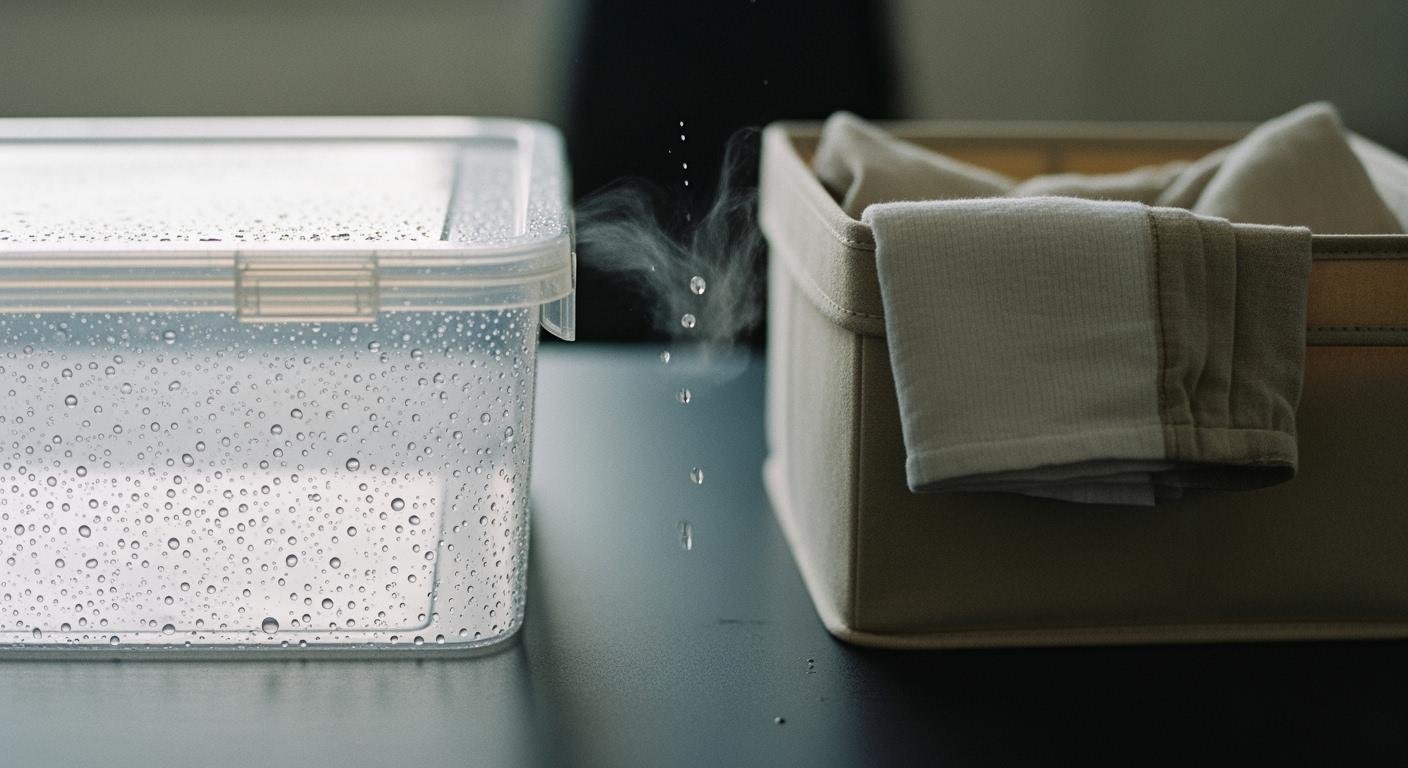
If you want the best moisture protection for your belongings, plastic storage boxes win every time. Plastic keeps water out, so your things stay dry, even in places like basements, garages, or outdoors where rain and humidity are a problem. People use these boxes for patio cushions, camping gear, and even at construction sites. When you look at plastic vs. fabric, plastic stands up to wet conditions far better. You get peace of mind knowing your storage is safe.
Plastic vs. Fabric: Moisture Protection
Plastic Storage Boxes and Water Resistance
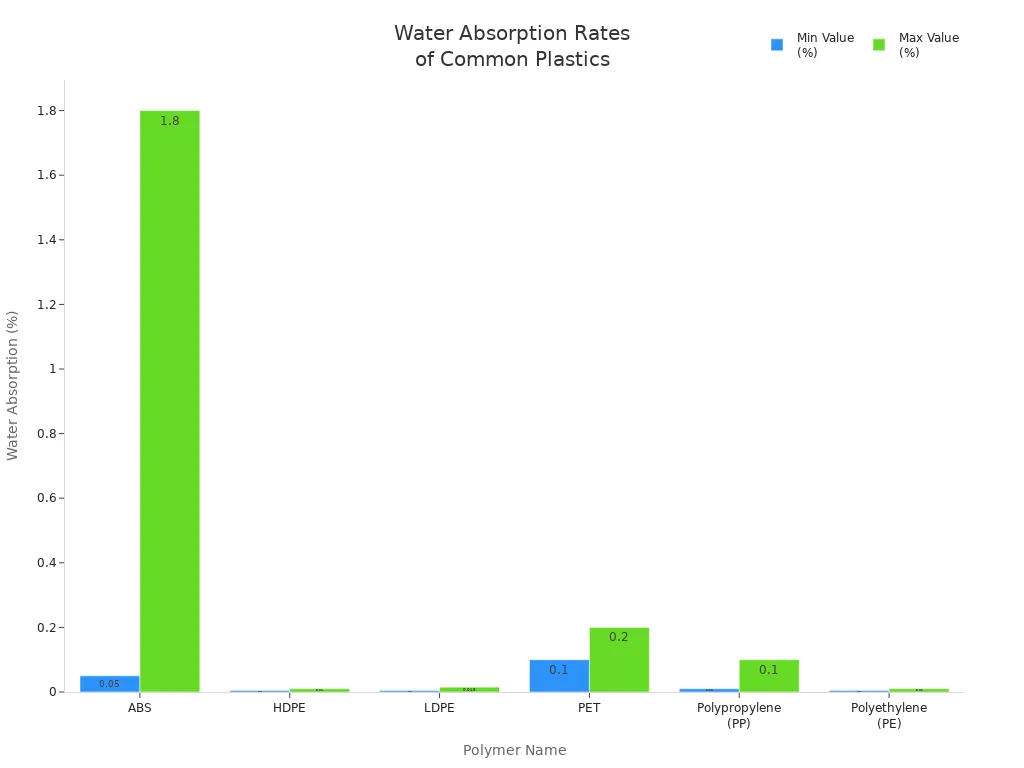
When you compare plastic vs. fabric, you see right away that plastic storage boxes offer good protection against water. Most plastic boxes use materials like HDPE, LDPE, or polypropylene. These plastics barely absorb water, so your items stay dry even if the air is damp or there is a spill. Take a look at this table to see how little water these plastics take in:
| Polymer Name | Min Value(%) | Max Value(%) |
|---|---|---|
| ABS | 0.05 | 1.80 |
| HDPE | 0.005 | 0.01 |
| LDPE | 0.005 | 0.015 |
| PET | 0.1 | 0.2 |
| Polypropylene (PP) | 0.01 | 0.1 |
| Polyethylene (PE) | 0.005 | 0.01 |
You get even better protection when you use boxes with airtight seals. These seals keep out moisture and stop air from getting in or out. Here’s what makes airtight plastic boxes stand out:
- They block moisture from entering, so your things stay dry.
- They help prevent mold and keep your items in good shape.
- Tight lids make the protection even stronger and help your boxes last longer.
If you want good protection for your stuff in wet places, plastic is the clear winner.
Fabric Storage Boxes in Humid Conditions
Now, let’s look at fabric storage boxes. When you use fabric in a humid place, the fibers can soak up water from the air. This can make the fabric swell and lose its shape. Some fabrics, like cotton and wool, take in a lot of moisture. You might not even notice at first, but over time, this can lead to mold or mildew. Polyester and nylon do a little better, but they still can’t match plastic for moisture protection.
Here’s a quick guide to common materials in fabric storage boxes and how they handle moisture:
| Material | Moisture Resistance Characteristics | Pros and Cons |
|---|---|---|
| Polyester | Highly durable, wrinkle-resistant, and easy to maintain. Retains color well. | Pros: Affordable, strong, eco-friendly options available. Cons: May develop pills under extreme use. |
| Cotton | Natural fiber, flexible, and strong but susceptible to wrinkling and fading over time. | Pros: Non-allergenic, can be dyed easily. Cons: Environmental concerns in production. |
| Nylon | Dries quickly, resists mildew, and retains shape. | Pros: Very strong, non-absorbent. Cons: Color bleeding possible, not environmentally friendly. |
| Jute | Strength decreases when wet, retains moisture and odors. | Pros: Biodegradable, affordable. Cons: Difficult to clean, color changes in sunlight. |
| Mesh | Lightweight and breathable, dries quickly. | Pros: Soft, easy to care for. Cons: Requires special care, may retain odors. |
| Non-woven | Flexible and strong, antibacterial properties. | Pros: Non-toxic, soft. Cons: Lower strength compared to woven fabrics. |
If you need storage in a humid area, fabric boxes can work for light items or short-term use. For long-term protection, though, plastic vs. fabric is no contest—plastic wins.
Moisture in Basements and Closets
Basements and closets often have moisture problems. You might notice a musty smell, see mold on the walls, or find your boxes feel damp. Here are some common issues you face in these spaces:
- Not enough airflow, so air gets stale.
- Leaks from pipes or outside walls.
- High humidity, especially in some parts of the country.
Tip: If you store things in a basement or closet, always check for signs of dampness or mold before you put your boxes away.
Plastic vs. fabric makes a big difference here. Plastic storage boxes keep out moisture and protect your things from changing temperatures and humidity. They resist cracking and warping, even when you stack them or move them around. Fabric storage boxes, on the other hand, can soak up moisture and start to smell or even fall apart over time.
Here’s a quick look at how each type handles these tough spots:
| Material Type | Humidity Control | Temperature Fluctuation Impact | Condensation Risk |
|---|---|---|---|
| Non-woven Polypropylene | ±3% | Moderate | Low |
| Sealed Plastic | ±18% | High | High |
You see, plastic vs. fabric is not just about looks or price. It’s about real protection for your things. If you want your storage to last and keep your items safe, plastic storage boxes give you the best performance in basements, closets, and anywhere moisture is a problem.
Durability and Longevity of Storage Boxes
Plastic Storage Boxes Over Time
When you want storage that lasts, plastic boxes give you a clear advantage. You can use them in damp basements, garages, or even outside. Most plastic storage boxes keep their shape and strength for years, even when you move them around a lot. Take a look at how long these boxes usually last:
| Material | Average Lifespan |
|---|---|
| Fabric Bins | 1–2 years |
| Plastic Storage Boxes | 5–10+ years |
You see, plastic storage boxes often last five to ten years or more. That means you do not have to replace them as often, which saves you money and time. If you want long-term durability, plastic is a smart choice.
Repeated exposure to water, especially if the bin is not allowed to drain or dry properly, can lead to material degradation, resulting in warping.
So, if you use plastic storage in a wet area, make sure you let the boxes dry out sometimes. This helps keep their durability strong.
Fabric Storage Boxes and Wear
Fabric storage boxes look nice and feel soft, but they do not hold up as well in damp places. You might notice the fabric starts to sag or lose its shape after a year or two. If you use them in a closet or bedroom, they can last longer. In a basement or laundry room, though, fabric bins wear out fast. They can tear, fade, or even grow mold if they get wet too often. You should use fabric storage for light items and dry spaces.
Mold, Mildew, and Odor Issues
Both plastic and fabric storage boxes can have problems with mold and mildew, but fabric is much more at risk. Fabric absorbs moisture, so it can start to smell musty or even grow spots of mold. Plastic does not soak up water, so it is easier to wipe clean and keep fresh. If you want to avoid odors and keep your things safe, choose storage that matches your space and needs.
Maintenance and Cleaning Tips
Cleaning Plastic Storage Boxes
You want your storage boxes to last and keep your things safe. Cleaning plastic boxes is easy if you know what works best. If you spot mold or mildew, you can use different cleaning methods. Here’s a quick guide:
| Cleaning Method | Effectiveness | Safety Considerations |
|---|---|---|
| Bleach | Great for removing stains but may discolor plastic | Can be harmful if mixed with ammonia |
| Vinegar | Good for removing odors, safe for sensitive skin | Safe for pets and children |
| Baking Soda | Helps lift residue when combined with vinegar | Generally safe for all users |
Most people find that vinegar works well for regular cleaning. If you need to tackle tough stains, try a mix of baking soda and vinegar. Always rinse the boxes with clean water and let them dry before you use them again.
How often should you clean your plastic storage boxes? Here are some tips:
- Check your boxes every month, especially if you live in a humid area.
- During rainy seasons or if you have had moisture problems before, inspect them more often.
- For short-term storage, look inside before closing and halfway through.
- For long-term storage, check every 2-3 weeks in humid months and once a month when it’s dry.
Caring for Fabric Storage Boxes
Fabric storage boxes need a gentle touch. You should vacuum them to remove dust and wipe away any spots with a damp cloth. If the box gets wet, let it air dry in a sunny spot. Never store damp items inside, as this can lead to mold. If you notice a musty smell, sprinkle a little baking soda inside and let it sit for a few hours before shaking it out.
Preventing Moisture Damage
You can keep your storage boxes in great shape by following a few simple steps:
- Keep the temperature between 65-75 degrees Fahrenheit.
- Try to keep humidity levels at 45-55 percent.
- Use a dehumidifier in damp places like unfinished basements.
Tip: Always store your boxes off the floor on shelves or pallets. This helps keep them dry and safe from leaks.
If you follow these tips, your storage boxes will protect your things and last much longer.
Practical Use and Accessibility
Portability and Storage Flexibility
When you need to move your things, you want boxes that make life easier. Plastic storage boxes work well for heavy gear because they keep their shape and can handle rough treatment. You can stack them, carry them by the handles, and trust that they will not collapse. Fabric boxes feel lighter and fold up when empty, but they do not hold up under heavy loads. If you fill a fabric box with books or tools, it might sag or even tear.
Here are some features that help you move and use plastic boxes in wet places:
| Feature | Beschreibung |
|---|---|
| Waterproof Material | Keeps your things dry, even in rain or snow. |
| Seamless Molding | Stops water from getting inside. |
| Rubber Seals | Blocks out moisture and dust. |
| Sloped Lids | Lets water run off so it does not pool on top. |
| UV-Stabilized Materials | Helps boxes last longer outside in the sun. |
You will find that plastic bins made from HDPE or polypropylene stay strong, even when you stack them high. Interlocking lids keep them steady during a move. Fabric bins are easy to carry when empty, but they can crush if you put too much weight on them.
Organization and Access
You want your storage to help you stay organized. Plastic boxes often come with clear sides, so you can see what is inside without opening them. Some have labels or color-coded lids, making it easy to sort your things. You can stack these boxes in a garage, basement, or closet and still get to what you need fast.
Fabric boxes look nice in bedrooms or closets. They come in many colors and patterns, which can match your room. You can slide them onto shelves or under beds. They work best for light items like clothes, toys, or linens. If you need to grab things often, fabric boxes are easy to pull out and put back.
When to Use Each Type
You might wonder which box works best for your space. Here is a quick guide to help you choose:
| Scenario | Preferred Storage Box | Reason for Preference |
|---|---|---|
| Garage or shed | Plastic | Sealed design keeps out leaks and pests. |
| Bedroom or closet | Fabric | Looks good and works well in dry, stable rooms. |
| Basement or crawl space | Plastic | Waterproof for high humidity areas. |
| Kids’ rooms | Plastic | Tough for daily use, but fabric can be softer. |
Tip: Use plastic storage boxes for wet or heavy-duty jobs. Choose fabric boxes for light, dry spaces where you want a softer look.
Choosing the Right Boxes for Moisture-Prone Areas
Key Factors to Consider
When you pick storage for damp places, you want to think about more than just looks. Here are some things you should keep in mind:
- How much moisture the box material can absorb or block.
- The design of the box, like if it has holes or a tight lid.
- If the box has a special coating that helps keep water out.
- How long the box can protect your things before it lets in moisture.
Most boxes will match the humidity in the room after about a day, so you need to choose wisely if you want your stuff to stay dry.
Best Uses for Plastic Storage Boxes
Plastic storage boxes work best when you need strong moisture protection. You can use them in basements, garages, or anywhere that gets damp. Here are some tips for getting the most out of these storage solutions:
- Always dry your items before putting them inside.
- Try vented lids to let air move and stop water from building up.
- Add silica packs to help control moisture inside the box.
Check out this table to see how plastic and fabric boxes compare:
| Criteria | Plastic Storage Boxes | Fabric Storage Boxes |
|---|---|---|
| Material Durability | More moisture-resistant | Breathable, less protective |
| Lid Design | Snap-on, hinged, or gasket-sealed | Usually no lid or less secure |
| Environmental Resistance | UV-resistant, waterproof | Limited protection |
| Ventilation | Can create microclimates if sealed | Naturally breathable |
Plastic storage boxes also keep out dust better than fabric ones because they seal tight.
When to Choose Fabric Storage Boxes
You might want fabric storage boxes for lighter items or when you care about style. These boxes work well for things like small books, soft toys, or as part of your room decor. They fit best in dry places like closets or shelves. If you need short-term storage or want something that looks nice, fabric storage boxes are a good pick. Just remember, they do not protect as well against moisture, so avoid using them in damp areas.
Tip: If you want long-term protection from moisture and dust, go with plastic. For quick, light, or decorative storage, fabric boxes can be a smart choice.
Plastic storage boxes give you the best moisture protection. They last longer, resist cracking, and keep your things dry in damp places. You might like fabric bins for their looks, but they do not hold up as well when things get wet. If you want extra moisture resistance, try these tips:
- Choose heavily sized paperboard for better water resistance.
- Use laminated paperboard with a plastic layer for extra protection.
Think about how often you need to access your items and how important durability is for you. Pick the box that fits your needs and keeps your belongings safe.
FAQ
Can I use fabric storage boxes in a damp basement?
You can use fabric boxes, but they won’t protect your things from moisture. Mold and mildew can grow fast. Plastic boxes work better in damp places.
How do I keep plastic storage boxes from smelling musty?
You can wipe them with vinegar or baking soda. Let them dry before you use them again. Add a silica gel pack to help control moisture.
Are plastic storage boxes safe for storing clothes?
Yes, you can store clothes in plastic boxes. Make sure your clothes are dry. Use a box with a tight lid to keep out moisture and dust.
What’s the best way to clean fabric storage boxes?
You can vacuum the box to remove dust. Spot clean with a damp cloth. Let the box air dry in sunlight if it gets wet.
See Also
Acrylic Trays: Flexible Storage Options for Every Need
Understanding Acrylic Boxes: Definition, Design, and Uses
Guide to Choosing and Maintaining White Acrylic Trays
Decorative Acrylic Trays with Inserts for Stylish Displays
Chemical Resistance Explained: Importance for Acrylic Materials

 Deutsch
  English
  Français
  Русский
  Español
  Português
  日本語
日本語