

You want the perfect picture frame for your special photo. Modern acrylic photo frames offer amazing clarity and excellent durability compared to glass. However, this option has a higher price tag. It also scratches more easily.
This guide will help you weigh the benefits against the drawbacks. You can then decide if an acrylic frame is the right choice for you.
Advantages of an Acrylic Frame
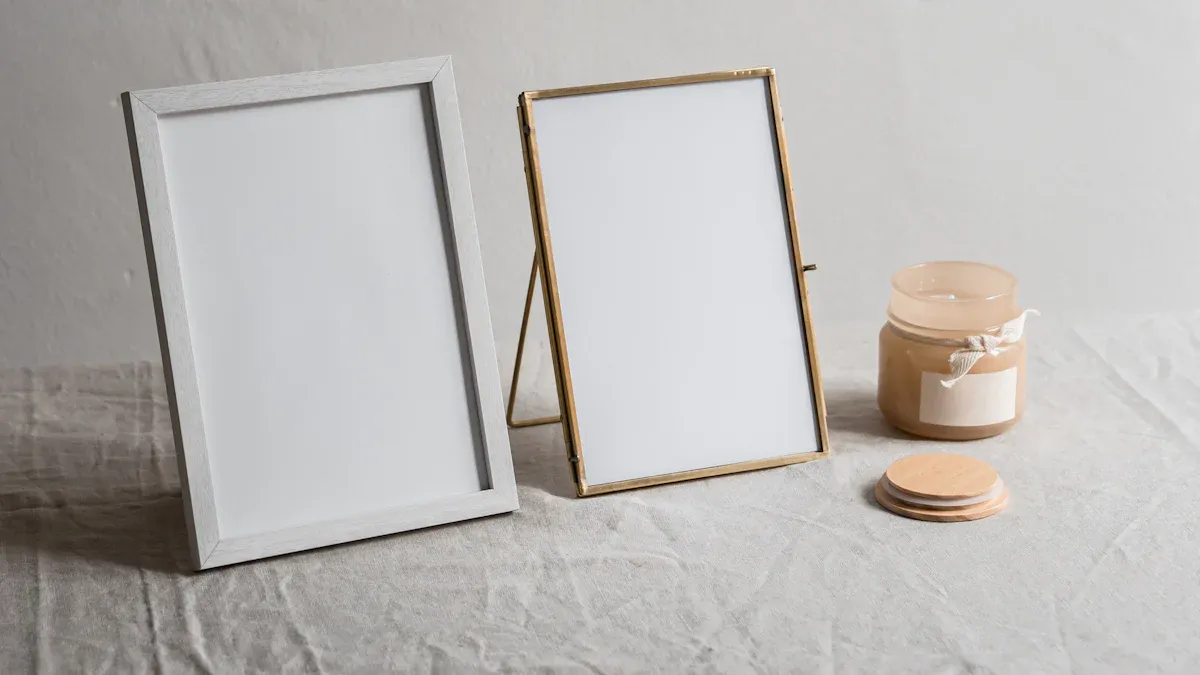
You might wonder what makes an acrylic frame a premium choice. The benefits often come down to safety, convenience, and superior viewing quality. Let’s explore the key advantages that set acrylic apart from traditional glass.
Shatter-Resistant and Safe
Safety is a top priority in any home. An acrylic picture frame offers peace of mind that glass simply cannot match. Acrylic is a type of plastic, so it is incredibly shatter-resistant. This durability makes it the ideal choice for busy households.
Tip for Parents and Pet Owners 🐾 If you have active children or curious pets, acrylic removes the worry of dangerous broken glass. A stray ball or a wagging tail won’t lead to a hazardous cleanup.
The difference in safety is significant. You can see how acrylic compares to standard glass below.
| Feature | Acryl (Plexiglas) | Standard Glass |
|---|---|---|
| Impact Resistance | Virtually unbreakable | Can break under impact |
| Safety When Broken | Does not shatter into sharp shards | Breaks into dangerous pieces |
| Child Safety | A much safer option around children | Poses a significant risk |
Lightweight and Easy to Hang
Have you ever struggled to hang a heavy, glass-fronted frame? A lightweight frame made of acrylic solves this problem. Acrylic weighs about 50% less than glass of the same thickness. This weight reduction offers two major benefits.
- Easier Hanging: A lightweight frame is simpler to hang, especially for large or oversized art. You may not need heavy-duty wall anchors, which makes installation a breeze.
- Lower Shipping Costs: The lighter weight directly reduces shipping expenses. This is a huge plus when you order frames online. The initial savings on a glass frame can quickly disappear due to higher shipping fees.
This table shows just how much lighter acrylic is.
| Material | Thickness | Weight (lbs/sq ft) |
|---|---|---|
| Acrylic Sheet | 0.250″ | 1.5 |
| Standard Glass | 0.250″ | 2.9 |
This difference in weight provides great convenience when you are handling and displaying your art.
Superior Optical Clarity
You want your photo to look its best. Acrylic provides exceptional clarity that surpasses standard glass. Many types of glass have a slight green tint caused by iron content. This tint can subtly alter the colors of your artwork. Acrylic, however, is inherently clearer and transmits more light.
This means your image will appear more vibrant and true to its original colors. Acrylic also has a lower refractive index than glass. This quality helps reduce glare, giving you a softer sheen instead of sharp, distracting reflections. Your art becomes the focus, not what is reflected in the glass.
Optional UV Protection
Sunlight and even indoor fluorescent lights contain harmful ultraviolet (UV) rays. These rays are the primary cause of damage to artwork and photographs over time. They can cause vibrant colors to fade and signatures to disappear.
An acrylic frame can offer excellent UV protection. While standard acrylic blocks some UV rays, you can choose conservation-grade options for maximum defense. Manufacturers add special absorbers to the acrylic. These additives block harmful rays and protect your cherished memories.

As the chart shows, you can select the level of UV protection that best suits your needs, with some options blocking up to 99% of damaging rays. This feature is essential for preserving valuable or sentimental pieces for years to come.
Disadvantages of Acrylic Photo Frames
While acrylic offers impressive benefits, you must also consider its drawbacks. Understanding these disadvantages will help you avoid disappointment and make a fully informed decision. The downsides mostly relate to its delicate surface, cost, and maintenance needs.
Prone to Scratches
The most significant disadvantage of acrylic is its softness. Acrylic surfaces scratch much more easily than glass. This softness is measurable. On the Mohs scale of mineral hardness, glass rates around a six. In contrast, acrylic has a hardness of about three. This means common materials can easily damage its surface.
Even careful cleaning can cause fine scratches if you use the wrong materials. Abrasive items create micro-scratches that accumulate over time, making the surface look dull or hazy. Unfortunately, removing these scratches is very difficult, if not impossible.
Warning: Cleaning Materials to Avoid ⚠️ You should never use certain products on acrylic photo frames. These items will cause permanent damage.
- Paper towels or tissues
- Glass cleaners like Windex
- Cleaners containing ammonia, alcohol, or acetone
- Abrasive scrubbing sponges
Higher Initial Cost
High-quality acrylic photo frames typically have a higher price tag than their glass counterparts. The manufacturing process for optical-grade and UV-protective acrylic is more complex. This complexity increases the material’s cost.
While you might save on shipping due to its lighter weight, the initial purchase price is often greater. This is especially true when you compare conservation-grade options. For example, a sheet of UV-filtering acrylic can cost significantly more than a sheet of UV-filtering glass. You must decide if the added safety and clarity are worth the higher upfront investment for your specific photo or artwork.
| Material | Cost Consideration |
|---|---|
| Glas | Generally less expensive material, but more expensive to ship. |
| Acryl | Generally more expensive material, but less expensive to ship. |
Attracts Dust and Static
Acrylic naturally carries a static charge. This electrical charge acts like a magnet for dust, pet hair, and other airborne particles. As a result, your picture frame will require more frequent cleaning than a glass one.
This static charge can also pose a risk to certain types of art. The static can be strong enough to lift particles from the surface of unfixed media.
Note for Artists and Collectors 🎨 You should avoid using acrylic for framing delicate media like chalk pastels or charcoal. The static electricity can pull the pigment off the paper and onto the inside of the glazing.
To manage this issue, you must use special anti-static cleaners. Products like Brillianize or the NOVUS polish system can help neutralize the charge and repel dust, but they represent an added maintenance step.
Risk of Bowing in Large Sizes
Acrylic is more flexible than glass. While this flexibility contributes to its shatter resistance, it can be a drawback for very large frames. Over time, a large, thin sheet of acrylic may start to bow or bend in the middle. This bowing can create visual distortions and may even allow dust to enter the frame.
To prevent this, framers often use thicker, more rigid acrylic for oversized pieces. This solution increases both the weight and the cost of the final product. You should keep this in mind if you plan to frame a large poster or piece of art.
Acrylic vs. Glass: Which Is Best for You?
You now understand the pros and cons of acrylic. The best choice depends entirely on your priorities. Let’s break down common situations to help you select the right material for your needs.
For Homes with Children or Pets
Safety is your main concern in a busy home. Acrylic is the clear winner here. Its shatter-resistant quality removes the danger of broken glass from an accidental knock or fall. You can hang acrylic photo frames in high-traffic areas like hallways or playrooms with complete peace of mind.
For Large and Oversized Art
You should choose acrylic for large or oversized pieces. Glass becomes very heavy and difficult to hang as its size increases. Acrylic is about half the weight, making installation much easier and safer for your walls. While you must use a thicker, more rigid sheet to prevent bowing, the convenience and safety benefits are significant.
For Archival and Preservation
You want to protect a valuable or sentimental piece for decades. Both materials offer conservation-grade options. However, acrylic often provides superior UV protection. High-quality acrylic can block up to 99% of damaging rays. This level of UV protection, combined with its clarity and shatter resistance, makes it an excellent choice for preserving your most cherished memories.
For Budget-Friendly Projects
Glass is usually your most cost-effective option for a simple project. If you need an affordable picture frame for a poster or a non-valuable photo, a standard glass frame will do the job well.
Budget Framing Tip 💡 You can find great deals on frames for budget-friendly projects.
- Check thrift stores and estate sales for unique frames, often for less than $20.
- Look at online retailers that offer bundle deals and a wide range of sizes. Many use acrylic for its durability during shipping.
Ultimately, if your top priority is a low initial cost, glass is the way to go.
How to Care for Your Frames
You chose an acrylic frame for its clarity and durability. Proper care will keep it looking brand new. You can easily maintain your frame with the right techniques and materials.
Proper Cleaning Methods
Cleaning your acrylic picture frame is simple, but you must use the right tools. Harsh chemicals will permanently damage the surface.
Important Tip 🧼 You should always use a clean, soft microfiber cloth. Its tiny fibers trap dust without scratching the delicate acrylic. Never use paper towels, as their rough texture can create fine scratches.
You should also avoid ammonia-based glass cleaners like Windex. These products can cause the acrylic to become cloudy or develop small cracks over time. You have safer options for cleaning solutions.
| Cleaner Type | Common Ingredients |
|---|---|
| DIY Solutions | Mild soap and water, vinegar, lemon juice |
| Professional Cleaners | Plant-derived ingredients, labeled “safe for acrylic” |
To clean your frame, lightly dampen your microfiber cloth with water or an acrylic-safe cleaner. Gently wipe the surface in a circular motion. Use a second, dry microfiber cloth to buff the surface and prevent water spots.
Tips to Prevent Scratches
Preventing damage is the best way to care for your frames. Where you store and how you move them makes a big difference. You should keep your frames in a cool, dry place away from direct sunlight to prevent discoloration.
When moving your frames, you can follow these steps to protect them:
- Place a layer of bubble wrap over the acrylic front.
- Secure a piece of cardboard over the bubble wrap for extra protection.
- Wrap the entire frame in packing paper.
- Place the frame vertically inside a box, adding padding to prevent it from shifting.
Handling Minor Surface Scuffs
Even with careful handling, minor scuffs can happen. You can often repair these at home. First, you need to check the scratch’s depth.
Gently run your fingernail across the scratch. If your nail catches, the scratch is likely too deep to fix at home.
For light surface scuffs, you can use a special acrylic scratch remover kit. These kits, such as the NOVUS Polish system, are designed to buff out imperfections. You simply apply a small amount of the polish with a soft cloth, rub it onto the scratch in a circular motion, and then buff it clean with a separate cloth.
Acrylic photo frames provide excellent clarity and UV protection. These benefits come with a higher cost and a need for careful handling to prevent scratches. The best picture frame for you depends on your specific needs.
You must weigh your priorities. Is a low price your top concern? Or do you need maximum safety and UV protection for a cherished piece?
Ultimately, you have the knowledge to choose the right material for your home and your art.
FAQ
Is acrylic the same as plexiglass?
Yes, you can think of them as the same thing. Plexiglas is a well-known brand name for acrylic sheets. You will often see the terms used interchangeably. Both refer to the same durable, clear plastic material used in photo frames.
Does acrylic turn yellow over time?
High-quality, modern acrylic does not turn yellow. Older, cheaper plastics gave acrylic a bad reputation. Today’s acrylic frames have UV stabilizers. This feature prevents yellowing and keeps your frame looking crystal clear for many years.
How do I choose the right thickness?
The size of your frame determines the best thickness. You can use a thinner sheet for small frames. For larger pieces, you should choose a thicker, more rigid acrylic. This prevents the material from bowing or bending in the middle.
Quick Guide 🖼️
- Small Frames (under 16×20″): Standard thickness is fine.
- Large Frames (over 16×20″): Use thicker, rigid acrylic to avoid bending.
Can I use acrylic for charcoal or pastel art?
You should avoid using standard acrylic for delicate media like charcoal or pastels. Acrylic’s natural static charge can pull particles from the artwork onto the glazing. You can use special anti-static acrylic, but glass is often a safer choice for these art forms.
See Also
Understanding Acrylic Watch Displays: Definition, Structure, and Practical Applications
Acrylic Aquariums Explained: Defining Features and Diverse Practical Applications
Your Comprehensive Guide to Ultimate Acrylic Table Stands
Acrylic Coffee Tables: Defining Features and Versatile Home Applications
Exploring Premium Acrylic Stand Tables: Design and Material Breakdown


 Deutsch
  English
  Français
  Русский
  Español
  Português
  日本語
日本語