
Inconsistent menu item production across a chain creates significant financial risk. Chains can lose up to 20% of potential profits from poor production controls. A disciplined sample-to-mass production workflow offers the solution.
For example, MOD Pizza saw negative guest comments from inconsistent salad production. Such issues can cause a 10-20% loss in revenue from a poor customer experience.
This structured process ensures consistent production and involves five key stages:
- Recipe Standardization
- Supply Chain Setup
- Pilot Production
- Phased Rollout
- Full-Scale Implementation
Finalizing the Sample-to-Mass Production Workflow
This first stage of the sample-to-mass production workflow creates the definitive prototype. A successful product development process turns a great idea into a repeatable recipe. The goal is to build a blueprint for consistent manufacturing. This blueprint ensures a smooth transition from a single prototype to mass production. It removes guesswork from the production process.
Creating the ‘Gold Standard’ Recipe
The ‘Gold Standard’ is the perfect version of the product. It is the single prototype that all future production will replicate. Chains document this prototype in a comprehensive product specification sheet. This sheet is the core of the manufacturing process. It details every aspect of the prototype for consistent production. The sheet guides every step of the prototype to mass production journey. Effective product development relies on this detailed prototype documentation for successful manufacturing.
The Blueprint for Manufacturing A complete specification sheet for a bakery prototype includes:
- General Information: Product name, reference photos, and product code.
- Quality Details: Sensory traits like color and texture, plus processing methods and equipment settings.
- Ingredients: A full list of ingredients, allergen information, and nutritional content.
- Packaging: Storage requirements, shelf-life, and packaging materials.
- Compliance: Food safety certifications and suitability for special diets.
This document ensures every bakery location uses the same production process with the same equipment. It is essential for quality manufacturing.
Defining Ingredient Specifications
Precise ingredient specifications are critical for quality. Small variations can ruin a product during large-scale production. For a bakery, this could mean defining the exact Brix level (sugar content) for a glaze or the particle size of flour. A head baker at an artisan bakery noted that precise Brix control was essential for consistent quality in gluten-free bakery items. This level of detail prevents batch-to-batch differences in the bakery.
Controlling these factors ensures the final bakery product always meets quality standards. It also reduces waste and saves money. This strict process is vital for the prototype to mass production transition. The manufacturing systems must support this level of detail. It is a key part of the sample-to-mass production workflow. The right equipment and production systems make this quality control possible for any bakery. This careful product development ensures every bakery delivers a consistent experience. The manufacturing process for the bakery prototype depends on this precision.
Sourcing and Supply Chain Setup
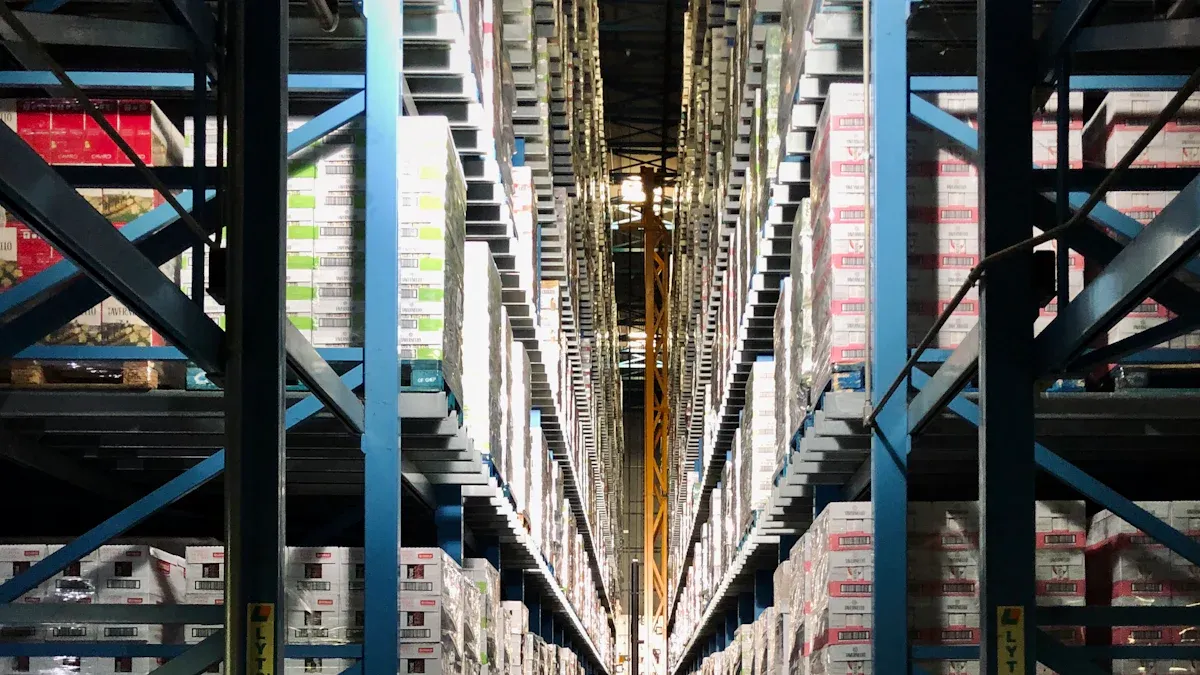
A reliable supply chain is the foundation for scaling a recipe. Managing inventory and purchasing across multiple locations presents significant challenges. Without robust systems, chains face inconsistent ingredient quality and fluctuating costs. A strong sourcing strategy minimizes these risks. It builds a resilient manufacturing line focused on quality and sustainability. The right systems ensure every bakery receives the same high-quality ingredients for production. This focus on sustainability and efficient systems supports the entire manufacturing process.
Vetting and Selecting Suppliers
Chains must carefully vet suppliers to protect their brand. The selection process goes beyond price. It involves a deep evaluation of a supplier’s ability to deliver consistent quality and uphold safety standards. Strong partners provide tailored support and expertise for the bakery production line.
Key Supplier Evaluation Criteria:
- Zertifizierungen: Verify food safety standards like SQF or FSSC 22000 to ensure compliance and safety.
- Reliability: Review delivery history and check for backup plans to ensure the manufacturing line never stops.
- Communication: Establish clear expectations for transparent communication and performance reviews. These systems are vital for a good partnership.
- Sustainability: Assess the supplier’s commitment to sustainability practices.
Chains should track key performance indicators, such as Order Accuracy Rate, to measure supplier effectiveness. High accuracy ensures the bakery production line gets the correct items every time. This commitment to safety and quality is crucial for successful manufacturing systems and long-term sustainability.
Sourcing for Bakery Consistency
Ingredient consistency is critical for a bakery. Even small variations can affect the final product. For example, two batches of flour with the same protein content can perform differently in a bakery production line. This creates quality control issues for the bakery. A successful bakery production line depends on uniform ingredients.
To solve this, chains must work closely with suppliers. This partnership gives the bakery access to better ingredients and technical expertise. Ingredient manufacturers who test their raw materials ensure the bakery receives consistent inputs for its manufacturing line. This improves the entire production line. These systems enhance food safety and product quality. Establishing long-term contracts helps manage price changes and secures a steady supply for the manufacturing line. This approach to sustainability ensures every bakery can replicate the gold standard recipe. It is a core part of successful manufacturing systems that prioritize safety, quality, and sustainability for the production line.
Pilot Runs and Building an Efficient Bakery Production Line
This stage moves the product from a single prototype to mass production. It involves testing, validation, and bridge production. The goal is to create an efficient bakery production line. This testing phase, which includes small-batch production, can cost between $25,000 and $50,000. It helps identify improvements and bridges the prototype to production gap. Developing and testing the prototype at this scale is crucial for fine-tuning the process before a full rollout. This step in the sample-to-mass production workflow ensures the manufacturing systems can handle a larger volume.
Scaling for the Bakery Production Line
Scaling for the bakery production line presents many challenges. Chains must avoid common pitfalls during this transition from prototype to mass production. These issues can cause production delays and increase costs.
Common Pitfalls in Scaling Production
- Ingredient Variability: Ingredients may perform differently in larger quantities.
- Equipment Differences: Test kitchen equipment rarely matches the commercial bakery equipment on the production line.
- Production Bottlenecks: Inefficiencies in the process can slow down the entire line.
- Quality Issues: Maintaining consistent quality is a major challenge when increasing volume.
Adjusting for a larger scale is essential. For example, a bakery must match mixing bowl capacity to the new batch size. Different pan sizes also affect baking time and texture. Designing an efficient bakery requires careful planning of this equipment and technology. These systems are vital for a successful prototype to mass production transition. Proper planning helps the bakery production line maintain efficiency and quality. Designing an efficient bakery layout supports this entire process.
The Role of Automation
Automation is key to building an efficient bakery production line. It helps a bakery manage the challenges of scaling to mass production. Smart technology in bakery production improves consistency and efficiency. Bakery automation solutions use technology to handle repetitive tasks. This technology ensures every product from the bakery production line is identical.
Automated baking systems can manage many tasks.
- Ingredient Scaling: Automation technology weighs ingredients precisely for every batch.
- Dough Mixing: Automated systems create consistent dough quality.
- Portioning: Dough dividers create uniform portions, improving product consistency.
Investing in automation and commercial bakery equipment offers a strong return. A bakery can see a return on its investment in two to three years. This is due to labor savings and increased efficiency. Bakery automation solutions and smart technology in bakery production turn a prototype into a profitable item. This technology is central to designing an efficient bakery. The right automation systems make scaling to mass production smoother for any bakery. Smart technology in bakery production is essential for modern manufacturing. Designing an efficient bakery with automation ensures long-term success. The bakery production line becomes a reliable asset.
Phased Rollout and Feedback Loop
A phased rollout introduces a new product to a small number of locations before a full launch. This approach manages complexity and reduces risk. It allows a bakery chain to test its production process in a real-world setting. This strategy offers several key benefits for a successful launch.
- Risk Reduction: It limits the impact of potential issues to a smaller group of stores.
- Resource Allocation: It enables better management of resources like training staff and IT support.
- Clearer Planning: It breaks the launch into manageable phases, making it easier to budget and prioritize tasks.
- User Adoption: It gives bakery teams time to learn new production methods and provide feedback.
This controlled method ensures a smoother transition from pilot production to a chain-wide release.
Selecting and Supporting Pilot Stores
Choosing the right pilot stores is crucial. Chains should select locations that represent a diverse range of customer demographics and operational conditions. Early communication with pilot store candidates is essential. It helps address any competing business priorities and ensures staff availability. A bakery must provide strong support to these pilot locations. This includes developing a clear change management plan. The plan helps the bakery team understand new demands on their workflow. It also prepares them for changes to the bakery layout or equipment. This support ensures the pilot phase runs smoothly and yields valuable data for the final production plan.
Gathering and Analyzing Real-World Data
The feedback loop is the most important part of a phased rollout. A bakery must collect and analyze data to refine its production process. This involves a clear, multi-step process.
- Collect Feedback: Gather information from customers and staff using surveys, interviews, and support tickets.
- Analyze Feedback: Review sales data, operational costs, and customer comments to find patterns.
- Implement Changes: Use the insights to solve problems and improve the production workflow.
- Follow Up: Inform teams about changes made based on their feedback.
A modern bakery can also use technology to gather behavioral data. For example, cameras can create heat maps to show how customers move through the bakery. This helps optimize product placement. Analyzing this real-world data ensures the final production process is efficient and profitable for every bakery location.
Full-Scale Implementation and Quality Monitoring
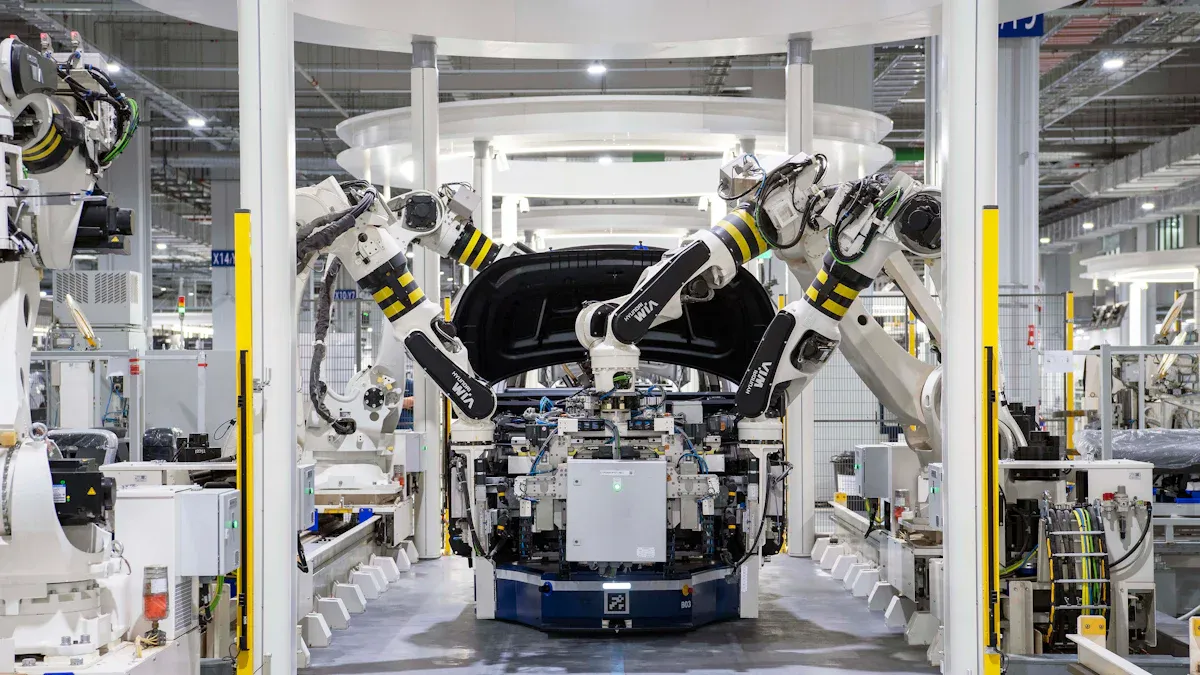
The final stage transitions the product into a permanent menu item. This phase requires a coordinated launch and robust quality monitoring systems. Success depends on flawless execution and a long-term commitment to consistency. The right technology and manufacturing process ensure the product remains a reliable asset for every bakery.
Executing the Chain-Wide Launch
A successful chain-wide launch requires careful planning and marketing. A unified marketing calendar aligns every bakery location. This ensures all teams follow the same promotional schedule. High-quality food photography helps create excitement and drives customer interest. These marketing systems support the entire production line. The goal is to make the new item a success from day one. This organized approach supports the manufacturing line and boosts initial sales for the bakery. The production line must be ready for the increased demand. Strong launch systems protect the brand’s reputation and ensure a smooth rollout across the bakery chain. This final production step is critical for the manufacturing process.
Implementing Ongoing Quality Assurance
Ongoing quality assurance is essential for long-term success. A bakery must protect its brand by maintaining food safety and product quality. This requires clear standards and modern technology. Digital checklists and real-time monitoring systems help track compliance. This technology allows a bakery to monitor its production line closely.
Technology for Quality Control ⚙️ Modern bakery operations use advanced technology and equipment to maintain high standards.
- Automated Monitoring: IoT-enabled equipment uses technology to track temperatures and equipment performance, ensuring safety and quality.
- Digital SOPs: Centralized systems provide every bakery with updated procedures, photos, and quality checkpoints.
- Smart Equipment: Automation technology in equipment like dispensers ensures portion control, which is vital for quality.
These automation systems reduce human error on the production line. The right equipment and technology are crucial for any bakery manufacturing process. This technology helps every bakery line deliver consistent quality. Investing in this equipment and automation is key for safety. These quality systems turn a successful launch into a lasting success. The manufacturing line benefits from this focus on safety and quality. This technology is the backbone of modern bakery manufacturing systems. The equipment ensures safety and quality for the entire production line.
The five-stage sample-to-mass production workflow provides an essential framework for scalable success. This structured production process guides every bakery from a single idea to a chain-wide menu item. A disciplined production plan is not optional for any bakery. It is critical for protecting brand consistency and profitability during expansion. This production focus helps every bakery.
A structured approach to production helps a bakery improve margins. It also reduces risk, as seen when chains use pilot programs to verify production before a national launch. This ensures the bakery production line is ready.
This disciplined process transforms a creative idea into a reliable business asset for the entire bakery chain. The bakery benefits from consistent production.
FAQ
What is the biggest challenge for a bakery scaling a recipe?
The biggest challenge for a bakery is ingredient inconsistency. Different flour batches can change a product’s texture. A bakery must work with suppliers to set strict specifications. This ensures every bakery location receives uniform ingredients for consistent quality.
How does a bakery ensure quality across all locations?
A bakery uses a ‘Gold Standard’ recipe and digital checklists. This system provides every bakery team with the exact same steps. Technology helps monitor production, ensuring every item from the bakery meets the brand’s high standards.
Why is a phased rollout important for a new bakery product?
A phased rollout reduces risk. It allows a bakery to test its production process in a few stores first. This helps the bakery find and fix problems before a full launch, saving money and protecting the brand’s reputation.

 Deutsch
  English
  Français
  Русский
  Español
  Português
  日本語
日本語