

You want to choose the right storage box but feel unsure where to start. First, look at everything you need to store. Ask yourself how long you plan to keep these items and where you will put the boxes. Measure your space, pick a size that fits, and think about which material works best. Features like lids or handles make a big difference. If you want to choose the right storage box, avoid these mistakes:
- Buying before you declutter.
- Picking style over function.
Stick with these steps, and you will choose the right storage box every time.
How to Choose the Right Storage Box
Take Inventory of Items
You want to start with a clear picture of what you need to store. Grab a notebook or your phone and list every item. Think about the size, shape, and how fragile each thing is. Some items, like miniature light bulbs or circuit boards, need special attention. You might use plastic bin cups for tiny parts or adjustable partitions for larger pieces. Bulky or heavy items, such as conveyor belts, call for bulk-storage racks or sturdy storage bins.
Here’s a simple table to help you organize your inventory:
| Item Type | Size Range | Storage Method |
|---|---|---|
| Very small parts | Miniature light bulbs | Plastic bin cups |
| Larger parts | Circuit boards, air cylinders | Adjustable partitions/dividers |
| Bulky/heavy items | Air filters, conveyor belts | Bulk-storage racks |
When you classify your inventory, you make it easier to choose the right storage bins. You can organize slow-moving items in one area and keep frequently used items close by. This approach improves efficiency and reduces bottlenecks. You also want to profile your items by size, shape, quantity, and how often you move them. If you have a mix of items, sort them into categories. For example, A-movers are things you grab often, while D-movers rarely leave their spot. This method helps you pick storage bins that fit your needs and keeps your storage solutions running smoothly.
Tipp: Proper organization ensures a smooth flow in your space. It helps you avoid clutter and makes finding things easier.
Short-Term vs. Long-Term Use
You need to decide how long you plan to keep your items in storage bins. If you only need them for a short time, you can use cardboard boxes or basic moving supplies. These work well for temporary storage or quick moves. For long-term storage, you want to choose sturdy materials. Plastic storage bins protect your belongings from moisture, pests, and damage. Weak containers can collapse and break your items. Sturdy storage bins provide better protection and keep your things safe.
A study on packaging materials shows that the right choice keeps items in good condition over time. For example, some bags retain quality better than others. If you store items for months or years, pick storage bins made from durable materials. Avoid old or weak packing materials. They can leak hazardous items, ruin your belongings, and even cause fires or toxic fumes.
“Using weak or old packing materials can lead to serious issues, such as leaks from hazardous items that can ruin belongings and potentially cause fires or toxic fumes. Additionally, storing flammable or corrosive items can result in insurance claims being denied and may even lead to criminal charges.”
When you choose storage bins for long-term use, you protect your items and avoid costly mistakes. Uniform storage bins also improve efficiency and make stacking easier.
Where Will You Store It?
Think about where you plan to keep your storage bins. The environment matters. High temperatures and humidity can damage your items. If you store things in basements, attics, or garages, you face risks like water damage, pests, and mold. Polyethylene or polypropylene bins offer extra protection against moisture, but they do not stop mold in high humidity. If you have valuable items, keep them in your main living space where conditions stay stable.
Here’s a quick list to help you choose storage bins based on location:
- Hot and humid spaces need moisture-resistant storage bins.
- Cooler, dry rooms allow for less robust storage bins.
- Avoid storing valuables in basements, attics, or garages.
- Use moving supplies like plastic bins or bags for extra protection.
- Relocate important items to safer areas as soon as possible.
Basements, attics, and garages often experience leaks, flooding, and temperature swings. These conditions speed up deterioration. You want to avoid storing valuable collections in these places. Instead, pick storage bins that match your environment. Durable storage bins keep your items safe and make your storage solutions more reliable.
Note: The intended use and duration of storage are critical. Always match your storage bins to the location and the items you want to protect.
If you follow these steps, you will find the right storage bins for every situation. You can use moving supplies to help with short-term needs and switch to sturdy storage bins for long-term protection. This approach keeps your items organized and safe, no matter where you store them.
Types of Boxes and Materials
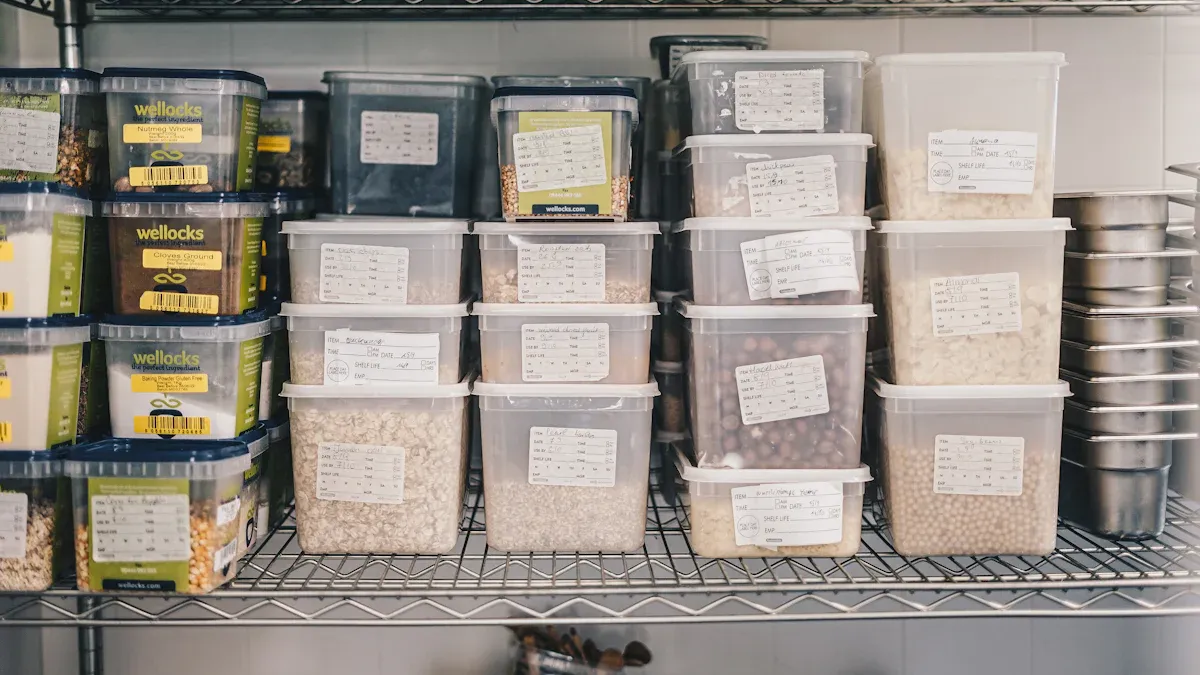
When you look for storage bins, you will see many types of boxes. Each material has its own strengths and weaknesses. Picking the right one helps you protect your items and keep your space organized.
Plastic Storage Bins
Plastic storage bins are everywhere. You see them in homes, offices, and even factories. They work well for almost anything you want to store. These bins are waterproof, easy to clean, and last longer than cardboard. You can stack them, which saves space. They also look neat and come in many sizes.
Here’s a quick look at the pros and cons:
| Advantages of Plastic Storage Bins | Disadvantages of Plastic Storage Bins |
|---|---|
| Durable | Higher costs |
| Waterproof | Can deteriorate over time |
| Easy to clean | Less strong than metal bins |
| Aesthetic appeal | Lower capacity than wood bins |
Plastic storage bins are lighter than wood bins and easier to move. They keep their strength and offer good sanitation. However, they cost more and may not last as long as metal bins. Most plastic storage bins work best for short-term storage. You can reuse them for about two years before they start to wear out.
Cardboard and Paperboard
Cardboard boxes are the classic choice for packing boxes and moving. They are easy to find and cheap. You can fold them flat when not in use, which saves space. Corrugated cardboard has three layers, making it strong enough for many items. Some high-quality boxes even have water-resistant coatings to protect against moisture.
But cardboard does not like water. If it gets wet, it can warp and lose strength. You should use cardboard storage bins in dry places. Cardboard is also better for the environment. It is biodegradable and easy to recycle, making it a smart choice if you want to reduce waste.
Specialty Storage Boxes
Some items need extra care. Specialty storage bins help you protect things like documents, electronics, or collectibles. Archive boxes keep your files safe and organized. Some specialty bins have foam inserts or rigid compartments to stop items from moving around. Others use special materials to control temperature or keep things clean.
You can find membrane boxes that hold delicate items in place. These are great for electronics or fragile collectibles. Specialty storage bins often use acid-free materials to stop damage over time. If you want the best storage containers for sensitive items, these high-quality boxes are the way to go.
Tip: Always match the type of box to what you need to store. This helps you get the most durability and protection for your items. If you want a soft option for lightweight items, fabric bins can also work well for closets or shelves.
Types of Boxes You Might Use
- Plastic storage bins: Great for home, office, and industrial storage.
- Cardboard boxes: Best for shipping, moving, and retail.
- Metal bins: Good for garages and heavy-duty storage.
- Wooden bins: Useful for decorative or sturdy home storage.
Choosing the right storage bins means thinking about durability, protection, and where you will use them. With so many types of boxes, you can always find the best fit for your needs.
Size and Shape Matters
Matching Box Size to Project
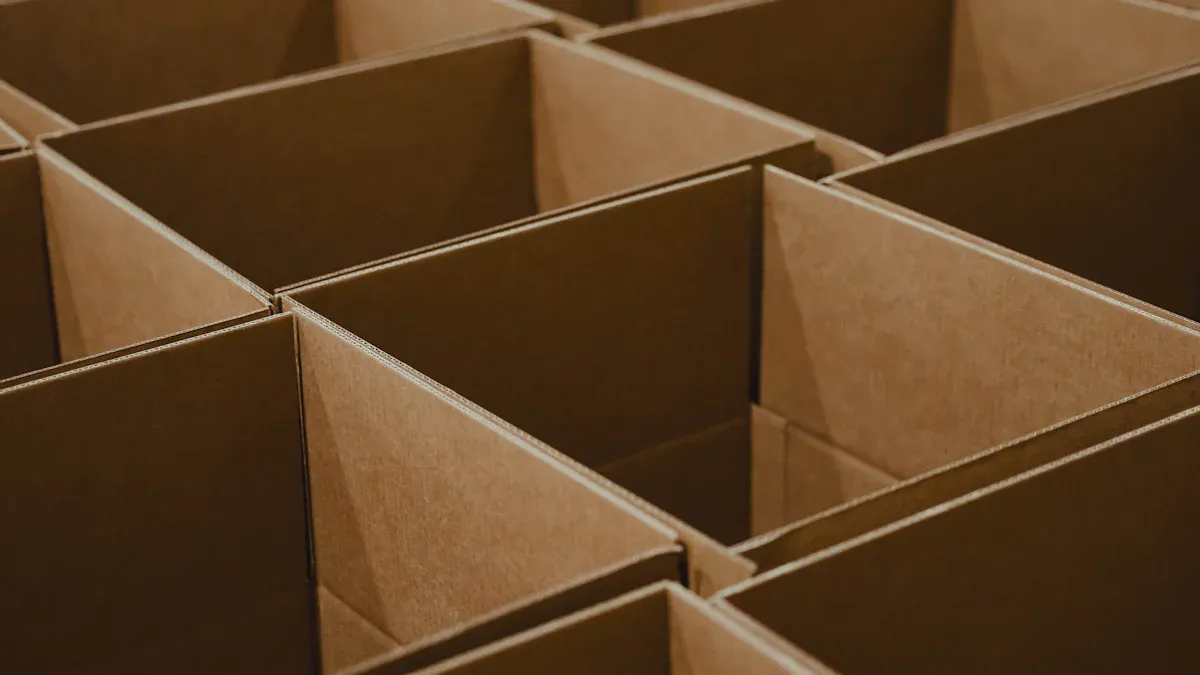
You want to make sure your storage boxes fit your items and your space. Start by measuring the area where you plan to store your boxes. Use the standard method: Length x Width x Height (LxWxH). Height is the vertical side when the box opens upward. This helps you avoid buying boxes that are too big or too small.
Think about the size and weight of your items. If you pick a box that is too large, you waste space and may need extra packing materials. Too small, and your items might get damaged or take longer to pack. Many shoppers return items because they arrive broken. For big projects, match the box capacity to the number and weight of your items. Stackable containers help you organize and protect your things.
Here’s a table showing how the right box size improves storage and safety:
| Key Considerations | Impact on Storage Efficiency and Item Safety |
|---|---|
| Vertical Space Management | Optimal stacking and storage through appropriate box heights |
| Weight Distribution | Prevents structural compromise by matching box size to item weight |
| Compact Loading | Reduces empty spaces in moving vehicles, enhancing efficiency |
| Material Composition | Superior strength from corrugated cardboard with multiple layers |
| Edge Crush Test (ECT) Ratings | Indicates maximum vertical compression a box can withstand |
| Balanced Loading | Prevents potential structural failure during transport |
Tip: Always check the dimensions and weight limits before you buy. This keeps your items safe and saves money on shipping.
Stackability and Space Use
Stackable plastic bins make your storage area neat and efficient. Uniform shapes, like squares and rectangles, let you stack boxes easily. You use vertical space and keep your floor clear. Stackable bins reduce clutter and help you find things faster.
Here’s how shape and stackability affect your storage:
| Aspekt | Beschreibung |
|---|---|
| Shape | Uniform shapes allow reliable stacking and load transfer. |
| Material | Polypropylene and HDPE bins last longer and handle heavy loads. |
| Stackability | Stackable bins use vertical space and reduce your storage footprint. |
| Stability | Square profiles give maximum stability. Tapered designs nest when empty. |
| Efficiency in Small Spaces | Vertical stacking turns wasted space into useful storage, especially in tight areas. |
To stack boxes safely, follow these steps:
- Put heavy boxes at the bottom.
- Keep stacks within recommended height limits.
- Use level surfaces for stacking.
- Arrange boxes so you can reach the ones you use most.
- Plan your stacking pattern for easy access and efficiency.
Note: If you use the right stacking methods, you protect your items and make your storage area work better.
Choosing the right size and shape for your storage bins helps you maximize space, protect your items, and keep everything organized.
Features for Storage Bins
Waterproof and Locking Lids
You want your storage bins to protect your items from water and moisture. Waterproof lids keep out rain, spills, and humidity. Locking lids add extra security, so you don’t have to worry about things falling out or getting lost. If you store items in basements, garages, or anywhere damp, airtight containers are a must. Plastic storage bins and metal containers work best in humid places. They seal out moisture and keep your things safe.
Here’s a quick table to help you choose the right container for wet environments:
| Type of Container | Key Features | Best Use in Humid Areas |
|---|---|---|
| Plastic storage bins | Airtight, stackable, waterproof | General storage, moisture protection |
| Metal containers | Durable, rust-resistant | Tools, metal items, prevents corrosion |
| Vacuum-sealed bags | Space-saving, dust and insect proof | Clothing, fabrics, reduces mold risk |
Tip: Airtight storage bins are essential for keeping moisture out. You can add vacuum-sealed bags for extra protection.
Transparent vs. Opaque
When you organize your space, you need to decide if you want clear or opaque storage bins. Transparent bins let you see what’s inside right away. You don’t have to open every box to find your stuff. This feature saves time, especially in busy spots like kitchens or toy rooms. You grab what you need fast and keep your home organization simple.
Opaque bins block light and dust. They protect your items from UV rays and keep things hidden. If you store things for a long time, opaque bins work better. You can use them for seasonal decorations or keepsakes.
- Clear bins make it easy to spot items quickly.
- Opaque bins offer more protection for long-term storage.
Note: Transparent storage bins help you find things faster. Opaque bins keep your items safe from dust and sunlight.
Labeling and Access
Labels turn chaos into order. You stick a label on each storage bin, and you know what’s inside without guessing. This trick saves time and keeps your space neat. In work areas, labels help you find supplies fast and avoid mistakes. You can use simple stickers or go high-tech with barcodes, QR codes, or RFID tags for big collections.
- Quick identification: Labels show what’s inside every storage bin.
- Reduced chaos: Clear labeling keeps your space clutter-free.
- Streamlined workflow: You spend less time searching and more time doing.
If you have lots of storage bins, try location labels. They help you pick and restock items without confusion. You move less and find things faster. For large collections, barcode labels and QR codes work well. RFID tags let you scan many bins at once.
Tip: Label every storage bin for easy access. Use advanced systems if you manage lots of bins.
You can boost your home organization with waterproof lids, clear bins, and smart labeling. These features make storage bins more useful and keep your items safe and easy to find.
You can make storage simple if you follow these steps: take inventory, decide how long you need storage, pick the right spot, choose the best material, match the size, and look for useful features. Here’s what experts say matters most:
- Protect your belongings
- Maximize storage space
- Pack seasonal or long-term items properly
Check out how good storage helps:
| Evidence Type | Findings | Source |
|---|---|---|
| Expert Opinion | Better storage boosts food security and variety | Expert Interviews |
| Study | Improved storage supports nutrition for families | Tesfaye and Tirivayi (2018) |
You can feel confident picking the right storage box for any need.
FAQ
What size storage box should I pick?
You want to measure your items and your space. Choose a box that fits your things without wasting room. Stackable boxes help you use vertical space. Always check the box’s weight limit before you buy.
Are plastic bins better than cardboard boxes?
Plastic bins last longer and protect against moisture. Cardboard boxes cost less and work well in dry places. Use plastic for long-term storage. Cardboard is great for moving or short-term needs.
How do I keep my storage boxes organized?
Label every box. Use clear bins for quick identification. Group similar items together. Try color-coded labels or stickers for easy sorting. You save time and avoid clutter.
Can I store valuables in the garage or basement?
You should avoid storing valuables in damp or hot places. Basements and garages can cause mold or water damage. Keep important items in climate-controlled rooms for best protection.
See Also
Acrylic Trays: Flexible Storage Options for Every Space
Guide to Choosing and Maintaining White Acrylic Trays
10 Innovative Ideas for Decorating Small Acrylic Trays


 Deutsch
  English
  Français
  Русский
  Español
  Português
  日本語
日本語