
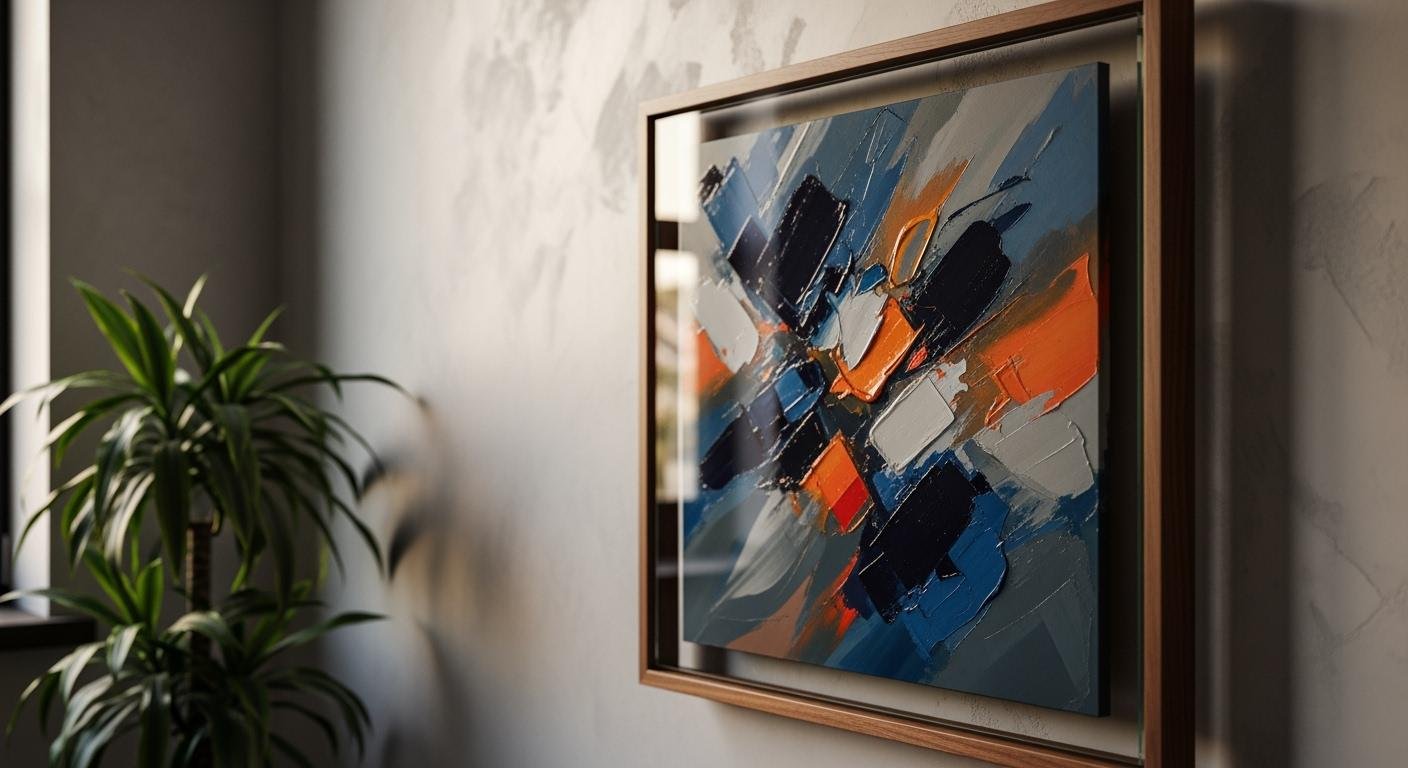
Yes, floating frames are a leading stylish choice for 2025. Their modern aesthetics make your artwork the main event. You can use these frames to align with current design trends. They transform any piece of art into a powerful statement. This style of art presentation is quickly becoming a favorite for its clean, gallery-quality look.
Did You Know? The market for floating frames is expanding. It shows a projected year-over-year growth of 4.3%, proving their rising popularity.
The Core Aesthetic of Floating Frames
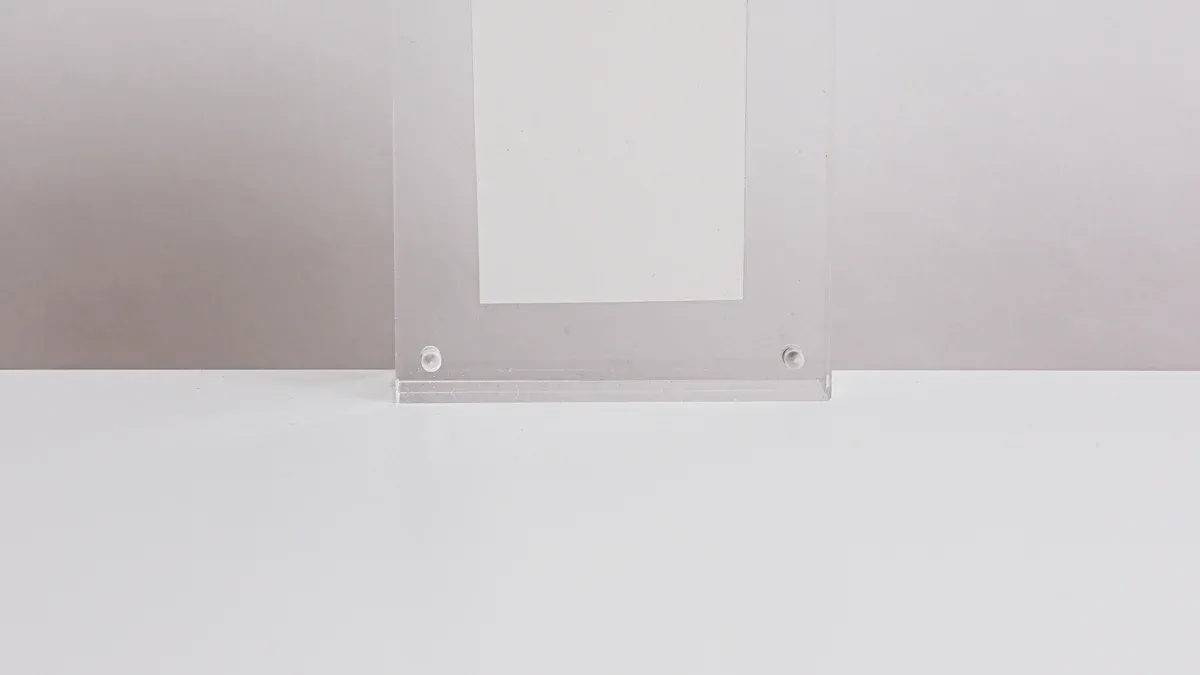
The appeal of floating frames comes from their unique design. You can understand their popularity by looking at three key features. They create a magical illusion, add a 3D effect, and embrace modern minimalism. This combination elevates your art from a simple picture to a centerpiece.
The Signature ‘Floating’ Illusion
The name “floating frame” describes its effect perfectly. The frame creates the illusion that your artwork is suspended in mid-air. It does not touch the sides of the canvas. This visual trick is simple but powerful. It happens because of the frame’s special construction.
- The frame secures your canvas from the back, not the front.
- This design intentionally leaves a small space, or gap, between the frame and the canvas.
- This gap creates a soft shadow, making the art appear to float.
This separation draws your eye directly to the artwork itself. The edges of your canvas remain fully visible, preserving the entire piece.
Creating a 3D, Gallery-Worthy Effect
That small gap does more than create an illusion. It gives your art a three-dimensional quality. Regular frames can make a canvas look flat. Floating frames add depth and make the piece feel more dynamic. This is a key reason they are used in professional gallery settings.
| Feature | Floating Frame | Regular Frame |
|---|---|---|
| Depth Effect | Creates a shadow gap | Flat, enclosed finish |
| Edge Visibility | Shows the entire canvas | Covers the canvas edges |
The shadow inside the frame makes the canvas pop forward. This technique turns your wall into a professional gallery space. You can create impressive gallery-style displays in your own home. The effect adds a layer of sophistication you cannot get with a standard frame.
Modern Minimalism and Clean Lines
Floating frames are a perfect match for modern design. Their core principle is “less is more.” The frame’s simple, clean lines do not compete with the art. Instead, they provide a crisp boundary that makes the piece feel complete. This minimalist approach helps you create an uncluttered and calming space.
Pro Tip 💡: Use floating frames with the same finish to unify a collection of different art pieces. This creates cohesive gallery walls where the art, not the frames, is the focus.
The clean geometry of these frames complements other elements in a room, like furniture and windows. This helps build a consistent visual language throughout your home. The simple aesthetics allow your art to shine, whether you are building a large gallery wall or hanging a single statement piece.
2025 Floating Frame Trends
You can stay ahead of design by understanding the latest floating frame trends. These frames are not just holding your art; they are a key part of your home’s style narrative. The top floating frame trends for 2025 focus on natural textures, bold expressions, and making a big impact. These trends show how versatile floating frames can be in modern home decor.
Trend 1: Organic Modern and Biophilic Design
The first of the major floating frame trends connects your space to nature. Organic Modern design uses natural materials and earthy textures to create a calm atmosphere. This is one of the biggest trends for 2025. You can easily bring this look into your home.
- Choose Natural Wood Frames: Select frames made from light woods like ash, maple, or natural oak. These materials add warmth and complement other organic elements in your decor.
- Focus on Texture: Designers are using rich, satisfying textures everywhere. Laura Lubin of Ellerslie Interiors notes that “Deep, dark wood finishes and rich fabrics like velvet and mohair are gaining popularity.” A walnut floating frame can match this mood perfectly.
- Embrace Sustainable Materials: This trend also values sustainability. Using wood frames made from sustainable materials helps you create a space that feels good and does good.
This approach aligns with the growing consumer desire for quality and uniqueness. The global market for arts and crafts is projected to grow significantly, showing a strong focus on handmade and natural items.
Trend 2: Dopamine Decor and Bold Colors
The second of the key floating frame trends is all about joy and energy. Dopamine decor uses bright colors and playful patterns to make you feel happy. You might think a simple frame gets lost here, but it actually plays a vital role.
A neutral floating frame acts as a quiet anchor for a loud piece of art. It gives your bold colors room to breathe without adding more visual noise. This makes the artwork pop.
Consider these options for your vibrant art:
- A matte black frame creates a sharp, graphic contrast.
- A clean white frame offers a crisp, gallery-like border.
- A soft brass or brushed nickel frame adds a touch of sophisticated shine.
These simple frames ground the energetic colors of your decor. They ensure your space feels exciting but not chaotic. This is one of the most expressive trends you can try.
Trend 3: From Frame to Statement Piece
The last of the big floating frame trends for 2025 is about going big. You can use the frame itself to make a powerful statement. Instead of just complementing the art, the frame becomes part of the main attraction. This trend moves away from minimalism toward more character-filled interiors.
Oversized statement frames create an immediate focal point in any room. The large size draws the eye, giving your art a “wow factor” that impresses guests. The gap in the frame design makes a large canvas seem to float, adding to the dramatic effect. You can also get creative by layering frames. For example, you can place a smaller framed piece inside a larger, empty floating frame to add extra depth and dimension. This turns your wall display into a sculptural piece. This is one of the most impactful trends for your home.
Practical Guide to Styling Floating Frames
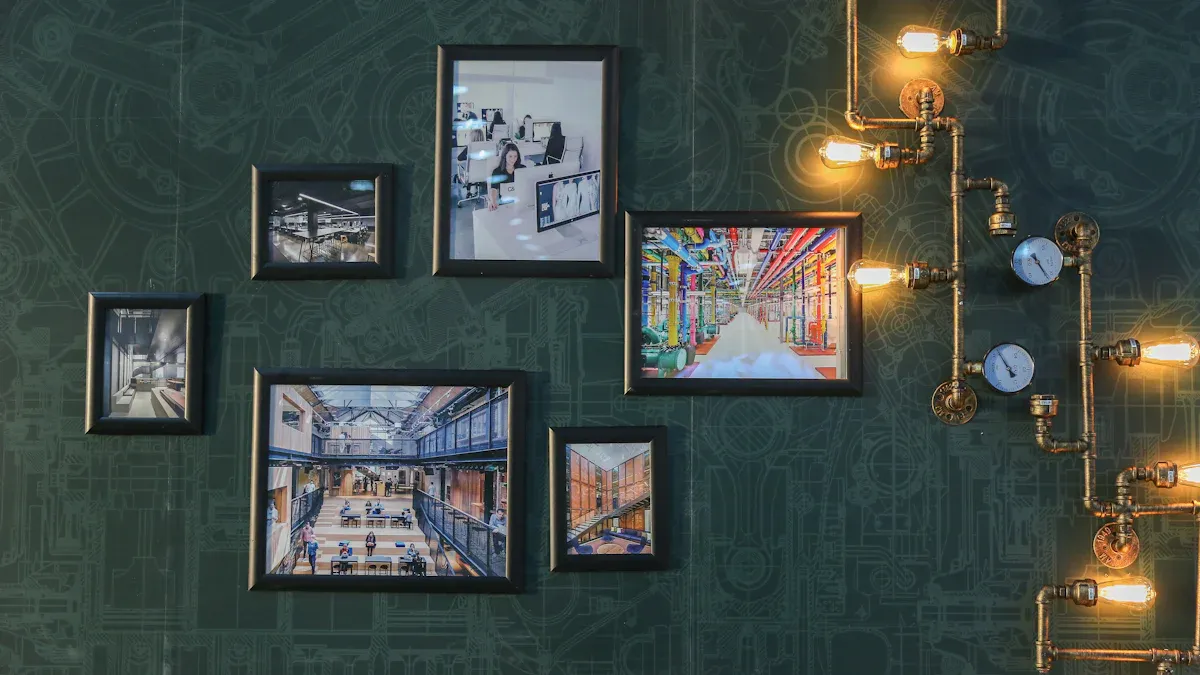
Styling floating frames is simple when you know the basics. You can make smart choices about color, art type, and spacing. This guide gives you practical tips to create beautiful, professional displays. Your choices in materials and design will help you build stunning gallery walls or single statement pieces.
Choosing the Right Frame Color
The color of your frame changes how you feel about the art. Your choice of materials can create drama, warmth, or a clean, modern look. A great frame enhances your artwork, making it seem even more valuable.
| Frame Color | Effect on Your Decor |
|---|---|
| Black | Creates high contrast and a feeling of elegance. |
| White | Offers a clean, minimalist look that makes art pop on colored walls. |
| Natural Wood | Adds warmth and an organic, grounded feel to your space. |
| Silver/Metallic | Provides a cool, modern touch of understated sophistication. |
Pro Tip 💡: Think about the mood you want. Warm wood frames can make a room feel cozy, while sleek metallic frames create a more modern home decor vibe. This is a key step in custom framing.
Matching Frame to Art Type
You might think these frames are only for canvas, but they are very versatile. They are an excellent choice for creating modern, gallery-style displays with different types of art.
- Canvas: This is the classic pairing. The frame protects the canvas edges while showing the entire piece.
- Mounted Photos: You can give your favorite photos a contemporary, frameless feel. Mount the photo on a rigid board first.
- Art Prints: For a high-end look, mount your prints before placing them in the frame. This technique helps you build curated gallery walls with a consistent style.
Getting the Spacing Perfect
The “float” is the most important feature of this picture framing style. The gap between the artwork and the frame creates the signature 3D effect. Getting this spacing right is essential.
For a professional look, the ideal gap is between 1/4 and 1/2 inch. This small space creates a subtle shadow that makes your art stand out. Many frame manufacturers automatically add this gap when you order. Always check the product details to ensure you get that perfect floating illusion.
When to Choose a Different Frame
Floating frames are incredibly versatile, but they are not the right choice for every situation. You should know when a different style of frame will better protect or complement your artwork. Understanding these exceptions helps you make the best decision for your space.
For Ornate and Traditional Interiors
Your home’s style plays a big role in frame selection. If your decor is traditional, a minimalist floating frame might look out of place. Ornate and traditional interiors often need frames with more character and detail.
- Swept Frames: These have detailed corners and a vintage feel.
- Gold or Silver Frames: These styles add a touch of classic luxury. Historically, these elaborate frames were status symbols.
These decorative frames add to the room’s traditional feel. They become part of the overall design instead of disappearing into the background.
For Delicate Art Needing Glazing
You must protect delicate art from the environment. Floating frames do not have a glass or acrylic cover, which is called glazing. This lack of a protective layer makes them unsuitable for certain types of media.
Important Note ⚠️: Works on paper are vulnerable to damage without a cover. This includes:
- Watercolors
- Pastel or charcoal drawings
- Fine art prints
Without glazing, these pieces are exposed to dust, moisture, and smudging. UV light from the sun can also cause colors to fade and paper to weaken over time. You should choose a traditional frame with protective glass for this type of art.
When the Frame Itself Is the Art
Sometimes, the frame is designed to be an extension of the piece. The goal is not for the frame to disappear but to add to the story. Historically, many artists designed their own frames to enhance their work. For example, some Symbolist artists extended their paintings onto the frame itself. In these cases, the frame and artwork are a single, unified creation. A simple floating frame would disrupt this artistic intention.
So, are floating frames for you? The answer is a resounding yes for 2025. They offer a sophisticated way to display art. Their unique 3D aesthetic and clean lines work perfectly with current design trends. This versatility helps you follow popular home decor trends. You can confidently use floating frames to give your art a professional, gallery-quality finish and elevate your space.
FAQ
Are floating frames more expensive than regular frames?
Floating frames can cost more than simple, standard frames. The final price depends on the material, like wood or metal, and the size you need. You can find many affordable options that give your art a premium look.
Can I use a floating frame for a poster?
Yes, you can frame a poster this way. You must mount your poster on a rigid backing first.
A foam board is a great choice for this. This step gives your poster the necessary thickness to sit correctly inside the frame.
How do I hang a floating frame?
You hang a floating frame just like a traditional picture frame. Most frames include hanging hardware on the back. You just need a secure nail or hook in your wall to display your art.
Do floating frames come in custom sizes?
Many companies offer custom-sized floating frames. This option is perfect for artwork with unusual dimensions. Custom frames help you build cohesive gallery walls with a polished and professional look for your home.
See Also
Acrylic Watch Displays: Understanding Their Design, Build, and Uses
Acrylic Coffee Tables: Why They’re the Hottest Trend Now
Frosted Acrylic: Exploring Its Nature, Characteristics, and Practical Uses
Designing Engaging Conversation Nooks Using Round Acrylic Coffee Tables
Clear Acrylic Trays: Essential Styling for Contemporary Home Decor

 English
  Français
  Русский
  Deutsch
  Español
  Português
  日本語
日本語