
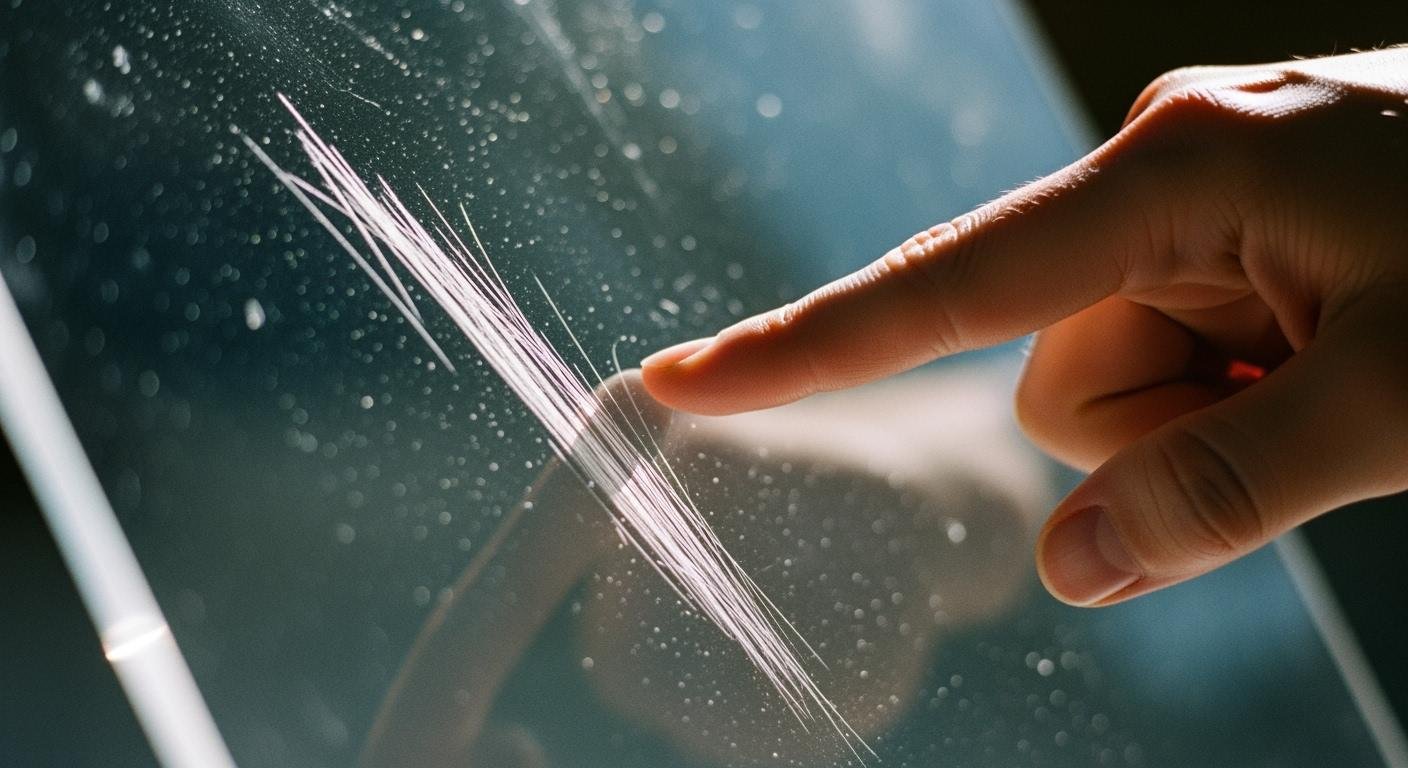
The primary disadvantage of acrylic is its low scratch resistance. This popular plastic has a relatively soft surface. Everyday handling and contact with rough materials can easily leave marks on the acrylic.
This is the main trade-off for acrylic’s key benefits. It offers superior impact resistance and is much lighter than traditional glass, making it a versatile but delicate choice.
The Primary Disadvantage of Acrylic: Scratches
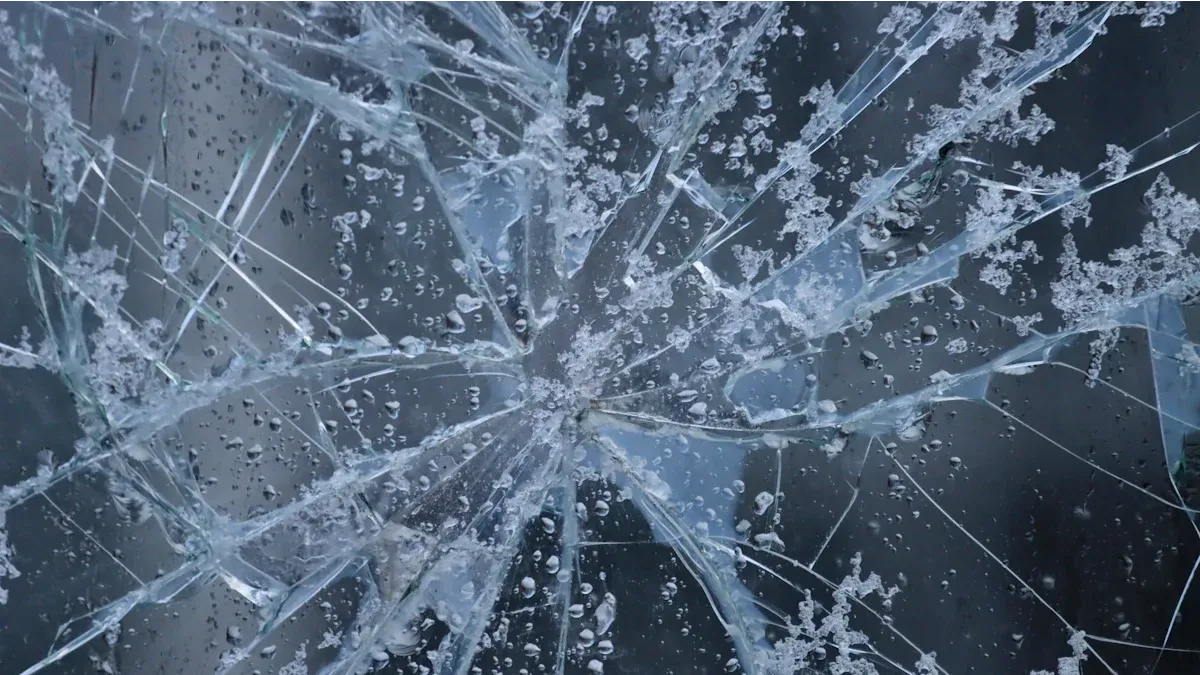
The softness of acrylic directly leads to its most significant weakness. Its surface simply cannot withstand rough contact in the way that harder materials like glass can. This makes it highly susceptible to marks from daily use and cleaning.
Poor Abrasion Resistance
Abrasion resistance measures a material’s ability to resist scratching and scuffing. Acrylic has poor abrasion resistance. This core disadvantage of acrylic means that many common objects can permanently mark its surface. People often cause damage without realizing it during simple cleaning or handling.
Several everyday items are surprisingly harmful to an acrylic surface:
- Paper Towels: The wood fibers in paper towels are abrasive and will leave fine scratches.
- Low-Quality Cloths: Many cleaning towels, especially those made from polyester or old, worn-out acrylic blends, can create micro-swirls.
- Dirty Towels: Any cleaning cloth, even a high-quality microfiber one, will scratch the surface if it has trapped grit or dirt particles.
Note: Always use a clean, high-quality microfiber cloth for cleaning acrylic. This simple step helps prevent the most common sources of scratching and preserves the material’s finish.
Impact on Optical Clarity
Scratches do more than just mar the surface; they ruin the material’s best feature. The primary impact of these marks is a loss of optical clarity. A single deep scratch can be distracting, but the accumulation of many fine scratches is a more common problem. Over time, these tiny marks build up and cause the acrylic to look cloudy or hazy.
This is especially problematic for applications where clear visibility is essential. For items like display cases, picture frames, or aquariums, this cloudiness defeats the purpose of using a transparent material. The once-pristine view becomes obscured and cheapened by the web of surface damage. This is a frustrating disadvantage of acrylic for many users.
Fortunately, the softness of acrylic also allows for repairs. Minor scratches can often be buffed out to restore the material’s appearance. The repair process typically involves a few steps:
- First, sand the damaged area with very fine wet sandpaper to remove the scratch.
- Next, use progressively finer grits of sandpaper to smooth the surface.
- Finally, use a specialized polishing compound to buff the area back to its original shine and clarity.
Exploring Other Disadvantages of Acrylic
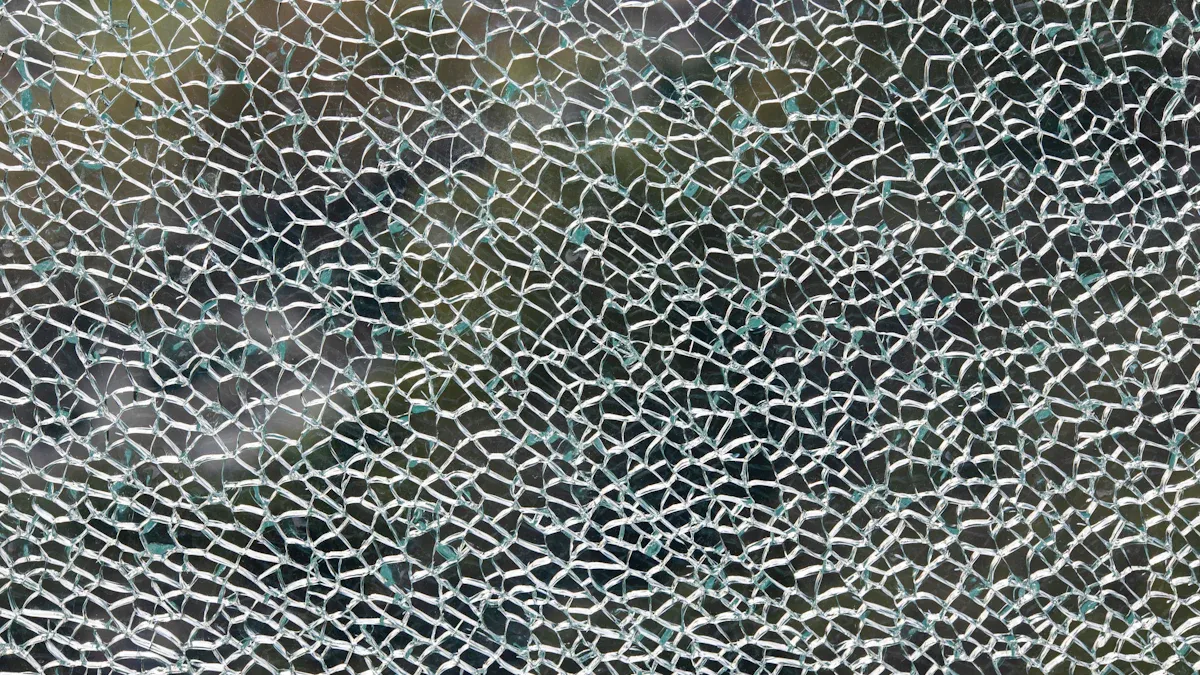
While scratches are the most common complaint, several other disadvantages of acrylic can affect its performance and longevity. Users should understand these weaknesses before choosing the material for a project. These issues range from its reaction to heat and chemicals to its environmental impact.
Poor Heat Resistance
Acrylic has poor resistance to heat. The material can warp, deform, or even crack at relatively low temperatures. This happens because acrylic has a low glass transition temperature, which is the point where the rigid plastic begins to soften and become rubbery.
Warning ⚠️: Never place hot objects directly on an acrylic surface or install it near heat sources like stovetops, ovens, or high-wattage light bulbs.
The exact temperature at which an acrylic resin begins to soften varies slightly by type. For example, the popular ACRYLITE® brand of acrylic resin has different temperature limits for its cast and premium grades.
| Acrylic Type | Glass Transition Temperature (°C) |
|---|---|
| ACRYLITE® Premium (FF) | 90-105 |
| ACRYLITE® Cast | 100-115 |
These temperatures are quite low, making the material unsuitable for high-temperature applications.
Chemical Sensitivity
Another significant disadvantage of acrylic is its sensitivity to certain chemicals. Many common household and industrial solvents can cause serious damage. Contact with these substances can lead to a destructive effect called “crazing.”
Crazing appears as a network of fine cracks on the surface of the acrylic. This is a form of environmental stress cracking. It occurs when a chemical agent is applied to the plastic while it is under stress. The result is a web of microcracks that permanently clouds the material and weakens its structure.
Users should avoid exposing acrylic to the following types of chemicals:
- Ketones (e.g., Acetone)
- Esters (e.g., Ethyl Acetate)
- Aromatic Hydrocarbons (e.g., Benzene, Toluene)
- Chlorinated Hydrocarbons (e.g., Methylene Chloride)
- Harsh Cleaners containing ammonia or alcohol
Even fumes from paint or certain cleaning agents can induce crazing if ventilation is poor. Always use a simple mixture of mild soap and water for cleaning.
Breaks into Sharp Edges
Many people believe acrylic is unbreakable. This is a common misconception. While acrylic is much stronger than standard glass, it can still break under a sharp, forceful impact. Unlike polycarbonate, which tends to bend or dent, acrylic is more brittle. A strong blow can cause it to shatter into large, jagged pieces with sharp edges.
The impact resistance of acrylic is similar to tempered glass but far lower than polycarbonate.
| Material | Impact Resistance (J/m) | Failure Mode |
|---|---|---|
| 6mm Annealed Glass | 1.2 | Shatters |
| 6mm Acrylic | 15 | Cracks radially |
| 6mm Polycarbonate | 250 | Deforms plastically |
This tendency to break into sharp fragments makes standard acrylic a potential safety hazard in high-impact environments. However, some specialized impact-resistant acrylic resin products are designed to meet safety standards like ANSI Z 97.1 by breaking into blunt-edged pieces.
Aging and Environmental Degradation
The long-term durability and environmental impact of acrylic are also important considerations. Acrylic is a petroleum-based plastic. Its production relies on fossil fuels, which are non-renewable resources. The manufacturing process is energy-intensive and can release harmful compounds into the atmosphere.
At the end of its life, acrylic poses a disposal challenge. It is not biodegradable and can take hundreds of years to decompose in a landfill.
Furthermore, long-term exposure to ultraviolet (UV) radiation from the sun can degrade the acrylic resin. This photo-oxidation process breaks down the polymer chains within the material. Over many years, this can cause two main problems:
- Yellowing: The material can develop a yellow tint, which ruins its optical clarity.
- Brittleness: The acrylic sheet becomes more brittle and loses its impact strength, making it more likely to crack or break.
High Cost and Maintenance Needs
Finally, acrylic requires careful handling and specific maintenance, which adds to its overall cost of ownership. Its vulnerability to scratches and chemicals means users cannot clean it with just any cloth or cleaner.
Proper maintenance involves a specific routine:
- First, blow away loose dust with compressed air.
- Next, wash the surface gently with a clean microfiber cloth, mild dish soap, and water.
- Finally, dry it with a separate, clean microfiber cloth to prevent water spots.
Avoiding abrasive paper towels and harsh chemical cleaners like Windex is essential. This high level of required care can be a burden for many users, making it a less practical choice for high-traffic or low-maintenance applications.
Mitigating Acrylic’s Weaknesses
Understanding the weaknesses of an acrylic resin is the first step toward overcoming them. Users can take specific actions to prevent damage and make informed decisions when selecting materials. These strategies help maximize the benefits of acrylic while minimizing its drawbacks.
Preventing and Repairing Scratches
Prevention is the best strategy for keeping an acrylic surface pristine. The most effective solution is choosing an acrylic resin with a scratch-resistant coating. This special layer hardens the surface, protecting it from scuffs and abrasions. These coatings also offer excellent UV protection, which prevents the acrylic resin from yellowing over time.
When scratches do occur, the softness of the acrylic resin allows for repairs.
- Light Scratches: Minor scuffs often respond well to commercial products. Users can apply polishing compounds or mild abrasive cleaners with a soft microfiber cloth to buff out the mark.
- Deeper Scratches: Marks that catch a fingernail require a multi-step process. The user must first wet-sand the area with fine-grit sandpaper. Then, they can use progressively finer grits to smooth the surface before buffing it back to a shine with a polishing compound.
Consejo: Always clean the surface with mild soap and water before attempting any repair. Trapped dirt can cause more scratches during the polishing process.
Choosing the Right Material
Sometimes, acrylic is not the best choice for a project. Choosing the right material depends on factors like strength, cost, and the specific application. There are different types of acrylic, such as cast acrylic and extruded acrylic, but other materials may be more suitable.
For applications demanding extreme durability, polycarbonate is a superior alternative. It is virtually unbreakable and can withstand immense impact, making it ideal for:
- Safety goggles and face shields
- Machine guards
- Bullet-resistant windows
Glass remains the best option for applications requiring high scratch resistance and chemical inertness. Its hard surface resists scratches far better than any plastic. This makes it perfect for laboratory equipment and building windows.
Ultimately, the decision between different types of acrylic, polycarbonate, and glass depends on the project’s needs. Cast acrylic offers excellent optical clarity, while another acrylic resin might be more budget-friendly. A careful evaluation ensures the final product is both functional and durable. Cast acrylic is often clearer than extruded acrylic, which is another point to consider.
The primary disadvantage of acrylic is its poor scratch resistance. Users often find this the most frustrating issue. The material also has weaknesses like poor heat resistance and sensitivity to chemicals. However, understanding these limitations is key to using acrylic successfully. Its benefits shine in specific applications where its weaknesses are less critical.
- Retail Displays
- Medical Devices
- Signage
- Protective Barriers
- Art and Decor
Proper knowledge helps people choose acrylic for the right job and care for it correctly.
PREGUNTAS FRECUENTES
Why does acrylic scratch so easily?
Acrylic has a soft surface. This softness makes it vulnerable to marks from everyday objects and improper cleaning. Even paper towels can leave fine scratches. Its low abrasion resistance is the main reason it scratches much more easily than glass.
Can I use Windex to clean acrylic?
No, you should never use Windex or other glass cleaners on acrylic. These products often contain ammonia or alcohol. These chemicals can cause crazing, which is a network of tiny cracks that permanently damages the material and makes it look cloudy.
Is acrylic a good choice for outdoor use?
Acrylic can be used outdoors, but it has drawbacks. Long-term sun exposure can cause the material to become brittle and develop a yellow tint. For better durability, users should choose an acrylic sheet with a special UV-protective coating.
What is the main difference between acrylic and polycarbonate?
The biggest difference is impact strength. Polycarbonate is much stronger and can bend without breaking, making it nearly shatterproof. Acrylic is more rigid and can crack or shatter into sharp pieces under a strong, direct impact.
See Also
Acrylic Blocks: Understanding Their Definition, Key Features, and Uses
Impact-Modified Acrylic: Exploring Its Definition, Properties, and Applications
Acrylic Aquariums: A Look at Their Definition, Benefits, and Design
Acrylic Risers: Defining Their Purpose, Characteristics, and Versatile Uses
Acrylic (PMMA): Unveiling Its Definition, Essential Properties, and Applications

 Español
  English
  Français
  Русский
  Deutsch
  Português
  日本語
日本語