

This beginner’s guide helps you showcase your prized collection. You take pride in your collectibles, from a LEGO® F1 car collection to a single collectible action figure. An acrylic display case offers the best protection for your collectibles. This display case elevates your collectibles from simple items to a true art display. This acrylic box creates effective displays for your whole collection.
Top Collectible Display Ideas:
- Use a single display case for one special collectible.
- Use a larger box or case for a full collection of collectibles.
This approach helps you create a professional display. This case makes your collection a fantastic display, turning your space into a unique display.
Choosing Your Acrylic Display Case
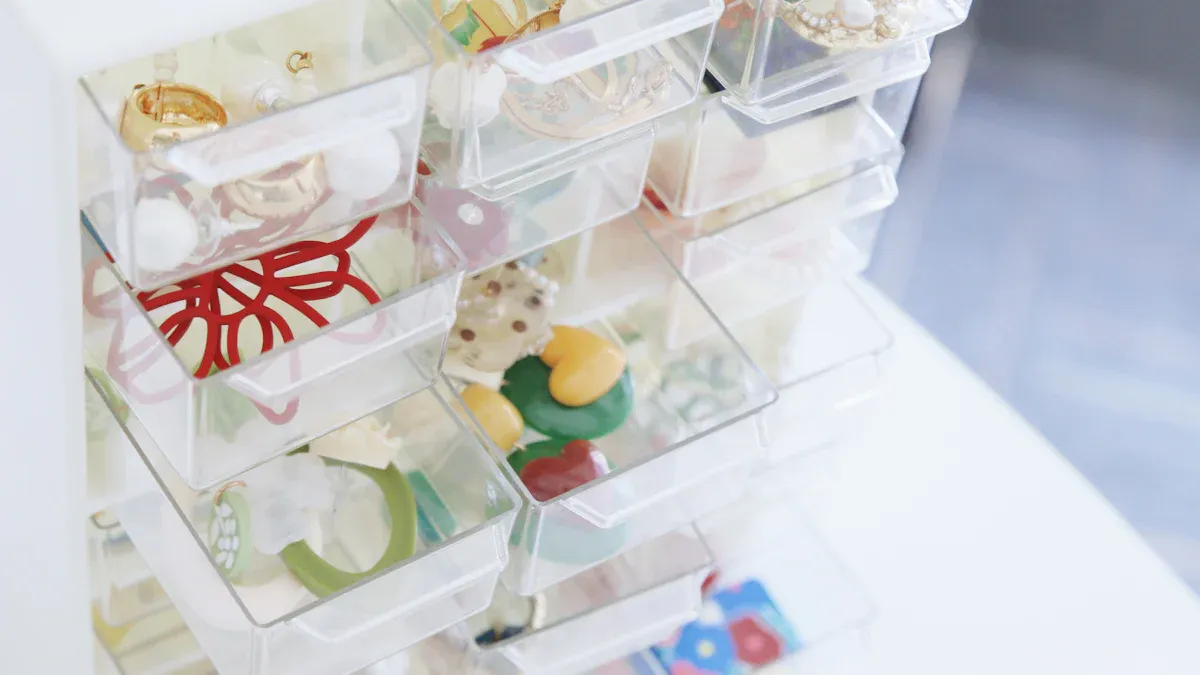
You need the right display case to create an amazing display. The perfect acrylic display case protects your collectibles and fits your display needs. A quality custom case starts with precise measurements and an understanding of your preservation goals. This choice ensures your collection gets the protection it deserves.
Measuring for the Perfect Fit
You must measure your collectible first. Get the total height, width, and depth. A common mistake is choosing a display case that is too small. Your collectibles need space to breathe. This negative space creates a professional, floating look and provides essential protection.
Pro Tip for Clearance:
- Medium Collectibles (3-12 inches): Add at least 1 inch of space on all sides.
- Large Collectibles (over 12 inches): Add 1 to 2 inches of clearance for a balanced display.
- Fragile Items: Give them extra room to prevent any contact with the acrylic case.
Proper spacing makes your collectible the star of the display. It also makes placing the item inside the box much easier. A custom-built case based on these measurements will perfectly fit your collectible display ideas.
Understanding Frame Depth and UV Protection
Your collection has three-dimensional items. A standard flat frame will not work. You need a display case with depth, like a shadow box display. The depth of a shadow box display turns your acrylic box into a small showcase. It creates shadows and layers that make your collection pop. This effect gives your display a dynamic, quality look.
The most critical factor for long-term preservation is UV protection. Standard acrylic allows harmful UV rays to pass through. These rays cause irreversible damage. Signatures can fade, and plastics can degrade or become sticky over time.
For maximum preservation, you should choose an acrylic display case with UV protection.
- A quality acrylic case with UV protection blocks up to 98% of damaging UV light.
- This level of UV protection is essential for maintaining the value and appearance of your collectibles.
Think of your display case as more than a box; it is a personal, climate-controlled museum case for your prized collection. A shadow box display with UV protection offers the best defense for your collectibles.
A Beginner’s Guide to Mounting
You have the perfect custom display case. Now you need to secure your collectibles inside. Proper mounting is the most important step in this beginner’s guide for the long-term preservation of your collection. A secure mount keeps your collectible safe from shifting or falling within the case. Using the right material also protects your collection from chemical damage over time. This process turns your box into a professional showcase.
Your Essential Mounting Toolkit
You do not need a workshop full of tools to create a quality display. A small, dedicated kit will give you everything you need for most projects. Your toolkit ensures you can handle different types of collectibles safely and effectively. Assembling these items before you start makes the entire process smooth and simple.
Your Mounting Checklist 📝
- Microfiber Cloth: Use this to clean your display case and collectible without leaving lint or scratches.
- Measuring Tape: For precise placement inside the case.
- Clear Fishing Line or Thread: This is your secret weapon for creating an invisible “floating” display for 3D objects.
- Sewing Needle: Helps you thread the fishing line through the backing of the display case.
- X-acto Knife: Useful for making small, precise holes in the case backing for your mounting threads.
- Acid-Free Mounting Tabs: The best choice for safely securing flat collectibles like cards or photos.
Supports for Different Collectibles
The mounting method you choose depends on your collectible. A flat trading card needs a different support system than a 3D action figure. The number one rule is to use a material that will not harm your collectibles. This is where understanding archival safety becomes critical for your display.
Archival-Safe vs. Acid-Free: What’s the Difference? You will see the term “acid-free,” but “archival-quality” offers your collection better preservation. A material is acid-free if its pH is neutral (7.0) or higher. However, true archival-safe material is also lignin-free. Lignin is a natural compound in wood pulp that causes paper to become yellow and brittle. For the best protection, always choose a material that is both acid-free and lignin-free to protect your collectibles from degradation. This is essential for any custom display case meant for valuable items.
For Flat Collectibles (Cards, Photos, Patches)
You should use acid-free mounting tabs for flat, lightweight collectibles. These are removable double-sided squares that hold items securely. You can place a small tab on the back of the collectible and press it onto the backing of the box. This method is perfect for creating an organized display of your card collection inside a larger display case.
For 3D Collectibles (Figurines, Models, Baseballs)
3D collectibles require a more creative approach. Your goal is to secure the item without the support being visible. This creates a stunning floating display.
-
Lightweight Objects: Clear fishing line is the ideal material. You can create tiny, secure loops around a stable part of your collectible, like the waist of a figurine or the axle of a model car. Then, you thread the ends of the line through small holes you make in the backing of the case. You can tie the line securely at the back. This technique makes your collectible the star of the display. It is one of the best collectible display ideas for a clean, modern look.
-
Heavy or Irregular Objects: A heavier collectible, like a signed baseball or a dense resin statue, needs more support. You can adapt the fishing line method by using multiple anchor points. This distributes the weight evenly, just like a suspension system. For these collectibles, you might use a thicker, stronger clear thread. This ensures your custom display remains stable and secure. This quality approach is essential for protecting a valuable part of your collection. The right support inside the box is as important as the UV protection of the case itself. Your collectible display ideas can be ambitious when you use the right mounting material.
Assembling Your Acrylic Display
You are now ready for the final assembly. This stage brings your custom display to life. A careful approach here ensures your collectibles look their best inside the display case. You will prepare your items, secure them to the backing, and close the case without a single smudge. This process creates a quality display you can be proud of.
Preparing Your Item and Frame
A clean collectible and a spotless display case are essential for a professional display. Dust and fingerprints can ruin the effect of your hard work. You should prepare both your item and the acrylic case before you begin mounting.
First, you need to clean your collectibles.
- Dusting Delicate Items: Use a can of compressed air or a soft brush. This removes dust from small crevices without damaging the collectible. You should avoid using a vacuum, as it can pull off small parts.
- Cleaning Grimy Items: Some items in your collection may need more than dusting. You can soak plastic items like LEGO® bricks in warm water with mild dish soap. You must never use bleach, as it can fade colors. Always let your collectibles dry completely before placing them in the display case.
Next, you must prepare the acrylic case. The acrylic material needs special care.
Tips for a Spotless Acrylic Display Case
- DO use a soft, lint-free microfiber cloth.
- DO use cleaners made specifically for acrylic, like Novus 1. A mix of mild dish soap and warm water also works well.
- DON’T use ammonia-based cleaners like Windex. These products can make the acrylic cloudy or cause cracks over time.
- DON’T use all-purpose cleaners. Their harsh chemicals can damage the surface of your custom case.
A clean surface ensures your display is crystal clear. This preparation makes your collection the true focus of the display.
Securing the Item to the Backing
You have a clean collectible and a spotless case. Now you will attach your item to the backing board. Your goal is to create a secure display that looks effortless. The method you choose depends on the weight and shape of your collectibles.
- Poster Putty: This is a great option for very lightweight items. You can place a small amount of putty on the back of your item. Then you press it firmly onto the backing board. This method is simple and reversible.
- Invisible Thread: You already learned about using clear fishing line for a floating display. You will now secure it. After looping the thread around your item, you poke the ends through the backing. You can then tie a tight knot on the back side of the board. This creates a secure and nearly invisible support system for your display.
- Glue: You can use craft glue for a permanent bond. This method is best for items you never plan to remove. You apply a small dot of glue to the backing board. Then you press the item onto the glue and hold it for at least 10 seconds. This creates a very strong hold for your display.
Choosing the right method keeps your collection safe inside the display case. This step turns your custom case into a true showcase.
Final Assembly without Smudges
The final step is closing your acrylic display case. You want to do this without leaving any fingerprints or dust inside. This requires a careful and deliberate process. Your patience here will result in a perfect, gallery-quality display.
First, you should handle the acrylic panels by their edges only. You can also wear lint-free gloves for extra protection. If you do get a smudge, you can clean it.
- Use a specialized acrylic cleaner like Novus 1.
- You can also use a 50% isopropyl alcohol solution with a clean microfiber cloth.
Once the backing with your mounted collectible is ready, you can seal the case. A proper seal is vital. It prevents dust from entering and protects your collection from environmental changes. Using archival tape is the best method for this.
| Do’s for Sealing Your Case | Don’ts for Sealing Your Case |
|---|---|
| Use acid-free, conservation-grade tape. | Use regular tape that can yellow and fail. |
| Make sure the case is completely dry inside. | Seal moisture inside, which can cause mold. |
| Check the seal once a year for any wear. | Forget about maintenance over time. |
You apply the acid-free tape to the edge of the frame where the back panel will sit. Then you press the back panel firmly into place. This creates an airtight seal. This final touch completes your display and offers long-term protection for your valuable collection.
Hanging Your Finished Collection
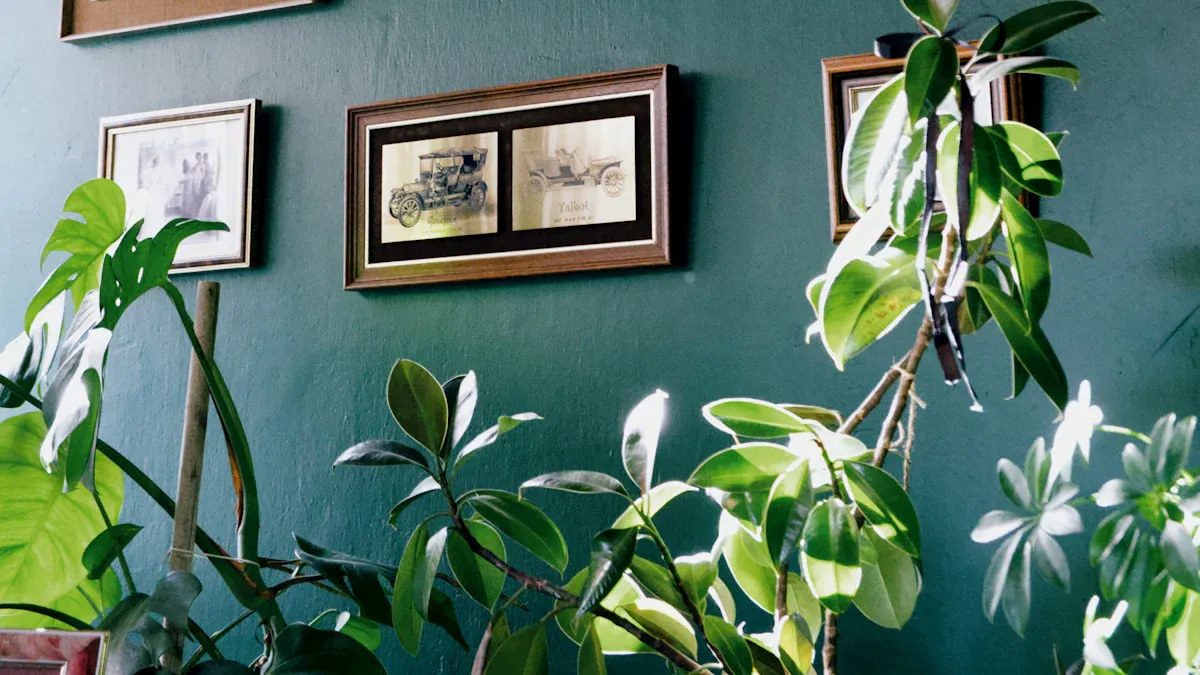
You have assembled your display case. Now you will hang your finished collection. Choosing the right hardware is essential for a secure display. The weight of your case determines the best mounting solution. A heavy case needs more support than a lightweight one. This ensures your collectibles remain safe on the wall.
Hardware for Lightweight Displays
You can use simple hardware for a lightweight display case. Adhesive strips are a great damage-free option. They work well for a small case holding a single collectible. You must check the weight limit of the strips before you hang your case.
Adhesive Strip Weight Limits
- Poster Strips: Hold up to 1 pound.
- Medium Strips: Hold up to 3 pounds.
- Large Strips: Hold up to 5 pounds.
Always use the correct number of strips for your display weight. This method is one of the easiest collectible display ideas for your lighter collectibles.
Mounts for Medium-Weight Displays
A medium-weight case requires stronger support. Your collection of collectibles needs a secure mount. Heavy-duty fasteners offer a tool-free solution for this type of display. These products provide a stronger hold than standard adhesive strips.
| Product Name | Weight Limit | Requires Studs |
|---|---|---|
| Command™ Picture Hanging Strips | Up to 20 lbs | No |
| 3M CLAW™ Drywall Hangers | Up to 65 lbs | No |
Magnetic mounts are another excellent choice for a modern display. You stick one magnet to the wall and another to your case. This creates a floating look for your collection. This is one of the best collectible display ideas for a clean setup.
Solutions for Heavy Displays
You must use secure hardware for a heavy display case. A large case with many collectibles needs robust support. You should anchor reinforced hooks directly into the wall. For drywall, you will need special anchors.
- Toggle bolts are essential for heavy items.
- Self-drilling anchors also provide a secure hold.
A French cleat system is one of the best collectible display ideas for a very heavy case. This system uses two interlocking wood pieces. One piece attaches to the wall, and the other attaches to your display case. Gravity locks them together. This method distributes the weight of your collection across the wall for maximum stability. It provides the best support for your most valuable collectible.
You now have the knowledge from this beginner’s guide to create a professional display. Your collection deserves a fantastic display. Remember these key rules for every display you create:
- Measure for clearance for a floating display.
- Use archival-safe materials for a safe display.
- Match hanging hardware to your display’s weight for a secure display.
This beginner’s guide empowers you to start your first project. Transform your collection into a stunning display. You can create a beautiful display.
PREGUNTAS FRECUENTES
How do I clean my acrylic display?
You should use a soft microfiber cloth. For cleaning, you can use a special acrylic cleaner or a simple mix of mild soap and water. You must avoid ammonia-based cleaners like Windex. These products can damage the acrylic over time.
Can I display multiple items together?
Yes, you can display a full collection together. You need a larger custom case for this purpose. You should plan your layout carefully before mounting. This creates an organized and impressive display that tells a story with your collectibles.
What if my collectible has an odd shape?
You can use clear fishing line for oddly shaped items. You create small, secure loops around stable parts of the object. This method creates a floating effect. For heavier items, you can use multiple anchor points to distribute the weight evenly.
How often should I check my display?
You should inspect your display at least once a year. Check the seal for any gaps that might let dust in. You also need to make sure the mounting hardware is still secure. This simple check keeps your collection safe. 🧐
See Also
Your Comprehensive Guide to Mastering Acrylic Table Stands for Displays
Debunking Acrylic Tray Misconceptions: Simple DIY Projects for Creative Use
Effortless Coffee Table Choices: A Designer’s Simplified Approach to Selection
Innovative Display Ideas: Utilizing Acrylic Table Top Stands for Showcases
Transform Your Home: Ten Ingenious Styling Tips for Small Acrylic Trays

 Español
  English
  Français
  Русский
  Deutsch
  Português
  日本語
日本語