
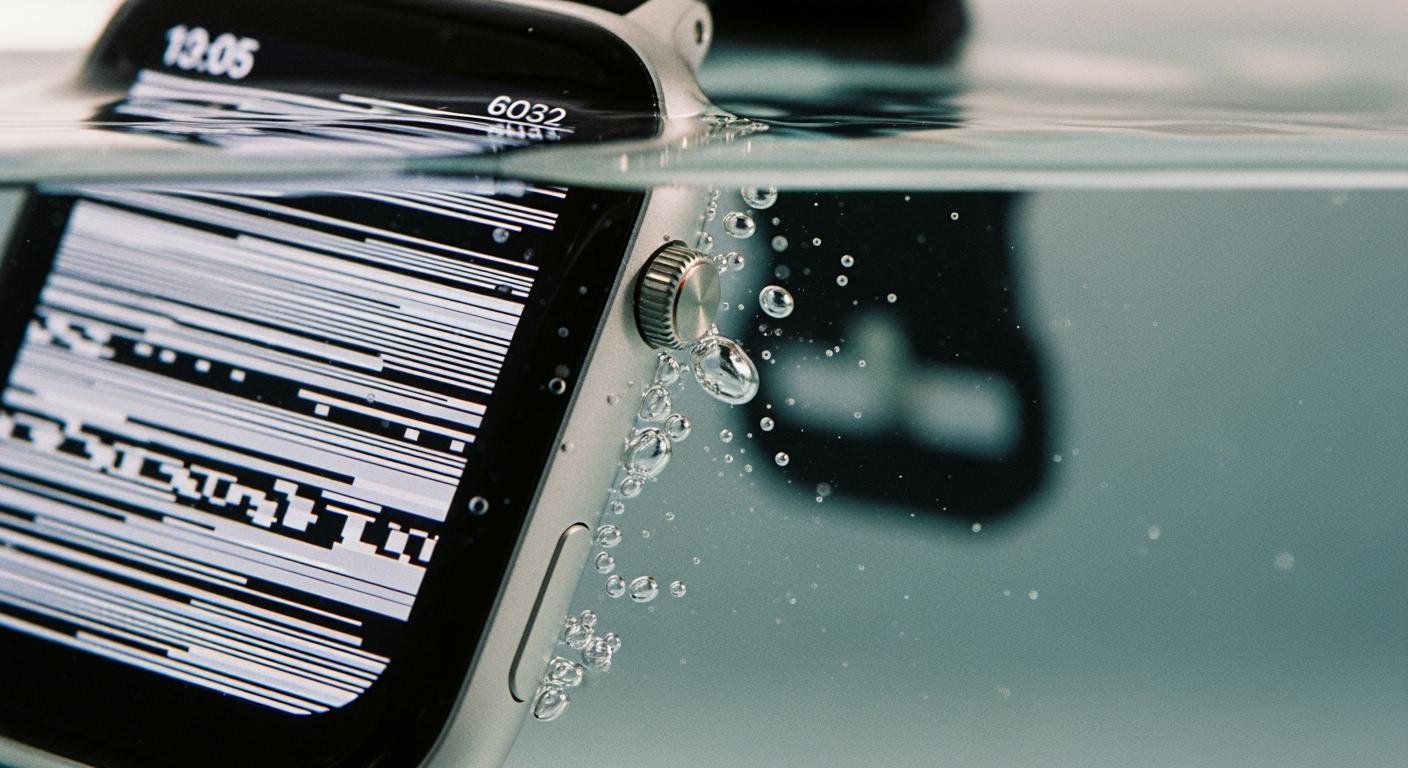
Many common mistakes can damage your acrylic keychains. These mistakes fall into three main areas: flawed sealing, incorrect acrylic assembly, and improper daily care. These errors create tiny openings in your acrylic keychain.
Note: Moisture and water exploit these openings. This water causes moisture damage, making your colorful acrylic keychains peel or bleed.
This water is the enemy of your acrylic keychains. You can create a durable keychain. A protected keychain is a quality keychain. Achieving true water resistance for your keychains is simple. You just need to avoid these errors for every acrylic keychain and keychain you make.
Poor Sealing and Its Impact on Water Resistance:
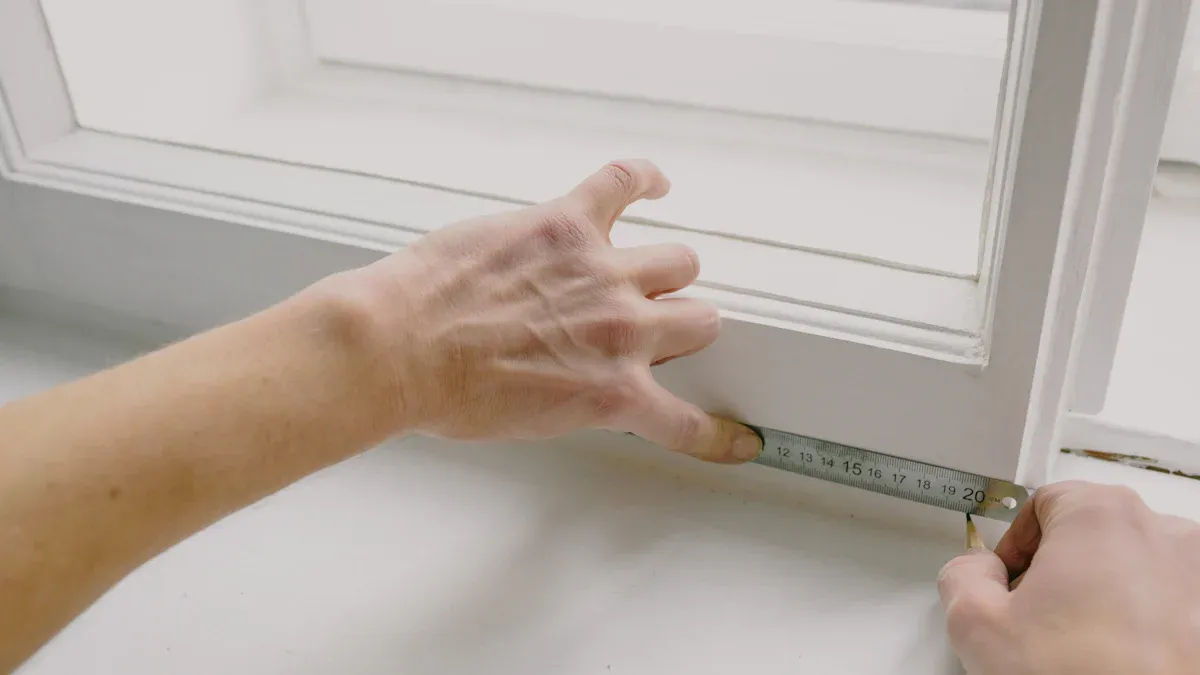
Your sealant is the primary shield for your acrylic keychain. A poor seal invites water damage. You must apply the sealant correctly to achieve true water resistance. This step ensures your acrylic keychain has strong protection against the elements.
Thin Sealant Application
A single, thin coat of sealant is a common mistake. This weak layer leaves tiny, invisible gaps. Water easily penetrates these gaps and ruins your acrylic keychain. You should apply multiple even coats to build a solid barrier. A proper sealant layer should be thick enough to create a complete seal, often around 0.5 mm, which you cannot achieve with just one pass. This method prevents water from reaching the acrylic design. Building up layers on your keychain is crucial.
Neglecting Keychain Edges
The edges of an acrylic keychain are its most vulnerable point. Many creators focus only on the flat front and back surfaces. They forget to seal the sides of the keychain completely. This oversight leaves a direct path for water to enter.
The edges of your acrylic keychains are the first place water will attack. You must carefully coat and seal every single edge of the keychain. Turn the keychain on its side and apply sealant directly to ensure no part of the acrylic is exposed.
Wrong Sealant Choice
Using the wrong type of sealant can ruin your colorful acrylic keychains. Not all clear coats offer the same level of defense against moisture and water. You need a sealant designed for durability and water resistance. Here are some tips for choosing the right product for your acrylic keychains:
- Water-Based Spar Urethane: This is an excellent choice. It provides a durable, waterproof finish that protects the acrylic from outdoor exposure and keeps the design from fading.
- Acrylic Resins: Products like Rust-Oleum’s clear acrylic sprays are also effective. For the best results on your keychains, brush-on sealers often create a thicker, more reliable barrier against water than spray-on types.
Choosing a quality sealant is a simple step that guarantees a long life for every keychain you make.
Material and Assembly Flaws:
A strong seal is only half the battle. The materials you choose and the way you assemble your acrylic keychain are just as important. Flaws during assembly create hidden weaknesses. These weak spots allow water to seep in and ruin your hard work, no matter how well you seal the outside of the acrylic keychain.
Using Porous Inserts
The design inside your acrylic keychain needs protection. Many creators use paper or vinyl for their designs. Untreated paper acts like a sponge. It will absorb moisture and cause the ink to bleed, even inside a sealed acrylic keychain. This ruins your colorful acrylic keychains. You must prepare your inserts before encasing them.
Here are some simple tips to waterproof your paper inserts:
- Use Glue: Apply two coats of clear-drying glue to the front, back, and edges. Let it dry completely.
- Use Tape: Cover the insert with clear packing tape. Make sure the tape overlaps to create a full seal against water.
- Use a Spray Sealer: Apply an even coat of a spray sealant in a well-ventilated area.
Trapping Air Bubbles
Air bubbles are more than just a visual flaw in an acrylic keychain. Each bubble is a tiny pocket of air. These pockets can create channels that lead from the surface deep into the acrylic. Water can travel through these channels, bypassing your sealant. This leads to damage from the inside out.
You can prevent most bubbles with careful work. Mix your resin slowly to avoid whipping air into it. Pour the resin gently down the side of your mold. This helps the resin fill the space without trapping new air. Taking your time here makes for a stronger acrylic keychain.
Incomplete Resin Curing
Your resin must cure completely to form a hard, solid barrier. If the resin is under-cured, it remains soft and porous. An incomplete cure fails to create an impermeable shield against water. High humidity is a common enemy here. It slows the curing process and can lead to a weaker final bond. This creates a soft, porous acrylic keychain that easily absorbs moisture. A properly cured acrylic keychain is essential for durability. Always follow the resin instructions and work in a controlled environment for the best results on your keychains. This ensures every keychain you make is strong and water-resistant.
Damage From Daily Use and Cleaning:
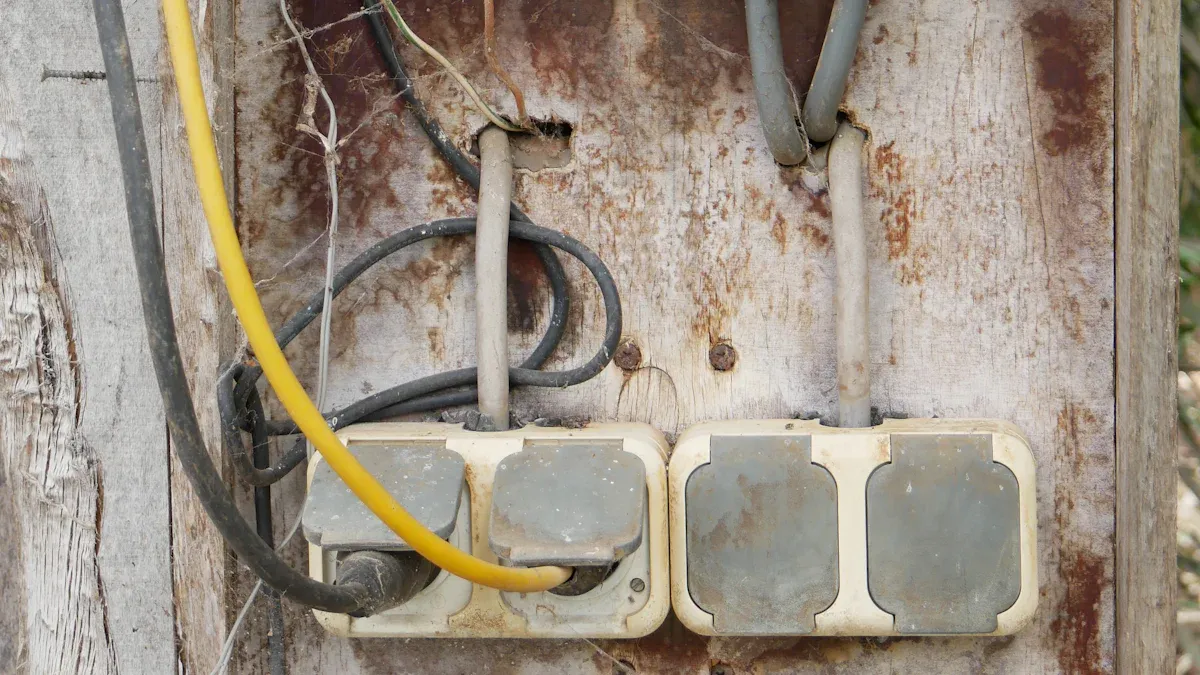
Your creation process can be perfect, but a keychain’s journey does not end there. Daily use and improper care can undo all your hard work. Scratches, harsh chemicals, and too much water will break down the protective layers of your acrylic keychains, leading to damage. Proper care is essential for long-term durability.
Abrasions and Scratches
Daily life is tough on an acrylic keychain. Tossing it in a bag or stacking carelessly with keys and coins causes scratches. Acrylic is a soft material, rating only a 3 on the Mohs hardness scale. This means common metal objects will easily leave marks on the acrylic surface. These scratches are not just ugly; they create weak points in the sealant where water can enter. Here are some quick tips to fix minor damage:
- Clean the acrylic area with mild soap and water.
- Use a fine acrylic polish like Novus No. 2 on light scratches.
- Buff the area in a circular motion with a soft cloth until the mark disappears.
Improper Keychain Cleaning
You must clean your acrylic keychains correctly. Using the wrong chemicals is a fast way to ruin them. Harsh cleaners can destroy the sealant and damage the acrylic itself.
Warning: Never use acetone or rubbing alcohol. Acetone has a similar chemical makeup to acrylic and will soften or even dissolve the surface. Alcohol can strip the protective sealant and make the acrylic foggy.
Safe cleaning is simple. A regular light cleaning with a soft cloth, mild soap, and warm water is all you need for cleaning and restoring vibrancy. This gentle approach keeps your colorful acrylic keychains looking great without compromising the seal. Proper cleaning and restoring vibrancy is a key part of long-term care.
Prolonged Water Submersion
You need to understand the difference between “water-resistant” and “waterproof.” Your sealed acrylic keychain is water-resistant. It can handle splashes or rain. It is not waterproof, which means it cannot be submerged in water. No handmade item is truly waterproof forever. Prolonged exposure to water allows moisture to slowly seep past even the best seal. Think of it like a boat; even strong materials can degrade after being left in the water for a year. Your goal is to create excellent water resistance, not to make a keychain for swimming.
You can achieve excellent water resistance for your acrylic keychain. Avoiding these common mistakes is the key. Your path to a professional-quality acrylic keychain involves a few simple tips.
- Seal Your Acrylic Keychain: Use a quality sealant on your acrylic keychain. Cover every edge of the acrylic keychain.
- Assemble Your Acrylic Keychain Correctly: Ensure your acrylic has a bubble-free, complete cure.
- Proper Care: Handle your finished acrylic keychain with care. This protects the acrylic from damage.
Following these steps for all your acrylic keychains ensures you avoid simple mistakes. Your colorful acrylic keychains will be durable and long-lasting.
PREGUNTAS FRECUENTES
Why did my keychain get cloudy after sealing?
Cloudiness often happens when you trap moisture. You might have applied sealant in a humid room. The sealant then cured over tiny water droplets. Always work in a dry, well-ventilated area to prevent this problem and keep your colorful acrylic keychains clear.
Can I use any clear spray paint as a sealant?
You should not use just any spray paint. Many craft sprays are not waterproof and will fail. You need a sealant designed for outdoor use or marine applications.
For best results, choose a water-based spar urethane or a clear acrylic resin. These products offer superior protection against moisture.
What are the best tips for protecting my paper insert?
You must make your paper insert waterproof before adding resin. This prevents the ink from bleeding.
- Laminate the paper completely.
- Coat the insert with clear-drying glue on all sides.
- Use clear packing tape, overlapping the edges to create a full seal.
See Also
Chemical Resistance Explained: Factors and Uses for Acrylic Products
Understanding UV Resistance: How It Works in Acrylic Applications
Surface Hardness in Acrylics: Defined, Tested, and Applied Effectively
Busting Acrylic Tray Myths with Simple and Creative DIY Projects
Solvent Cementing for Acrylics: Process, Definition, and Fabrication Uses

 Español
  English
  Français
  Русский
  Deutsch
  Português
  日本語
日本語