
Definición en una frase
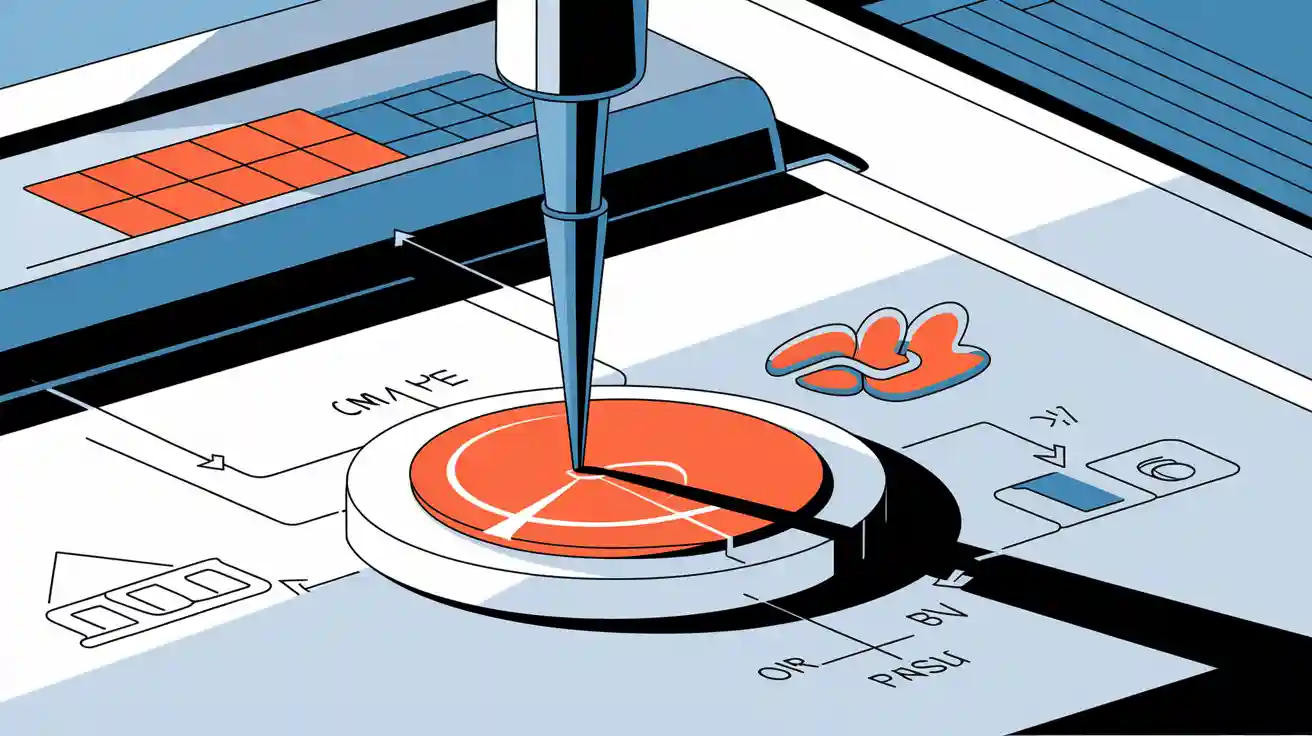
The Vicat Softening Point (VST) is the temperature at which a plastic material, such as acrylic, softens enough for a standard needle to penetrate 1 mm under a specified load, as determined by international standards like ISO 306 and ASTM D1525.
Explicación detallada
The Vicat Softening Point is a key indicator of a thermoplastic’s resistance to heat and deformation. Unlike crystalline plastics, which have a clear melting point, amorphous plastics like acrylic (PMMA) gradually soften when heated. The VST test measures the temperature at which a flat-ended needle, loaded with a specific weight, penetrates the material to a depth of 1 mm. This value helps manufacturers and engineers assess how a material will perform in high-temperature environments.
The test is standardized globally, with ISO 306 and ASTM D1525 being the most widely used protocols. These standards specify the load (either 10N or 50N) and the heating rate (50°C/h or 120°C/h), resulting in four main test methods (A50, B50, A120, B120). The sample is typically immersed in an oil bath or heated by contact plates, and the temperature is recorded when the required penetration is reached (ZwickRoell).
Key Components of the Vicat Test
- Sample Preparation: Standard size (10 x 10 mm, 3–6.5 mm thick)
- Load: 10N or 50N, depending on the method
- Heating Rate: 50°C/h or 120°C/h
- Penetration Depth: 1 mm
- Test Medium: Usually an oil bath for uniform heating
Visual Aid Suggestion: A schematic diagram showing the Vicat needle pressing into a heated plastic sample, with temperature and load indicators.
Aplicaciones reales
Acrylic Products and the Importance of VST
For manufacturers like Toyin Productos Acrílicos S.L. (TOYIN), the Vicat Softening Point is crucial in selecting and certifying materials for custom acrylic products. For example, when designing display racks, storage boxes, or protective covers that may be exposed to sunlight or high ambient temperatures, choosing an acrylic grade with a high VST ensures the product maintains its shape and function without warping or deforming.
Case Example: A retail client requests custom acrylic display stands for a store in a hot climate. TOYIN’s engineers use VST data to select a PMMA grade with a Vicat Softening Point above 100°C, ensuring the stands remain stable even under intense lighting or heat.
Related Concepts: HDT, Tg, and Melting Point
- Heat Deflection Temperature (HDT): The temperature at which a plastic sample bends 0.25 mm under a specified load. HDT measures loss of stiffness, while VST measures onset of softening. See detailed comparison.
- Glass Transition Temperature (Tg): The temperature where a polymer transitions from a hard, glassy state to a rubbery state. Tg is not load-dependent and is usually lower than VST.
- Melting Point: Only relevant for crystalline polymers; amorphous plastics like acrylic do not have a true melting point.
| Property | What It Measures | Typical Value for PMMA (Acrylic) |
|---|---|---|
| Vicat Softening Point | Onset of softening under load | 80–110°C |
| Heat Deflection Temp (HDT) | Loss of stiffness under load | 70–100°C |
| Glass Transition Temp (Tg) | Glassy to rubbery transition | ~105°C |
Visual Aid Suggestion: Table or infographic comparing VST, HDT, and Tg for acrylic.
Why Does VST Matter?
Understanding the Vicat Softening Point helps designers and engineers:
- Select the right material for products exposed to heat
- Ensure product safety and durability
- Communicate performance data to clients
- Meet international quality standards
Learn More or Request Custom Acrylic Solutions
If you need high-performance, heat-resistant acrylic products for retail, office, or industrial use, contact TOYIN for custom solutions. Our team leverages VST and other key material data to deliver reliable, tailored acrylic products worldwide.

 Español
  English
  Français
  Русский
  Deutsch
  Português
  日本語
日本語