
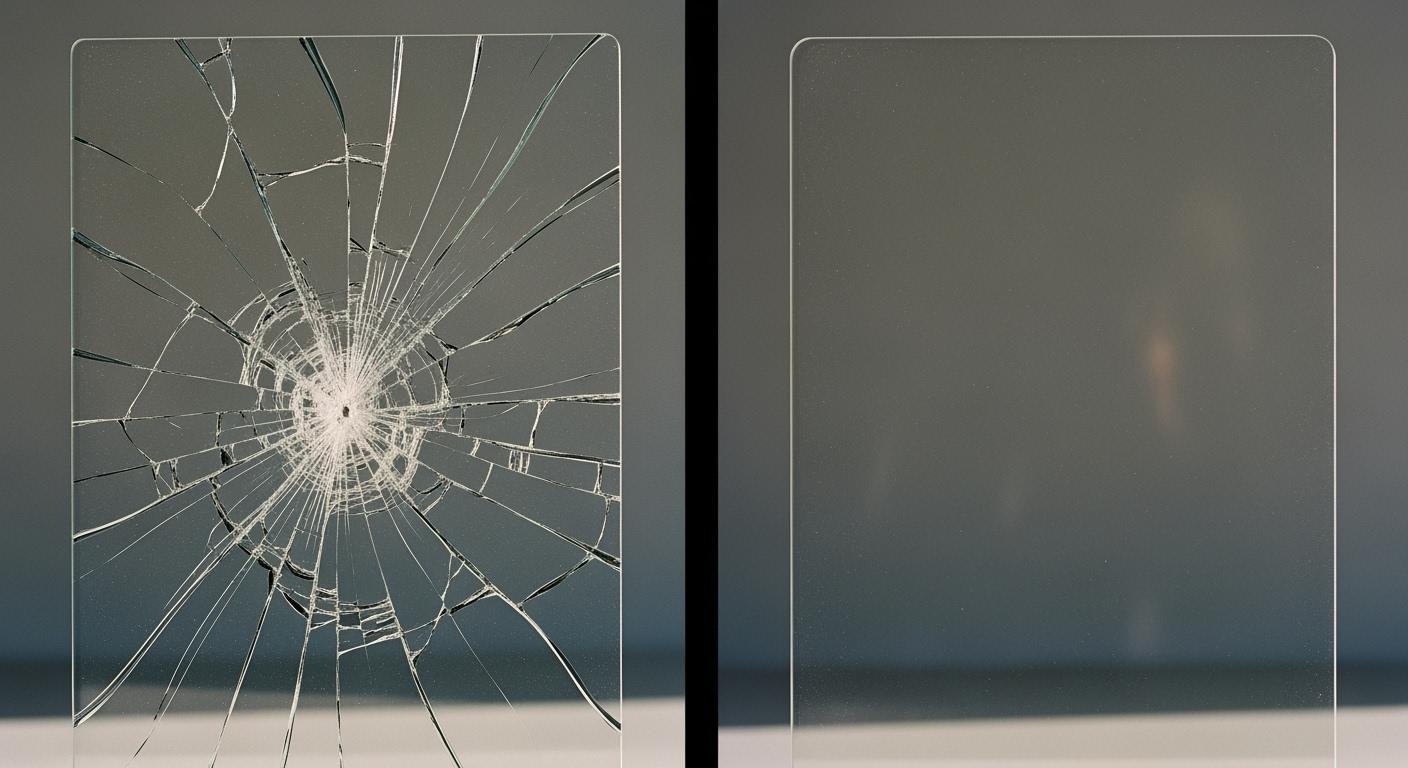
You need the right material for your picture framing. Traditional glass has its place for framing. However, acrylic glass has become the top choice for most modern framing.
For most framing projects, you will find acrylic is the better option. This strong acrylic is much lighter than glass. This makes acrylic for picture frames a safer and clearer choice for your framing needs, as acrylic lacks the green tint of glass.
Understanding the benefits of acrylic helps you protect your art.
Glass vs Acrylic: A Direct Comparison

When you choose between glass vs acrylic, you need to look at the key differences. This direct comparison will help you select the best material for your custom framing projects. We will explore durability, transparency, weight, UV protection, and overall value.
Durability and Impact Resistance
Your artwork’s safety is a top priority. The durability of your frame’s glazing plays a huge role. Acrylic is significantly stronger than standard glass. It resists impact much better. This makes acrylic a safer and more durable choice for almost any setting.
Traditional glass is brittle. An impact can cause dangerous shattering. These sharp pieces can damage your art and create a safety hazard. Acrylic, on the other hand, is shatterproof. It is 10 to 20 times more resistant to breaking. If it does break under extreme force, it cracks into large, dull-edged pieces instead of shattering. This quality provides peace of mind, especially in busy homes or public spaces.
Impact Strength: A Clear Winner
Tests show the major difference in durability. An impact that breaks standard glass will not affect acrylic. This strength is a key reason why acrylic framing is preferred for valuable or large pieces.
| Material | Falling ball impact strength (ft-lbs) |
|---|---|
| 0.250″ thick plate glass | 1.0 |
| 0.250″ thick tempered glass | 15.5-29.1 |
| 0.250″ acrylic sheet | 18.1 |
Clarity of Acrylic Glass
You want a clear view of your artwork. The transparency of the glazing material is essential. Acrylic glass offers a superior level of transparency. Standard acrylic allows up to 92% of light to pass through. This high level of transparency ensures your art’s colors appear vibrant and true.
Standard traditional glass frames often have a subtle green tint. This tint comes from iron oxides in the glass. You can see it easily on the edge of a glass pane. This green hue can slightly alter the colors of your artwork. It may reduce the richness of dark colors or add a cool tone. Acrylic does not have this issue, providing a more neutral and clear view. For the highest level of transparency, museum-grade acrylic and glass options are available. They use special coatings to reduce reflection, making the glazing nearly invisible.
Weight, Handling, and Shipping Acrylic
The weight of your framing material matters more than you might think. Acrylic is incredibly lightweight. It weighs less than half as much as glass of the same size. This lightness offers several practical benefits for your custom framing project.
- Easier Handling: Lighter frames are easier and safer for you to hang. The risk of dropping the frame during installation is lower.
- Lower Shipping Costs: If you order custom picture framing online, acrylic is the smart choice. Its lower weight directly reduces shipping fees.
- Less Wall Strain: A lightweight frame puts less stress on your walls and hanging hardware. This is especially important for large pieces.
Tip for Handling Acrylic: Static can attract dust during framing. To prevent this, wipe the acrylic with a damp cloth before you remove its protective film. Then, peel the film off slowly to minimize static buildup. This simple step helps keep your display clean.
UV Protection for Framed Art
Sunlight and even indoor lighting contain harmful ultraviolet (UV) rays. These rays can cause irreversible damage to your art over time. They lead to fading colors, yellowing paper, and brittle materials. Proper UV protection for framed art is essential for long-term art preservation.
Many acrylic frame covers come with built-in UV resistance. Standard acrylic blocks around 66% of UV rays. For valuable or sentimental pieces, you should choose conservation-grade acrylic. This type of acrylic blocks up to 99% of harmful UV rays. This feature provides long-lasting protection and is a must for serious art preservation. While some specialty glass frame covers offer UV filtering, conservation acrylic provides a high level of protection combined with lightness and durability. This makes acrylic glass a top choice for UV protection for framed art.
Cost and Overall Value
Your budget is an important factor in any framing project. At first glance, standard glass might seem cheaper than acrylic. However, you should consider the total value over time. Budget-friendly acrylic options are widely available for many framing needs.
The real value of acrylic comes from its durability and lightness.
- No Replacement Costs: You will likely never need to replace acrylic due to shattering. The cost of replacing broken glass in traditional glass frames can add up.
- Shipping Savings: The lighter weight of acrylic framing saves you money on shipping, especially for large or multiple frames.
- Installation Ease: The safety and ease of handling acrylic can save you time and potential repair costs from accidents.
When you balance the initial price with long-term benefits like safety and durability, acrylic often proves to be the more cost-effective choice. It provides excellent protection and a beautiful display for your custom framing.
Acrylic Versus Glass Framing: Project Scenarios

The right glazing choice often depends on your specific project. Your artwork’s size, its location, and your preservation goals all play a part. Understanding these scenarios will help you make the best decision in the acrylic versus glass framing debate.
For Large or Shipped Artwork
You should choose acrylic for any large or shipped artwork. The reasons are clear and practical. Acrylic is the superior material for these situations.
Weight becomes a big problem with large custom framing. Acrylic is about half the weight of glass. This makes it the best solution for large-scale artworks. For example, a 24×36 inch frame with glass can weigh 8-10 pounds. The weight increases a lot with bigger sizes. A lightweight acrylic frame puts less stress on your wall and hanging hardware. This makes your custom framing installation much easier and safer.
Shipping framed art presents major risks with traditional glass. Glass is heavy and fragile. Its brittle nature makes it likely to shatter during transit. This can destroy your artwork and create a safety hazard for the person opening the package. The heavy weight of glass also leads to much higher shipping costs. For these reasons, acrylic is the recommended choice for any custom framing you plan to ship. Its durability and lighter weight protect your investment and save you money.
For Homes with Kids and Pets
Your family’s safety is the most important thing. When choosing a framing material for a home with children or pets, acrylic is the only sensible option. The acrylic versus glass framing choice becomes a matter of safety.
“Families with young children should strongly consider non-glass materials for wall art and photo displays. Acrylic offers a durable, shatter-resistant option that reduces injury risks.” — Dr. Linda Chen, Pediatric Safety Consultant
An accident can happen in an instant. A ball thrown in a playroom or a pet knocking a frame off a table can have very different outcomes. With glass, you face the danger of sharp, scattered shards. These can cause serious injuries, as real-world hospital reports and liability cases have shown. An impact that shatters glass will likely only cause an acrylic panel to crack, if it breaks at all. The pieces are dull and not dangerous. This makes cleanup simple and keeps your family safe.
Here is a simple comparison of safety features:
| Fonctionnalité | Acrylique (plexiglas) | Verre |
|---|---|---|
| Impact Resistance | High – up to 17x stronger than glass | Low – prone to shattering |
| Poids | Lightweight – easier to hang securely | Heavy – increases fall risk |
| Breakability | Rarely shatters; cracks into dull pieces | Shatters easily into sharp fragments |
Choosing acrylic framing for your home gives you peace of mind. You can display your favorite photos and art without worrying about the risks of broken glass.
For a Traditional, Scratch-Resistant Finish
You may prefer the classic feel and properties of glass. Traditional glass has one key advantage over standard acrylic. It offers superior scratch resistance. If your artwork is in a low-traffic area where impacts are unlikely, glass can be a good choice for your framing.
Proper cleaning is important to keep glass looking its best. You can maintain a streak-free finish with a few simple steps.
- Start by dusting the glass with a clean microfiber cloth.
- Spray a small amount of glass cleaner onto a separate cloth, not directly on the glass.
- Gently wipe the surface to remove smudges.
- Use a dry part of the cloth to buff the glass to a shine.
However, you should know that standard acrylic is softer and can scratch more easily. If you are concerned about scratches but still want the benefits of acrylic, you have options. You can now find scratch-resistant acrylic. This special type of acrylic has a hard coating that improves its durability, making it a great compromise for your custom framing needs.
For Maximum Art Preservation
You want to protect your valuable or sentimental artwork for generations. For the highest level of art preservation, you should choose museum-grade acrylic. This advanced material offers protection that standard glass and acrylic cannot match. The discussion of acrylic versus glass framing shifts to archival quality here.
Museums and professional galleries use a special type of acrylic glass for their most important pieces. This material provides several key benefits for long-term preservation.
- 99% UV Protection: It blocks nearly all harmful UV rays that cause fading and yellowing. This is a critical feature for art preservation.
- Anti-Reflective Finish: Special coatings reduce reflections to less than 1.5%. Standard glass can reflect over 8% of light. This technology makes it feel like there is nothing between you and the art, allowing you to see true colors and fine details without glare.
- Anti-Static Properties: It resists dust, which means your custom display stays cleaner for longer.
- Résistance aux rayures: This premium acrylic often includes a hard coating for enhanced durability.
These features meet the strict archival standards set by conservation institutions. When your goal is the ultimate art display and preservation, museum-grade acrylic is the clear winner. It combines the safety and lightweight benefits of acrylic with unparalleled clarity and protection for your most treasured custom framing projects.
You now understand the key differences for your framing project. For most modern framing, acrylic is the superior choice. Its durability makes it a safe and durable option. The lightweight nature of acrylic framing is ideal for large art or any framing you ship. This makes acrylic glass a versatile material for your framing. Traditional glass remains a good choice for smaller, stationary framing where scratch resistance is key. Your final framing decision depends on your priorities. Consider your artwork’s location, your budget, and your preservation goals for your custom framing.
FAQ
Is acrylic always the best choice for framing?
For most projects, acrylic is superior. Its durability and light weight make it ideal for large pieces or shipped framing. However, you might prefer glass for small, stationary framing where scratch resistance is your top priority. Your specific framing needs determine the best material.
How do you clean acrylic framing?
You should clean acrylic gently. Use a soft microfiber cloth with a bit of water and mild soap. Avoid using paper towels or harsh chemical cleaners like Windex. These can scratch the surface of your framing. Proper care keeps your framing looking great.
Does acrylic framing turn yellow over time?
High-quality acrylic used for picture framing is very stable. It contains UV stabilizers that prevent it from yellowing. Cheaper, lower-grade plastics might discolor, but quality framing acrylic maintains its clarity for many years. This ensures a lasting, beautiful framing display.
Can you use acrylic for outdoor framing?
Yes, you can use acrylic for outdoor framing. Its high impact resistance and moisture tolerance make it a durable choice for outdoor settings. Ensure the rest of your framing materials, like the frame and backing, are also weather-resistant for the best results.
See Also
Simplifying Your Choice: Glass or Acrylic Coffee Table Decisions
Discovering the Unique Appeal of Acrylic and Glass Coffee Tables
Essential Guide to Acrylic and Glass Coffee Table Care
Acrylic Aquariums: Understanding Their Definition, Features, and Uses
Mirror Acrylic: Exploring Its Definition, Features, and Practical Applications


 Français
  English
  Русский
  Deutsch
  Español
  Português
  日本語
日本語