
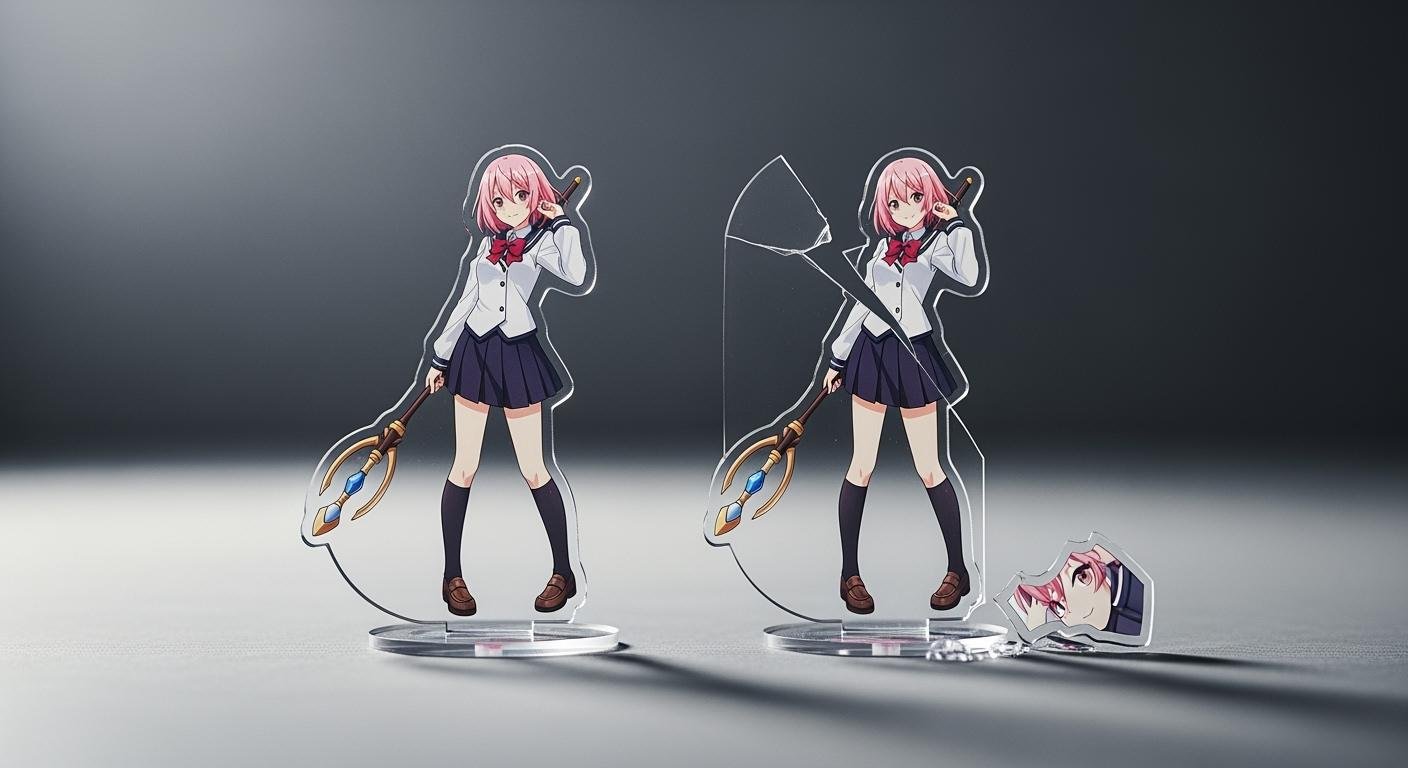
You can feel confident in your acrylic display. The question of whether acrylic stands break easily has a simple answer: they don’t. Acrylic is much stronger than glass and resists impacts far better.
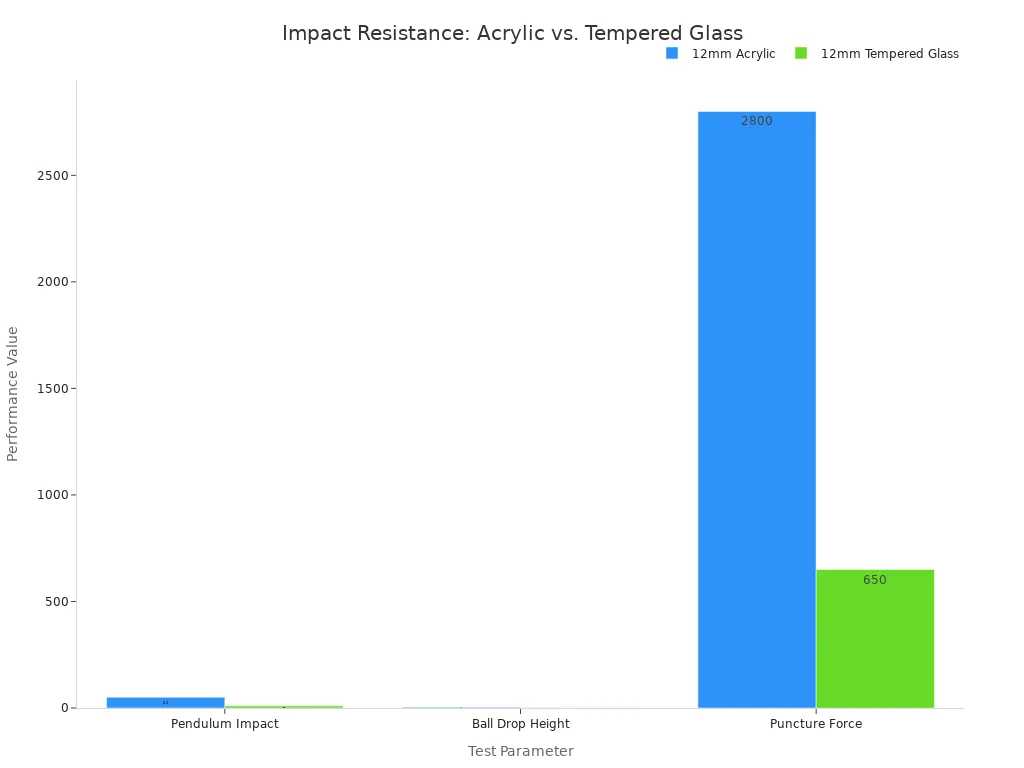
Good to Know: Unlike glass, acrylic will not shatter into countless dangerous shards if it fails. Breakage is rare, typically requiring extreme force or improper care.
Why do acrylic stands break?
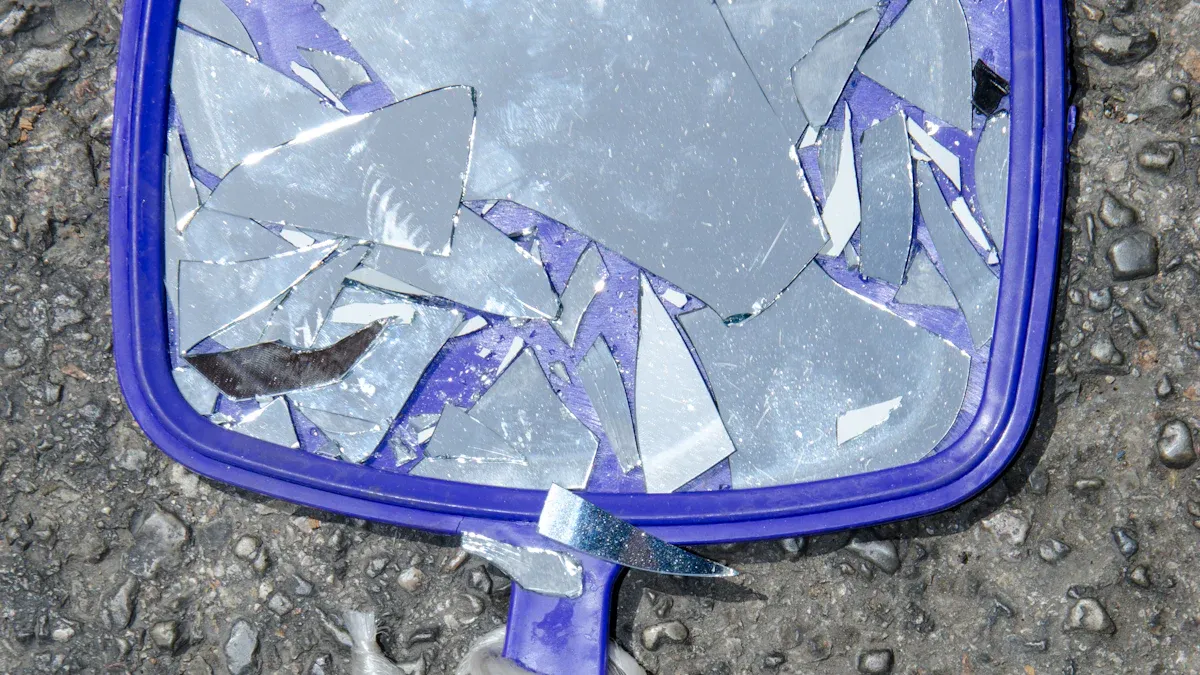
Acrylic is incredibly tough, but not indestructible. Breakage is rare and almost always happens due to extreme conditions, not everyday use. Understanding these factors helps you protect your investment and ensure your acrylic display stands last for years. Let’s explore the main reasons why acrylic stands break.
The impact of thickness
Thickness is the single most important factor in an acrylic stand’s strength. A thicker sheet is a stronger sheet. In fact, doubling the thickness of an acrylic sheet can more than double its ability to resist bending and impact.
- Flexibility vs. Rigidity: A thin 2mm sheet is quite flexible and can break easily under pressure. In contrast, a thick 50mm sheet is extremely rigid and incredibly strong.
- Load Capacity: The right thickness ensures your stand can support its intended items without stress. For lightweight products, a thinner acrylic may be fine. For heavier items, you need more substantial material.
Choosing the correct thickness is crucial for preventing failure. The table below offers general guidelines for different types of acrylic display stands.
| Stand Application | Recommended Acrylic Thickness |
|---|---|
| Small Retail Items | 1/4″ to 3/8″ |
| Heavier Products, Retail Displays | 1/2″ to 1″ |
| High-End Jewelry or Artwork | 1″ to 2″ |
| Custom Furniture or Large Installations | 2″ to 4″ |
Force from drops and falls
A sudden, sharp impact is the most common cause of breakage. While acrylic is much more impact-resistant than glass, a hard fall onto a concrete floor can still cause damage. The condition of the acrylic also plays a role.
Aging and UV Exposure Over time, environmental factors can affect acrylic’s durability. Long-term exposure to the sun’s UV rays can make the material more brittle. While indoor acrylic display stands often last well over 10 years, outdoor stands have a typical lifespan of 5 to 10 years before they may show signs of aging. Using UV-stabilized acrylic can extend this lifespan significantly.
Rough handling can also introduce tiny, invisible micro-cracks or chips. These small damages create weak points, making the stand more likely to fail from a future drop or impact.
Pressure, bending, and weight
Every stand has a weight limit. Overloading your acrylic stand puts it under constant pressure, or “creep,” which can lead to bending (deflection) or even breaking over time. A standard 3mm thick acrylic sheet spanning 12 inches can typically support about 2-3 kg before it starts to bend noticeably.
A 1/4″ thick sheet of high-quality acrylic can often hold up to 30 pounds if the weight is spread out evenly. However, concentrating a heavy weight in a small area creates a stress point. This focused pressure can cause the material to warp or crack. Always consider both the total weight and how it is distributed across the stand’s surface.
Design flaws and weak points
The way a stand is made can affect its strength. Poor manufacturing or design choices create vulnerabilities that make it easier for acrylic stands break.
- Sharp Corners: Sharp, unpolished inside corners concentrate stress. A rounded corner distributes force more evenly, making it much stronger.
- Drilled Holes: Holes drilled too close to an edge or without smooth, polished sides can easily lead to cracking under pressure.
- Heat Stress: During cutting or bending, excessive heat can create internal stress in the acrylic. This stress makes the material prone to “crazing”—a network of tiny cracks that clouds product visibility and weakens the structure.
- Environmental Stress: Extreme temperatures can also cause problems. Cast acrylic can handle temperatures from -22°F to 176°F (-30°C to 80°C). However, rapid temperature changes cause the material to expand and contract, which can lead to warping and loss of structural integrity over time.
By understanding these potential issues, you can better select and care for your acrylic display stands, ensuring they remain a durable and reliable choice.
Material durability and shatter resistance
Understanding how acrylic compares to other common materials like glass, wood, and metal highlights its unique strengths. You can see why it is a popular choice for displays.
Acrylic’s shatter resistance vs. glass
Acrylic’s greatest advantage over glass is its safety and strength. The material’s composition gives it excellent shatter resistance. When you compare it directly to glass, the difference is clear.
- Acrylic is 10 to 17 times more impact-resistant than standard glass.
- It cracks safely under extreme force instead of breaking into dangerous pieces.
- This makes it a much safer option for public spaces or homes with children.
Unlike glass, acrylic will not shatter into countless sharp fragments. This property is crucial for display stands, where safety is as important as appearance.
Acrylic vs. wood and metal
Your choice of material also depends on the environment and intended use. Acrylic holds distinct advantages over both wood and metal in certain situations.
Wood is a classic material, but it requires significant maintenance. It is vulnerable to moisture, which can cause it to warp, swell, or rot. Acrylic, however, is unaffected by water and pests. This makes it a superior choice for humid locations or outdoor displays.
| Fonctionnalité | Acrylique | Wood |
|---|---|---|
| Weather Resistance | Excellent (UV & moisture-resistant) | Poor (warps, rots without a seal) |
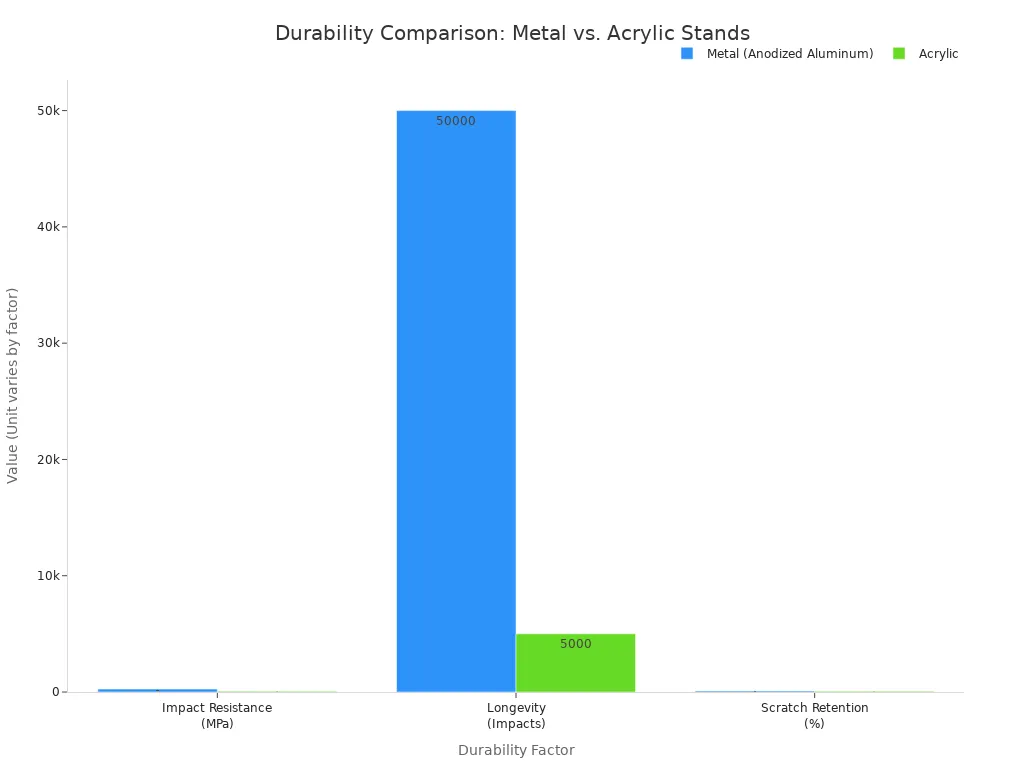
Metal stands, such as those made from aluminum, offer greater durability and impact strength than acrylic. They can withstand more force and are less prone to scratching over time. However, acrylic provides a unique combination of clarity, light weight, and design flexibility that metal cannot match.
 Protecting your acrylic display stands
You can easily keep your acrylic display stands in great condition. Proper care prevents damage and ensures they last for many years. Following a few simple rules for thickness, handling, and cleaning will protect your investment.
Choose the right thickness
You should select a thickness that matches your needs. The right choice prevents bending and breaking.
- Lightweight Items: For small collectibles or jewelry, a thinner 3-5mm sheet is often enough.
- Heavier Items: You need thicker high-quality acrylic for items like electronics or large books. An 8-10mm thickness is better for something like a shoe rack.
- Large Displays: A large, freestanding showcase may need a thickness of 10-15mm or more to support its own weight and resist bending.
Handle with care
Gentle handling is key to preventing chips and scratches on your acrylic display stands. You should avoid common mistakes that cause damage. Never slide hard objects across the surface. When moving large acrylic display stands, always lift from the bottom edges. Get help from another person to support the weight evenly.
Pro Tip: When storing your acrylic display stands, wrap them in a soft material like polyethylene foam. Never stack heavy items on top of them.
Proper cleaning methods
Correct cleaning protects the surface and maintains clear product visibility. You should never use harsh chemicals or abrasive materials. Cleaners with ammonia or alcohol can cause clouding and cracks. Paper towels can leave tiny scratches.
Follow these simple steps for safe cleaning:
- Use compressed air or a dry microfiber cloth to remove loose dust.
- Apply a mild soap and water solution to a clean microfiber cloth.
- Wipe the surface gently using straight-line motions.
- Dry the stand immediately with a fresh, dry microfiber cloth to prevent water spots.
You can trust your acrylic display stands. They are a strong and reliable choice. It is rare for acrylic stands break under normal conditions. You prevent damage to your acrylic display stands by choosing the right thickness, handling them gently, and using proper cleaning methods. These steps ensure your acrylic display stands remain durable for years.
You can feel confident in your purchase. Remember, acrylic stands break only under extreme force, making them a great investment.
FAQ
Can acrylic stands turn yellow?
High-quality acrylic has excellent UV resistance. You can prevent yellowing by keeping your stands out of direct, prolonged sunlight. Most indoor stands will remain clear for over 10 years. Using UV-protected acrylic offers even better performance for displays near windows.
How much weight can an acrylic stand hold?
The weight capacity depends on the stand’s thickness and design. A standard 1/4″ thick sheet can often hold up to 30 pounds if you spread the weight evenly. You should always check the manufacturer’s guidelines to avoid overloading your stand.
Do acrylic stands scratch easily?
Acrylic is softer than glass, so it can scratch. You can prevent scratches by handling it carefully. Avoid sliding rough objects across its surface. Use a soft microfiber cloth for cleaning instead of paper towels to maintain a clear, scratch-free finish.
💡 Tip: You can often polish out minor surface scratches from acrylic with a special polishing compound, restoring its original clarity.
Are acrylic stands good for outdoor use?
Yes, you can use acrylic stands outdoors. They resist moisture and will not rot like wood. For best results, choose a UV-stabilized acrylic. This type prevents the material from becoming brittle or yellowing from sun exposure, extending its outdoor lifespan.
See Also
Your Comprehensive Guide to Acrylic Table Stands and Displays
Exploring Premium Acrylic Stand Tables: Design, Materials, and Craftsmanship
Selecting and Maintaining White Acrylic Trays: A Practical Guide
Innovative Uses for Acrylic Table Top Stands in Retail Showcases
Glass Versus Acrylic Coffee Tables: Making Your Choice Simple

 Français
  English
  Русский
  Deutsch
  Español
  Português
  日本語
日本語