

You want to feel confident when buying acrylic frames. The key is moving beyond a low price. The acrylic frames market is projected to reach USD 4.28 billion in 2025, creating many choices. This guide helps you focus on material quality and construction for a successful purchase.
Remarque : A gallery-quality look that lasts comes from understanding the product, not just its price. You can get a great result without falling for common marketing traps.
The Essential Buy Guide for Acrylics
This essential buy guide helps you choose the right acrylic frames. You will learn how to match the frame to your art. You will also understand the key differences between acrylic and glass. This guide makes buying acrylic frames a simple process.
Matching the Frame to Your Artwork
You should first consider your artwork’s size and type. The size of your art determines the best acrylic thickness. Larger pieces need thicker, more stable frames.
- Artworks up to 40 inches often use 1/8-inch acrylic.
- Artworks between 40 and 60 inches need 3/16-inch acrylic.
- Artworks 60 inches or larger require 1/4-inch acrylic for stability.
The type of art also matters. Acrylic prints give photos a modern, high-gloss look. They create a 3D-like depth that makes vibrant images pop. This makes them a great choice for high-contrast photos. This buy guide recommends acrylic prints for a sleek, contemporary feel.
Acrylic vs. Traditional Glass
You have two main material choices: acrylic or glass. Acrylic offers several advantages. It is much lighter than glass. A sheet of acrylic weighs less than half as much as a glass sheet of the same size. This makes larger frames easier to hang.
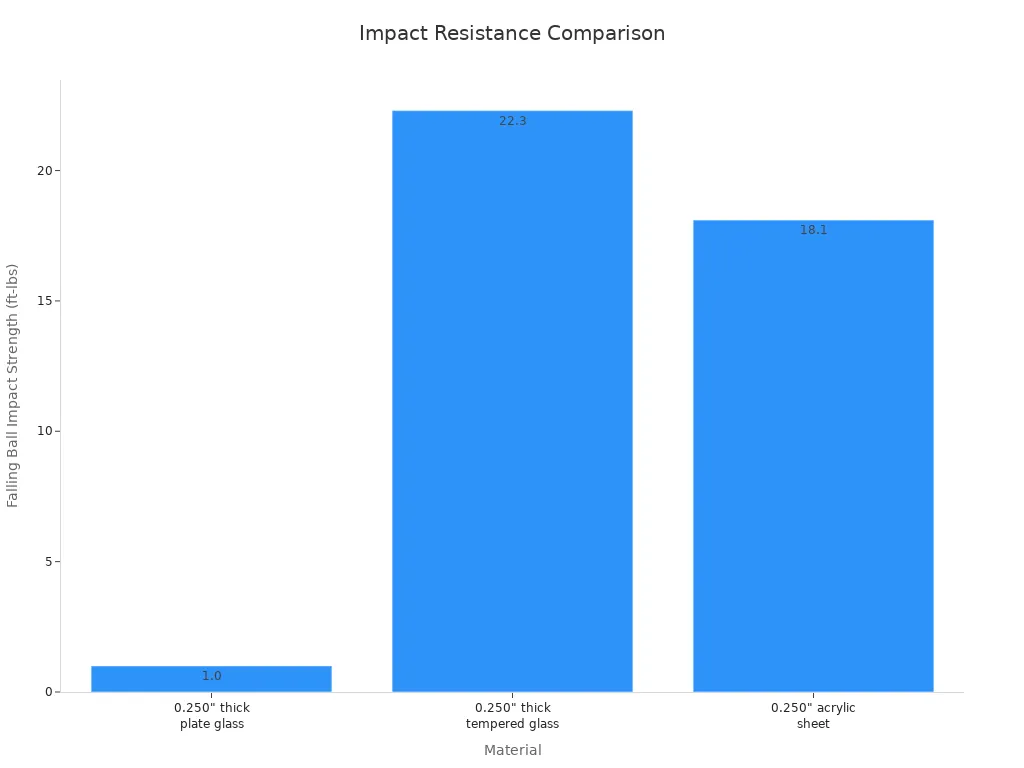
Acrylic is also much stronger. It is up to 17 times more impact-resistant than glass. If it does break, it cracks instead of shattering into dangerous shards. This makes acrylic frames a safer option for your home.
Impact Resistance Comparison The chart below shows how much force different materials can withstand. You can see that acrylic and tempered glass are significantly tougher than standard plate glass.
Key Quality Markers: Clarity and UV-Protection
Two features define high-quality acrylic: clarity and UV protection. This buy guide stresses their importance. Standard acrylic prints transmit up to 92% of visible light. This is more than most glass, which makes your art look brighter.
UV protection is crucial for preserving your art. It prevents colors from fading over time. Look for acrylic prints that block harmful UV rays.
| Acrylic Type | UV Radiation Blocked |
|---|---|
| Standard Non-UV | Over 80% |
| UV-Protective (OP-3) | Up to 98% |
Choosing UV-protective acrylic frames ensures your art stays vibrant for years. This buy guide considers it a non-negotiable feature for valuable pieces.
Construction, Style, and Acrylic Prints
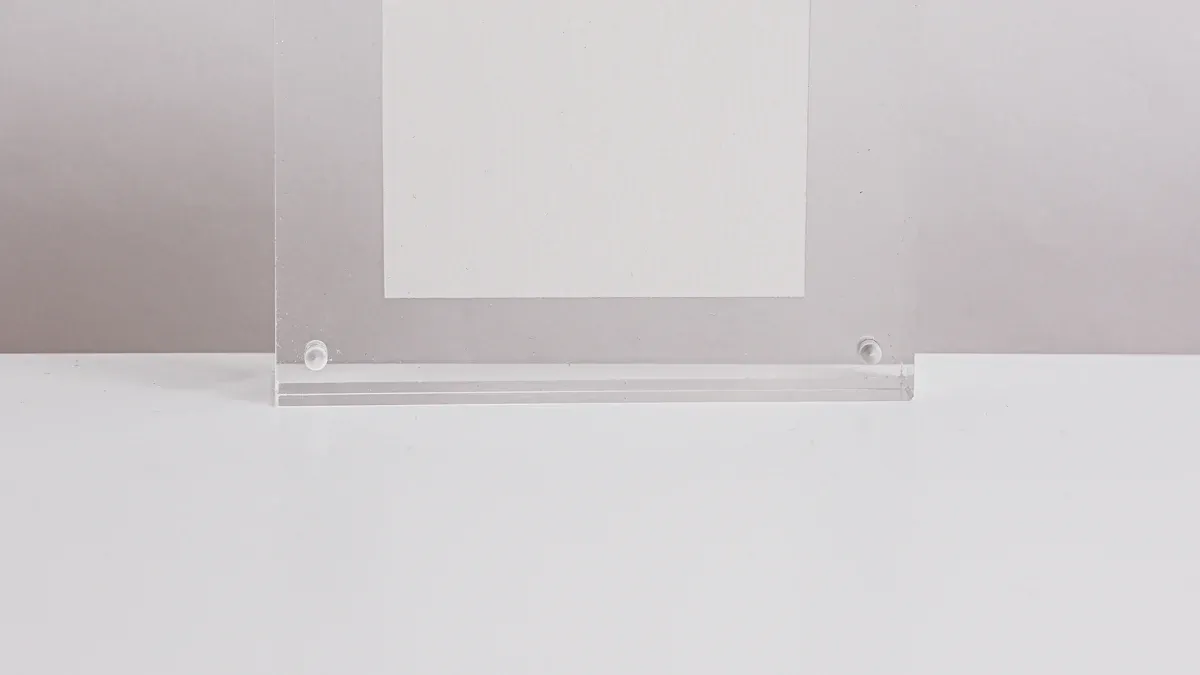
Understanding how acrylic prints are made helps you choose a durable, high-quality product. You should evaluate the printing method, display style, and the hardware that holds it all together. These choices separate standard displays from stunning acrylic prints.
Face-Mounting vs. Direct Acrylic Prints
You will find two main production methods for acrylic prints: face-mounting and direct printing. For the best result, you should choose face-mounting. This premium process bonds your photos directly to the back of the acrylic.
Why Face-Mounting Excels This technique creates an airtight seal. It eliminates light reflection between the print and the acrylic, making the image look like it is part of the material. This process gives your acrylic prints superior depth and makes colors appear more vibrant and lifelike.
Direct printing applies ink onto the acrylic surface. While functional, it does not offer the same dimension or vibrancy as face-mounted acrylic prints.
Choosing a Style: Standard vs. Float
Style trends in 2025 favor minimalist designs. Float frames are a popular choice. They create a gallery-style look by suspending the artwork off the wall, giving it a modern, floating appearance. This “invisible framing” effect is highly sought after. Other options include acrylic photo blocks, which are thick, freestanding pieces perfect for desks and shelves. You can find many styles of acrylic photo blocks. Many people love acrylic photo blocks. These acrylic photo blocks are great for gifts. You can also find acrylic photo blocks in sets. These acrylic photo blocks are very versatile. Many acrylic photo blocks offer a modern look. You can use acrylic photo blocks in any room. These acrylic photo blocks are a great alternative to traditional frames.
Evaluating Backing and Hardware
The backing on your acrylic prints is critical for long-term stability. For larger acrylic prints, you need a rigid material to prevent warping.
- Backing Material: Choose a product with an aluminum composite backing, like Dibond. This material sandwiches a plastic core between two aluminum sheets, providing excellent rigidity that prevents bowing over time.
- Hanging Hardware: You have several options for hanging your frames. Standoffs are modern posts that mount in the corners for a floating look. For a more secure and hidden solution, you should consider a French cleat system. This interlocking hardware distributes weight evenly, is easy to install, and keeps your acrylic prints perfectly level with minimal wall damage.
Your Checklist for Buying Acrylic Frames

You are now ready to make a smart purchase. This final checklist is a practical guide to help you navigate the details of buying acrylic frames. Following these steps ensures you get a product you love.
How to Measure for a Perfect Fit
Accurate measurements are the foundation of great-looking custom picture frames. An incorrect measurement can ruin the final look. You should measure your artwork at least twice to confirm the dimensions before placing an order.
Tools for Precision 📏 Use the right tools for the job. A flexible tailor’s tape can lead to errors. You should use rigid measuring tools for accuracy.
- A metal measuring tape works best for large prints.
- A clear acrylic ruler helps with smaller details.
- A carpenter’s square ensures your art has perfect 90-degree corners.
Always measure to the nearest 1/16 inch. This precision guarantees your artwork fits perfectly inside the new frames.
Vetting Sellers When Buying Picture Frames Online
The quality of your acrylic prints depends heavily on the seller. When buying picture frames online, you must research the company thoroughly. Reputable sellers provide clear, detailed information about their products.
Look for these signs of a trustworthy seller:
- Material Quality: They state that they use non-yellowing, optically clear acrylic with UV protection. They also use acid-free backing materials to preserve your art.
- Detailed Listings: Product pages include exact dimensions, material specifications, and customer photos.
- Transparent Pricing: You see a clear breakdown of the price without hidden fees. A low price can sometimes indicate lower quality materials.
- Satisfaction Guarantee: The seller stands behind their frames with a clear warranty or satisfaction guarantee.
You should also carefully examine customer reviews. Be aware that some reviews can be fake. Look for reviews from “Verified Purchasers.” Genuine reviews often provide specific details about the acrylic prints, while fake ones use vague praise. A sudden flood of five-star reviews posted in a short time can be a red flag.
Checking Shipping and Packaging Policies
Your beautiful acrylic prints need to arrive safely. Before you buy, check the seller’s shipping and packaging methods. A good seller takes great care in protecting their frames during transit.
Essential packaging includes:
- A protective film applied to both sides of the acrylic.
- A layer of bubble wrap or polyfoam wrap for cushioning.
- Cardboard corners to protect the edges from impact.
- A sturdy outer box to house the securely wrapped frame.
You must also understand the return policy, especially for custom picture frames. Many companies do not accept returns on custom orders unless the item is damaged. Some may charge a material waste fee of 30% or more for returns. You should contact the seller within a specific timeframe, often 14 days, if you find a defect. Always read the policy before you finalize your purchase to avoid a surprise.
Balancing Your Budget and Quality
Your budget is an important factor. However, the lowest price does not always equal the best value. When it comes to acrylic prints, a higher price often reflects superior materials and construction that last longer. For example, face-mounted acrylic prints have a higher price than direct-to-substrate prints. This higher price pays for the incredible depth and vibrancy that face-mounting provides.
Think about your long-term goals. A cheap frame might save you money now but could lead to faded or warped art later. Your budget should account for essential features. Prioritize UV-protective acrylic and a rigid aluminum composite backing. Investing a little more for these features delivers a much better return. This approach to buying acrylic frames ensures you get a gallery-quality piece at a fair price.
You are now equipped for buying acrylic frames confidently. This guide helps you secure beautiful, long-lasting acrylic prints. For the best acrylic prints, remember these critical takeaways:
- Prioritize Quality Materials: Always choose optically clear, UV-filtering acrylic. This protects your acrylic prints from fading and discoloration over time.
- Verify Construction: Favor face-mounted acrylic prints with a rigid aluminum backing. This method provides superior durability and image vibrancy.
- Check All Details: Measure your art precisely and thoroughly vet the seller’s reviews and shipping policies before you commit.
Apply this guide to make a smart, gallery-quality purchase.
FAQ
How do you clean acrylic frames?
You should use a soft, non-abrasive cloth, like microfiber. Apply a small amount of mild soap and water. Gently wipe the surface. Never use harsh chemicals like ammonia or alcohol. These cleaners can damage the acrylic and cause it to look cloudy over time.
What is the difference between a float frame and standoffs?
A float frame uses a hidden mount on the back. This makes your art appear to float off the wall. Standoffs are visible metal posts. You mount them through holes in the corners of the acrylic, creating a modern, industrial look. Both create a floating effect.
Why does face-mounting cost more?
Face-mounting is a detailed process. It bonds your print directly to the acrylic with a special adhesive. This method creates superior image depth and vibrancy. The extra cost covers the specialized materials and labor required for this premium, gallery-quality finish.
Can you put your own art in an acrylic frame?
Yes, you can. Many sellers offer empty acrylic frames or “sandwich” frames. You place your own photo or artwork between two sheets of acrylic. This is a great option for protecting and displaying your personal pieces with a modern look.
See Also
Elevate Your Decor: Ten Chic Acrylic Tray Styling Ideas
Your Comprehensive Guide to Versatile Acrylic Table Stands
Understanding Acrylic Boxes: Definition, Design, and Practical Uses
Acrylic Watch Displays: Unveiling Their Design, Form, and Functions
Exploring Premium Acrylic Stand Tables: Design and Material Insights


 Français
  English
  Русский
  Deutsch
  Español
  Português
  日本語
日本語