
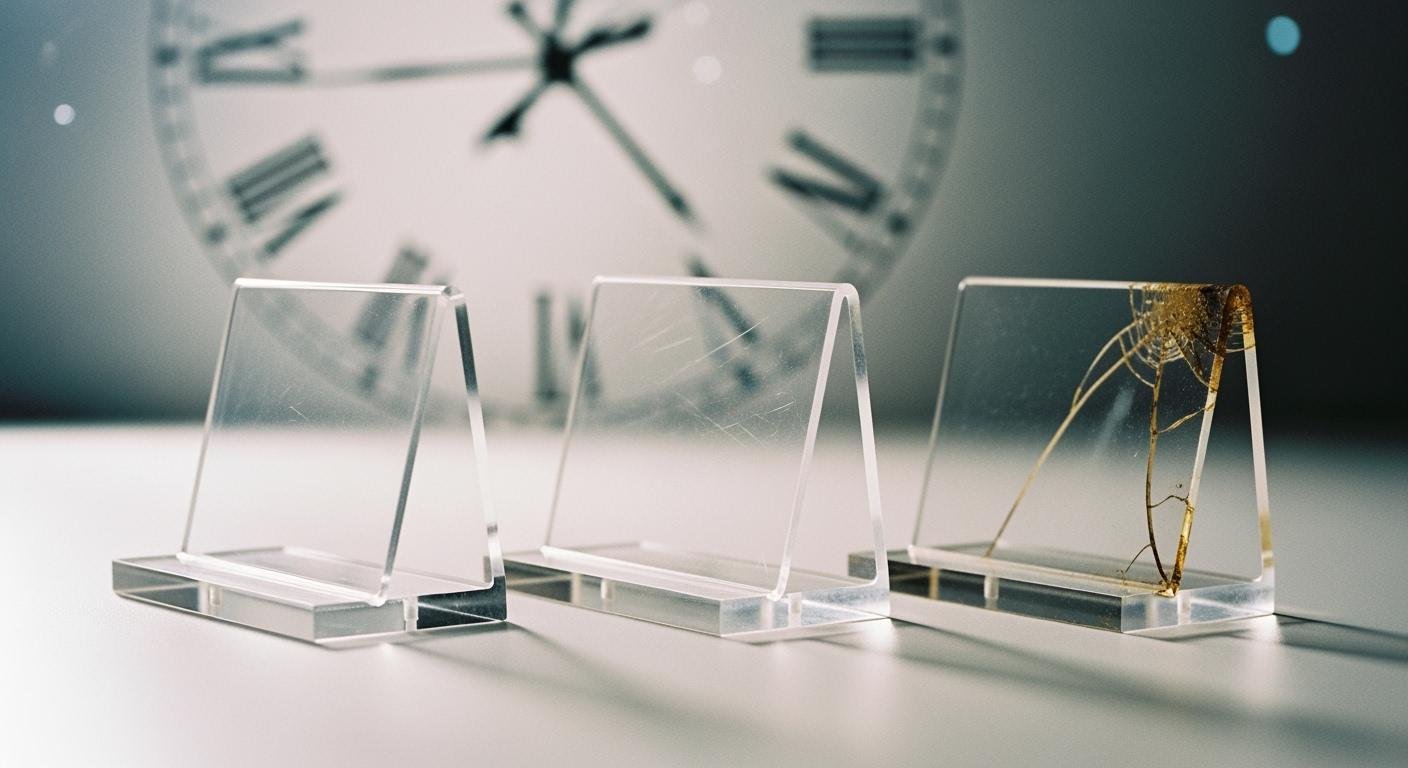
High-quality acrylic display stands can last for 15 years or longer with proper care. Their exceptional durability makes these stands a smart, long-term investment for various applications. The quality of the material is a major factor. UV-stabilized acrylic display stands, for instance, can maintain optical clarity for decades. In contrast, standard acrylic stands may yellow faster and are often used for temporary displays. Proper maintenance ensures these stands maintain their strength and clear appearance for years.
Factors That Impact Acrylic Stand Durability
Several key factors determine how long your acrylic display stands will last. Understanding these elements helps you choose the right product and care for it properly. Let’s explore what affects the durability of these versatile stands.
Acrylic Material Quality and Thickness
The foundation of a long-lasting stand is its material. The type and thickness of the acrylic are critical. There are two common types of acrylic: cast and extruded. The way they are made affects their strength.
- Cast Acrylic is made by pouring liquid resin into a mold. This slow process creates a harder, more scratch-resistant surface.
- Extruded Acrylic is made by pushing melted pellets through a die. It is more affordable but slightly softer.
To better evaluate material quality and durability, consider their key differences:
| Fonctionnalité | Cast Acrylic | Extruded Acrylic |
|---|---|---|
| Fabrication | Poured into molds and slow-cured | Pushed through a die in a continuous process |
| Résistance aux rayures | Greater resistance to scratching | More prone to surface marks |
| Chemical Resistance | More resistant to harsh chemicals | Less resistant to certain solvents |
The thickness of the material also plays a huge role, especially for the weight it must support. Using a stand that is too thin for a heavy object can cause it to bend, warp, or even break over time.
Conseil : Always choose a thickness that can safely handle your item’s weight. A thicker stand provides better stability and longevity.
Here is a general guide for choosing the right thickness for your acrylic display stands:
- Light Loads (5-10 lbs): Use a thickness of ¼” to ⅜”.
- Medium Loads (10-20 lbs): A thickness of ½” to ¾” is recommended.
- Heavy Loads (20-30 lbs): Choose a thickness of ¾” to 1”.
Exposure to Sunlight and UV Rays
Sunlight contains ultraviolet (UV) rays that can damage acrylic over time. The most harmful rays are in the UV-B spectrum, which have wavelengths between 280 and 315 nanometers. Prolonged exposure to these rays can cause the material to yellow and become brittle.
Fortunately, many modern acrylic stands are made with UV-stabilized material. This type of acrylic contains special absorbers that can block up to 99% of harmful UV rays. This protection significantly extends the lifespan of the stands, especially when used outdoors.
| Acrylic Type | Lifespan Before Yellowing (Outdoors) |
|---|---|
| Standard Acrylic | 5–10 years |
| UV-Stabilized Acrylic | 15–20 years |
Indoor vs. Outdoor Environments
Where you place your acrylic display stands has a major impact on their lifespan. Indoor environments are much gentler than outdoor ones.
Indoor Stands: These stands are protected from direct sunlight, rain, and extreme temperature changes. Even window glass helps filter out some of the most damaging UV light. Because of this protection, indoor stands can maintain their clarity and strength for many years.
Outdoor Stands: Outdoor stands face much harsher conditions.
- Humidity: High humidity can cause acrylic to absorb moisture, which may lead to swelling, warping, and a reduction in strength.
- Temperature Changes: Constant shifts between hot and cold can cause the material to expand and contract, creating stress.
- Weather: Rain and wind can also wear down the surface of the stands over time.
Even with these challenges, high-quality acrylic offers excellent performance. Its tight polymer chains resist UV damage, and it absorbs less moisture than other plastics, preventing breakdown.
Weight Load and Item Stability
The weight of the item you place on an acrylic stand directly affects its structural integrity. Exceeding the recommended weight limit can lead to stress fractures, which are tiny cracks that weaken the material.
Improper weight distribution is another common problem. Placing an item off-center creates uneven pressure points on the stand. Over time, this concentrated stress can cause the stand to warp or fail. Always ensure the item is stable and its weight is spread evenly across the surface of the acrylic stands.
Handling and Cleaning Frequency
How you handle and clean your acrylic stands contributes to their long-term appearance. Although acrylic is a strong material, its surface can be scratched. Frequent or improper cleaning is a primary cause of surface damage.
Using abrasive materials like paper towels or rough cloths will create micro-scratches. Over time, these tiny scratches build up and make the surface look dull and cloudy. Harsh chemicals found in window cleaners or alcohol-based solutions can also cause permanent clouding or crazing. This damage is irreversible and reduces the transparency and quality of the acrylic display stands. Gentle handling and correct cleaning methods are essential for keeping your stands looking new.
How to Maximize the Lifespan of Acrylic Display Stands

Proper care is the single most important factor in extending the life of your acrylic display stands. Following a few simple maintenance rules will protect your investment, keeping the stands clear and strong for years. These practices prevent common issues like scratches, yellowing, and cracks.
Safe Cleaning Materials vs. Harmful Chemicals
Choosing the right cleaning supplies is critical. Using the wrong products can cause irreversible damage to the surface of your acrylic display stands.
Safe Cleaning Methods:
- Mild Soap and Water: The best solution is a mixture of mild dish soap and lukewarm water.
- Microfiber Cloths: Always use soft, lint-free microfiber cloths. They lift dirt without scratching the surface.
Harmful Chemicals to Avoid:
- Ammonia-Based Cleaners: Products like Windex or other glass cleaners contain ammonia. This chemical is too harsh and causes a reaction that leads to permanent clouding and fine surface cracks, known as crazing.
- Alcohol or Solvents: Isopropyl alcohol, acetone, or other solvents can weaken the material and ruin its finish.
- Abrasive Cleaners: Scouring powders or abrasive creams will scratch the surface.
- Paper Towels: The wood fibers in paper towels are abrasive and will create tiny scratches that dull the acrylic over time.
Pro Tip: For professional settings like salons or retail stores, consider using commercial cleaners specifically formulated for acrylic. These products are designed to clean, sanitize, and protect the surface without causing damage, ensuring a crystal-clear appearance.
Techniques to Prevent Scratches
Acrylic is softer than glass, making it more susceptible to scratches. Even tiny dust particles can be abrasive. On the Mohs scale of hardness, acrylic ranks much lower than common materials.
| Material | Mohs Scale Hardness |
|---|---|
| PMMA (Acrylic) | 2–3 |
| Verre | 5.5–7 |
This difference in hardness means you must be gentle when cleaning. Never wipe a dry, dusty stand, as this will grind the dirt into the surface. Follow these steps for a scratch-free clean:
- Remove Loose Dust: Start by gently blowing off any loose dust and debris with an air blower. A soft brush can also be used.
- Apply Cleaning Solution: Lightly spray the surface with your mild soap and water solution.
- Wipe Gently: Using a damp microfiber cloth, wipe the stand in one direction with light pressure. Do not scrub in circles.
- Rinse and Dry: Use a separate, clean microfiber cloth dampened with only water to rinse away any soap residue. Pat the surface dry with a final, dry microfiber cloth.
Ideal Placement to Avoid Damage
Where you place your acrylic display stands can significantly affect their longevity. Constant exposure to certain environmental factors will accelerate aging.
- Avoid Direct Sunlight: While many modern stands have UV protection, limiting direct sun exposure is always a good practice to prevent long-term yellowing and embrittlement.
- Beware of Indoor Lighting: It’s not just the sun. Prolonged exposure to some indoor lights, like fluorescent tubes and traditional tungsten bulbs, also emits low levels of UV radiation. This light can trigger a photochemical reaction that slowly breaks down the acrylic’s molecular chains, causing it to lose its gloss.
- Stay Away from Heat Sources: Do not place stands directly next to heaters, vents, or other equipment that produces significant heat. High temperatures can cause the material to soften or warp.
- Choose Low-Traffic Areas: Placing stands in busy corridors or near doorways increases the risk of them being bumped or knocked over, which can lead to chips and cracks.
Proper Handling and Storage Practices
Careful handling and storage are essential for maintaining the structural integrity of your acrylic stands. Rough handling is a common cause of chips, cracks, and scratches that reduce the lifespan of the stands.
When moving your stands, always handle them by the base or the thickest supportive parts. Avoid picking them up by their thin edges, which can create stress points.
For long-term storage, create a safe environment. Do not stack the stands directly on top of each other, as this can cause scratches and place uneven pressure on the items at the bottom. If you must stack them, place a sheet of soft microfiber or felt between each one. Store your stands in a controlled environment with stable temperature and humidity.
| Condition | Optimal Range | Reason |
|---|---|---|
| Temperature | 65°F to 75°F | Prevents softening, warping, or cracking. |
| Humidity | 40% to 60% | Avoids mold growth (high humidity) or brittleness (low humidity). |
Storing the stands vertically is also recommended, as it helps prevent them from bowing or distorting over time.
Addressing Common Signs of Aging in Acrylic Stands
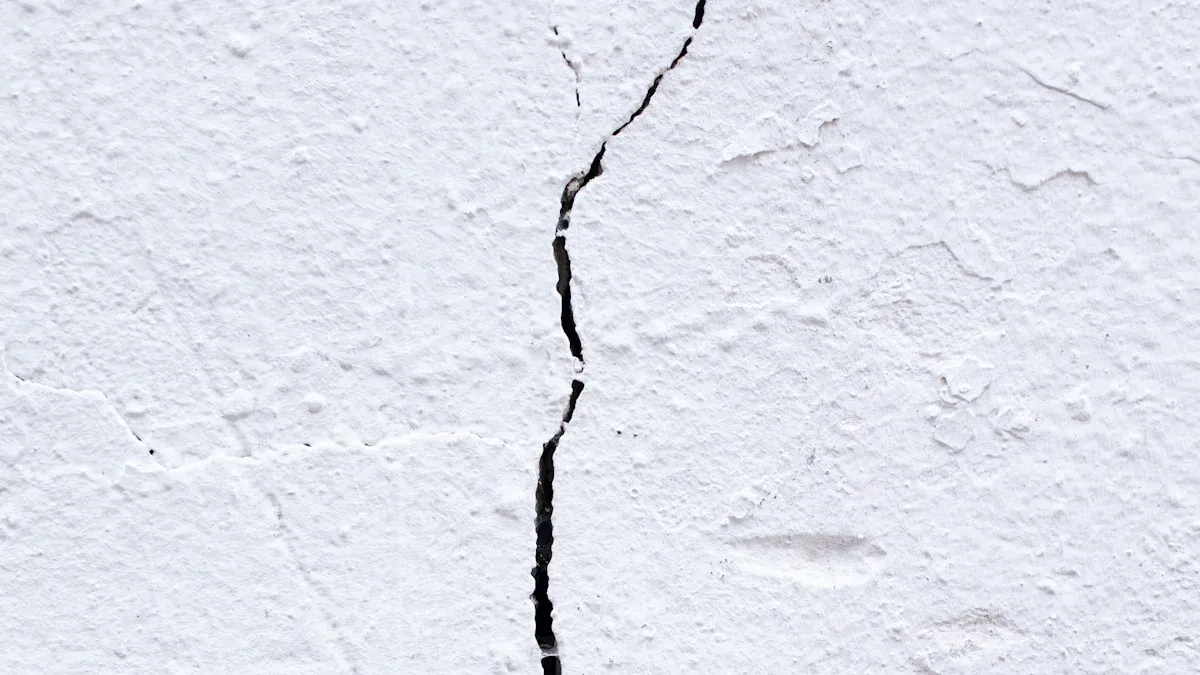
Even with the best care, acrylic display stands can show signs of aging over time. Scratches, yellowing, and cracks are common issues. Luckily, you can often fix these problems to extend the life of your stands.
Polishing Away Minor Scratches
Minor surface scratches can make your stands look dull. You can restore their shine with the right products. High-gloss polishing compounds are made to remove these small marks. They use fine, less abrasive particles to smooth the surface and bring back a reflective finish.
A popular product for this task is Novus 2, a fine scratch remover. To use it, apply a small amount of the compound to a clean microfiber cloth. Rub the scratched area gently in a circular motion. Continue until the scratch is less visible or gone completely. This simple process can make your acrylic display stands look new again.
Preventing and Treating Yellowing
Yellowing is a chemical change caused by sunlight. Understanding this process helps in its prevention and treatment.
- UV radiation from the sun triggers a photochemical reaction in the acrylic.
- This reaction, called photo-oxidation, changes the material’s polymer chains.
- New chemical groups, known as chromophores, form within the acrylic.
- These groups absorb light differently, making the material appear yellow.
To treat yellowing, some professional restoration services can help. For a DIY approach, some have found success by wet sanding the top yellowed layer off the stands and then buffing the surface. This can restore clarity to the acrylic stands.
Managing Cracks and Crazing
Cracks can happen from impact, while crazing (a network of fine cracks) is often from chemical exposure. For clean breaks in your stands, the right adhesive is key.
Important: Do not use standard super glue. It dries cloudy and creates a weak bond. Instead, use a solvent-based adhesive like Weld-On. These glues work by softening the acrylic to create a strong, permanent chemical bond.
For a successful repair, clean and align the broken edges perfectly. Apply the solvent glue with a needle-tip applicator and let it cure for at least 48 hours. This ensures the bond reaches its full strength, making your stands usable once more.
Key Benefits of Acrylic Display Stands: Durability and Safety
The benefits of acrylic display stands go beyond their long lifespan. These stands offer a unique combination of strength, safety, and visual appeal. Understanding the key features of acrylic display stands helps explain why they are a top choice for many applications.
Superior Impact Resistance vs. Glass
Acrylic is much stronger than glass. This material has a superior ability to withstand sudden force or shock. The impact strength of a material is a measure of the energy it can absorb before breaking. A comparison shows the clear advantage of acrylic.
| Material | Impact Strength (J/m) |
|---|---|
| Cast Acrylic | 400–500 |
| Annealed Glass | 25–35 |
This means acrylic can handle bumps and impacts that would easily shatter glass, making the stands more reliable for long-term use.
Shatterproof Qualities for High-Traffic Areas
Safety is a major advantage of acrylic display stands. Unlike glass, which breaks into sharp, dangerous shards, acrylic is shatter-resistant. If it does break under extreme force, it typically fractures into large pieces with dull edges. This quality makes the stands ideal for public spaces, retail stores, and homes with children. These safe applications of acrylic display stands provide peace of mind.
Lightweight and Easy to Handle
Acrylic is significantly lighter than glass. It weighs about 50 percent less than a glass panel of the same size and thickness.
Did You Know? 💡 A 6mm thick sheet of acrylic has more than 10 times the impact resistance of a 6mm glass sheet but weighs only half as much.
This lightweight nature makes the stands easy to move, reposition, and transport. It reduces shipping costs and makes setup simple for any user.
Long-Term Clarity and Appearance
High-quality acrylic display stands maintain their crystal-clear appearance for years. New acrylic allows between 87% and 93% of light to pass through it. This excellent clarity does not fade quickly. Studies show that the material can maintain its high light transmission for over 10 years with minimal loss. This ensures your displayed items always look their best through a clear, non-yellowing surface.
The impressive lifespan of acrylic display stands results from their inherent durability and your maintenance practices. Following simple care guidelines ensures these stands remain a clear, strong, and reliable display solution for over a decade. Industry reports confirm that quality stands lead to lower replacement costs over time. Ultimately, acrylic is a safe, resilient, and long-lasting alternative to glass, making these acrylic display stands a smart investment. The lightweight nature of the stands also makes them easy to handle.
FAQ
Can I use acrylic stands for heavy items?
Yes, but you must choose the correct thickness. Thicker stands provide more support and prevent bending. Always check the manufacturer’s weight recommendations to ensure the stand can safely hold your item without causing stress or damage over time.
Why did my stand turn cloudy after cleaning?
Cloudiness is often caused by harsh chemicals. Cleaners containing ammonia, alcohol, or other solvents can permanently damage the acrylic surface.
Remember: Always use a simple solution of mild soap and water with a soft microfiber cloth to keep your stands crystal clear.
Is it possible to fix a deep scratch on an acrylic stand?
Minor scratches can be polished away with special compounds. Deep scratches are more difficult to fix at home. They often require professional sanding and buffing to restore the smooth, clear surface. It is best to prevent deep scratches through careful handling.
Are acrylic stands a safe choice for public spaces?
Absolutely. Acrylic is a top choice for safety in high-traffic areas. Its key safety features include:
- Shatter-resistance: It is much stronger than glass.
- Safe breakage: If it does break, it fractures into large, dull-edged pieces.
This makes it ideal for retail stores, museums, and homes with children.
See Also
Exploring Premium Acrylic Stand Tables: Design, Materials, And Craftsmanship
Your Comprehensive Guide To Choosing The Perfect Acrylic Table Stand
Innovative Uses For Acrylic Tabletop Stands In Retail Showcases
Understanding Acrylic Watch Displays: Definition, Structure, And Practical Uses
Acrylic Glass Coffee Tables: Essential Materials And Care Tips

 Français
  English
  Русский
  Deutsch
  Español
  Português
  日本語
日本語