

Your choice of glazing material is critical for large picture frames. It directly impacts the safety, preservation, and display quality of your framed art.
In the 2025 acrylic versus glass debate, the choice is clear. Acrylic is the definitive best material. It is lighter, safer, and offers superior protection and clarity. This is why acrylic is good for your large picture frame.
Using acrylic for picture frames solves common issues. This modern acrylic helps with difficult frame installation and prevents artwork fading, making acrylic a smart choice.
Why Weight Matters for Large Picture Frames

When you choose a large frame, its total weight becomes a major factor. A heavy frame is difficult to hang and puts significant stress on your wall. This is where the material choice makes all the difference.
The Lighter Weight of Acrylic
Acrylic offers a significant advantage: it is much lighter than glass. An acrylic sheet weighs about 50% less than a glass sheet of the same size. This makes a huge difference in large picture frames. This difference becomes more obvious as the material gets thicker.
Take a look at the weight comparison per square foot:
| 素材 | Thickness | Weight per Square Foot |
|---|---|---|
| アクリル | 1/4-inch | 3.3 lbs |
| ガラス | 1/4-inch | 6.9 lbs |
| アクリル | 1-inch | 13.2 lbs |
| ガラス | 1-inch | 27.6 lbs |
This makes a lightweight frame much easier for you to handle and hang. The reduced weight of acrylic simplifies the entire installation process from start to finish.
Reduced Strain on Walls
The lighter weight of acrylic directly benefits your walls. Heavy glass picture frames require strong, specialized hardware to hang safely. Over time, their weight can pull on the wall, potentially causing damage to the drywall or plaster.
An acrylic frame is much kinder to your home. You will need fewer, or less heavy-duty, wall anchors. This reduces the risk of the frame falling and damaging your wall.
Pro Tip: For oversized picture frames (larger than 16” x 20”), choosing acrylic is a smart safety decision. A lightweight frame protects your investment and your home by putting less stress on the wall structure over time.
Choosing acrylic for your large picture frame means you get an easier, safer installation with long-term peace of mind.
Why Acrylic Good for Safety and Durability
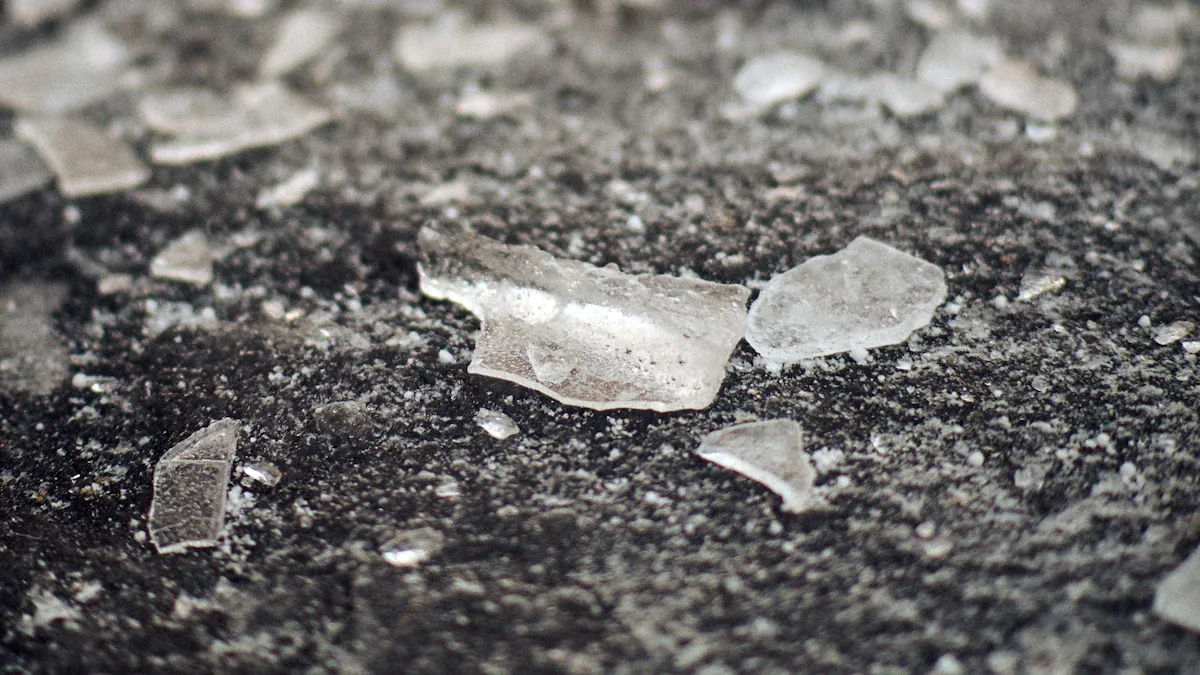
When you hang a large piece of art, you want confidence in its safety and longevity. The material covering your art plays a huge role in providing that security. This is another reason why acrylic is good for your large picture frames. It offers superior protection and durability that glass simply cannot match.
Superior Shatter Resistance
The debate of acrylic versus glass becomes critical when you consider impact resistance. Glass is fragile. A small accident can cause it to break into large, sharp, dangerous shards. Acrylic, however, is a shatter-resistant material. It is 10 to 20 times stronger than glass.
- Glass: Breaks easily into hazardous pieces.
- Acrylic: Resists impact and cracks under extreme force instead of shattering.
This makes acrylic the responsible safety choice for many environments. If your frame is in a busy hallway, a commercial space, or a home with children and pets, acrylic provides invaluable peace of mind. You reduce the risk of injury from broken glass. This resilience is also a major benefit during shipping and moving. An acrylic frame protects your financial and sentimental investment in your framed art.
Safety First: Building codes often require safety glazing in hazardous locations like near doors or in public areas. Materials must be tested and properly marked to meet standards like CPSC 16 CFR Part 1201. Using acrylic helps you meet these safety benchmarks.
Long-Term Wear Resistance
The durability of acrylic extends beyond its strength. High-quality acrylic frame covers are built to last, maintaining their appearance for years. A common concern is whether the material will yellow over time.
You can put that worry to rest. American-made acrylic includes UV stabilizers that prevent yellowing. In fact, the clear canopies on World War II bombers remained clear for decades in the sun, showing the incredible long-term stability of this material.
Take a look at how the materials compare over a decade:
| 特徴 | Acrylic (UV-Stabilized) | Glass (Standard) |
|---|---|---|
| Yellowing Lifespan | 15-20 years before any change | Does not yellow |
| UV Blocking | Up to 99% | Around 25-30% |
| Clarity After 10 Years | Maintains excellent clarity | Allows significant UV damage to art |
While glass does not yellow, it offers very little UV protection. This means your artwork will fade. Choosing acrylic for picture frames ensures you get lasting clarity and powerful protection. This is why acrylic is good for preserving the life and color of your art inside the picture frame.
Visual Clarity of Acrylic for Picture Frames
The visual quality of your glazing material determines how you experience your art. You want to see the piece exactly as the artist intended, without distortion or discoloration. This is where acrylic for picture frames truly shines, offering a viewing experience that glass often cannot match. The debate of acrylic versus glass is settled when you look at clarity and protection.
Unmatched Optical Clarity
High-grade acrylic offers better optical clarity than standard glass. You might not notice it at first, but regular glass has a slight green tint. Iron oxide impurities inside the glass cause this greenish color, which can alter the appearance of your artwork. Professional galleries and museums often choose acrylic to ensure true color representation.
This material also handles light more effectively. Some types, like ACRYLITE® Optical Mar-Resistant sheets, achieve an incredible 92% light transmission. This means more light passes through to your art, making colors appear richer and more vibrant.
See the Art, Not the Reflection Reflections can ruin the view of your framed art. Museum-grade acrylic solves this problem with advanced anti-reflective technology.
Take a look at how much light bounces off the surface of each material:
| 特徴 | Reflection (%) |
|---|---|
| Regular Clear Glass | 8-10% |
| Optium Museum Acrylic | < 1% |
For rooms with lots of windows or bright lights, you can choose a non-glare acrylic. This type of acrylic has a special matte surface. The non-glare finish works by scattering reflected light, which reduces distracting glare. This technology softens harsh reflections so you can see your art clearly from any angle. Using a non-glare option for your picture frames ensures a comfortable and clear view.
Essential UV Protection
Light is essential for viewing art, but it can also be its greatest enemy. Ultraviolet (UV) light from the sun and even indoor lighting causes irreversible damage over time. This is why UV protection is not a luxury; it is a necessity for any valuable picture frame.
UV radiation attacks your artwork on a chemical level. This process causes two major problems:
- Color Fading: UV energy breaks the chemical bonds in the ink or paint. This makes vibrant colors look dull and washed out.
- Material Degradation: UV rays also cause the paper to yellow and become brittle. Sharp lines lose their definition, and the entire piece can darken.
This is another area where acrylic provides superior protection. Standard framing acrylic naturally filters up to 98% of harmful UV rays. Glass, on the other hand, offers very little UV protection. Choosing acrylic for picture frames is a simple and effective way to preserve your art for decades. This powerful UV protection shields your investment from fading and damage, keeping your memories bright and clear inside the frame. The non-glare acrylic also provides this essential UV protection.
The Smart Choice for Your Picture Frame
Choosing the right material for your large picture frames involves more than just looks. You need a practical, long-term solution. This is where acrylic proves to be a smart investment for your framed art. It offers excellent value and is easy to manage.
Cost-Effectiveness for Large Sizes
When you compare acrylic versus glass, you must look at the total cost. The initial price of the acrylic material can sometimes be higher than glass. However, the overall cost for large picture frames often favors acrylic. This is because its lighter weight significantly reduces shipping expenses. Online framers prefer this material to prevent damage during delivery.
Let’s look at how costs compare for a large frame:
| 特徴 | アクリル | ガラス |
|---|---|---|
| 材料費 | Generally more expensive | Generally less expensive |
| Shipping Cost | Less expensive due to lighter weight | More expensive due to heavier weight |
| Overall Value | More cost-effective for large sizes | Higher total cost due to shipping |
The durability of acrylic also adds to its long-term value. You are less likely to spend money on replacements due to breakage. This makes using acrylic for picture frames a financially sound decision for any large project.
Easy Customization and Maintenance
Acrylic is a very versatile material. You can easily cut and shape it to create a custom picture frame. Professionals use tools like laser cutters and specialized saws to achieve precise, smooth edges for any design you can imagine. This flexibility allows you to get the perfect frame for your space.
Maintaining your acrylic is also simple. You just need the right tools and techniques to keep it looking new.
Cleaning Tip: Always use a soft microfiber cloth. Never use paper towels or ammonia-based cleaners like Windex, as they can scratch or damage the surface.
Follow these simple steps for a streak-free shine:
- First, blow off any loose dust.
- Next, mix a few drops of mild dish soap with warm water in a spray bottle.
- Lightly spray the solution onto the acrylic.
- Gently wipe the surface with a clean microfiber cloth.
This easy care routine ensures your display remains crystal clear for years.
The evidence is clear: acrylic is good for large picture frames. This material is lighter, making your frame easier to hang. It is also much safer and more durable than glass. High-grade acrylic offers superior clarity and powerful UV protection for your art. This is why acrylic is good for your large picture frame. The growing market for acrylic poster frames confirms it is the modern standard. Even high-value art in public spaces uses acrylic for protection.
For your next project, choose acrylic for picture frames. You will get the best combination of safety, clarity, and preservation for your art.
よくあるご質問
How do you clean an acrylic frame?
You should use a soft microfiber cloth to clean acrylic. For tougher spots, you can use a simple mix of mild soap and water. Never use paper towels or cleaners with ammonia, as they can scratch the surface and damage its uv coating.
Does acrylic scratch easily?
Standard acrylic can scratch more easily than glass. However, you can choose mar-resistant acrylic for high-traffic areas. These special coatings add durability and help protect your view. These coatings do not reduce the excellent uv protection your art receives.
Does acrylic really protect art from fading?
Yes, acrylic provides superior protection. Standard framing acrylic blocks over 98% of damaging uv light. This powerful uv shield is crucial for preservation. The material’s built-in uv filter stops your artwork from fading, keeping colors bright for years. This uv protection is a key benefit.
Is acrylic more expensive than glass?
The acrylic sheet itself can cost more than glass. However, you save money on shipping because it is much lighter. You also get superior uv protection, saving your art from costly fading. Its durability also means you are less likely to pay for replacements.
See Also
Acrylic Aquariums: Unveiling Their Definition, Features, and Diverse Applications
Acrylic Blocks: Exploring Their Definition, Unique Features, and Practical Uses
Acrylic Boxes and Cases: Understanding Their Structure, Definition, and Applications
Acrylic Trophies and Awards: Defining Their Features and Versatile Applications
Acrylic Watch Displays: Examining Their Structure, Definition, and Practical Uses


 日本語
日本語  English
  Français
  Русский
  Deutsch
  Español
  Português