

Yes, acrylic photo blocks are waterproof. You can trust their waterproof capabilities for all practical indoor situations. These displays are designed to be water-resistant, protecting your cherished photos from everyday humidity and accidental splashes. Their durability and sleek look are major reasons why acrylic decor now makes up a significant part of home decorating budgets. Your block is more than just a frame; it is a water resistant shield for your memories.
Why Acrylic Is a Waterproof Material
You know that your acrylic photo block is waterproof, but what makes it so effective? The magic lies in the material itself and the way your photo is protected. The science behind it is simple. Acrylic is a type of plastic, and its structure creates a powerful barrier against moisture.
The Non-Porous Plastic Shield
Think of a sponge. It has many tiny holes that soak up water. Acrylic is the exact opposite. It is a non-porous material, meaning its surface is solid and smooth with no pores for liquid to seep into. This is a core reason for its excellent waterproof capabilities. The acrylic polymers that make up your block have very low water absorption. This quality ensures that liquids bead up and roll right off the surface instead of soaking in.
This chemical toughness also helps it stand up to many common household substances. Your acrylic picture prints will resist damage from things like:
- Oil-based paints
- Mild household acids like citric acid
- Ammonia-based cleaning solutions
Quick Tip: While highly durable, you should keep your block away from harsh chemicals. General paint thinners and strong solvents like acetone can damage the surface and compromise its brilliant clarity.
This resistance protects the block’s structure and maintains its crystal-clear appearance for years.
Sealing Your Image from Moisture
The acrylic itself is only half of the story. The construction of acrylic photo blocks provides the final layer of defense. Your photograph is not simply placed behind the acrylic; it is permanently bonded to it.
High-quality blocks use a direct printing process. In this method, your image is printed directly onto the back of the acrylic. This technique offers superior protection compared to older methods where a paper photo is mounted to the block. With direct printing, there is no paper backing that can absorb humidity, which prevents any risk of mold or mildew forming over time. This process completely seals your image away from air and moisture. This makes the final product incredibly water resistant and durable, locking in the photo’s vibrant colors and preserving its clarity.
Waterproof Limits of Acrylic Photo Blocks
You know your acrylic photo block is tough, but it is important to understand its limits. While it excels at handling everyday moisture, it is not designed for every water-related scenario. Knowing the difference between “water-resistant” and “waterproof” helps you protect your investment.
Everyday Spills vs. Full Submersion
Your acrylic block easily handles splashes from a tipped glass or drips in the kitchen. You can wipe it clean without worry. However, you should not submerge it in water. Think of it like modern electronics. Many devices are water-resistant, but few are truly waterproof.
We can use the Ingress Protection (IP) rating system for electronics as a helpful comparison. This system shows how well a device is sealed against solids and liquids.
| Protection Level | IP Rating (Second Digit) | Description of Protection |
|---|---|---|
| Water-Resistant | 4 | Protected against water splash from any direction |
| Water-Resistant | 5 | Protected against water jets from a 6.3mm nozzle |
| Water-Resistant | 6 | Protected against powerful water jets from a 12.5mm nozzle |
| Waterproof | 7 | Protected against submersion up to 1 meter depth for 30 minutes |
| Waterproof | 8 | Protected against submersion for 1 meter or more |
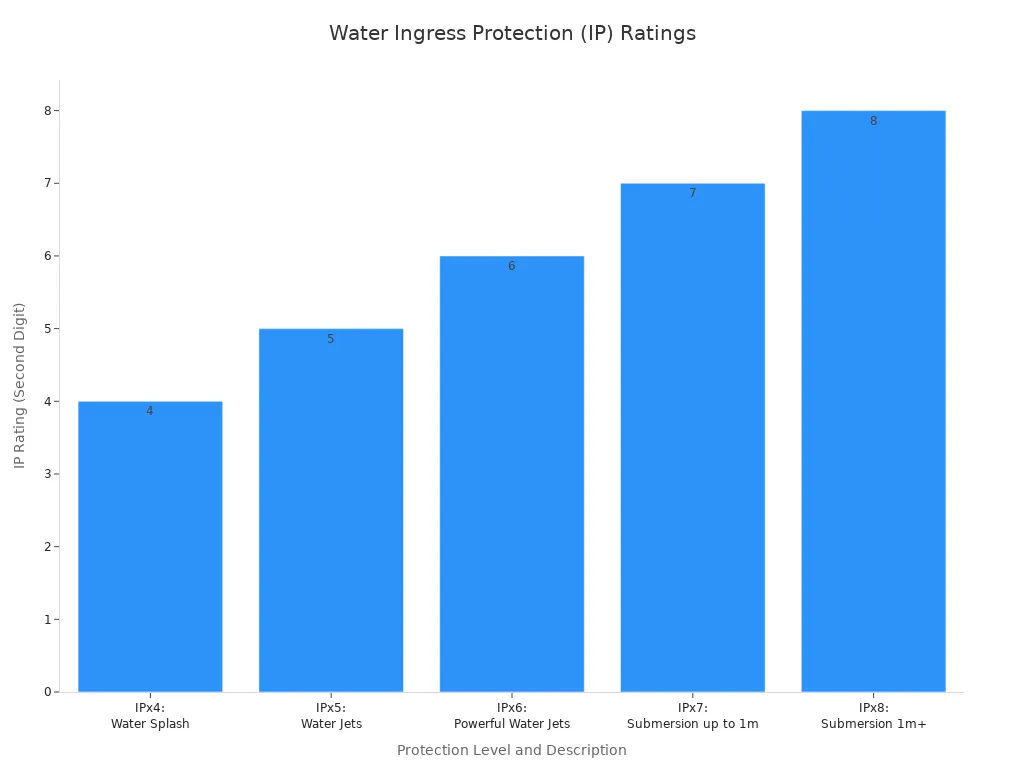
Your acrylic photo block functions at the water-resistant level. The acrylic face is completely waterproof, but the entire unit is not sealed for submersion. If you place it in a sink or tub, water can seep in through the back seam. This moisture gets trapped between the print and the acrylic, which can cause:
- Damage to the inks, leading to discoloration.
- Mold or mildew growth on older, paper-mounted prints.
Key Takeaway: Your block is a champion against splashes but not a swimmer. Keep it out of the tub!
Use in High-Humidity Rooms
Do you want to display a photo in your bathroom or kitchen? You are in luck. Acrylic photo blocks are an excellent choice for high-humidity environments. The UV-cured inks and non-porous acrylic surface are highly resistant to moisture.
Traditional framed photos often fail in these rooms.
- Humidity can cause the photo paper to ripple or stick to the glass.
- Moisture can get trapped inside the frame, leading to mold.
Acrylic avoids these problems. It is less conductive than glass, which reduces fogging and condensation. This makes it a superior, water resistant option for steamy bathrooms. For ideal art preservation, experts recommend keeping relative humidity between 40% and 60%. While bathrooms often exceed this, the sealed construction of your block provides the protection needed for these conditions.
Considerations for Outdoor Use
You might be tempted to place your beautiful block on a patio table or outdoor shelf. You should avoid this. Standard acrylic blocks are designed for indoor use only. The outdoors presents several challenges that can damage your photo.
- Temperature Changes: Acrylic is sensitive to extreme temperatures. Intense heat from direct sunlight can cause the material to soften, warp, or even melt, which would ruin its perfect clarity.
- UV Exposure: While acrylic has some natural UV resistance, prolonged exposure to direct sunlight will eventually cause the vibrant colors of your photo to fade.
- Weather: Heavy rain, wind, and snow can damage the block. Water could penetrate the seams over time, and physical impacts could cause scratches or cracks.
Some companies offer special acrylic panels specifically made for outdoor durability. However, your standard decorative block is happiest inside, where it can remain a stunning centerpiece for years to come.
How to Clean Your Acrylic Block
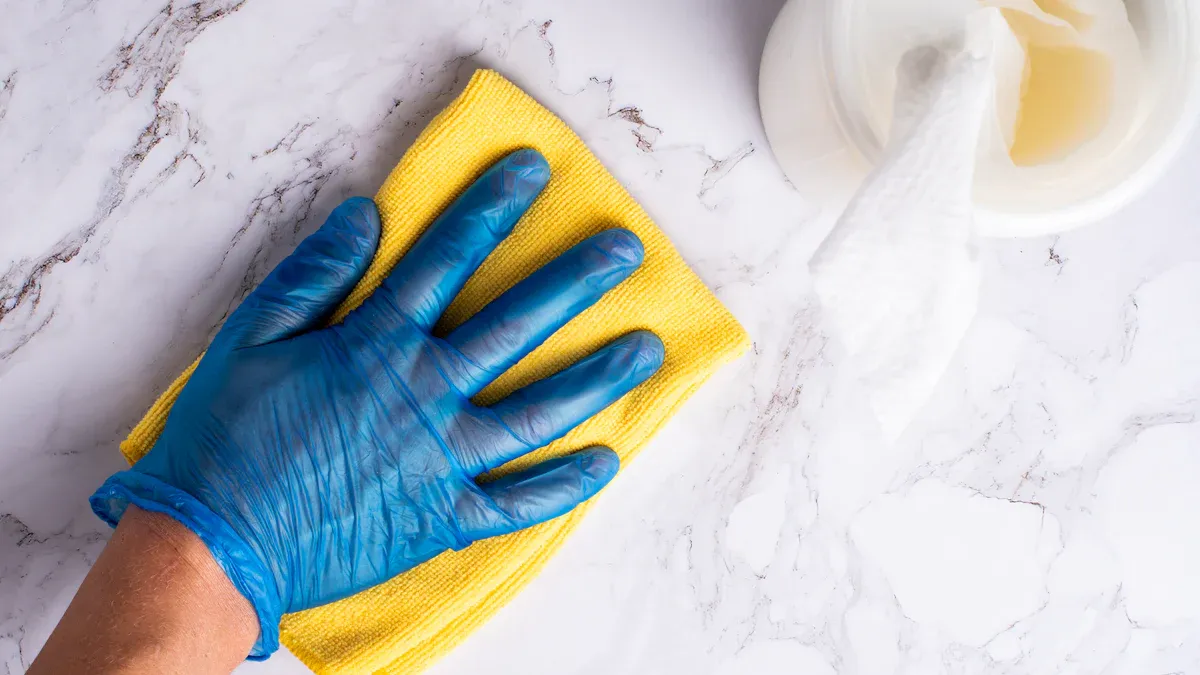
Keeping your acrylic photo block looking brand new is simple. You just need the right tools and techniques. Proper cleaning protects the surface and ensures your photo remains the star of the show.
Dust, Smudges, and Fingerprints
For routine dusting and removing fingerprints, you should use a soft, clean microfiber cloth. These cloths trap dust effectively without scratching the surface. Avoid using paper towels or tissues, as their fibers can create tiny hairline scratches.
To make your block even easier to clean, you can use an anti-static cleaner. Products like Novus #1 or Acrifix AC1010 not only clean the surface but also neutralize static. This helps repel dust, keeping your block looking pristine for longer.
Fun Fact: The non-porous surface of your block is so durable that you can write on it with a dry-erase marker and wipe it right off with a soft cloth. This is a great way to see just how resistant it is!
Tackling Spills and Stains Safely
Accidents happen. If you spill something on your block, you can easily clean it.
- Create a cleaning solution using mild dish soap and lukewarm water.
- Lightly wet your microfiber cloth with the soapy water.
- Gently wipe the affected area.
- Rinse by blotting with a separate cloth dampened with clean water.
- Dry the block with a clean, damp chamois or by blotting with another soft cloth.
For tougher substances like grease or oil, you can use a product like hexane or aliphatic naphtha. Always apply it to your cloth first, not directly onto the block.
Abrasives and Cleaners to Avoid
Acrylic is a relatively soft plastic, with a Mohs hardness rating between 2 and 2.5. This means it can scratch more easily than glass. Using the wrong cleaner can permanently damage your block and ruin its crystal-clear clarity.
Never use the following products on your acrylic block:
- Window cleaners that contain ammonia (like Windex)
- Cleaners containing bleach, alcohol, or other harsh solvents
- Abrasive kitchen scouring powders or compounds
- Strong solvents like acetone, gasoline, or lacquer thinner
These chemicals can cause the acrylic to become cloudy, develop small cracks, or even dissolve the surface. Stick to mild soap and water for the best results.
You can confidently choose acrylic photo blocks for your home. They are an excellent, waterproof choice for displaying photos indoors. The sealed construction and durable acrylic material provide robust protection against everyday humidity and accidental spills. Following simple care instructions ensures your acrylic picture prints maintain their vibrant colors and stunning clarity. Your cherished memories will remain safe and beautiful for years to come.
よくあるご質問
Do acrylic photo blocks turn yellow over time?
No, high-quality acrylic photo blocks do not turn yellow. Manufacturers use UV-resistant acrylic for indoor displays. This material protects the block’s clarity and prevents discoloration, keeping your photo looking vibrant and clear for many years. Your memories will stay true to their original colors.
How easily does acrylic scratch?
Acrylic is softer than glass, so you can scratch it with sharp objects or abrasive cleaners. However, it is very durable for normal household handling. You can easily prevent scratches. Always use a soft microfiber cloth for cleaning to keep the surface smooth and clear.
Are acrylic blocks heavy?
You will find that acrylic is surprisingly lightweight. It weighs about half as much as a glass block of the same size. This makes the display very stable on your desk or shelf. Its lighter weight also makes it safer and easier for you to handle.
Will my photo fade inside the block?
Your photo is very well protected from fading. The direct printing process seals the image with UV-cured inks. The acrylic material itself also offers excellent UV protection. This combination ensures your photo’s colors remain bright and vivid when you display it indoors.
See Also
Acrylic Blocks: Understanding Their Definition, Key Features, and Diverse Uses
Your Comprehensive Guide to Selecting and Utilizing Acrylic Table Stands
Choosing and Maintaining White Acrylic Trays: A Practical Guide
Acrylic Sign Holders: Exploring Their Definition, Attributes, and Practical Uses
Acrylic Aquariums: Unveiling Their Definition, Characteristics, and Applications

 日本語
日本語  English
  Français
  Русский
  Deutsch
  Español
  Português