
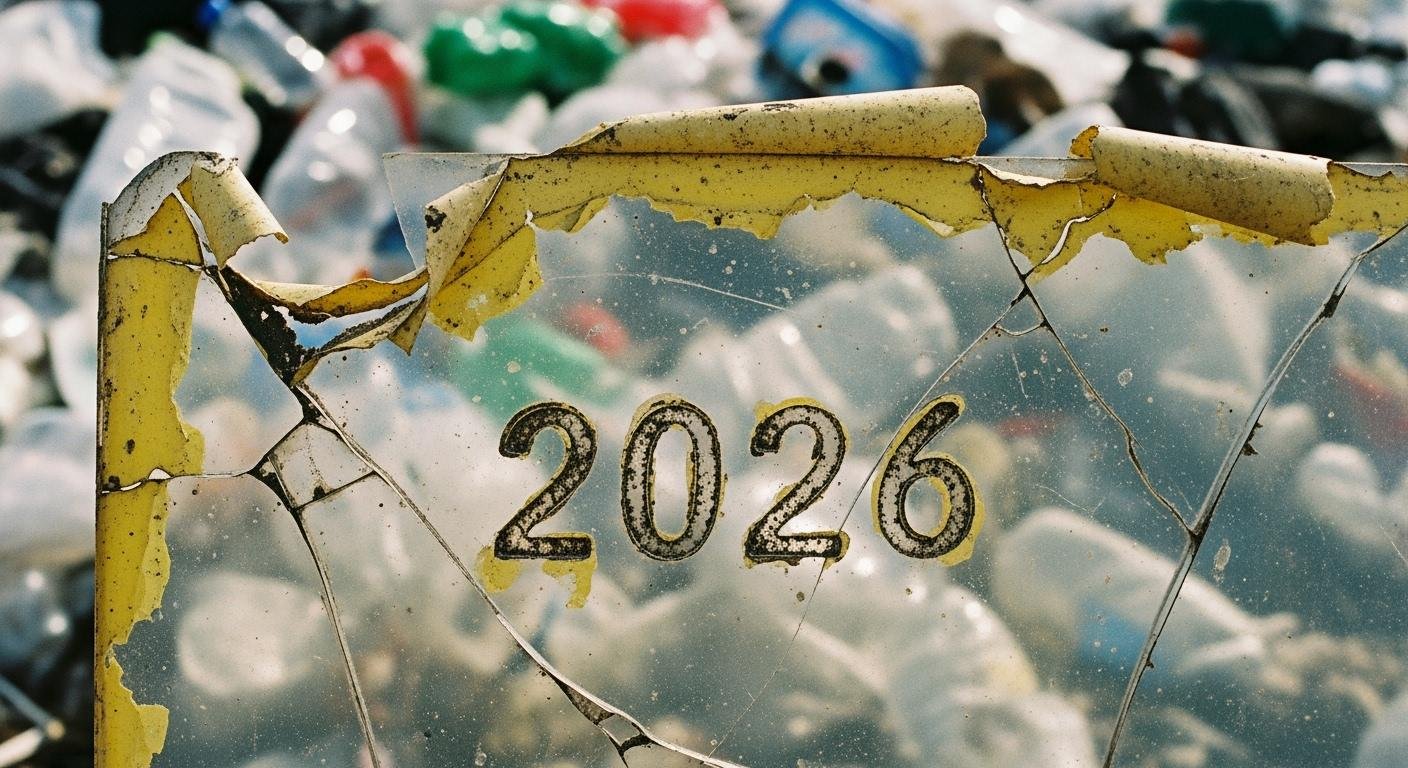
Acrylic presents several key drawbacks in 2026. The primary disadvantage of acrylic is its environmental impact as a fossil-fuel-based plastic. Acrylic sheets also have poor heat resistance. The material’s surface is soft, leading to frequent scratches that can dull its appearance. These disadvantages of acrylic include difficult maintenance and complex recycling processes. Users must consider these points before choosing the material for a project.
Key Physical Disadvantages of Acrylic

Acrylic materials possess several physical limitations. These drawbacks affect their durability and suitability for certain projects. Understanding these weaknesses is crucial for making informed material choices.
Prone to Scratches and Scuffs
One significant disadvantage of acrylic is its soft surface. Acrylic sheets are highly susceptible to scratches and scuffs. Even minor abrasions from everyday cleaning or contact can dull the material’s glossy finish. This contrasts sharply with glass, which offers superior scratch resistance. Fixing these imperfections often requires special polishes and significant effort. The material’s relative softness is clear when comparing its hardness to other plastics.
| 素材 | Mohs Hardness Rating |
|---|---|
| アクリル | 3.5–4.0 |
| Polycarbonate | 2.5–3.0 |
This table shows that while harder than polycarbonate, acrylic remains a relatively soft material that demands careful handling.
Heat Sensitivity of Acrylic Sheets
Acrylic sheets demonstrate poor resistance to heat. The material can deform or warp when exposed to high temperatures. The maximum recommended continuous service temperature for extruded acrylic sheets is only 160°F (71°C). This limitation makes acrylic unsuitable for applications involving heat sources, such as kitchen backsplashes near stoves or light fixtures that generate significant warmth. Users must consider the thermal environment before installing acrylic sheets.
A Key Disadvantage of Acrylic: Brittleness
Brittleness is a key disadvantage of acrylic. While acrylic is stronger than standard glass, it behaves poorly under sharp, sudden impacts. It is more likely to chip or crack compared to more durable plastics. When it fails, it can shatter and create sharp jagged edges.
Sharp edges or fragments from shattered plexiglass can cause injuries, so it should be handled with care.
This characteristic makes acrylic sheets a poor choice for safety applications. While some approved plastics can be used for safety glazing, they must meet strict standards like ANSI Z97.1. Due to its tendency to fracture, acrylic often fails to qualify for high-impact safety roles. The broken plastic sheets can pose a significant hazard.
Weak Impact Resistance: Acrylic vs. Polycarbonate
The difference between polycarbonate and acrylic becomes very clear when comparing impact strength. Polycarbonate is vastly superior in this regard. It can withstand strong forces without breaking, whereas acrylic is more likely to crack. This makes polycarbonate the preferred material for high-impact scenarios. The disadvantages of acrylic are especially apparent in demanding environments.
Industries often choose polycarbonate over acrylic sheets for applications requiring extreme durability. These include:
- Automotive: Headlight covers and vehicle components
- Construction: Safety glazing and transparent roofing
- Electronics: Protective housings for sensitive equipment
- Consumer Goods: Durable phone cases and eyeglass lenses
These examples highlight the weakness of clear plastic glazing sheets made from acrylic in situations where impact resistance is critical. For robust, long-lasting clear plastic glazing sheets, polycarbonate is the better option.
Environmental and Health Concerns

Acrylic’s impact on the environment and human health is a major concern in 2026. The material’s lifecycle, from production to disposal, presents significant challenges. These issues affect ecosystems and can pose risks to consumers and workers.
Fossil Fuel Origins and High Carbon Footprint
Acrylic is a synthetic plastic. Its production begins with fossil fuels like petroleum or natural gas. These are non-renewable resources. The manufacturing process consumes large amounts of energy. This results in a high carbon footprint. The production of acrylic also involves toxic chemicals. For example, acrylonitrile is a key component. This chemical is a known carcinogen and poses health risks to factory workers. The reliance on fossil fuels makes acrylic an unsustainable choice.
Microplastic Pollution and Aging
Acrylic is not biodegradable. It does not break down naturally in the environment. Instead, sunlight and physical wear cause it to fragment over hundreds of years. This process creates tiny particles called microplastics. These microplastics contaminate soil, rivers, and oceans. Marine animals often mistake these particles for food. This introduces plastic into the global food chain. The long-term environmental damage from acrylic sheets and other products is a serious issue.
Difficult and Costly Recycling Process
Recycling acrylic is a complex and expensive process. It is not as simple as recycling common plastics like PET or HDPE. The process, known as depolymerization, requires significant energy input. For instance, recycling acrylic sheets back into their raw chemical form consumes considerable resources.
💡 Did You Know? Recycling acrylic scrap requires a substantial amount of natural gas. This adds to the overall environmental cost of the material, even when trying to reuse it.
The table below shows the natural gas needed to recycle different types of Polymethyl Methacrylate (PMMA), or acrylic, scraps.
| PMMA Scrap Type | Natural Gas per Metric Ton of Recycled Material (tons) |
|---|---|
| Cast PMMA Scraps | 0.0235 |
| Mixed PMMA Scraps | 0.0206 |
This data highlights that even the recycling phase has an energy cost. This makes large-scale acrylic recycling economically and environmentally challenging.
Potential Health and Air Quality Risks
Acrylic materials can release chemicals that affect health and air quality. This is a significant disadvantage of acrylic. New acrylic sheets can release Volatile Organic Compounds (VOCs) into the air, a process known as off-gassing. These VOCs can cause irritation and other health issues.
Some VOCs released from new acrylic products include:
- Toluene
- Styrene
- Benzene
- Methyl butyl ketone
- Vinyl acetate
Workers in acrylic manufacturing facilities face exposure to methyl methacrylate monomer. Health organizations set strict limits on exposure to protect workers.
| Organization | Exposure Limit (8-hour Time-Weighted Average) |
|---|---|
| OSHA | 100 ppm |
| NIOSH | 100 ppm |
| ACGIH | 50 ppm |
Beyond industrial settings, acrylic products can pose direct health risks. Acrylic nails are a common example. They can trap moisture against the natural nail. This creates a perfect environment for fungal and bacterial growth.
Studies show that artificial fingernails are more likely to harbor pathogens than natural nails. A 2018 study found that 67 out of 68 women with nail problems after removing acrylics had fungal infections.
This risk increases for people with compromised immune systems. It highlights a specific health concern tied directly to a popular consumer use of acrylic.
Cost and Application Drawbacks
Acrylic presents several drawbacks related to its cost and use in specific applications. These factors can influence the decision to use acrylic for a project. Understanding these limitations helps users avoid common pitfalls.
Higher Initial Cost Than Glass
The initial purchase price of acrylic is a notable disadvantage. Acrylic sheets are often more expensive than glass. They can also cost more than other plastics like polycarbonate. This higher cost can be a significant issue for large projects or those with tight budgets. People may need to choose less expensive materials to stay within their spending limits. The price difference makes careful budget planning essential when considering acrylic.
Demanding Maintenance and Cleaning
Acrylic requires careful maintenance to keep its clear appearance. The material is very sensitive to chemicals. Using the wrong cleaner can cause permanent damage like clouding or small cracks called crazing.
⚠️ Warning: Never use harsh chemicals on acrylic. Many common household cleaners will ruin the surface.
Cleaners to avoid include:
- Ammonia-based products (e.g., Windex)
- Alcohol-based wipes or solutions
- Acetone or paint thinner
- Abrasive powders or rough cloths
Proper cleaning of acrylic sheets involves using mild soap and water with a soft microfiber cloth. For scratches, special products like Novus polishes can help restore the surface. This demanding cleaning process is a key drawback.
Fast Drying Time in Acrylic Paints
The fast drying time of acrylic paint is a major disadvantage for many artists. The paint can begin to dry in minutes on a palette or canvas. This short working window makes techniques like wet-on-wet blending very difficult. Artists must work quickly before the paint hardens.
To solve this problem, artists can use special additives. These products extend the paint’s open time.
- Retarders: These slow down the drying process.
- Glazing Liquids: These mediums also contain retarders to keep paint workable longer.
- Water Misters: Spraying a fine mist of water can rehydrate paints on the palette.
While these solutions help, they add extra steps and costs to the painting process.
In 2026, the disadvantages of acrylic are clear. The material is not a good choice for every project. Users must consider its main weaknesses before making a decision. A key disadvantage of acrylic is its environmental harm.
Key takeaways include:
- Scratches Easily: The soft surface of acrylic sheets can dull quickly.
- Poor Heat Resistance: The material can warp or deform near heat sources.
- Environmental Concerns: Its production and difficult recycling process damage the environment.
- High Maintenance: It requires special cleaners to avoid permanent damage.
These issues make acrylic unsuitable for applications that need high durability, heat tolerance, or eco-friendliness.
よくあるご質問
Why does acrylic scratch so easily?
Acrylic has a soft surface with a low hardness rating. This quality makes it vulnerable to scuffs from everyday contact. Even simple cleaning can create fine scratches. Users must handle the material carefully to maintain its glossy finish and prevent permanent damage.
Can I use acrylic for a kitchen backsplash?
People should avoid using acrylic near heat sources. The material has poor heat resistance. It can warp at temperatures above 160°F (71°C). A backsplash near a stove would expose it to unsafe heat levels, causing potential deformation.
How to choose between polycarbonate and acrylic?
The choice depends on project needs. Polycarbonate offers superior impact resistance for safety applications. Acrylic is more rigid and has better clarity but is brittle. For durability against strong impacts, people should choose polycarbonate. For simple display cases, acrylic is often suitable.
Is acrylic bad for the environment?
Yes, acrylic has a significant environmental impact. Its production uses fossil fuels and creates a large carbon footprint. The material is not biodegradable. It breaks down into harmful microplastics that pollute ecosystems for centuries, posing a long-term threat.
See Also
Understanding Impact-Modified Acrylic: Its Nature, Characteristics, and Uses Explored
Acrylic Blocks Explained: Unveiling Their Essence, Attributes, and Practical Uses
Acrylic Aquariums: A Comprehensive Look at Their Design, Benefits, and Purpose
Anti-static Acrylic Demystified: Exploring Its Core, Mechanics, and Diverse Uses
Acrylic Risers: Essential Insights into Their Form, Qualities, and Functions

 日本語
日本語  English
  Français
  Русский
  Deutsch
  Español
  Português