

Choosing an acrylic tray is simple. You can find the perfect tray with a clear, three-step method. This formula helps you make a confident decision when choosing acrylic tray.
Your Quick Guide to the Right Acrylic Item 📝
- First, define your purpose. Many people want a versatile acrylic product for serving, organizing, or display.
- Next, measure your space to determine the right size and shape.
- Finally, check the acrylic quality and thickness for durability.
Start by choosing acrylic tray function

Your first step in choosing acrylic tray is to define its main job. Will you use it to serve guests, organize your belongings, or display your favorite items? Your answer guides every other choice you make.
Qualities of an acrylic serving tray
An acrylic serving tray must be strong and safe for food. It offers a modern look compared to other materials. Wood trays have a natural warmth but can absorb moisture. Glass trays look premium but are fragile and heavy. An acrylic tray gives you a lightweight and durable option.
You can see a quick comparison below:
| ファクター | アクリルトレイ | Glass Trays | Wood Trays |
|---|---|---|---|
| Unit Cost | Competitive | High | ミディアム |
| Shipping Cost | Low | High | ミディアム |
| Breakage Risk | Very Low | High | Low |
| Customization | 素晴らしい | Limited | Moderate |
The tray’s strength is very important, especially for commercial use. The thickness of the acrylic material determines how much weight it can hold. A thicker tray provides more stability for carrying drinks or plates.
Tray Capacity Guide 🏋️ Consider these general guidelines for commercial-grade trays:
Usage Type Recommended Thickness Max Load Capacity Light Duty (Amenities) 3-4mm 5-7 lbs Medium Duty (Room Service) 5-6mm 10-15 lbs Heavy Duty (Buffet) 7-8mm 20-25 lbs
For heavy commercial applications, a tray with reinforced construction ensures maximum safety and durability.
For organization and storage
Acrylic trays bring order to cluttered spaces. Their clear design helps you see everything at a glance. This makes them perfect for organizing items in any room.
You can use them for many purposes:
- In the bathroom: Organize skincare, makeup, and toiletries for a clean, spa-like feel.
- In the bedroom: Keep jewelry, watches, and perfumes tidy on a dresser or vanity.
- In drawers: Use sectioned trays to sort small items like office supplies or crafting tools.
For small spaces, you can find modular or stackable trays. These systems, like the Stackers Classic Jewelry Box Collection, let you build a custom storage solution that fits your needs perfectly.
For decorative display
A beautiful tray can also be a piece of decor. The crystal-clear quality of acrylic makes your displayed items pop. It adds a touch of modern sophistication to any surface.
Here are a few ideas for using a tray as a decorative base:
- On a coffee table: Arrange candles, a small plant, and a few books.
- On a dining table: Create a centerpiece with a vase of flowers or seasonal ornaments.
- On an entryway console: Hold keys, mail, and a decorative object.
The tray groups these items together. This creates a focused, intentional look that feels both stylish and organized.
Select the right size and style
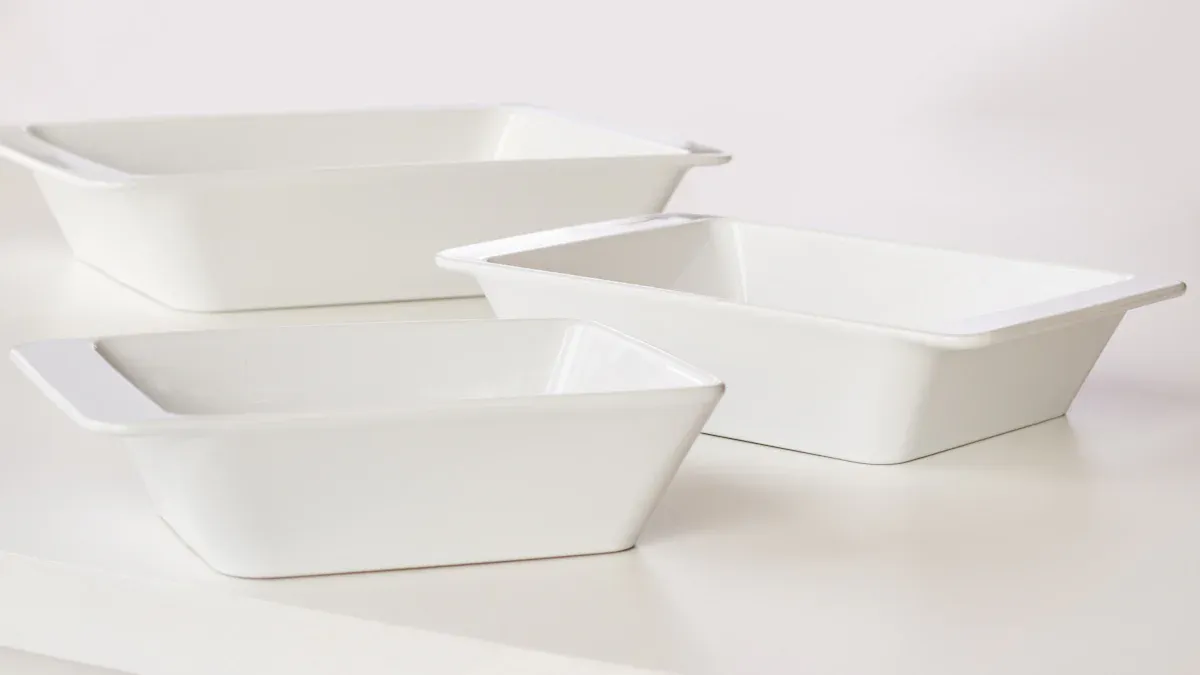
After you decide the tray’s function, you need to find the right size and style. This step ensures your new acrylic tray fits perfectly into your space and matches your decor.
Measure your space
You should always measure your space before you buy a tray. A common size for coffee tables and ottomans is 16″ x 12″. This dimension works well in many homes. However, you must confirm the fit for your own furniture.
Pro Tip for Placement 📏
- For decorative trays, leave at least 4 inches of space around the tray. This creates a balanced look.
- A small overhang of 1 inch is okay on a stable kitchen island.
- You should avoid overhangs on moving carts or shelves. This prevents tipping.
Choose a shape and color
The shape and color of your acrylic tray define its personality. Rectangular trays are classic and practical. Round or square trays can add a modern touch. The color and finish are also very important. A clear finish shows off the items on the tray. A tortoise shell finish adds a classic, warm feeling. You can also find a black glitter finish for a bold statement or a marble finish for an elegant look. When you choose a finish, consider lighting in the room, as it will affect how the acrylic reflects light and color.
Consider custom dimensions
Sometimes a standard size just will not work. This is where choosing acrylic tray with custom dimensions is a great option. Customization costs more. Larger sizes, special shapes, and unique designs increase the price because they require more materials and design time.
Many companies offer custom services. They can create a tray that fits your exact needs. You can choose the size, shape, color, and even add a logo.
| Company Name | Specialization |
|---|---|
| Sunday Knight Co., Ltd. | Custom acrylic trays for business and home |
| AP Acrylic | Custom acrylic products, including trays |
| Acrylic Design | Custom acrylic displays and products |
| Plexi-Craft | Custom acrylic furniture and accessories |
Companies like Sunday Knight Co., Ltd. make custom acrylic trays accessible with low minimum orders and fast production.
Assess quality and durability
A tray’s function and style are important. Its quality determines how long it will last. You should inspect the acrylic material and construction before you buy. This step is key when choosing acrylic tray for long-term satisfaction.
Check acrylic thickness
The thickness of the acrylic material directly impacts its strength. A thicker tray can carry more weight and resist bending. For a durable, commercial-grade acrylic serving tray, a thickness of 4-5mm is ideal. Lighter decorative trays can be thinner.
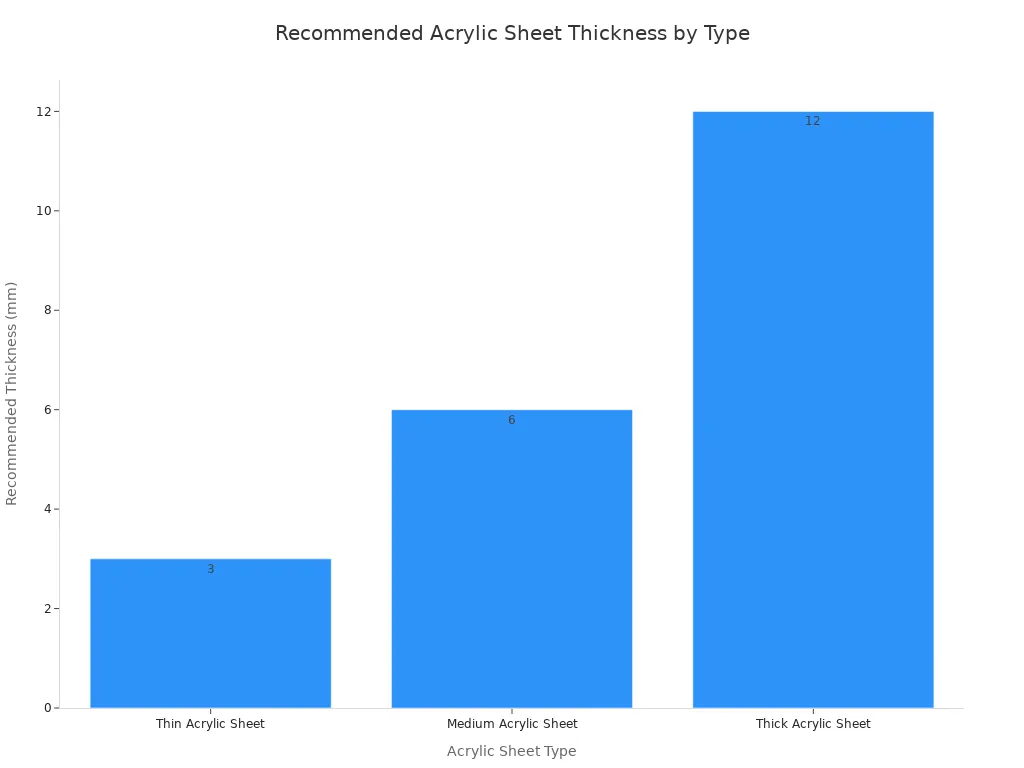
You can use this table to guide your choice:
| Tray Type | Recommended Thickness | Supporting Application Examples |
|---|---|---|
| Thin Acrylic Sheet | 1/8 inch (3mm) | Picture frames, small display cases, crafts. |
| Medium Acrylic Sheet | 1/4 inch (6mm) | Tabletops, shelving, larger display cases. |
| Thick Acrylic Sheet | 1/2 inch (12mm) or more | Structural uses, large aquariums, security barriers. |
Examine construction quality
You will find two main types of acrylic sheets: cast and extruded. Cast acrylic sheets are generally stronger and more scratch-resistant. Extruded acrylic sheets offer better impact resistance. For most home and commercial applications, both types of acrylic sheets work well.
| プロパティ | キャストアクリル | 押出アクリル |
|---|---|---|
| 耐スクラッチ性 | More scratch resistant | Less scratch resistant |
| Strength | Harder and stronger | More impact resistant |
High-quality acrylic features smooth, polished edges. These edges provide safety and a premium feel. Low-quality trays may have rough edges or visible bubbles in the material. The best clear acrylic sheets and transparent acrylic sheets are perfectly see-through. If you are unsure about the quality of the acrylic sheets, you can always request samples from the manufacturer.
Food Safety First 🥗 If you plan to use the tray for food, check for important certifications. The acrylic must be food-grade and BPA-free to ensure safety.
Look for secure handles
Handles must be strong enough to support the tray’s contents. For heavy commercial use, this is very important. Some trays have integrated, cut-out handles, which are part of the main body. Other trays have attached handles, which are bonded or screwed on. You should gently test the handles to ensure they feel sturdy and do not wobble. A secure handle is crucial for safe carrying, especially in a busy commercial environment or for commercial use at home.
Focus on features and maintenance
You should look at special features and learn how to care for your tray. This ensures your acrylic tray stays beautiful and useful for years. The right features add convenience, while proper care protects your investment.
Essential tray features
Modern acrylic trays offer more than just a flat surface. You can find trays with innovative features that improve their function. These details make a big difference in daily use.
Consider these helpful additions:
- Anti-slip surfaces: Some trays have textured bottoms or silicone pads. These prevent items from sliding. The
iDesign Linustray uses a silicone base to keep things in place. - Dividers and expandability: You can find trays with built-in or removable dividers. These help you organize small items. Some trays even expand to give you more storage room.
- Waterproof and scratch-resistant finish: High-quality acrylic sheets can have a special finish. DOMO makes scratch-resistant acrylic sheets for commercial use. You can also order custom trays with a waterproof finish and protective lids. These often include rubber pads to protect both the tray and your furniture. The right finish on acrylic sheets makes them last longer.
Care and cleaning tips
Proper cleaning keeps your acrylic looking its best. You should use gentle methods to avoid damage. A good cleaning routine preserves the clear finish of the acrylic sheets.
For daily cleaning, you can use mild soap and lukewarm water. Gently wipe the surface with a soft microfiber cloth. You can also use a special cleaner like NOVUS 1 - Plastic Clean & Shine. It cleans acrylic sheets without scratching and leaves a lustrous finish. This product also helps repel dust.
Cleaning Alert ⚠️ Never use harsh chemicals or ammonia-based cleaners on acrylic sheets. These products can cause clouding and damage the material’s finish.
You can fix light scratches on clear acrylic sheets. First, clean the area. Then, apply a plastic polish like Novus 2 with a microfiber cloth. Rub in a gentle, circular motion until the scratch fades. This simple step can restore the smooth finish of your acrylic sheets. Deeper scratches on acrylic sheets may require more advanced techniques like wet sanding. Always start with the gentlest method to protect your acrylic sheets.
You now have a simple path for choosing acrylic tray. This final checklist summarizes your key decisions. It helps you select the perfect acrylic product for your home or business.
Your Final Checklist ✅
- Define Function: Decide if you will use the tray for serving, organizing, or display.
- Select Size & Style: Measure your space first, then pick a shape and finish.
- Assess Quality: Check the acrylic thickness and construction for durability.
Following these steps ensures you find a stylish and useful tray that meets your needs in 2026.
よくあるご質問
How do I clean my acrylic tray?
You should use mild soap and warm water with a soft cloth. Avoid harsh, ammonia-based cleaners like Windex. Special plastic cleaners also work well. They keep your tray shiny and prevent damage to the clear finish.
Are all acrylic trays safe for food?
No, not all trays are food-safe. You must look for trays specifically labeled “food-grade” and “BPA-free.” This certification ensures the material is safe when it comes into direct contact with food items.
Can I fix scratches on my acrylic tray?
Yes, you can fix light scratches. You need a plastic polish and a microfiber cloth. Gently rub the polish over the scratch in a circular motion. This simple step can restore the smooth, clear look of your tray.
What thickness is best for a serving tray?
For a durable serving tray, you should choose a thickness of 4-5mm. This provides enough strength to carry drinks and plates without bending. It is a great choice for both home and commercial use.
See Also
Elevate Your Modern Home Decor with Stylish Acrylic Trays in 2025
Selecting and Maintaining Pristine White Acrylic Trays: A Comprehensive Guide
Exploring Diverse Designs and Practical Applications of Round Acrylic Trays
Top Versatile Round Acrylic Trays Perfect for Entertaining Guests in 2025
Expert Styling Tips for Clear Acrylic Trays in Contemporary Homes


 日本語
日本語  English
  Français
  Русский
  Deutsch
  Español
  Português