
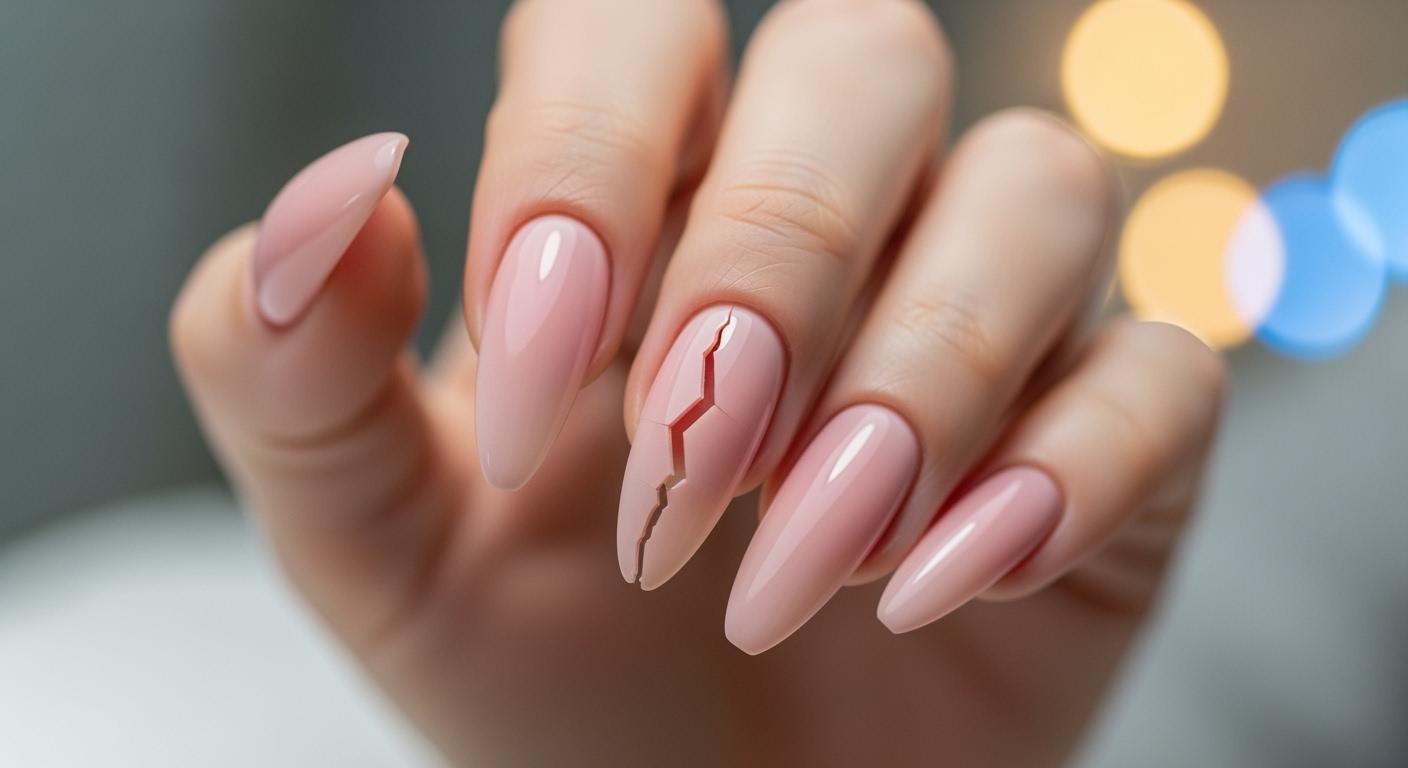
Your acrylic get brittle due to a few key factors. An improper application, chemical exposure, and dehydration of your natural nails all contribute to the problem. This issue affects both the acrylic itself and the natural nails underneath. It creates brittle nails that are prone to cracks and nail breakage.
The Secret Unlocked: The key to strength is understanding the balance between a professional application and your own dedicated nail care.
Proper care for your acrylic nails gives them lasting strength. This daily attention helps you prevent damage and supports long-term nail health.
Why Does Acrylic Get Brittle?
Your acrylic nails become weak for a few main reasons. The application process, exposure to harsh chemicals, and the health of your natural nails all play a part. Understanding these factors helps you prevent damage and keep your nails strong.
The Impact of Application Technique
A great set of acrylic nails starts with a great application. An improper application is a primary cause of weak acrylic. Your technician must use the right mix of liquid and powder. A mixture that is too dry traps air and fails to bond correctly. This creates weak points in the acrylic from the very beginning.
The structure of the acrylic also matters for strength.
Pro Tip: Your technician should build a proper apex. The apex is the thickest part of the nail enhancement, and its correct placement provides balance and durability. This structure helps your nails withstand daily stress and helps prevent breakage. Acrylic applied too thinly will lack this essential strength.
How Chemicals Weaken the Structure
Everyday products can make your acrylic get brittle. You expose your nails to harsh chemicals when you use certain household cleaners without gloves. These substances can slowly degrade the acrylic, making it more fragile over time.
Acetone is another major culprit. While necessary for removal, improper or frequent use of acetone strips away essential oils. This damages both the acrylic and your natural nails. Repeated exposure to harsh chemicals can lead to:
- Dry and dull nails
- Splitting of the nail plate
- Weakened nail beds that peel or flake
Proper care is needed to protect your nails from these effects.
Dehydration of the Natural Nail
The health of your acrylic nails is directly linked to the health of your natural nails underneath. A lack of moisture is a serious problem. When your natural nails become dry, they get weak and brittle. Dehydrated nails can shrink slightly, causing them to pull away from the acrylic overlay. This separation creates stress and can easily lead to cracks and breaks. A lack of moisture turns your strong foundation into brittle nails, which means your acrylics are more likely to fail. Good care helps you maintain moisture and strength.
Common Causes of Acrylic Nail Breakage
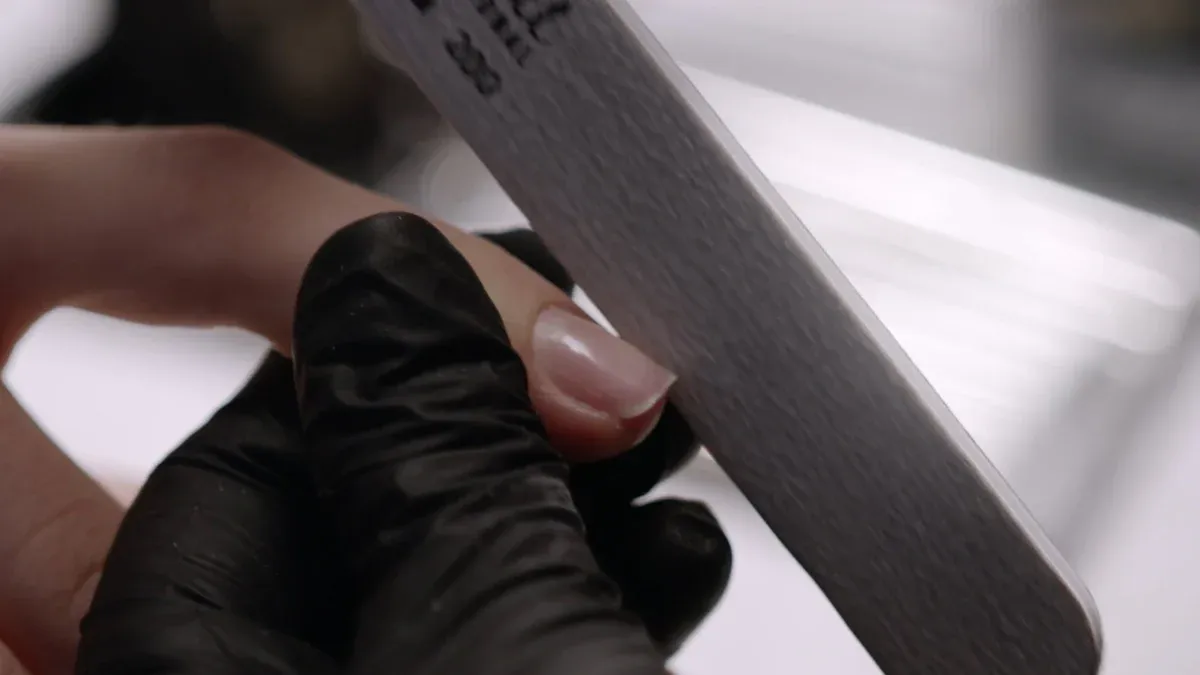
Understanding the common causes of acrylic nail breakage helps you protect your investment. An improper application, daily habits, and the health of your natural nails all contribute to this frustrating problem. Knowing these factors is the first step to prevent damage.
Improper Acrylic-to-Monomer Ratio
The mix of liquid (monomer) and powder is critical for the strength of your acrylic nails. A professional standard is a 1.5:1 liquid-to-powder ratio. This precise balance creates a durable acrylic structure. If the mix is too wet, the acrylic shrinks too much as it dries. This weakens the bond and can lead to cracking. A mix that is too dry results in a crumbly, weak acrylic that lacks internal adhesion. This is one of the most common causes of acrylic nail breakage.
Watch for Warning Signs: A runny acrylic bead that loses its shape quickly is a sign of a mix that is too wet. This can cause brittle nails and lead to nail breakage.
Physical Stress and Daily Wear
Your daily activities put stress on your acrylic nails. Simple actions like typing, opening cans, or even bumping your hands can cause micro-fractures in the acrylic. Over time, this repeated stress leads to nail breakage. You should treat your nails with care. Using your nails as tools is a sure way to cause damage. Proper care helps you prevent unnecessary stress on your acrylic nails.
Weakened Natural Nail Foundation
A strong set of acrylic nails needs a healthy foundation. Your natural nails provide this base. If your natural nails are damaged, your acrylic will not last. This is another of the common causes of acrylic nail breakage. Signs of a weak foundation include:
- Peeling or splitting of the natural nail
- Soreness or sensitivity to touch
- Yellowing or discoloration of your nails
A thinned or damaged nail plate cannot support the acrylic properly. The acrylic will not adhere well, making it much more likely to lift or snap. This lack of a solid base is a major reason for nail breakage. You must give your natural nails time to recover to build their strength.
How to Keep Your Nails Strong and Prevent Brittleness
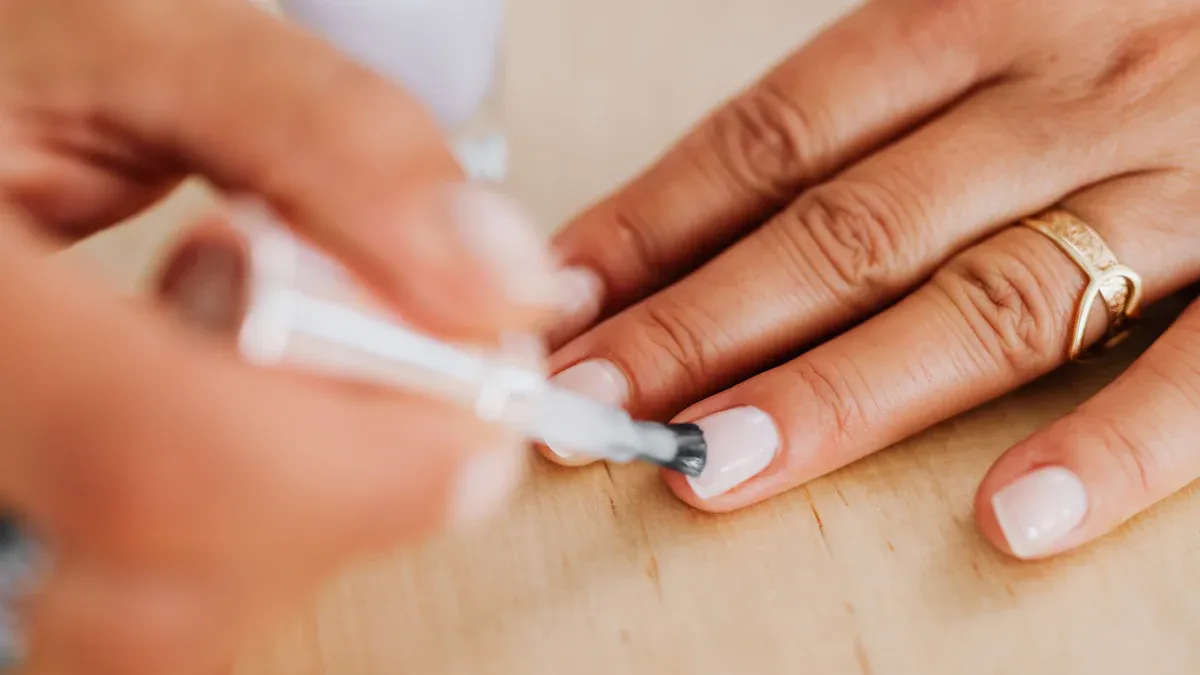
You can keep your acrylic nails strong and beautiful with the right knowledge and care. Prevention of brittleness starts with a great technician and continues with your daily routine. This approach protects your investment and supports long-term nail health.
The Role of Professional Application
The best way to prevent weak acrylic is to choose a skilled nail technician. A true professional does more than just apply the product. They begin with a detailed consultation to protect your nail health. During this talk, your technician will ask about:
- Your nail care habits and lifestyle.
- Previous experiences with acrylic nails.
- Any medical conditions or allergies you may have.
This conversation helps them customize the application for your specific needs. They will select the right products and techniques for your nails. A good technician will even suggest a recovery plan if your nails are too damaged for a new set. This careful approach is the first step in nail damage prevention. Look for technicians with recognized qualifications to ensure you receive expert care.
What to Look For in a Technician’s Credentials 🎓
- Nail Technology Diploma or B.C.’s Beauty Council certification
- Advanced certifications in e-file use and cuticle care
- Lucas-cide Safe Space Certification for proper disinfection
Essential Moisturizing for Strong Acrylic Nails
Hydration is the secret to flexible, resilient nails. Your natural nails can become dry under an acrylic overlay. This lack of hydration causes them to shrink and pull away from the acrylic, leading to nail breakage. Daily moisturizing is a critical part of your aftercare.
You should use cuticle oil every day. This simple step in your regular nail care routine provides deep hydration. The oil penetrates the acrylic and nourishes the natural nail and surrounding skin. This added moisture keeps your natural nails flexible. Flexible nails can bend slightly under stress instead of snapping. This routine is essential for maintaining the bond between your natural nail and the acrylic enhancement. Consistent hydration is key to nail strength.
Using quality nail care products makes a big difference. The right oil provides the necessary hydration to maintain nail strength. This daily routine is a simple yet powerful form of prevention. Your regular nail care should always include hydration for lasting results.
Safe Removal and Nail Recovery
How you remove your acrylic nails is just as important as the application. You must never peel, pick, or pry off your acrylic. This action rips away layers of your natural nail plate. It causes thinning, peeling, and ridges.
A Word of Caution from the Experts Dr. Lena Reyes, a dermatologist, warns that repeated damage can harm the nail matrix. This is the part of your nail responsible for growth. Once it’s damaged, your nails may never regain their original strength. You must avoid this to prevent permanent nail damage.
The only safe method is a professional soak-off. A technician will soak your nails in acetone to dissolve the acrylic. They then gently push the softened product off. This process protects the integrity of your natural nails.
After removal, your nails need a recovery period. This aftercare is vital for strengthening the nail plate.
- Give Your Nails a Break: Avoid reapplying acrylic for at least a week. This allows your nails to breathe and recover.
- Focus on Hydration: Continue your daily routine of applying cuticle oil. You can also use nourishing hand creams to restore moisture. Excellent hydration is the foundation of nail health.
- Use Strengthening Nail Care Products: Apply a hardening treatment like OPI Nail Envy or CND RescueRXn. These nail care products help rebuild nail strength.
Following proper nail care routines for aftercare will improve future acrylic results. This dedicated nail care ensures your nails remain a healthy foundation for your next set.
Your acrylic get brittle from poor application, chemical damage, and a lack of moisture. You can prevent brittle nails with the right care. Choose a skilled technician and use cuticle oil daily for better nail health. This dedicated nail care helps your acrylic nails last.
Did You Know? 💡
- Well-maintained acrylic nails last around 3 weeks.
- Leaving your acrylic on beyond four weeks without care significantly increases the risk of breakage.
This attention helps you prevent issues from a lack of moisture and keeps your nails strong for lasting nail health.
よくあるご質問
How often should I get my acrylics filled?
You should get a fill every 2 to 3 weeks. This schedule maintains the nail’s structure and prevents breakage. Waiting longer allows the apex to shift. This change in balance puts stress on the enhancement and can lead to cracks.
Can I fix a small crack at home?
You can use nail glue for a temporary fix. However, you should see your technician as soon as possible. A professional repair ensures the crack is sealed properly. This prevents moisture from getting trapped underneath and damaging your natural nails.
Why do my nails feel weak after removing acrylics?
Your natural nails can feel weak from the filing process during application and removal. They have also been covered for weeks. Give them a break and use a strengthening treatment. This helps them recover their natural hardness and resilience.
See Also
Edge Bonding: Process and Applications in Acrylic Manufacturing Explained
Selecting and Cleaning White Acrylic Trays: A Comprehensive Guide
Chemical Resistance in Acrylics: Factors and Applications Defined
Impact Strength in Acrylics: Testing and Applications Explained

 日本語
日本語  English
  Français
  Русский
  Deutsch
  Español
  Português