

Choosing the right display stand can be a challenge. Acrylic display stands are the superior choice over common plastic display stands. The quality of acrylic provides unmatched durability and a professional appearance.
An acrylic display stand is a smart investment. Its long-term value comes from acrylic being a stronger, clearer material. This makes it the definitive option for a high-quality display.
Acrylic vs Plastic: Superior Clarity and Appeal
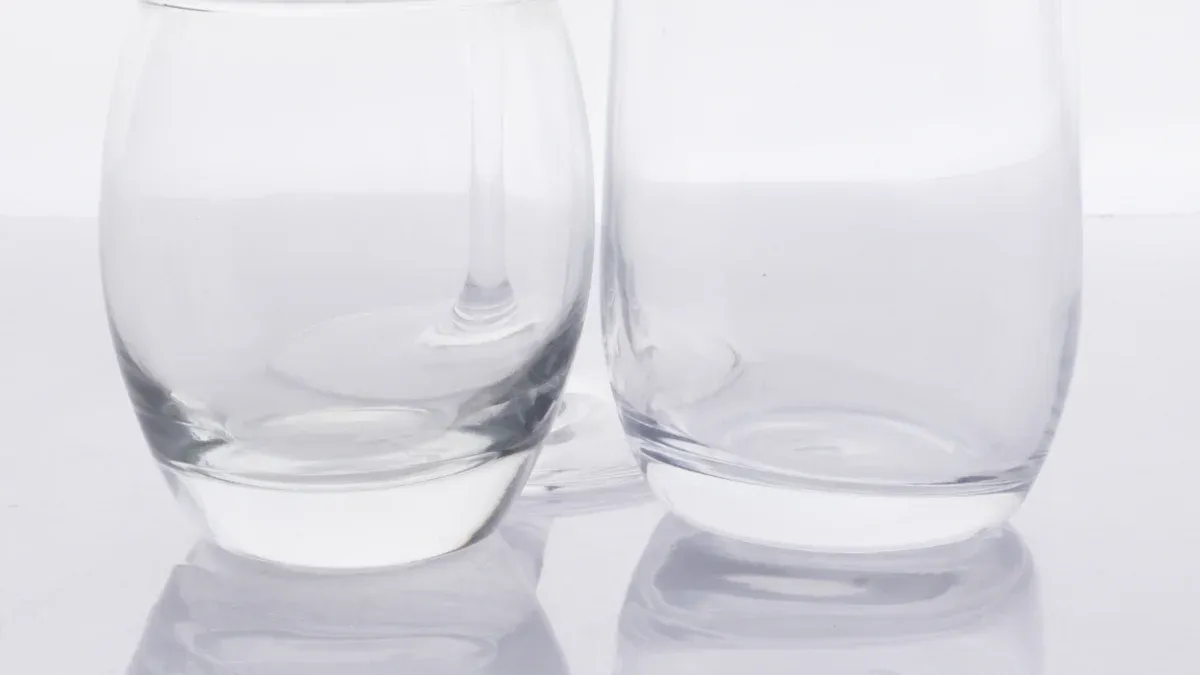
The visual appeal of a display is its most important quality. In the debate of acrylic vs plastic, acrylic consistently wins on appearance. Its superior clarity creates a premium aesthetic that common plastics cannot match. The appearance and texture of an acrylic display stand elevate the products it holds.
The Flawless, Glass-Like Finish of Acrylic
Acrylic possesses a unique, glass-like appearance and texture. This flawless finish comes from its specific scientific properties. The material has an exceptional visual effect that makes it look more expensive and professional.
- Outstanding Optical Transparency: Acrylic allows up to 92% of visible light to pass through it. This is even more than standard glass.
- Stable Polymer Structure: The chemical makeup of acrylic ensures it remains rigid and optically pure.
- Maintainable Clarity: You can polish acrylic to restore its high transparency, keeping its aesthetic appeal for years.
Resisting Yellowing and Cloudiness
Many plastics like polycarbonate, PVC, or ABS degrade over time. Exposure to sunlight and air causes them to turn yellow or cloudy. This ruins their appearance and texture. Acrylic, however, is naturally stable against UV light and oxidation. This inherent resistance means it maintains its crystal-clear look.
The difference in the acrylic vs plastic comparison is stark. Untreated plastics can show discoloration very quickly.
| Polycarbonate Type | Rapid UV Exposure | Moderate UV Exposure |
|---|---|---|
| Standard Polycarbonate | 2–4 Months | 1–2 Years |
This rapid yellowing forces frequent replacements and diminishes the visual appeal of your display.
How Transparency Enhances Product Views
The high transparency of acrylic does more than just look good. It directly improves how customers see your products. The clear material does not distort colors or details. This creates a clean visual effect, allowing the item itself to be the star. For businesses, this enhanced aesthetic makes products seem more valuable. Quality acrylic display stands ensure your presentation is always professional and inviting.
Durability and Safety: A Technical Parameter Comparison
A display’s appearance is important, but its durability and safety are critical for long-term use. A technical parameter comparison reveals why acrylic is a stronger and safer material than common plastics. The physical properties of acrylic make it a reliable choice for any environment.
Impact and Shatter Resistance
Safety is a top concern in public and high-traffic areas. Acrylic offers superior impact strength compared to both glass and other plastics like polystyrene. It is significantly more resistant to breaking from sudden force. This quality makes it a much safer alternative to glass.
Safety First: Acrylic meets high safety standards for use in buildings. It is recognized under
ANSI Z 97.1for Safety Glazing Materials, making it a trusted choice for public displays.
The impact strength of a material is often measured using the IZOD test. This test shows how much energy a material can absorb before fracturing. A higher value means greater strength.
| Polymer | Min IZOD value (J/m²) | Max IZOD value (J/m²) |
|---|---|---|
| PMMA – Polymethyl methacrylate/Acrylic | 10 | 25 |
This shatter-resistant nature means that if an acrylic display stand were to break under extreme force, it would not shatter into dangerous shards like glass.
The Brittleness of Plastic Display Stands
Many common plastic display stands are made from materials like PETG or hardboard. These materials can be brittle and prone to failure under stress. For example, PETG has a lower tensile strength, which measures a material’s resistance to being pulled apart.
| Sample | Ultimate tensile strength (MPa) |
|---|---|
| PETG | 54.9 ± 2.6 |
This lower strength leads to common problems in retail settings.
- Shelf brackets and side supports can crack or snap.
- Hardboard pegboards can chip, bow, or fray around the holes.
- Moisture absorption can cause wood-based materials to warp and swell.
These weaknesses compromise the structural integrity of plastic display stands, leading to frequent damage and replacement.
Superior Scratch and UV Resistance
The durability of acrylic extends to its surface and its ability to withstand environmental factors. In the acrylic vs plastic debate, acrylic’s resistance to scratches and UV light is a major advantage.
The surface hardness of acrylic is measured using the Rockwell hardness test. Acrylic scores higher on this scale than many other clear plastics. This means it resists minor scratches from daily wiping and handling. You can even polish away light scuffs to restore its original shine.
Furthermore, acrylic has excellent, good weather resistance. It contains inherent protection against ultraviolet (UV) light. This prevents the material from turning yellow or becoming brittle over time. Untreated plastics, in contrast, can start to yellow in just a few months of sun exposure and may only last 1-2 years outdoors. Acrylic can last for many years without significant discoloration, protecting your investment.
Lightweight Strength for Easy Handling
Acrylic provides impressive strength without the heavy weight. The density of acrylic is approximately 1180 kg/m³. This is less than half the density of glass, which is around 2500 kg/m³. An acrylic display of the same size as a glass one will weigh about 50% less.
This lightweight property offers several practical benefits for acrylic display stands:
- Lower Shipping Costs: Lighter items are cheaper to ship, saving your business money.
- Easy Setup: A single person can often move and assemble an acrylic display stand without help.
- Simple Rearrangement: You can easily refresh your store layout or move displays for events.
This combination of lightweight design and robust durability makes acrylic a highly practical and versatile material for all display needs.
Cost vs. Value: Why an Acrylic Display Stand is a Smarter Investment
The initial price tag is often a major factor in any purchasing decision. An acrylic display stand may have a higher upfront cost than its plastic counterparts. This section provides a detailed cost comparison. It shows why the long-term value of acrylic makes it a much smarter financial investment.
Understanding Upfront Costs
Several factors contribute to the initial cost of acrylic display stands. Understanding these elements helps you see the value you receive. The price reflects superior materials, craftsmanship, and customization.
- Acrylic Quality and Thickness. The type of acrylic matters. Cast acrylic is more expensive because it offers the best clarity and strength. Thicker sheets of acrylic provide greater durability but use more material, increasing the cost.
- Design Complexity. Larger or more intricate designs require more material and labor. Complex shapes need precise cutting and careful assembly, which adds to the production expense.
- Customization Options. Standard clear acrylic is the most affordable choice. Adding colors, logos, or special features like UV protection increases the final price. Customization makes your display unique but raises the cost.
- Order Quantity. Manufacturers can often reduce the per-unit cost for larger orders. Buying in bulk allows them to optimize production and get better prices on raw materials.
The Hidden Cost of Replacing Plastics
Cheaper plastic display stands seem like a good deal at first. However, they carry hidden costs that add up over time. These displays often use brittle materials that crack, chip, or yellow. Their short lifespan means you will face frequent replacement costs.
Think About Replacements: A cheap plastic stand might last only a year or two before it looks unprofessional or breaks. Replacing it three or four times quickly exceeds the initial cost of a single, durable acrylic stand. This cycle of repurchasing becomes a significant, unplanned expense.
The poor durability of common plastics damages your brand’s image. A cracked or discolored display makes your products look cheap. The constant need for replacements is a recurring cost that a quality acrylic investment avoids entirely.
Calculating Long-Term ROI
A smart investment provides a good return over time. In the acrylic vs plastic debate, acrylic offers a much higher return on investment (ROI). You can see this by calculating the Total Cost of Ownership (TCO).
The formula is simple:
TCO = Purchase Cost + Maintenance Cost + Replacement Cost
Let’s imagine a scenario. A high-quality acrylic stand has a lifespan of over 15 years. A cheaper plastic stand might need replacement every two years. Over a ten-year period, you would buy one acrylic stand but five plastic ones. The total cost for the plastic option would be far greater. The superior durability of acrylic means your replacement cost is zero for more than a decade. This long lifespan makes acrylic the clear winner for long-term value and protects your budget from unexpected expenses.
Ideal Uses for Acrylic Display Stands

The versatility of acrylic makes it suitable for many different applications. Its unique combination of clarity, durability, and design flexibility allows it to meet the needs of various industries. From luxury retail to professional offices, acrylic enhances presentation and protects valuable items.
High-End Retail and Jewelry Displays
Luxury brands require displays that reflect the quality of their products. Acrylic is the perfect material for a high-end product display. Its flawless, glass-like clarity enhances the sparkle of jewelry and the fine details of premium goods. Global brands like Louis Vuitton use acrylic to create stunning storefronts and in-store displays. The material’s optical properties are key.
Premium acrylic blocks have revolutionized our product displays. The clarity and durability have significantly improved our customers’ shopping experience, with a 23% increase in product engagement since implementation. (Retail Display Association | 2024 Industry Report)
Museum-Quality Collectible Protection
Protecting valuable artifacts and collectibles is a serious task. Museum-grade acrylic display stands offer superior protection. This special acrylic meets strict archival standards.
- It passes the Photographic Activity Test (PAT)
ISO 18916. - It blocks up to 99% of harmful UV rays.
- It has anti-static properties to repel dust.
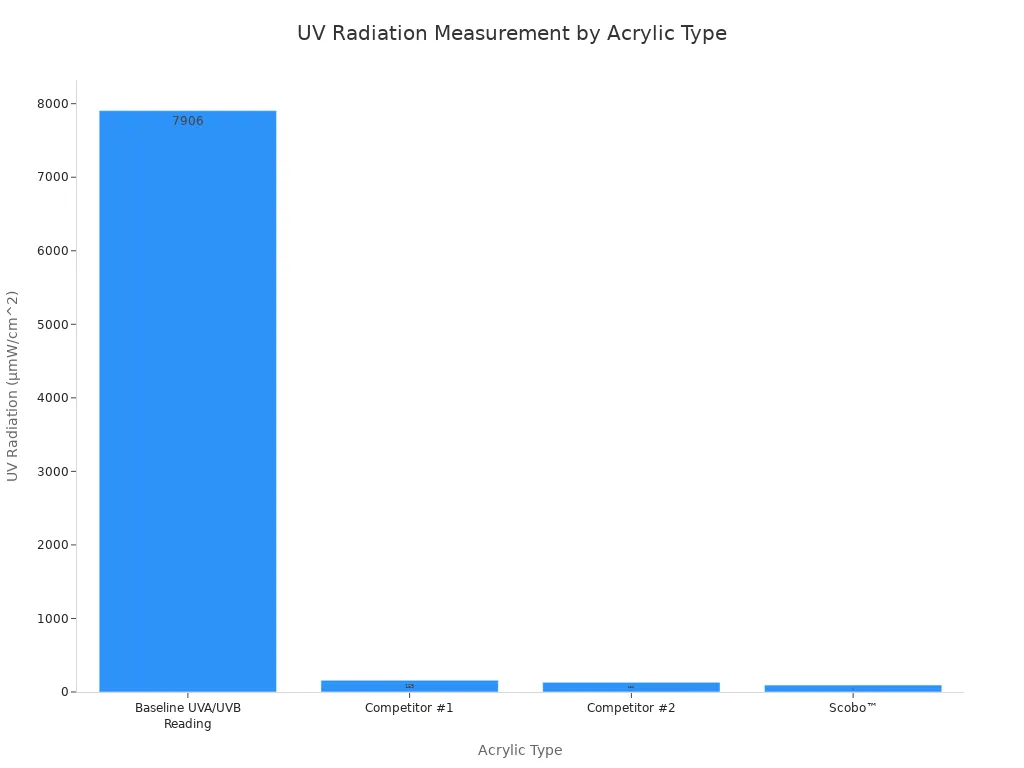
UV light is a major cause of fading and damage. UV-filtering acrylic absorbs these harmful rays, which fall between 285 and 400 nanometers. This protection keeps collectibles safe for years. The chart below shows how some acrylics are better at filtering UV light than others.
Professional Business Signage
A company’s lobby sign creates the first impression. An acrylic display stand or sign communicates professionalism and quality. Businesses use layered acrylic to create memorable 3D logos that stand out. This technique offers several benefits:
- Enhanced Visual Appeal: The depth and texture create a sophisticated, eye-catching look.
- Increased Brand Recognition: 3D signs are more memorable than flat ones.
- Durability and Longevity: Acrylic is strong enough for both indoor and outdoor use.
Companies like Magnolia Dental Studio and AAXIS use acrylic and metal combinations for elegant reception displays.
Food-Safe Bakery and Cafe Displays
Hygiene is essential in food service. Acrylic is an excellent choice for bakery and cafe displays because it is non-porous and easy to clean. Food-grade acrylic must meet FDA regulations, such as 21 CFR 177.1010, to ensure it is safe for direct food contact. This makes it ideal for displaying pastries, cakes, and bread. Creative acrylic display stands, like tiered risers or cases with LED lighting, can make food products look even more appealing while keeping them protected.
This guide shows the clear advantages of acrylic. It offers a superior aesthetic appearance, exceptional durability, and better long-term value. Cheaper plastic display stands may have a lower initial cost. However, their poor appearance and short lifespan require constant replacement. The quality of acrylic protects your investment and brand image.
For anyone serious about presentation, acrylic display stands are the definitive best choice. They can last upwards of five years, proving their worth long after other options fail.
よくあるご質問
How do I clean an acrylic display stand?
Use a soft cloth with mild soap and water to clean your stand. Gently wipe the surface to avoid scratches. This simple care keeps your display looking new.
ヒント Never use glass cleaners or products containing ammonia. These harsh chemicals can damage the acrylic and cause it to look cloudy.
Can acrylic stands be used outdoors?
Yes, acrylic is an excellent choice for outdoor use. It has natural resistance to weather and UV light. This quality prevents it from turning yellow or becoming brittle in the sun, unlike many other common plastics.
Is acrylic the same as Plexiglas?
Plexiglas is a well-known brand name for acrylic. The actual material is called polymethyl methacrylate, or PMMA. So, Plexiglas is a type of acrylic, but the terms are often used to mean the same thing.
How long do acrylic stands really last?
A quality acrylic display stand can last for 15 years or even longer. Its strong, durable structure resists damage and discoloration. This long lifespan makes it a much better investment than cheaper plastic options.
See Also
Your Comprehensive Guide to Acrylic Table Stands
Innovative Display Ideas Using Acrylic Tabletop Stands
Exploring Premium Acrylic Stand Tables: Design and Materials

 日本語
日本語  English
  Français
  Русский
  Deutsch
  Español
  Português