
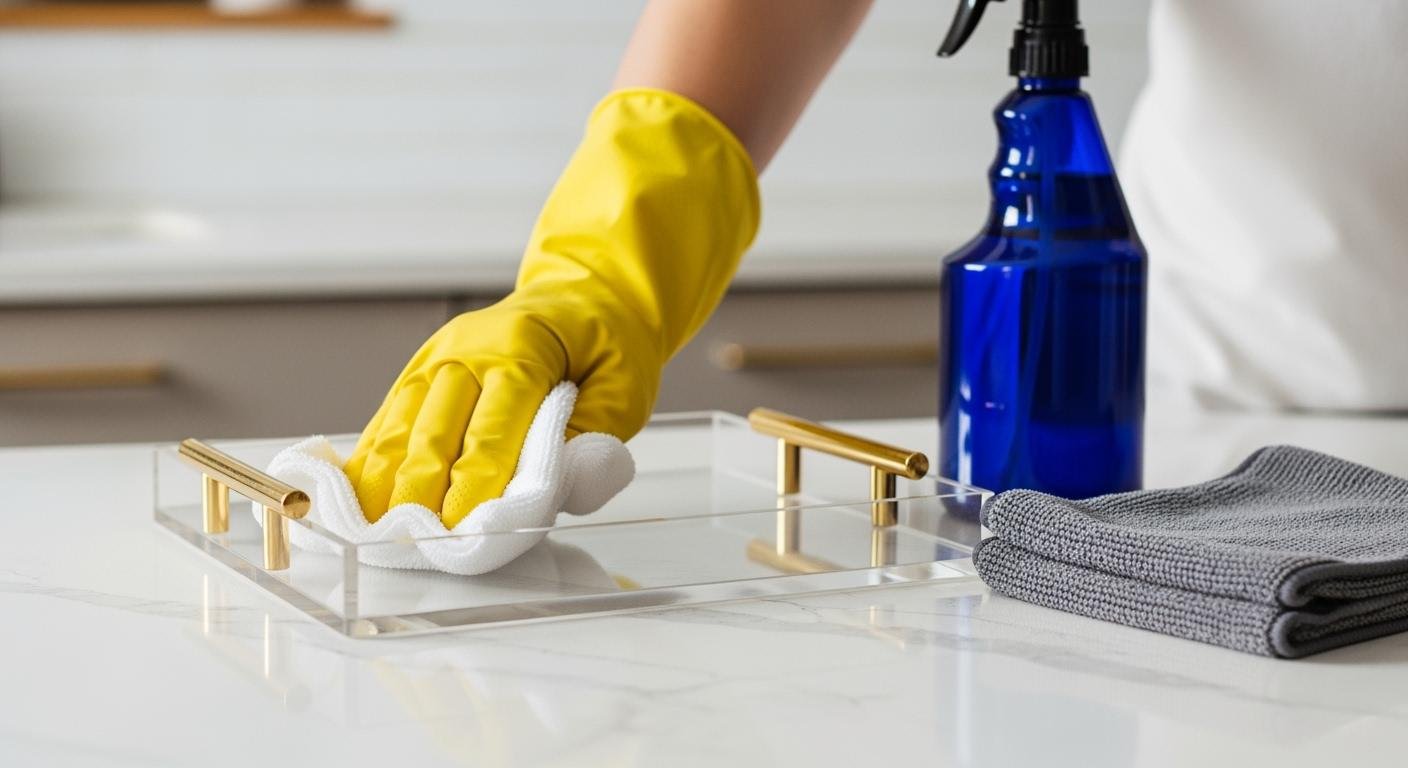
The best cleaning method is surprisingly simple. Effective cleaning and maintaining acrylic trays requires only three basic items.
The Essential Toolkit 🛠️
- Mild dish soap
- Lukewarm water
- A soft microfiber cloth
This gentle approach is your secret to preventing scratches. It protects the crystal-clear finish of your acrylic tray. This guide is your complete resource. This guide helps you achieve that flawless, “like-new” look for your acrylic piece.
Cleaning and Maintaining Acrylic Trays: The Essentials

Choosing the right supplies is the most important step in cleaning and maintaining acrylic trays. Your success depends on using gentle materials and avoiding harsh ones. This part of the guide gives you the essential tips for selecting your tools.
Safe Cleaning Supplies
You must protect your tray’s delicate surface. The right tools ensure a safe and effective cleaning process. Always start with the softest materials available for preventing scratches.
Recommended Cloths 🧼
- Microfiber Cloths: These are your best option. They are soft, lint-free, and trap dust without scratching the acrylic.
- 100% Cotton or Terry Cloths: If you do not have microfiber, a very soft cotton cloth is a good alternative. Ensure it is clean and free of debris.
Approved Cleaning Products ✅ Your ideal cleaning solution is simple and mild. You can also use products made specifically for acrylic.
- Mild Dish Soap: A few drops of mild dish soap in lukewarm water create the perfect cleaning solution. Cleaning experts often recommend fragrance-free and hypoallergenic soaps. A great choice is
Palmolive Ultra Pure + Clear, which cuts grease effectively without harsh additives. - Specialized Plastic Cleaners: For a professional-grade clean, you can use a dedicated acrylic cleaner. Brands like
BrillianizeorNOVUShave been trusted for decades. They offer products that clean, polish, and protect your acrylic tray.
Harmful Products to Avoid
Avoiding common pitfalls is just as important as using the right supplies. Certain products will permanently damage your acrylic tray. They can cause cloudiness, cracks, or a dull finish.
Warning! ⚠️ Never use chemical solvents on your acrylic. Products containing acetone or isopropyl alcohol are known to cause “crazing,” a network of tiny cracks that ruins the acrylic’s clarity. In some cases, they can cause the material to fracture completely.
The following table lists common items you must never use for cleaning your tray.
| Product to Avoid | Why It’s Harmful |
|---|---|
| Ammonia-Based Cleaners (e.g., Windex) | Ammonia is a harsh chemical that eats into the acrylic surface, leaving it cloudy and dull. |
| Solvents (e.g., Acetone, Alcohol) | These chemicals cause crazing and can make the acrylic brittle and prone to cracking. |
| Abrasive Powders or Pads | Scouring powders and rough sponges will create countless fine scratches on the surface. |
| Paper Towels or Rough Rags | The wood fibers in paper towels are abrasive and can leave behind fine scratches and lint. |
Even top consumer testing organizations check acrylic for its resistance to stains from various cleaning products. This shows how important it is to choose your cleaner carefully. Following these tips will keep your tray looking its best.
A Step-by-Step Cleaning Guide
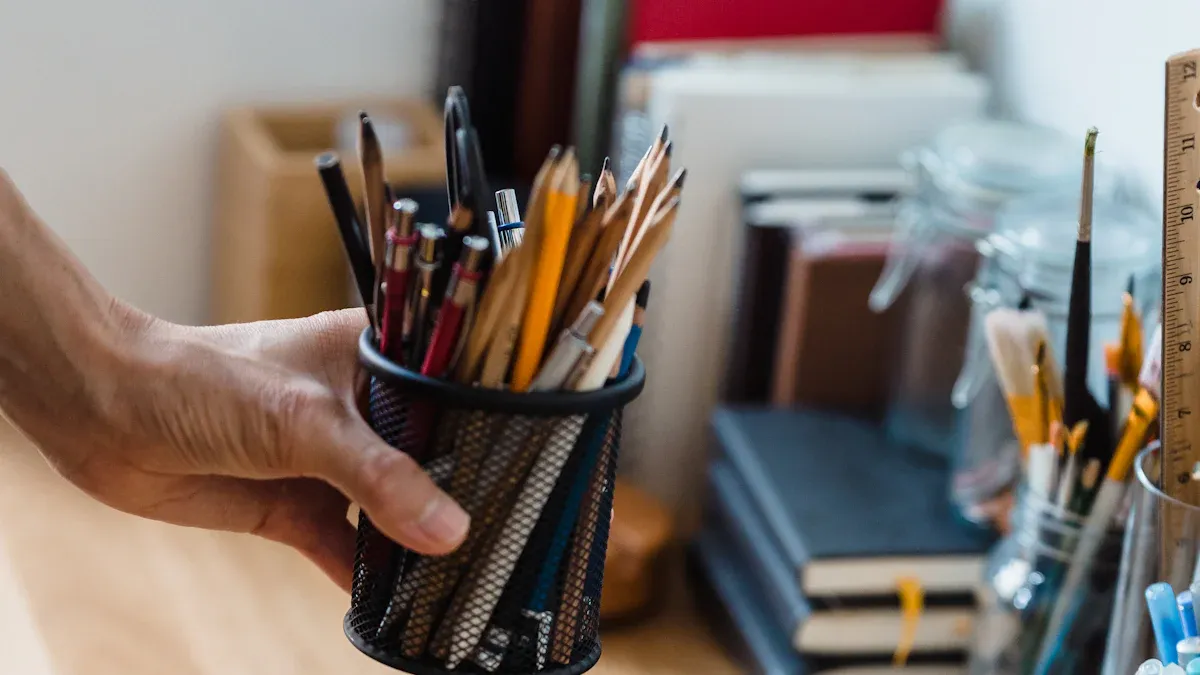
Now you know which supplies to use and which to avoid. This guide gives you a clear, step-by-step cleaning process for your tray. Following this guide will make cleaning and maintaining acrylic trays simple and effective.
Routine Dusting and Wiping
A consistent cleaning routine is the best way to keep your acrylic tray looking pristine. Daily dusting prevents particles from settling and scratching the surface over time.
- Frequency: You should perform daily swipes with a microfiber cloth. This gentle cleaning routine prevents dust buildup and reduces the need for deep cleaning. If your tray is in a low-traffic area, weekly dusting may be enough.
- Technique: Always use a dry, clean microfiber cloth for dusting. Wipe the surface using straight, gentle strokes. Circular motions can grind dirt into the acrylic and cause fine scratches. Straight strokes lift dust and smudges away safely.
Deep Cleaning Spills and Grime
For sticky spills, fingerprints, or built-up grime, your tray needs a deeper cleaning. This step-by-step cleaning procedure uses the safe supplies we discussed earlier to restore your tray’s brilliant shine.
Here is your simple cleaning checklist:
- Prepare Your Solution: Mix a few drops of mild dish soap into a bowl of lukewarm water. Swish it around to create a gentle, soapy solution.
- Wipe It Down: Dip a clean microfiber cloth into the soapy water. Wring it out so it is damp, not dripping wet. Gently wipe the entire surface of the acrylic tray, including the sides.
- Rinse Thoroughly: Empty your bowl and refill it with plain lukewarm water. Use a second, clean microfiber cloth, dip it in the plain water, and wring it out. Wipe the entire tray again to remove any soap residue.
- Dry for a Spotless Finish: Use a third, completely dry microfiber cloth to blot the tray dry. Do not rub, as this can cause streaks.
Pro Tip 💧 Blotting the surface dry is the most effective way to prevent water spots. For an extra-clear shine, you can gently buff the dry acrylic with your cloth until it gleams.
Focusing on Handles
Handles require special attention during cleaning because they can be made from different materials. Your tray might have:
- Metal handles (gold, silver)
- Handles with leather or wood accents
- Integrated cut-out handles (made from the same acrylic)
Follow these tips to clean them correctly. For integrated acrylic handles, you can use the same soap and water solution. For metal or custom handles, use a damp cloth to wipe them down. Be careful where the handle meets the tray to avoid scratching the acrylic. A cotton swab is a great tool for cleaning tight corners and crevices around the handle hardware.
Solving Common Acrylic Tray Issues
Even with careful handling, your acrylic tray might face issues like stains or scratches. This guide provides simple solutions to restore its beauty. You can fix most common problems with a little patience and the right technique.
Removing Stains and Stickiness
Spills and sticky labels can ruin your tray’s clear look. You can easily remove them without causing damage. This cleaning guide will help you tackle these stubborn spots.
For stains from coffee or wine, follow these steps:
- Start Gently: Mix mild dish soap with warm water. Dip a microfiber cloth in the solution and gently wipe the stain.
- Use a Paste: If the stain remains, make a paste of equal parts baking soda and water. Apply it to the spot, let it sit for a few minutes, and then wipe it away with a clean, damp cloth.
To remove sticky residue from tape or labels:
Important Tip 💡 Before you begin, test your cleaning solution on a small, hidden area of the acrylic. This ensures it will not cause damage.
Use a cotton ball soaked in white vinegar to dab the sticky area. Let it sit for a few minutes to dissolve the adhesive. Then, you can gently scrape the residue off with the edge of an old credit card.
Fixing Minor Scratches
Fine scratches can appear over time, but you can often polish them out. These tips will help you make your acrylic tray look smooth again.
For very light surface scratches, a dedicated acrylic polish is your best tool.
- Apply a small amount of a product like
Novus 2to a clean microfiber cloth. - Rub the polish into the scratched area using gentle, circular motions.
- Continue buffing with light pressure until the scratch disappears.
- Wipe away any excess polish with a clean part of the cloth for a brilliant shine.
Deeper scratches may require a more advanced approach, such as wet sanding with very fine-grit sandpaper. However, for most minor flaws, a quality polish is all you need to restore your acrylic tray’s flawless finish.
Long-Term Maintenance Tips
Proper care extends beyond cleaning. You can keep your acrylic tray looking beautiful for years. This guide offers long-term maintenance tips to protect your investment. Following these simple rules will prevent common damage.
Proper Handling and Use
You can protect your tray during everyday use. Careful handling is the first step to preventing damage. Certain items can harm the acrylic surface.
Handle with Care! ✍️ Always lift your tray with both hands, especially when it is loaded. This prevents stress on the handles and the tray body.
Avoid placing these items on your tray:
- Heat Sources: Keep your acrylic tray away from hot objects. Curling irons, hot mugs, and direct sunlight can warp or discolor the material.
- Heavy Objects: Do not place excessively heavy items on the tray. You should distribute weight evenly to prevent the acrylic from cracking or bending.
- Harsh Chemicals: Keep corrosive substances away from your tray. Items containing acids or alkalis can permanently damage the surface.
Correct Storage Methods
Correct storage protects your tray when it is not in use. You should store your acrylic tray in a climate-controlled area. A cool, dry place is ideal. High humidity can make the surface foggy over time. To prevent warping, store the tray on a flat, level surface. Avoid stacking other objects on top of it. Proper storage is a key part of this maintenance guide.
Preventing Sun Damage
Sunlight is a major enemy of acrylic. The sun’s UV radiation breaks down the material at a molecular level. This process is called photo-oxidation. It causes the clear acrylic to turn yellow and become brittle.
UVB rays are especially damaging. They break the chemical bonds in the polymer, which reduces its strength. To prevent this, you should keep your tray out of direct sunlight. If you plan to use a tray outdoors, look for one made from UV-resistant acrylic. These special trays contain stabilizers that block harmful rays. These tips will help you maintain your tray’s clarity and strength for a long time.
This guide provided essential tips for cleaning and maintaining acrylic trays. You can prevent permanent damage like crazing and scratches. Following the rules ensures your tray remains beautiful.
The Golden Rule 🏆
- Always Use: Mild soap, lukewarm water, and a microfiber cloth.
- Never Use: Ammonia, solvents, or abrasive pads.
Proper cleaning helps your acrylic piece last for many years. With the right care, it can remain a functional and stunning item in your home for up to two decades.
よくあるご質問
This section answers your most common questions about acrylic tray care. You can find quick solutions and tips for keeping your tray in perfect condition.
Can I put my acrylic tray in the dishwasher?
You should never put your acrylic tray in the dishwasher. The high heat can warp the material. Harsh detergents can also cause cloudiness or fine cracks, known as crazing. Always wash your tray by hand for the best results.
Is it safe to serve food directly on an acrylic tray?
Yes, most acrylic trays are food-safe. The material is non-porous and does not absorb odors.
Safety Tip 🍎 You should always wash the tray with mild soap and water before its first use. This simple step ensures it is clean and ready for serving food.
How can I remove yellowing from my acrylic tray?
Unfortunately, you cannot easily remove yellowing caused by sun exposure. This damage is often permanent. The best strategy is prevention. You should keep your tray out of direct sunlight to maintain its crystal-clear appearance for years.
What should I do about a deep scratch?
Minor scuffs can be polished out. Deep scratches, however, are difficult to fix at home. If you can feel the scratch with your fingernail, it may be too deep for a standard polish. You might need to consult a professional for repair.
See Also
Choosing and Caring for Your Pristine White Acrylic Trays
Elevate Your Modern Home Decor with Clear Acrylic Trays
Discovering Round Acrylic Trays: Styles and Everyday Practicality Explored
Innovative Acrylic Trays with Inserts for Distinctive Home Decor
Maximizing Space: Small Acrylic Trays for Versatile Storage Needs

 日本語
日本語  English
  Français
  Русский
  Deutsch
  Español
  Português