
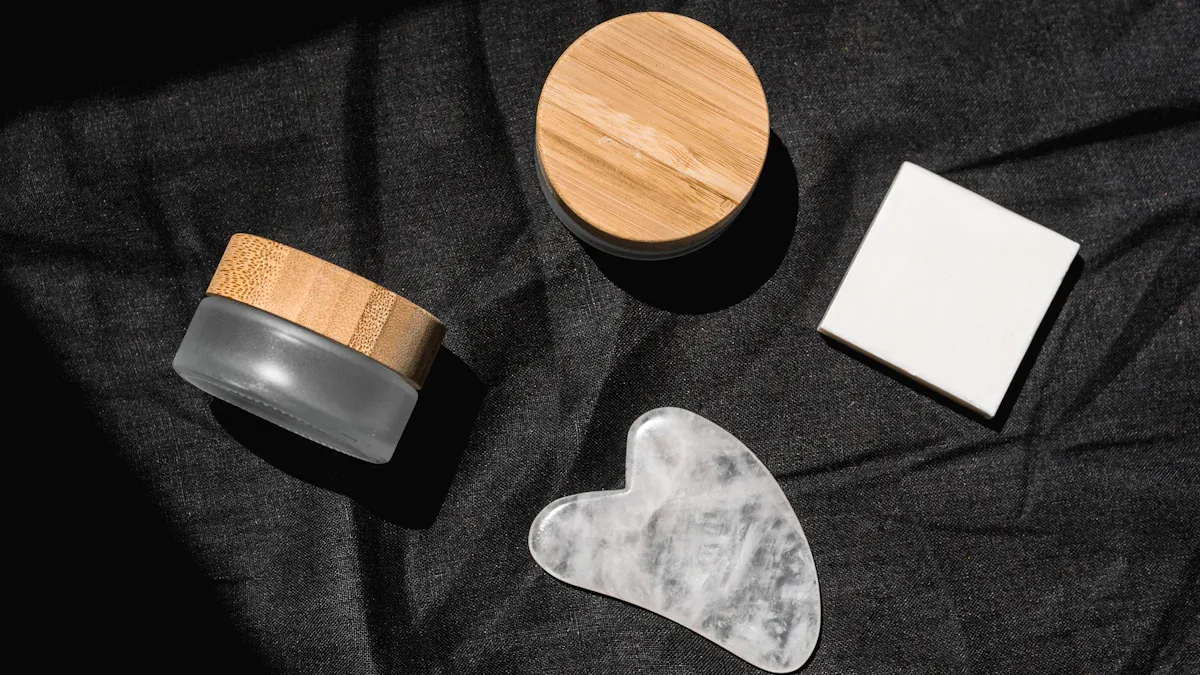
Is your product’s packaging whispering sophistication or shouting for attention? The choice of surface finishes on packaging is a critical strategic decision. The matte vs gloss debate in packaging design directly impacts brand perception and sales. A matte finish often signals luxury, while a glossy gloss finish can feel energetic. This choice between a matte or gloss texture for the packaging is a core part of the matte vs gloss decision.
MATTE VS GLOSS: THE CORE DIFFERENCES
The choice between matte vs gloss is more than an aesthetic preference. It is a fundamental decision in packaging design. These surface finishes communicate distinct messages through sight and touch. Understanding the matte vs gloss debate is key for brands.
VISUAL AND TACTILE PERCEPTION
| 特徴 | Matte Finish | Gloss Finish |
|---|---|---|
| Light Interaction | Absorbs light | Reflects light |
| Surface Texture | Non-reflective, smooth | Shiny, reflective |
| Appearance | Muted, understated, subtle | Bright, vibrant, eye-catching |
| Glare | Minimizes glare | Prone to glare |
| Color Impact | Colors appear more muted | Enhances brightness of colors |
Touch is just as important as sight in packaging design. The tactile experience of matte vs glossy finishes sends strong signals.
- A matte surface provides a smooth, soft touch. This fosters a sensory connection and feels premium.
- A gloss surface offers a sleek, slippery feel. This is often linked to modernity and high-tech products.
The matte vs gloss decision also impacts how consumers handle the packaging. A matte finish is less prone to showing fingerprints, keeping the packaging looking clean.
PSYCHOLOGICAL BRAND SIGNALS
The matte vs gloss choice directly influences consumer psychology. A matte finish on packaging often signals naturalness and authenticity. Consumers may perceive a product with matte packaging as less artificial. This makes matte a powerful tool for wellness and minimalist brands. The debate over matte vs gloss finishes in the packaging industry often centers on these psychological cues.
注: A glossy finish sends different signals. A glossy appearance is attractive and captures attention. Studies show people are drawn to shiny things, possibly because gloss connotes water and hydration. A high-gloss finish on packaging can convey energy and excitement, increasing purchase intention for a glossy product. The choice of matte vs gloss is therefore a strategic one.
THE CUES OF A MATTE FINISH

A matte finish communicates specific brand values to consumers. It moves beyond simple aesthetics. The choice of a matte finishing for packaging is a deliberate signal of quality and identity. Understanding the benefits of matte finishing helps brands connect with their target audience.
ELEGANCE AND PREMIUM VALUE
A matte finish often creates an immediate sense of luxury. High-end brands use this texture to project an elegant and sophisticated image. For example, some Tom Ford products use a matte black box to create a luxurious presentation. The non-reflective matte surface feels exclusive. This gives the product an elegant look. Research shows a matte finish can increase the perceived value of a product.
Consumers’ brains often link a matte texture directly to quality. This simple change in packaging can elevate a product from a discount feel to one of luxury. The advantages of matte lamination are significant for brand perception.
NATURAL AND WELLNESS ALIGNMENT
The matte texture aligns perfectly with the clean beauty movement. A matte finish on packaging suggests purity and authenticity. It gives the product a natural, earthy feel. Many wellness-focused brands choose matte for this reason.
- Aesop uses a matte, textured finish on its packaging.
- Typology embraces a minimalist, matte aesthetic.
- Oak Essentials uses uncoated, matte materials for an organic feel.
This style of matte finishing helps brands communicate a commitment to quality ingredients and wellness. The matte look supports a clean and honest brand message.
THE TACTILE UNBOXING EXPERIENCE
Touch is a powerful tool in branding. A matte lamination provides a soft, velvety feel that enhances the unboxing experience. This tactile quality makes the packaging feel more valuable. Engaging the sense of touch with a matte finish creates a memorable moment for the customer. This sensory interaction can build a stronger emotional connection and brand loyalty. The matte lamination makes the product itself feel more special before it is even opened. This is one of the key benefits of matte finishing.
MODERN, MINIMALIST AESTHETICS
A matte surface finish is a cornerstone of modern, minimalist design. Its understated nature complements clean lines, simple typography, and neutral color palettes. The matte finish does not create glare, allowing the design of the packaging to stand out. Luxury brands often use matte lamination to achieve a sophisticated and modern look. The matte texture works well with subtle details like embossing. This creates a premium feel without overwhelming the senses. The matte lamination supports a clean, refined, and modern brand identity.
THE CUES OF A GLOSS FINISH
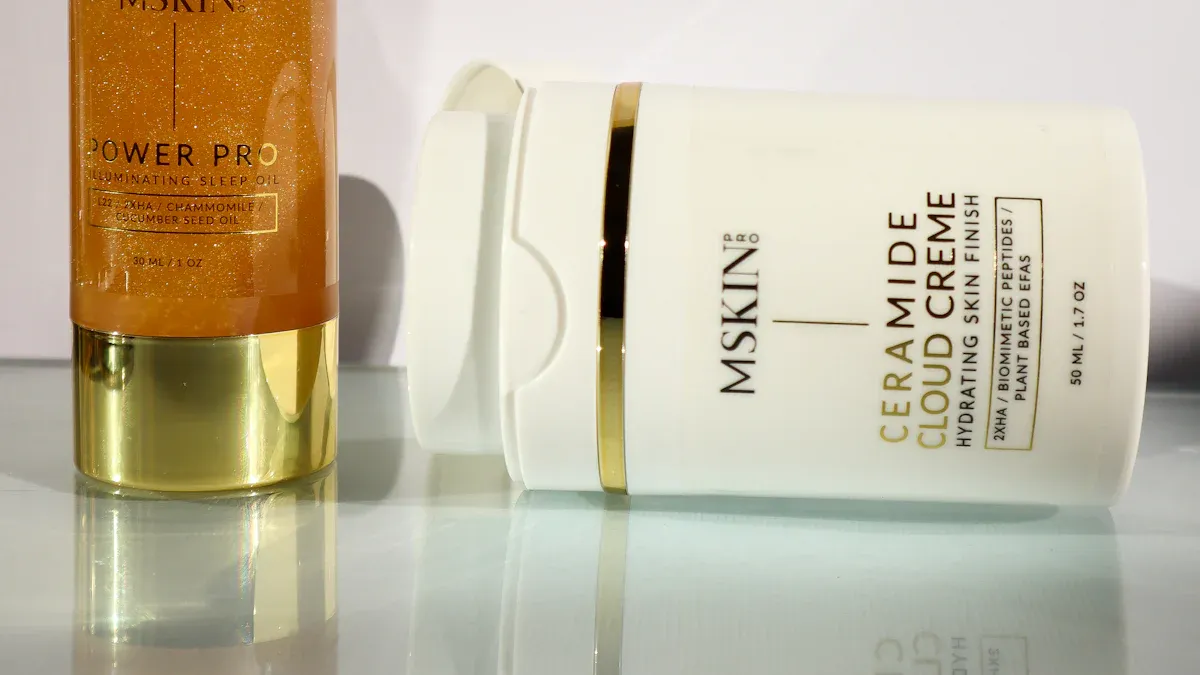
A gloss finish offers a distinct set of brand signals. It contrasts sharply with the subtlety of matte. A glossy finishing on packaging can communicate energy, vibrancy, and modernity. Brands choose a gloss finish to make a bold statement. This glossy appearance is a powerful tool in a competitive market.
HIGH-IMPACT SHELF APPEAL
A glossy finish on packaging creates a strong visual impact in a retail store. The shiny surface catches and reflects light. This makes the product immediately stand out on a crowded shelf. A glossy packaging design appears vibrant and luxurious. It draws a consumer’s initial attention through its striking visual appearance. This immediate appeal is one of the key benefits of glossy finishing. The gloss finish helps a product capture the eye from a distance.
THE APPEAL OF A GLOSSY LOOK
A glossy look is often associated with youthfulness and high energy. The glossy finishing makes colors on packaging seem more vibrant and saturated. This effect helps colorful labels and design elements ‘pop’. A gloss finish is ideal for brands that want to project a playful and exciting image.
- A gloss finish creates a high-sheen surface that reflects light.
- This reflection makes colors appear brighter and more vivid.
- The glossy packaging amplifies the vibrancy of complex color schemes.
This enhanced color depth gives the packaging a dynamic and daring look.
SUGGESTING HYDRATION AND EFFICACY
The slick surface of a gloss finish can visually suggest a product’s function. This is especially true for skincare. A glossy packaging can mimic a dewy, hydrated skin effect. This communicates the product’s efficacy before the consumer even opens it.
For example, brands like GLAMGLOW use holographic glossy packaging for moisturizers to suggest a glowing sheen. Tatcha uses a delicate gloss on its packaging for products like the Dewy Skin Set. This choice aligns with the promised result of hydrated, luminous skin. The glossy finishing becomes a preview of the product’s benefit.
FUNCTIONAL BENEFITS AND MAINTENANCE
Beyond aesthetics, a gloss finish offers practical advantages. The glossy finishing provides a protective layer on packaging. This layer repels dust and dirt. The smooth surface of glossy materials prevents grime from accumulating. This makes the packaging easy to keep clean with a simple wipe. This is one of the main benefits of glossy finishing. The durability is a key factor for items handled frequently in stores or at home. The advantages of gloss lamination include both protection and easy maintenance, keeping the packaging looking fresh.
A STRATEGIC FRAMEWORK FOR YOUR BRAND
Choosing between matte and glossy finishes requires more than personal taste. It demands a strategic approach. A brand’s decision on surface finishes should align with its core identity and business goals. This framework provides four key pillars to guide the matte vs gloss decision-making process.
TARGET AUDIENCE PSYCHOLOGY
Understanding the target consumer is the first step in choosing between matte and glossy. Different demographics and mindsets respond to finishes in unique ways. For instance, some younger consumers associate rose gold accents with contemporary luxury. Prismatic and glossy effects also appeal to social media-savvy shoppers because they create an Instagram-worthy appearance. The matte vs gloss debate often comes down to who the brand wants to attract.
Consumer traits also influence how packaging glossiness affects product evaluations. Health-conscious consumers pay close attention to cues that signal wellness benefits. A matte finish can suggest natural ingredients. Consumers interested in sustainability also look for specific information on packaging. A simple, matte package might communicate an eco-friendly ethos more effectively than a high-gloss one. A glossy packaging, however, can signal a product’s luxury position to a different consumer segment. The uses of matte vs glossy finishes depend heavily on these psychological triggers.
PRODUCT CATEGORY AND FORMULA
The product itself provides strong clues for the ideal packaging finish. The packaging design should communicate the product’s function and formula. The choice of matte vs gloss can give the consumer a preview of the product’s effect. A matte finish on a foundation bottle, for example, can signal a long-wear, non-oily formula. It visually promises a shine-free look. In contrast, a glossy tube for a lip gloss directly communicates the product’s high-shine effect.
Lip product brands are experts at using this technique. The uses of matte vs glossy finishes help them manage customer expectations.
- A matte finish on a lipstick case suggests an even, flat color without shine, perfectly representing the texture of a matte lipstick.
- A glossy finishing on a lip gloss tube reflects light, creating a sense of shimmer that communicates the product’s intended high-shine result.
This alignment between the packaging and the product formula creates a cohesive and convincing brand story. The glossy finishing becomes a promise of a dewy, wet-look gloss.
BRAND ARCHETYPE AND IDENTITY
A brand’s archetype, or its symbolic character, should guide its packaging design choices. The finish is a key tool for expressing this identity. A matte finish aligns with certain archetypes, while a gloss finish suits others. Luxury brands often use a matte finishing to convey sophistication.
- The Sage or Ruler: These archetypes project wisdom, control, and authority. A sophisticated matte finish supports their elegant and serious identity. The matte texture feels grounded and premium.
- The Jester or Lover: These archetypes embody playfulness, fun, and passion. A vibrant gloss finish captures their energetic and daring spirit. The glossy appearance makes colors pop and feels exciting.
The matte vs gloss decision helps solidify the brand’s personality in the consumer’s mind. A matte finishing can create a sense of calm authority, while a glossy finishing communicates vibrant energy.
PRICE POINT AND PERCEIVED VALUE
The finish on a product’s packaging directly influences its perceived value and price justification. Research shows that 89% of luxury cosmetics purchase decisions are influenced by packaging design before a customer even touches the product. A premium packaging experience must justify a higher price. The matte vs gloss for luxury products choice is critical.
Generally, a glossy finishing is more cost-effective and is used for many kinds of packaging. A matte finish, however, may be slightly more costly due to special coating requirements. This higher cost is often associated with premium goods. A soft matte lamination can elevate a product, making it feel more like a luxury item. This tactile experience helps justify a premium price point. Choosing between matte and glossy involves balancing production costs with the desired market position. A high-quality matte lamination on the packaging can transform a simple product into a coveted piece of luxury. The matte lamination itself becomes a signal of quality.
2025 TRENDS IN SURFACE FINISHES
The world of beauty packaging is constantly evolving. Brands are moving beyond the simple matte vs gloss debate. New and hybrid surface finishes are emerging as key differentiators for 2025. These trends focus on creating unique sensory experiences.
THE RISE OF THE SATIN FINISH
The satin finish is gaining popularity as a sophisticated middle ground. It offers a balance between the muted feel of matte and the shine of gloss. This finish provides an elegant appearance without overwhelming glare. Its key characteristics make it a versatile choice in packaging design.
- It provides a sleek, balanced look.
- The softer sheen reduces glare, making text easy to read.
- It offers a smooth, soft touch for a better consumer experience.
- The surface resists fingerprints and smudges, keeping the package clean.
STRATEGIC TEXTURE COMBINATIONS
Brands are now strategically mixing textures on a single package. This technique creates visual interest and guides the consumer’s eye. A common approach is spot UV, where a high-gloss varnish is applied to specific areas of a matte package. This contrast can highlight a brand’s logo, a product name, or a unique design element. This thoughtful packaging design makes a product more interactive and memorable.
INNOVATIVE SOFT-TOUCH TEXTURES
Tactile innovation is a major trend. Brands are using special coatings to create unique feelings. A soft-touch coating gives packaging a luxurious, velvety texture similar to soft suede. This finish enhances colors, making them appear deeper and richer. These coatings can be applied to various materials, including plastic, glass, and paperboard. Eco-conscious brands can also use water-based, non-toxic options to meet sustainability goals.
FROSTED AND ETCHED EFFECTS
Frosted and etched effects are transforming glass and plastic containers. This trend gives products a refined and high-end appearance. The frosted look softens light, creating a premium visual that helps a product stand out. It elevates a simple container into an attractive bottle.
A frosted finish communicates purity, quality, and exclusivity. Brands use these elegant surface finishes to enhance their image, justify higher price points, and increase consumer appeal.
Surface finishes are a powerful tool in a brand’s packaging arsenal. A matte finish often signals luxury, while a gloss finish conveys energy. Brands should use the provided framework for their packaging decisions. The choice between a matte finish or a gloss finish depends on strategy, not preference. The future of beauty packaging focuses on hybrid textures and sustainability.
Michele Gough-Baril predicts that innovation in hybrid formulas will continue to be relevant. This trend reflects a desire for efficiency and multi-functionality in packaging.
Brands are already innovating with sustainable packaging.
- Babo Botanicals uses a paper carton for its packaging, reducing plastic.
- Oak Essentials incorporates lotus wood and sugarcane stalks in its packaging.
A glossy gloss finish can feel energetic. A matte matte finish often signals luxury. The choice between a matte finish or a glossy gloss finish is a core part of the matte vs gloss decision. A glossy gloss finish can feel energetic. The choice between a matte or gloss texture for the packaging is a core part of the matte vs gloss decision. The debate over matte vs gloss finishes in the packaging industry often centers on these psychological cues.
よくあるご質問
### Which finish is better for eco-friendly brands? ♻️
The packaging material matters more than the finish. A matte finish often looks more natural to consumers. Brands should prioritize using recyclable materials and soy-based inks. These sustainable choices work well with both matte and gloss finishes, allowing brands to maintain an eco-conscious identity.
### Does a matte or gloss finish cost more?
Production costs can vary. A standard gloss finish is often more cost-effective. A matte finish, especially one with a special soft-touch lamination, may require a larger budget. Brands must balance their desired premium feel with production expenses when making a final decision.
### How do I choose if my brand is both modern and playful?
Brands can combine textures for a unique feel. This strategy creates a dynamic packaging experience.
- Use a matte package with a spot gloss logo.
- Apply a glossy finish over a debossed pattern.
- Try a satin finish for a sophisticated yet modern look.
### Can a finish make my product look cheap?
The quality of the application determines the final look. A poorly applied gloss can show imperfections. A cheap matte material can scuff easily. High-quality execution is key. A well-produced gloss finish can look just as luxurious as a premium matte finish.

 日本語
日本語  English
  Français
  Русский
  Deutsch
  Español
  Português