
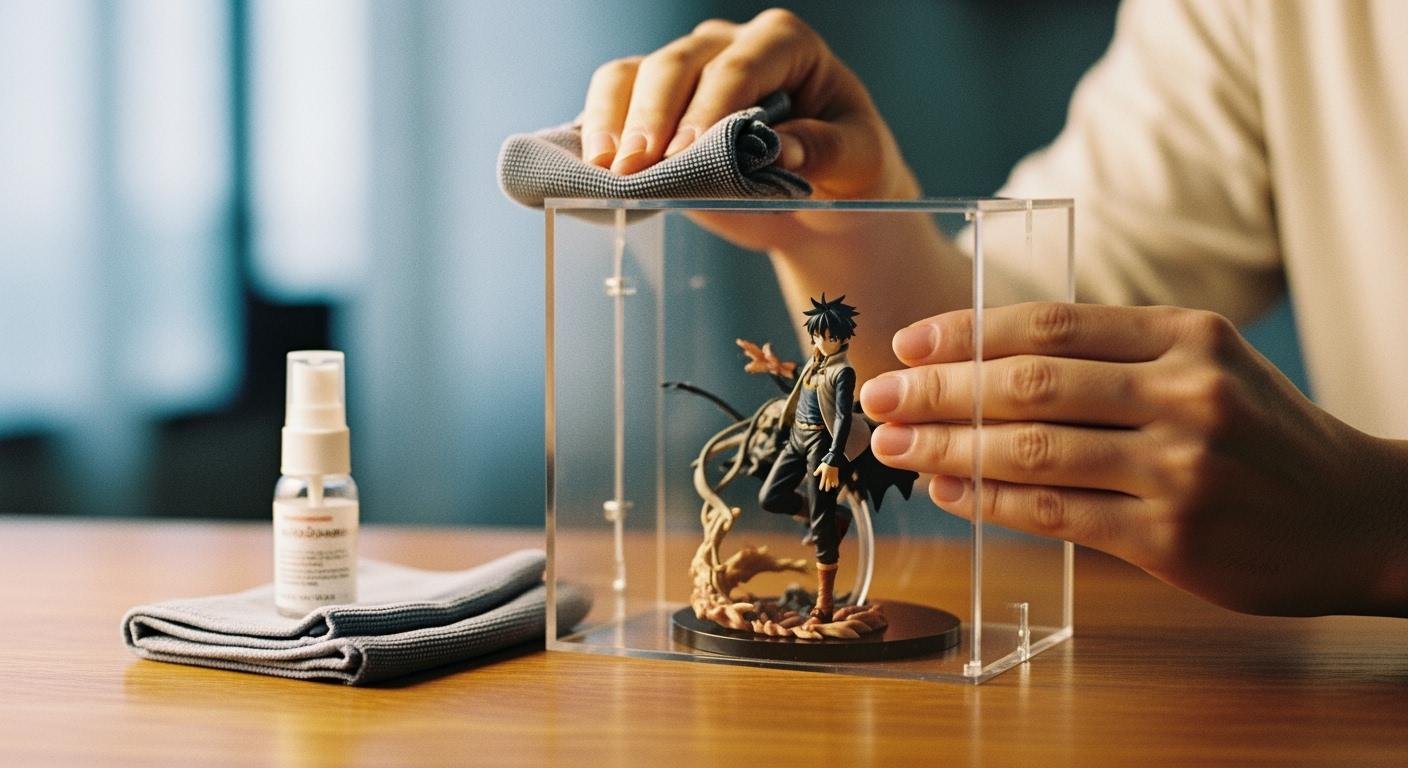
An acrylic stand can last anywhere from 5 to over 15 years. This wide range depends on three main factors. These are the quality of the material, the environment where it is used, and the care it receives. This guide will help you get the longest possible life from your acrylic stands.
Factors That Affect Lifespan
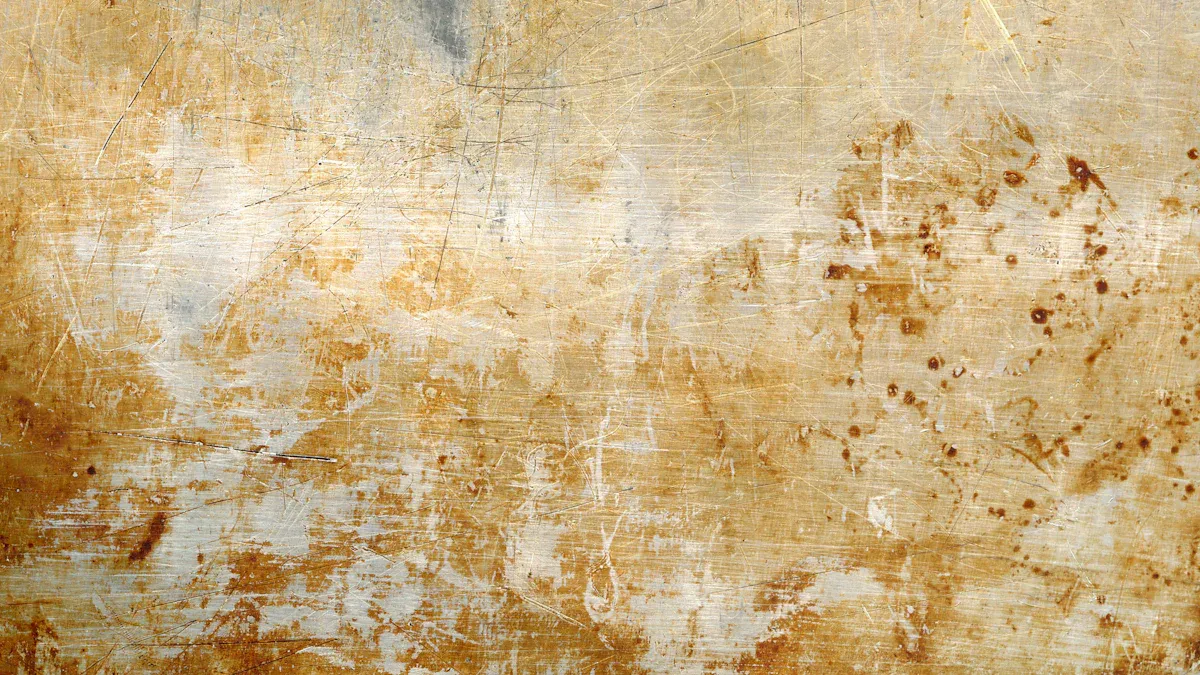
The lifespan of your display is not a matter of luck. Three main elements determine how long it will last: the material’s quality, its surrounding environment, and how you handle it.
Material Quality and Durability
Not all acrylic is created equal. The type of acrylic used is the most important factor in its longevity.
- Standard Acrylic: This type may begin to show yellowing after 5 to 7 years of use, especially with sun exposure.
- High-Quality Acrylic: This premium material often includes UV stabilizers. It can resist yellowing and remain clear for 10 to 15 years or even longer.
The manufacturing process also plays a key role. Cast acrylic is generally considered superior to extruded acrylic.
| 特徴 | キャストアクリル | 押出アクリル |
|---|---|---|
| 耐久性 | Higher impact and UV resistance | More prone to yellowing and brittleness |
| クラリティ | Exceptional optical clarity | Good, but may have minor flaws |
| ベストユース | Outdoor or long-term premium displays | Indoor or short-term applications |
High-quality acrylic has excellent transparency and a flawless surface. Inferior materials might look cloudy or have bubbles and scratches.
Environmental Exposure
Where you place your acrylic stands has a huge impact on their condition. Direct sunlight is the biggest enemy. The sun’s ultraviolet (UV) rays cause the material to become yellow and brittle over time. Pollutants in the air can also slowly degrade the surface. Extreme temperature changes are another concern. Very cold temperatures can reduce the flexibility of the polymer chains in acrylic, making it more likely to crack under stress.
Physical Stress and Handling
Acrylic has an 耐衝撃性 about 10 times greater than glass. This makes it very durable. However, it is not indestructible. Heavy impacts can still cause breakage. Overloading a stand with too much weight can create tiny stress cracks, known as crazing. Improper handling during setup or moving can also lead to chips, scratches, or cracks. Using the wrong tools for assembly can easily damage the material before you even begin using it.
Extending the Life of Acrylic Stands
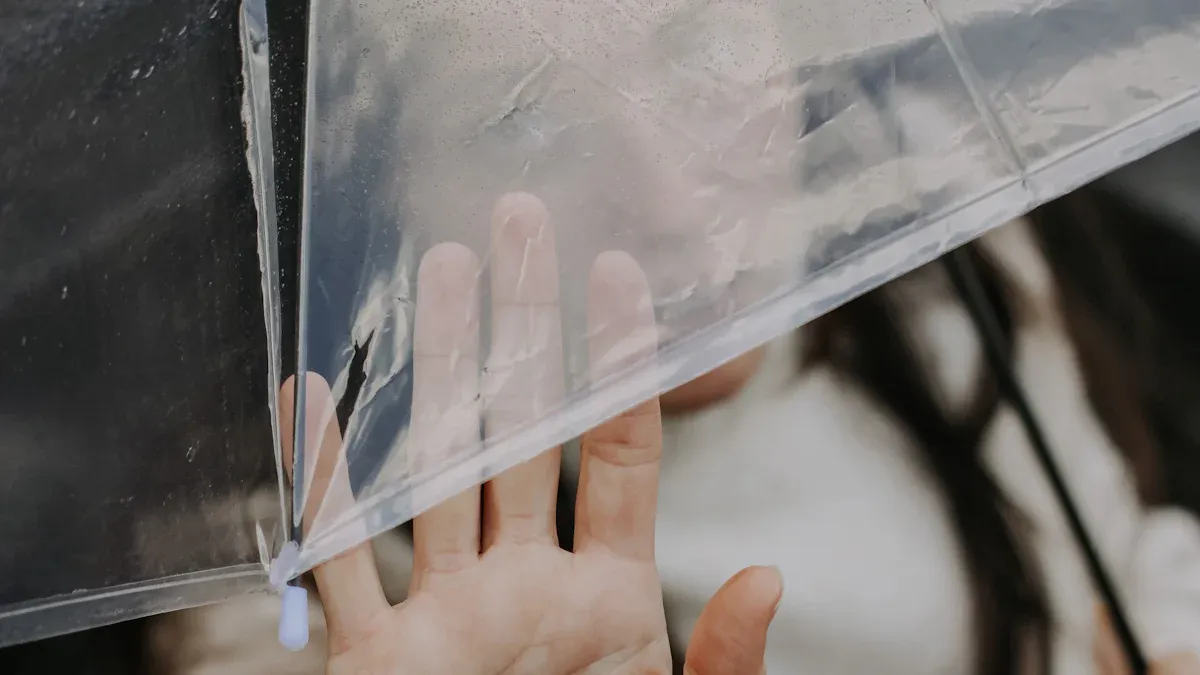
You can take active steps to make your acrylic stands last longer. Following a few key practices will protect your investment and keep your displays looking pristine for years.
Choose High-Quality Acrylic
The first step to a long lifespan happens before you even buy. Choose a stand made from high-quality, UV-resistant material. This type of acrylic often has special coatings or additives. A product described with “Durable high definition & UV protective acrylic” is a great choice. It can block up to 99% of harmful UV rays. This feature prevents the yellowing and brittleness that sunlight causes over time.
While premium acrylic may cost more, the price difference is often between $10 and $50. This extra cost is a small price for a product that will last years longer. Look for products with certifications that prove their quality.
- Conservation Grade Protection
- ISO 18902 Photo Safe
- Passes Photographic Activity Test (PAT) ISO 18916
These labels show the material has been tested for long-term stability and safety.
Master Proper Cleaning
Correct cleaning is essential for maintaining clarity. Use the right tools and solutions to avoid permanent damage.
What to Use:
- Mild Soap and Water: Mix a few drops of mild dish soap with lukewarm water. Use a soap that is free from degreasers, lotions, or scrubbing agents. These additives can leave a residue.
- Soft Microfiber Cloths: Use an ultra-soft microfiber cloth. Its fine fibers trap dirt particles instead of dragging them across the surface. This action prevents tiny scratches from forming.
What to Avoid: Never use harsh chemicals on acrylic. Ammonia-based cleaners, like Windex, are especially harmful. They can cause a chemical reaction that leads to permanent clouding or fine surface cracks called crazing.
Cleaning Tip 📝 Always blot the surface dry with a clean, dry microfiber cloth. Wiping can create static, which attracts more dust. Gently blotting avoids this issue and reduces the risk of scratches.
Use Smart Placement and Storage
Where you place and store your acrylic stands directly affects their condition.
Placement: Keep your stands out of direct, prolonged sunlight. UV rays are the primary cause of material degradation. Also, avoid placing them near heat sources like radiators or vents. High temperatures can cause the acrylic to warp or soften.
Storage: When your stands are not in use, store them properly to prevent damage.
| Storage Do’s | Storage Don’ts |
|---|---|
| ✅ Store in a cool, dry area. | ❌ Don’t store in direct sunlight or humid areas. |
| ✅ Wrap each stand in a soft cloth or bubble wrap. | ❌ Don’t place heavy items on top of them. |
| ✅ Stack vertically with padding in between. | ❌ Don’t let them touch sharp objects. |
Proper storage protects against scratches, cracks, and warping, ensuring your stands are ready for their next use.
Handle with Care
Although acrylic is strong, it is not indestructible. Careful handling prevents chips, cracks, and stress fractures. When moving your stands, always lift them instead of dragging them across a surface.
If you need to ship your acrylic stands, proper packaging is crucial.
- Use Corner Protectors: Cushion the corners to protect against bumps during transit.
- Wrap Securely: Use bubble wrap to create a protective layer. For flat items, bubble wrap is better than styrofoam peanuts, which can shift and leave areas unprotected.
- Box It Right: Center the item in a sturdy box. Ensure there is at least a 2-inch clearance on all sides. Fill this empty space with more packing material to buffer against impacts.
- Seal Tightly: Use high-quality packing tape to seal the box securely.
These simple handling and packing steps will help prevent breakage during transport or setup.
The lifespan of your display is not predetermined. Your actions directly control how long it lasts. Proper care ensures your acrylic stands remain a valuable asset for years. Remember these three core principles for maximum longevity:
- Choose Quality: Start with high-quality, UV-resistant acrylic.
- Practice Safe Maintenance: Use correct cleaning methods and smart placement.
- Handle with Care: Prevent damage during movement, storage, and shipping.
Following these steps makes your acrylic stands a durable investment that will look great for a very long time.
よくあるご質問
How can I fix scratches on my acrylic stand?
You can polish out minor surface scratches. Use a plastic or acrylic polish kit. Apply the polish with a soft microfiber cloth. Follow the product’s directions carefully. Deep gouges, however, are often permanent and cannot be removed completely.
What is the best way to remove dust?
Gently wipe the surface with a damp microfiber cloth to trap dust. You can also use canned air to blow dust away without touching the stand. Avoid using a dry cloth. Dry wiping can create static and drag particles, causing scratches.
Why did my acrylic stand turn yellow?
Yellowing is a sign of UV damage. This happens when the stand is exposed to direct sunlight over a long period. High-quality, UV-resistant acrylic is much less likely to turn yellow. Proper placement away from windows prevents this issue.
Can I use alcohol or Windex to clean my stand?
Important: No. Never use cleaners containing alcohol, ammonia, or other harsh solvents. These chemicals will damage the acrylic surface. They can cause permanent clouding or a network of fine cracks called crazing. Always use mild soap and water.
See Also
Your Complete Guide to Acrylic Table Stands and Their Uses
Innovative Display Ideas Using Acrylic Tabletop Stands for Showcases
Exploring Premium Acrylic Stand Tables: Design and Material Insights
Elevate Your Modern Home with Clear Acrylic Tray Styling Tips
Ten Stylish Methods to Revitalize Spaces Using Acrylic Trays

 日本語
日本語  English
  Français
  Русский
  Deutsch
  Español
  Português