
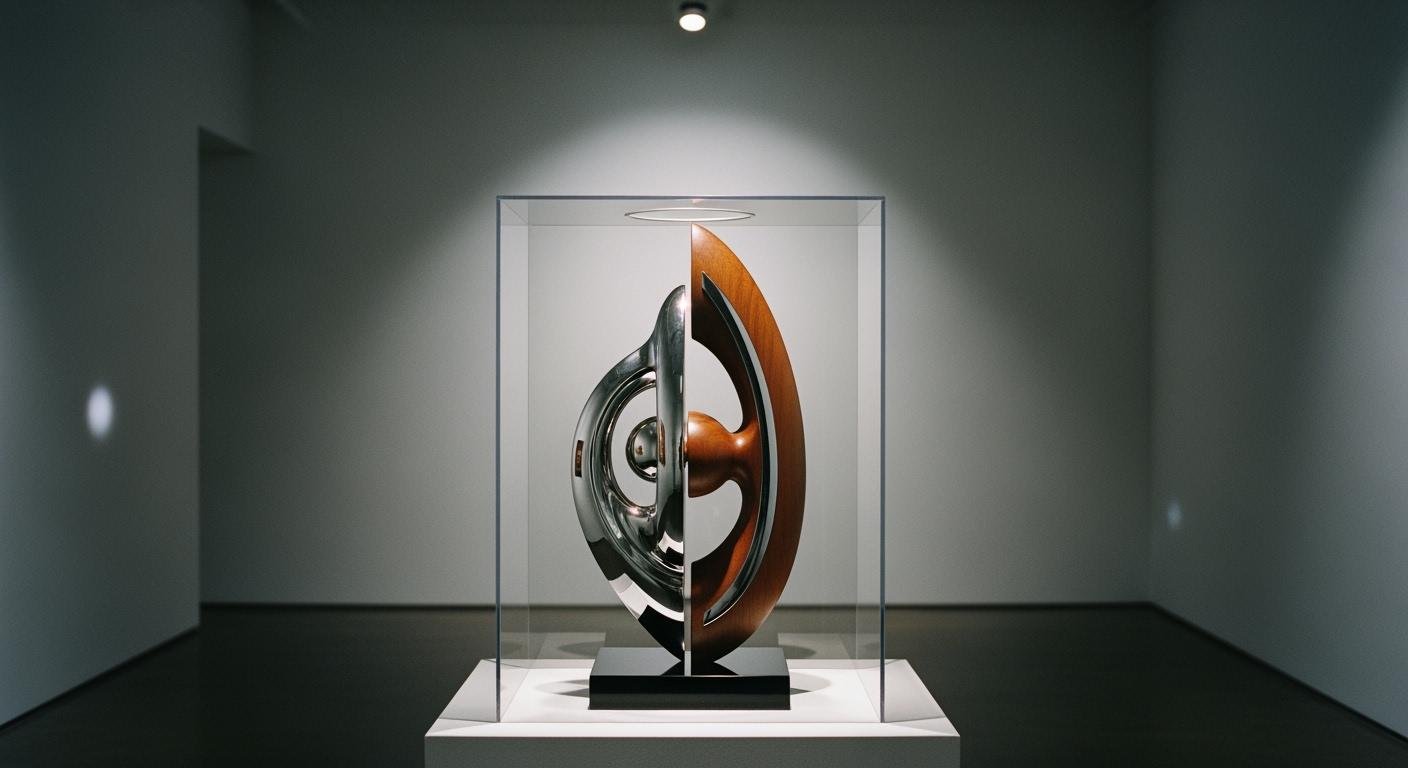
Is an acrylic box frame the right choice for your art? This modern framing option offers excellent protection and visual clarity for your art. However, it does have trade-offs. You must weigh the higher initial cost against the careful maintenance an acrylic surface requires. Understanding these pros and cons is key to deciding if an acrylic box is the best solution for your art.
The Pros of Using Acrylic for Art

When you consider the pros and cons of displaying your art, the advantages of an acrylic frame are compelling. This modern framing solution offers significant benefits for the display and preservation of your treasured pieces. Let’s explore the key reasons you might choose an acrylic box for your next project.
Superior UV Protection for Art
Sunlight is a major threat to your art. Its invisible UV rays break down pigments and fibers, causing irreversible fading and damage. You need a high degree of UV protection to keep your art safe. This is where acrylic excels.
Museum-grade acrylic offers superior UV protection for framed art. High-quality options, like those used in museums, can block up to 99% of harmful UV light. This level of protection is essential for long-term art preservation.
Different types of art react to UV light in specific ways:
- Oil and Acrylic Paintings: UV exposure can cause colors to fade, shift, or yellow. Heat from direct sun can also lead to cracking.
- Photographs: Prints are highly sensitive to UV damage. You may see noticeable fading within just a few years without proper protection.
- Watercolors: The delicate pigments in watercolors can lose their color quickly when exposed to UV rays.
An acrylic frame with a high degree of UV protection acts as a powerful shield. It safeguards your framed art from the primary cause of discoloration and material breakdown, ensuring its beauty endures.
Exceptional Optical Clarity
You want to see your art in its truest form. An acrylic frame makes this possible. Standard glass often has a slight green tint that can alter the appearance of colors. Acrylic, on the other hand, is exceptionally clear.
High-quality acrylic allows up to 92% of light to pass through it. This means your art appears more vibrant and the colors look exactly as the artist intended. The material’s clarity provides a crystal-clear view, making the acrylic itself seem to disappear. This ensures your art remains the center of attention without any visual distortion.
360-Degree Unobstructed View
A traditional frame puts boundaries around your art. An acrylic box frame removes them. This is especially important for three-dimensional pieces where every angle matters. The sleek design of an acrylic box offers a complete, unobstructed view of the object inside.
This framing method is perfect for items like:
- Intricate sculptures
- Detailed model kits, such as Gunpla or aircraft
- Collectible action figures and memorabilia
- Handcrafted decorative objects
The box design allows you to appreciate the craftsmanship from all sides. Special edge treatments, such as flame-polished edges, make the frame nearly invisible. This creates a floating effect that elevates the presentation of your art. The focus stays entirely on the piece, not the frame.
Lightweight and Cost-Effective Shipping
Glass is heavy. This simple fact creates challenges for hanging large pieces and significantly increases shipping costs. Acrylic offers a lightweight yet durable alternative. An acrylic sheet weighs about half as much as a glass sheet of the same size. This makes handling and installation much easier, especially for oversized framed art.
Consider this direct weight comparison for a standard sheet size:
| 素材 | Weight (pounds) |
|---|---|
| Acrylic sheet (4′ x 8′, 1/4″ thickness) | 46 |
| Glass sheet (4′ x 8′, 1/4″ thickness) | 96 |
This significant weight reduction provides two major benefits. First, you have more flexibility in where you can hang your art without needing heavy-duty wall anchors. Second, if you need to ship your art, the lower weight translates directly to lower shipping fees. The protective capabilities of acrylic frame covers also ensure your art arrives safely, making it a practical choice for artists and collectors who move or sell their work.
Acrylic vs Glass: A Direct Comparison
When choosing a frame for your art, the debate of acrylic vs glass is central. You need to understand how each material performs to make the best choice for your art preservation needs. This direct comparison of glass vs acrylic will clarify the key differences in durability, safety, and handling.
Durability and Impact Resistance
The durability of your frame is crucial for the long-term protection of your art. In a glass vs acrylic matchup, acrylic offers far greater strength. High-quality cast acrylic is up to 17 times more impact-resistant than standard glass. This superior durability means your framed art is better protected from accidental bumps and impacts.
An acrylic frame provides a robust shield for your valuable art or memorabilia. Its resilience helps ensure the durability and longevity of the piece inside.
The difference in impact resistance is significant, as shown below:
| 素材 | Impact Resistance (J/m) |
|---|---|
| 6mm Annealed Glass | 1.2 |
| 6mm Acrylic | 15 |
This data shows that acrylic can withstand much more force, making it a reliable choice for framing.
Safety and Shatterproof Quality
Safety is a major concern, especially in homes with children or in high-traffic public spaces. Glass frame covers can shatter into sharp, dangerous shards upon impact. Acrylic, however, is shatterproof. If it does break under extreme force, it fractures into large, dull-edged pieces. This quality significantly reduces the risk of injury, giving you peace of mind. The enhanced safety makes an acrylic frame an excellent option for any environment where accidents might happen.
Weight and Handling
Glass is heavy. This weight makes hanging large pieces difficult and can require special wall supports. Acrylic weighs approximately 50% less than glass of the same size. This makes handling and installing your art much easier. You can hang a large acrylic frame with more confidence and less hardware. The lighter weight also reduces shipping costs if you need to transport your art.
Thermal Insulation Properties
Temperature fluctuations can damage your art over time. A frame should help regulate the environment inside. Acrylic is a better thermal insulator than glass. It has a lower thermal conductivity, meaning it slows the transfer of heat. This property helps protect your art from potential damage caused by sudden temperature changes, contributing to its longevity and preservation. Better insulation is another key benefit of choosing an acrylic frame.
The Cons of Acrylic Frames
While acrylic offers many advantages, you must also consider its drawbacks. Understanding the pros and cons helps you make a balanced decision for your art. An acrylic frame requires a greater investment and more careful handling than a traditional glass frame. Let’s examine the potential downsides.
Higher Initial Cost
You will notice that an acrylic frame often has a higher price tag than a glass one. Several factors contribute to this higher cost. High-quality acrylic uses premium raw materials, like pure PMMA polymers. The manufacturing process for the best cast acrylic is also complex and labor-intensive. It requires pouring liquid acrylic into molds, which results in superior clarity and strength.
Other factors that increase the price of an acrylic frame include:
- Thickness and Size: Larger or thicker sheets of acrylic require more material and increase costs.
- Custom Features: Special options like UV-protective coatings, colored tints, or polished edges add to the final price.
- Craftsmanship: Handcrafted pieces with seamless joints or custom bends require skilled labor, which raises the cost.
Susceptible to Scratches
One of the most significant drawbacks of acrylic is its softness. It is much more susceptible to scratches than glass. You need to be very careful when handling and cleaning your frame to avoid permanent marks. The Mohs scale of hardness shows this difference clearly.
| 素材 | Mohs Hardness Rating |
|---|---|
| ガラス | 5–6 |
| アクリル | 3–4 |
ヒント Always use the right tools for cleaning. A soft, lint-free microfiber cloth is essential. Pair it with a mild soap and water solution or a cleaner made specifically for acrylic.
Never use the following products on your acrylic frame, as they can cause scratches or damage:
- Window cleaners or products containing ammonia
- Paper towels or rough rags
- Harsh solvents like acetone or gasoline
Attracts Dust via Static
Have you ever noticed how plastic surfaces can attract dust? Acrylic is no different. It naturally carries a static charge that pulls dust and lint from the air. This means you may need to clean your frame more frequently to keep it looking pristine.
Fortunately, you can manage this issue. Several cleaning products are designed to reduce static.
- Anti-Static Cleaners: Products like Novus #1, Brillianize, or ACRIFIX® AC1010 clean the surface and leave behind an anti-static layer that repels dust.
- Proper Technique: Always remove loose dust with a soft brush before wiping. Apply the cleaner to a microfiber cloth, not directly onto the acrylic, to prevent drips.
Potential for Warping
Over time, an acrylic sheet can sometimes warp or bow. This is a bigger risk for very large and thin sheets of acrylic. Certain environmental conditions can also contribute to this problem.
You can prevent warping by taking these precautions:
- Control Temperature and Humidity: Store your framed art in a stable environment. Avoid extreme temperature swings and high humidity. The ideal range is 59-75°F (15-24°C) with 45-55% relative humidity.
- Ensure Proper Support: A sturdy backing board within the frame helps support the acrylic and keep it flat.
- Choose Appropriate Thickness: For a large piece of art, select a thicker sheet of acrylic for your frame to provide better rigidity.
Risk of Yellowing
You may have heard that plastic turns yellow over time. This is a valid concern, but it primarily applies to lower-quality, non-UV-grade acrylic. Cheaper acrylic lacks the necessary additives to resist degradation from light exposure.
High-quality, museum-grade acrylic is manufactured to resist yellowing. When used indoors, it can maintain its crystal clarity for over 15 years.
When purchasing a frame, it is important to know what you are buying. UV-filter acrylic blocks up to 99% of harmful UV rays and may have a very slight tint. Standard acrylic offers no special UV protection. For valuable art, investing in a UV-grade acrylic frame is the best choice for long-term preservation.
Fume Reaction with Prints
A lesser-known issue involves a chemical reaction between the framing material and the art itself. Freshly manufactured acrylic can release fumes in a process called “outgassing.” These fumes can sometimes react with certain types of media, particularly inkjet prints. This reaction can cause colors to bleed or the print to stick to the acrylic surface.
To avoid this problem, ensure the acrylic is properly cured. Reputable framing shops allow the material to air out completely before enclosing any art. If you are framing a valuable print, discuss this with your framer to ensure they take the necessary precautions.
You must weigh the pros and cons of acrylic framing for your art. A traditional glass frame is a good choice for flat art when your budget is the main concern.
Choose an acrylic frame if you need the best protection and clarity for your art. Understanding these pros and cons helps you select the perfect frame.
よくあるご質問
What is the best way to clean an acrylic frame? 🧼
You should use a soft microfiber cloth and a special acrylic cleaner. You can also use mild soap and water. Never use paper towels or glass cleaners like Windex. These products can scratch or damage the acrylic surface, leaving permanent marks.
Is an acrylic box good for all types of art? 🖼️
Acrylic boxes are excellent for 3D objects like sculptures, collectibles, or models. They provide a clear 360-degree view. For flat art like photos or prints, a traditional frame might be a better choice if your budget is a primary concern.
Why are acrylic frames more expensive than glass frames?
The higher cost comes from the manufacturing process and materials. High-quality cast acrylic requires a more complex production method. Features like UV protection and hand-polished edges also add to the price, reflecting the superior clarity and durability you receive.
See Also
Acrylic Boxes: Unveiling Their Definition, Design, and Diverse Uses
Innovative Display Ideas Using Acrylic Tabletop Stands for Showcases
Modern Home Decor: Styling Tips for Clear Acrylic Trays
Ten Chic Methods to Elevate Your Spaces Using Acrylic Trays
Acrylic Light-boxes: Exploring Their Definition, Build, and Practical Applications


 日本語
日本語  English
  Français
  Русский
  Deutsch
  Español
  Português