
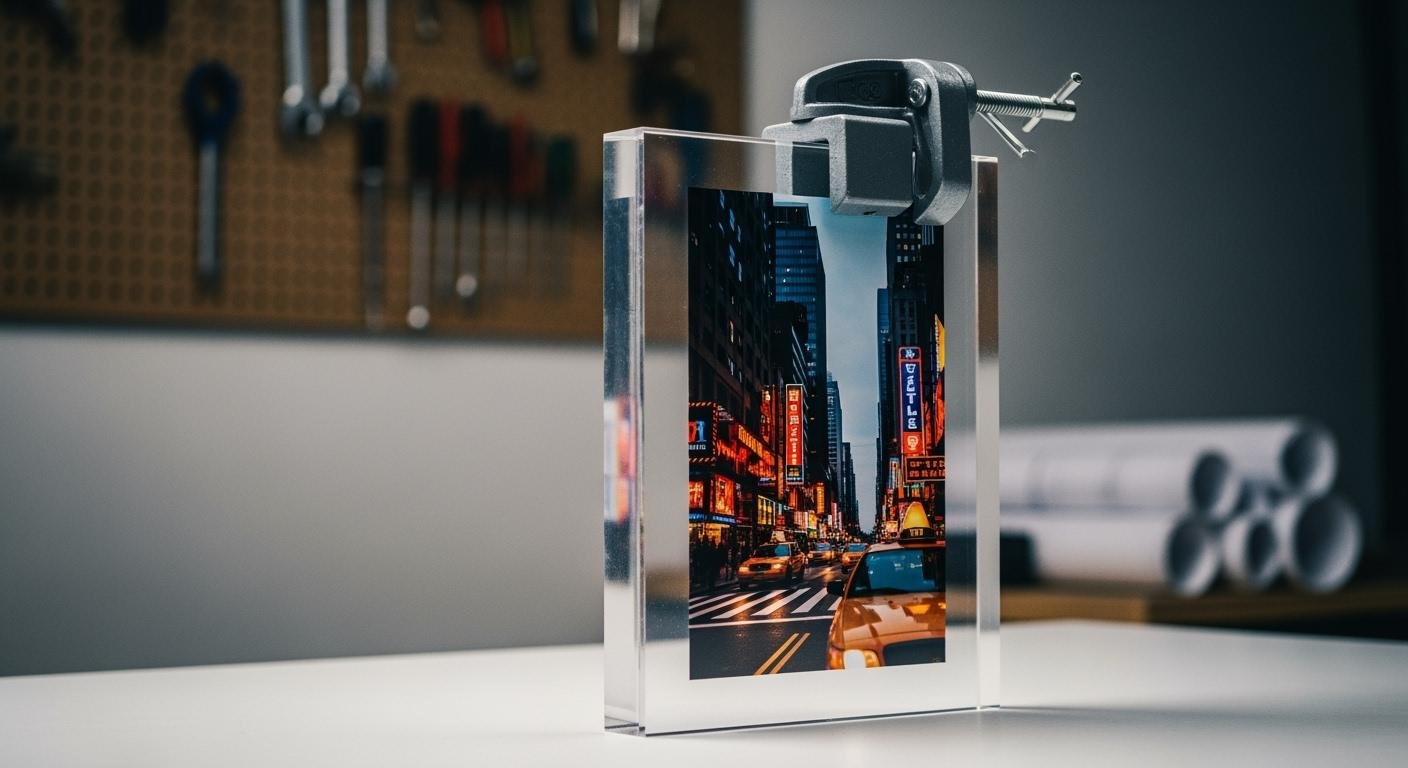
An acrylic photo frame offers superior durability compared to a traditional glass picture frame. Acrylic is highly shatter-resistant.
Safety First: While not indestructible, acrylic will not shatter into dangerous shards upon impact. This quality makes acrylic a top choice for safety.
The inherent strength of acrylic ensures long-term protection. The resilience of acrylic makes it a reliable material for displaying memories.
Acrylic vs. Glass: A Strength Comparison
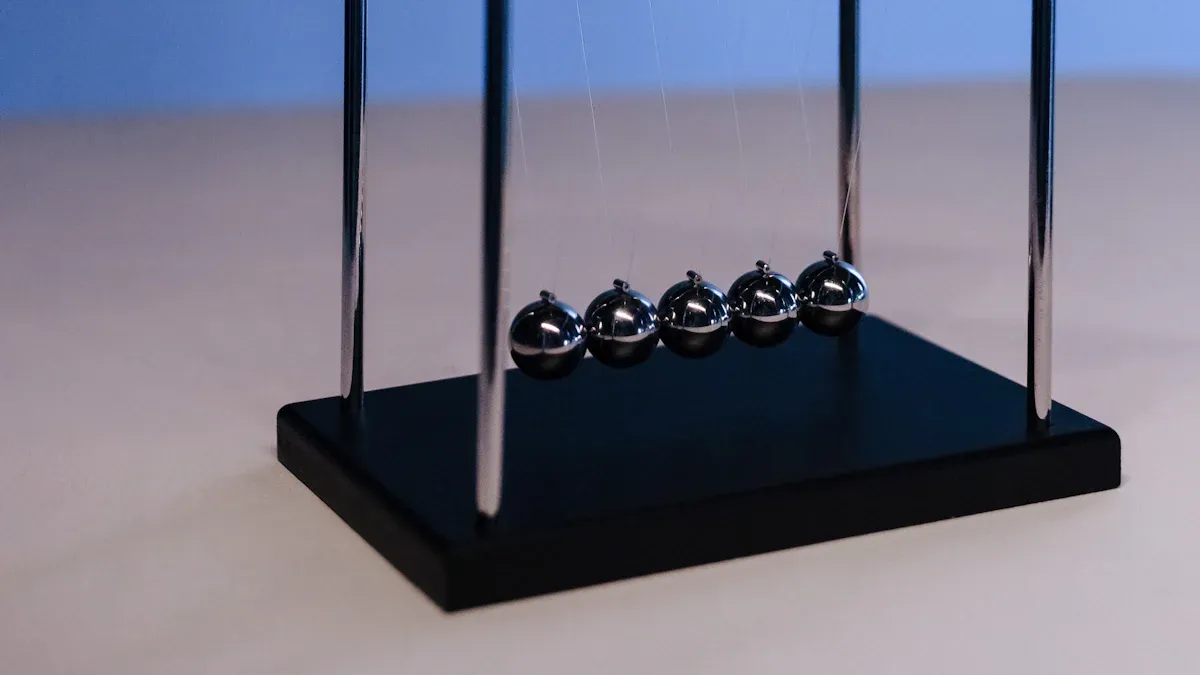
When choosing a photo frame, the material’s strength is a critical factor. A direct comparison reveals that acrylic is vastly superior to glass in durability and safety. This makes acrylic the modern standard for protecting valuable memories and artwork.
Superior Impact Resistance
Acrylic demonstrates a much higher impact resistance than glass. Standard acrylic sheeting is 10 to 20 times stronger than traditional glass. This inherent toughness makes it the ideal choice for frames that will be shipped, hung in high-traffic areas, or placed in homes with children and pets. The material can withstand moderate impacts without breaking.
A falling ball impact test shows this difference clearly. A quarter-inch thick sheet of acrylic can endure significantly more force than glass of the same thickness.
| Material | Falling ball impact strength (ft-lbs) |
|---|---|
| 0.250″ thick plate glass | 1.0 |
| 0.250″ acrylic sheet | 18.1 |
This exceptional durability is why professionals trust acrylic for important displays. For example, designers at the Maritime Museum in Rotterdam chose acrylic to protect the Maritime Works exhibition. Similarly, an aluminum artwork by Damien Hirst was framed in acrylic for display in a public NHS hospital space, ensuring both protection and safety. The high impact resistance of acrylic provides peace of mind.
Safer Breakage: Cracks, Not Shatters
The way a material breaks is just as important as its strength. Standard glass is fragile. A sharp impact causes it to shatter into numerous sharp, dangerous shards that can cause serious injury. This makes glass a potential hazard in many environments.
An acrylic sheet, however, behaves differently under extreme force. It will crack or bend but holds together, preventing the creation of hazardous pieces. This superior impact resistance means it rarely shatters. Instead of exploding outward, a damaged acrylic frame will typically show large fracture lines with dull edges.
Safety Note: The primary safety advantage of acrylic is its refusal to shatter like fragile glass. This quality makes it a far safer and more reliable choice for displays in public spaces like schools, hospitals, and galleries where public safety is a top priority.
This predictable and safe breakage pattern is a key reason why acrylic is the preferred material for protecting photos and art in any setting where accidents might happen.
Durability Factors of an Acrylic Photo Frame
Not all acrylic frames offer the same level of resilience. The overall durability of an acrylic photo frame depends on several key factors, including its thickness, corner design, and the quality of the material itself. Understanding these elements helps in selecting a truly long-lasting product.
The Importance of Thickness
The thickness of the acrylic sheet is a primary factor in its strength. Thicker acrylic provides greater impact resistance and structural integrity. While standard acrylic is already strong, high-quality frames often use thicker sheets for enhanced protection. Industrial-grade acrylic, for example, is specifically designed for harsh conditions, showcasing how material thickness directly contributes to its ability to withstand hits and pressure.
Edge and Corner Vulnerability
The edges and corners of any picture frame are its most vulnerable points. Sharp corners are more likely to chip or dent during shipping or if accidentally dropped.
Design Tip: Frames with rounded corners, known as fillets, distribute impact force more effectively. This design choice significantly reduces stress concentration and makes the edges less susceptible to chipping, extending the service life of the frame.
The Role of Material Quality
The manufacturing process greatly influences the quality of the final acrylic product. There are two common types of acrylic: cast and extruded. Cast acrylic is generally considered the premium option for an acrylic photo frame due to its superior scratch resistance and optical clarity.
| Caraterística | Cast Acrylic | Extruded Acrylic |
|---|---|---|
| Resistência aos riscos | High | Lower (softer) |
| Optical Clarity | Superior | Good |
| Durability | Enhanced for high-end use | Cost-effective choice |
High-quality acrylic should be crystal clear, not cloudy. Reputable sellers also ship their frames with a protective film to prevent scratches. The presence of this film is often a good indicator of a well-made product.
Everyday Resilience and Longevity
An acrylic frame’s value extends beyond its initial strength. It offers impressive everyday resilience and long-term visual appeal. Proper care and an understanding of its material properties ensure it protects and displays memories beautifully for years.
Handling Everyday Drops and Bumps
Acrylic frames handle the minor accidents of daily life with ease. Their inherent impact resistance means they can often survive drops and bumps that would shatter glass. However, maintaining the surface requires correct care. Certain household chemicals can damage the frame’s finish.
Care Tip: Always clean spills immediately. Use a soft microfiber cloth with mild soap and water. Avoid harsh cleaners containing ammonia or alcohol, as these can cause the surface to become cloudy or develop fine cracks over time.
Proper cleaning preserves the frame’s finish and overall durability. Simple maintenance steps protect your investment from accidental damage.
Long-Term Clarity and Strength
High-quality acrylic provides excellent long-term performance without degrading. A key feature is its resistance to ultraviolet (UV) light. Many framing-grade acrylic options filter over 98% of harmful UV rays. This protection is crucial for preventing photographs from fading over time.
This UV resistance also preserves the frame itself. Unlike lower-quality plastics, a well-made acrylic frame will not turn yellow or become brittle. It maintains its crystal-clear appearance for over a decade. This ensures your photos are viewed just as you intended, without discoloration from the protective covering. This long-term stability makes it a reliable choice for treasured memories and valuable artwork.
An acrylic photo frame is an exceptionally durable and safe choice for displaying memories. It is shatter-resistant and vastly stronger than glass. High-quality acrylic also resists yellowing, ensuring long-term clarity. The market trend shows a growing preference for acrylic due to its resilience. Professionals trust this material to protect valuable artwork in galleries. This makes an acrylic photo frame a reliable, worry-free investment for protecting photos in any modern home or gallery setting.
FAQ
Can acrylic frames scratch easily?
Acrylic can scratch more easily than glass. However, high-quality cast acrylic offers better scratch resistance. Many scratches can also be polished out. Proper handling and cleaning prevent most surface marks, preserving the frame’s clarity for years.
Do acrylic frames protect photos from sunlight? ☀️
Yes, they offer excellent protection. Framing-grade acrylic filters over 98% of harmful ultraviolet (UV) light. This feature prevents photographs from fading or discoloring over time. It keeps the artwork safe from sun damage, much better than standard glass.
How does one clean an acrylic frame?
A person should use a soft microfiber cloth with mild soap and water. Gently wipe the surface to remove dust or smudges. This simple method keeps the frame clear.
Warning: Never use cleaners with ammonia or alcohol. These chemicals can cause cloudiness or cracks on the acrylic surface.
Is acrylic heavier than glass?
No, acrylic is significantly lighter than glass. An acrylic sheet weighs less than half of a glass sheet of the same size and thickness. This lightweight quality makes acrylic frames easier to handle, ship, and hang securely on walls.
See Also
Your Comprehensive Guide to Acrylic Table Stands: Selection and Usage
Acrylic Watch Displays: Understanding Their Definition, Design, and Uses
Exploring Premium Acrylic Stand Tables: Design, Materials, and Craftsmanship
Acrylic Glass Coffee Tables: Essential Materials, Care, and Maintenance Tips
Impact-Modified Acrylic: Definition, Key Features, and Practical Applications

 Português
  English
  Français
  Русский
  Deutsch
  Español
  日本語
日本語