
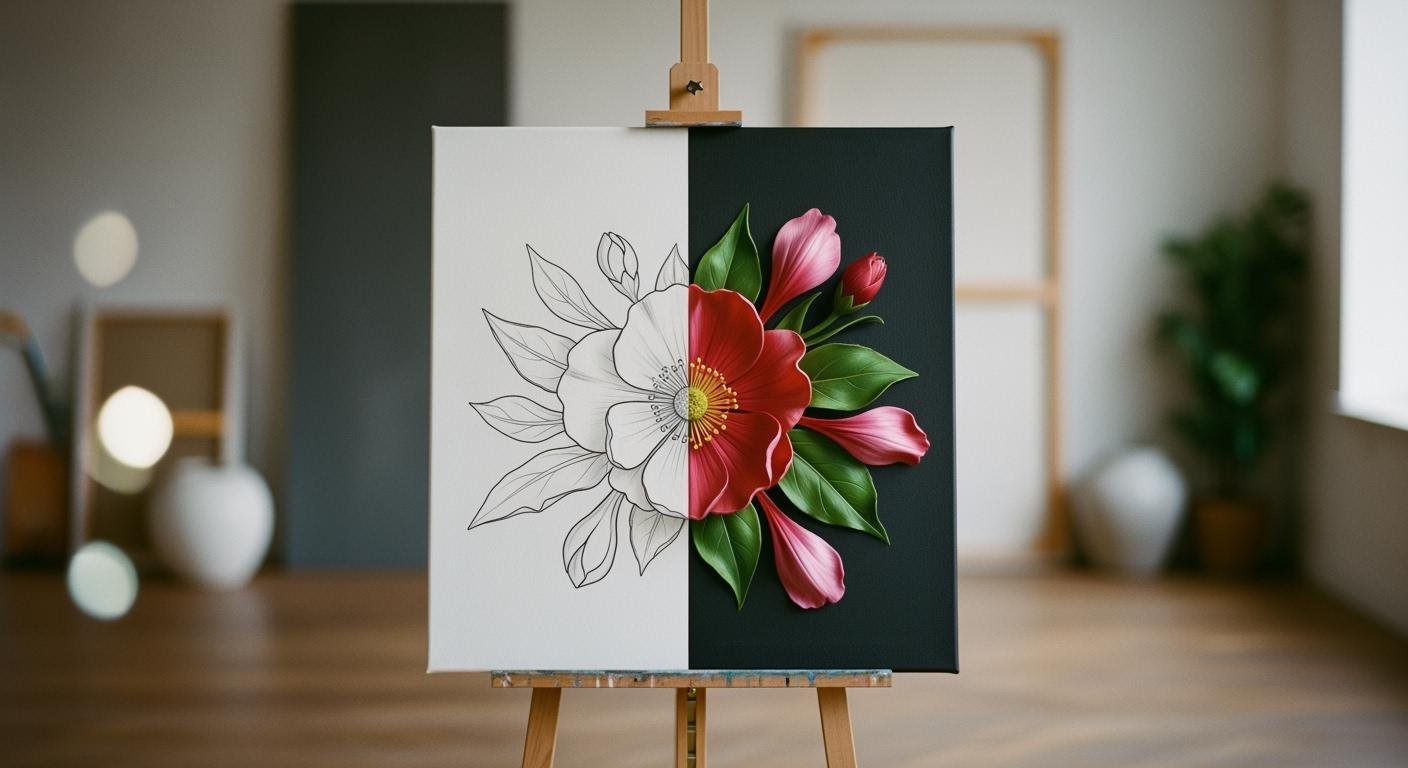
Are acrylic floating displays the right choice for your art? These floating displays offer a stunning, modern floating look for your artwork. This acrylic framing method makes your art appear to float right off the wall.
You must weigh the pros and cons before deciding. An acrylic frame gives your artwork a clean aesthetic and enhanced durability. However, this acrylic art display also comes with a higher cost and requires special maintenance.
The Pros of Using Acrylic for Your Art
When you weigh the pros and cons, the advantages of acrylic framing often stand out. These floating displays offer more than just a way to hang your art; they elevate it. You will find that the unique benefits of acrylic can transform how you experience your favorite prints and paintings. Let’s explore the pros and cons to see why this modern display method has such a strong appeal.
Sleek, Modern Look
You can give your artwork a clean, contemporary appearance with acrylic floating displays. This style strips away unnecessary ornamentation, allowing your art to command attention. The frame acts as a quiet boundary, letting you focus entirely on the image. This minimalist appeal is perfect for modern interiors.
The floating effect creates a stunning visual presentation.
- Creates Depth: A small gap between the artwork and the wall makes your art appear to hover, adding a sense of dimensionality.
- Highlights the Artwork: The mounting technique draws attention directly to the art, enhancing its visual impact without distraction.
- Aligns with Modern Design: The clean lines and sophisticated presentation of floating displays fit perfectly with contemporary and minimalist aesthetics.
This approach makes your artwork the undeniable centerpiece of any room. The floating presentation gives your art prints a professional, gallery-quality feel.
Superior Protection and Durability
You get excellent preservation for your art with an acrylic display. Acrylic offers superior durability compared to traditional glass. It is significantly stronger and more shatter-resistant. Unlike glass, which can break into dangerous shards, acrylic flexes under impact. This makes it a safer choice, especially in homes with children or in high-traffic areas.
Did You Know? Acrylic is about half the weight of glass. This makes hanging large art prints or heavy artwork much easier. You put less strain on your walls, and installation is simpler.
Beyond its strength, acrylic provides long-lasting protection from environmental damage. Many acrylic sheets come with built-in UV resistance.
| Type of Acrylic Sheet | UV Protection Rating |
|---|---|
| Standard Acrylic | Minimal or None |
| UV-Filtering Acrylic | Up to 98% |
| Museum-Grade Acrylic | Up to 99% |
Choosing a UV-filtering acrylic ensures your art prints are shielded from harmful light that can cause colors to fade over time. This durability and protection make acrylic a smart investment for your valuable artwork.
Enhanced Color and Clarity
You will notice a remarkable difference in the visual clarity of your art when it’s behind acrylic. High-grade acrylic boasts incredible transparency. It allows up to 92% of light to pass through, which is more than standard glass. This high transparency means colors in your art prints appear more vibrant and true to life. The superior clarity of acrylic ensures an unobstructed view of every detail in your prints.
The material itself enhances the visual appeal of your artwork. Acrylic has a high refractive index, which boosts the vibrancy and depth of colors. This quality gives your art a dynamic, almost three-dimensional feel. The result is a brilliant display that makes your prints pop with life. The exceptional transparency and clarity of acrylic create an immersive visual experience that glass often cannot match.
Perfect for Textured Canvas Art
If you own textured canvas art, acrylic floating displays are an ideal choice. This frame style is designed to showcase the unique qualities of paintings with heavy brushwork or thick paint, a technique known as impasto. Artists like Vincent van Gogh used this method to give their work a tangible, sculptural quality. A floating frame honors this by not compressing the art.
A floating frame uses spacers to create a gap, accommodating the depth of a canvas. This ensures the painted edges of the artwork remain visible, which is a key part of its artistic appeal.
Many artists continue their painting onto the sides of the canvas. These details reveal the artist’s process and contribute to the handmade aesthetic of the piece. A floating frame allows you to appreciate the entire artwork, including these important edges. This makes the floating display perfect for abstract expressionist pieces, impressionist landscapes, and any art where texture is a critical component of its appeal. The floating frame enhances the appeal of these prints and paintings.
The Cons and Considerations of Acrylic Framing

While acrylic floating displays offer a beautiful way to showcase your art, you must also consider the drawbacks. Understanding the cons helps you make an informed decision. This section covers the potential downsides, from the initial price to long-term care, so you can weigh the pros and cons for your specific artwork.
The Higher Cost
You will find that acrylic floating displays generally have a higher price tag than traditional glass framing. The materials and manufacturing process contribute to this increased cost. High-quality, UV-protective, or anti-glare acrylic sheets are more expensive to produce than standard glass. The custom fabrication required for floating displays also adds to the final price.
The mounting method itself affects the cost. There are two common approaches for creating these displays:
- Direct-to-Substrate Printing: Your image is printed directly onto the acrylic. This is a high-tech process that can be costly.
- Face-Mounting: Your art is first printed on high-quality photo paper. Then, it is carefully affixed to the back of the acrylic sheet. This meticulous installation requires precision but can sometimes be a more affordable option for your prints.
The specialized hardware needed to create the floating effect also contributes to the overall expense. While the result is stunning, you should budget accordingly for this premium display choice.
Risk of Scratches and Static
You need to handle acrylic with care because it is softer than glass. This softness makes it more susceptible to scratches. On the Mohs scale of hardness, acrylic ranks lower than glass, meaning everyday objects can potentially mar its surface.
| Material | Mohs Hardness Rating |
|---|---|
| Glass | ~6 |
| Plexiglass (Acrylic) | ~3 |
This lower scratch resistance means you must be mindful during cleaning and handling. You should also be aware that acrylic surfaces can build up a static charge. This static electricity acts like a magnet for dust and lint, meaning your artwork might require more frequent dusting than pieces behind glass. Some manufacturers offer special anti-static acrylic sheets that have a surface resistance designed to prevent dust from sticking.
Cleaning Tip: Proper cleaning is essential to protect your acrylic.
- Start by gently blowing off any loose dust or debris.
- Use a soft, lint-free microfiber cloth. Never use paper towels, as their fibers are abrasive.
- Apply a cleaner made specifically for acrylic or use mild soap with water. Avoid ammonia-based cleaners like Windex, which can damage the acrylic.
- Wipe gently in a sweeping motion. Do not apply firm pressure.
Following these steps will help you maintain the pristine look of your floating displays.
Potential for Glare
You may experience glare or reflections with standard acrylic, similar to glass. While acrylic often has slightly less glare than basic glass, reflections can still be a problem, especially in brightly lit spaces. The location of your art plays a big role. Glare becomes most noticeable when you place your artwork:
- In rooms with lots of natural sunlight.
- Directly opposite a window.
- Under a bright, direct light source.
This can interfere with the viewing experience, obscuring the details of your prints. However, you have options to combat this issue.
| Type of Acrylic | Percentage of Light Reflection |
|---|---|
| Standard Acrylic | Approximately 8% |
| Non-Glare Acrylic | ~8% (but scattered) |
| Anti-Reflective Acrylic | As low as 4% |
Non-glare acrylic has a matte finish that scatters light to reduce reflections, but this can slightly soften the image. For the clearest view, you can choose anti-reflective acrylic. This premium option has a special coating that minimizes reflections without sacrificing clarity, making your art appear almost invisible behind the acrylic. This is an excellent choice for artwork displayed in challenging lighting.
Not Ideal for a Perfect Seal
You should know that acrylic is not the best choice if your artwork requires a perfectly sealed environment. Unlike glass, which is impervious to moisture, acrylic is a porous material. This means it can absorb and release water vapor from the air. This property is measured by its water vapor transmission rate.
Acrylic’s ability to absorb moisture means it can expand or contract with changes in humidity. This makes it less suitable for creating a completely airtight frame to protect highly sensitive art.
This lack of a perfect seal can be a concern for certain types of artwork that are vulnerable to environmental changes.
- Charcoal and Pastel Prints: Loose particles can shift or fall if not perfectly sealed.
- Delicate Watercolors: Humidity can cause the paper to buckle or the colors to bleed.
- Archival Photographs and Documents: Fluctuating moisture levels can accelerate aging and cause damage over time.
For these delicate pieces, traditional glass framing with archival sealing methods often provides better long-term protection. The stable environment created by a sealed glass frame is crucial for preserving such valuable artwork.
You must weigh the pros and cons of acrylic framing. This floating acrylic frame gives your art a modern, floating look and protects your artwork. The trade-offs are a higher cost and special care for the acrylic.
A floating acrylic display is an excellent investment for your art. The floating acrylic is perfect for modern art prints and textured canvas artwork. This floating acrylic makes your prints pop. For your most vibrant prints, a floating acrylic display is ideal. The clarity of acrylic enhances these prints. The floating acrylic is a premium choice for these prints. The floating acrylic is a premium choice for these prints. The floating acrylic is a premium choice for these prints. The floating acrylic is a premium choice for these prints.
FAQ
Is acrylic better than glass for custom framing?
Acrylic is often better than glass for custom framing. Acrylic is lighter and more shatter-resistant than glass. This makes custom frames safer. However, glass is more scratch-resistant. Your choice for custom prints depends on your needs.
How do I clean a custom acrylic floating frame?
You should clean your acrylic floating frame carefully. Use a soft microfiber cloth and a special acrylic cleaner. Avoid ammonia-based products like glass cleaner, as they can damage the acrylic. This keeps your custom floating display looking great.
Can I use acrylic for all types of art prints?
You can use acrylic for most prints. It enhances the color of vibrant prints. However, delicate prints may need a sealed environment where glass is better. Custom acrylic is great for durable photo prints and canvas prints. This custom acrylic protects your prints.
Why is custom acrylic more expensive than custom glass?
Custom acrylic is more expensive than glass. The material for custom acrylic costs more to produce. Features like UV protection add to the price. Standard glass is cheaper than custom acrylic. Glass is a more traditional option.
What is the benefit of a floating frame for my prints?
A floating frame creates a modern look for your prints. It makes your art appear to hover off the wall. This custom picture framing style is great for showing the edges of canvas prints. The floating acrylic effect adds depth to your custom art display.
See Also
Unveiling Acrylic Tray Truths: Simple DIY Projects Debunk Common Misconceptions
Understanding Edge-Lit Acrylic Signs: Core Principles, Uses, and Design
Innovative Display Solutions: Acrylic Tabletop Stands for Captivating Showcases
Acrylic Coffee Tables: Exploring Their Popularity as a Modern Furniture Trend

 Português
  English
  Français
  Русский
  Deutsch
  Español
  日本語
日本語