When considering solvent bonding vs uv bonding, you should know that UV bonding is the superior choice for safety and quality. Your business depends on ensuring food safety, enhancing product presentation, and achieving long-term durability. These factors make the bonding method a critical decision for your fixtures.
Solvent bonding offers a budget-friendly alternative. You should reserve this method strictly for non-contact structures where it will never touch any food.
Solvent Bonding vs UV Bonding: A Core Comparison
Your choice between solvent bonding vs uv bonding directly impacts your business’s success. The right method ensures your fixtures are safe, strong, beautiful, and cost-effective. You need to look beyond the initial price of the adhesive. A deeper comparison reveals a clear winner for professional food service applications.
Safety and Compliance
You must ensure your food fixtures comply with health regulations. UV bonding provides a clear path to compliance. The adhesives cure into a non-toxic, inert solid. This process releases no Volatile Organic Compounds (VOCs), protecting your air quality. This stability makes UV-bonded fixtures eligible for critical food-safe certifications.
Note on Food-Safe Standards Your equipment must meet specific guidelines for direct or indirect food contact. Key certifications include:
- NSF/ANSI 51: This certifies materials and glues for use on food equipment. It ensures they are safe for surfaces that touch food.
- NSF/ANSI 7: This standard covers requirements for sealing joints in equipment like walk-in coolers, where adhesives play a crucial role.
- FDA Regulations: The FDA governs all food contact substances. Adhesives must comply with its standards for indirect food additives.
Solvent bonding, in contrast, poses a significant contamination risk. The solvents can leach chemicals into food long after the fixture is assembled. For this reason, you should never use solvent-welded joints on any surface that will directly contact food.
Strength and Durability
Your fixtures must withstand the demands of a commercial environment. This includes daily handling, heavy loads, and frequent cleaning with harsh chemicals. UV bonding creates a powerful chemical bond that is often stronger than the plastic itself. The adhesive fully polymerizes, fusing the pieces into a single, solid unit.
Solvent bonding works differently. It melts the surfaces of the plastic so they can reflow together. This process can introduce internal stress. Over time, these joints are vulnerable to crazing—a network of tiny cracks that clouds the plastic and severely weakens the structure. This damage is permanent and can lead to fixture failure.
Aesthetics and Finish
Your customers judge product quality by its presentation. Flawless displays build trust and make your food look more appealing. UV bonding allows you to achieve perfectly clear, invisible seams. The transparent adhesive fills gaps without bubbles or distortion, creating a premium, “museum-quality” look for your bakery cases and displays.
The debate over solvent bonding vs uv bonding often ends here for customer-facing fixtures. Solvents can be difficult to control. They can cause cloudiness, smudges, or drips that permanently mar the acrylic. These visible flaws cheapen the appearance of your display and can distract from the product you are trying to sell.
Speed and Cost
Production efficiency is key to managing costs and meeting deadlines. UV bonding offers a major advantage in speed. The adhesive cures in just a few seconds under a UV light source. This rapid assembly allows for high throughput and gets your fixtures into service faster.
Solvent bonding has a much slower and less predictable timeline. While the initial material cost may be lower, the labor costs add up quickly. You must account for the extended time needed for the solvents to evaporate and the joint to harden, which can take hours or even days.
| Adhesive Type | Cure/Dry Time Characteristic |
|---|---|
| Solvent | Needs evaporation/drying |
| Non-Solvent | Immediate or reactive cure |
This long curing process creates a production bottleneck. It also requires a well-ventilated workspace to manage harmful fumes, adding another layer of operational complexity and cost.
Safety, Health, and Environmental Impact
Your choice of bonding method has consequences beyond the fixture itself. It affects the health of your customers, the safety of your employees, and your company’s environmental footprint. Making the right decision demonstrates your commitment to quality and responsibility.
UV Bonding for Direct Food Contact
You can confidently use UV-bonded fixtures for direct food contact. When you cure a UV adhesive, it polymerizes into a completely inert, non-toxic solid. This stable state means no chemicals can leach into the food. The process releases no Volatile Organic Compounds (VOCs), ensuring better air quality in your production facility. This high level of safety makes UV-bonded assemblies eligible for NSF certification. Choosing this method aligns your business with modern standards for health and sustainability, similar to the push for sustainable packaging solutions and intelligent food packaging in the industry.
Solvent Bonding’s Contamination Risk
You must avoid solvent-bonded joints on any surface that touches food. The solvents in these cements can continue to release chemicals long after assembly, posing a serious contamination risk. Many solvent cements contain methylene chloride (DCM), a chemical with significant health hazards for your staff during manufacturing.
⚠️ Worker Safety Alert: Methylene Chloride Exposure The fumes from solvent cements are not just an unpleasant smell; they are a health risk. Methylene chloride is a known carcinogen and neurotoxin. Short-term exposure can cause:
- Dizziness, drowsiness, and weakness
- Numbness and nausea
- Irritation to the eyes and skin
Long-term or high-level exposure is linked to severe outcomes, including damage to the central nervous system, liver toxicity, and cancer. You must restrict the use of these materials to well-ventilated areas and non-contact parts only.
Durability in Commercial Kitchens
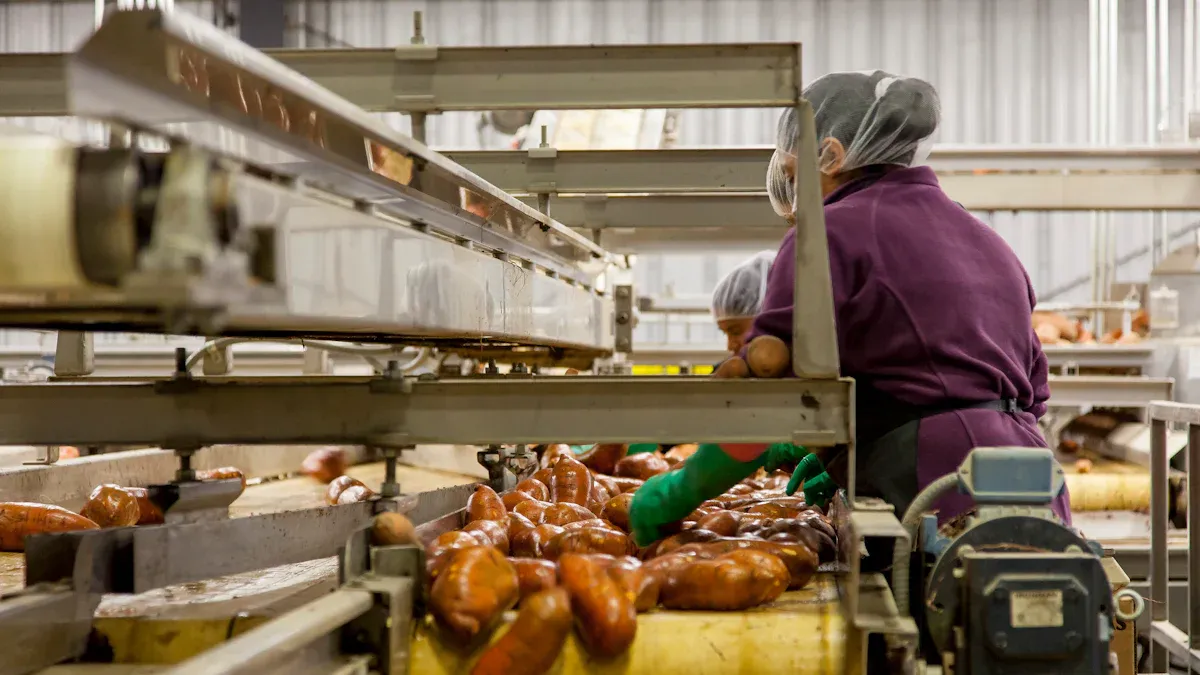
Your food fixtures must survive a demanding environment. Commercial kitchens expose materials to constant temperature changes, high humidity, and aggressive cleaning schedules. The bonding method you choose determines whether your fixtures will withstand these daily stresses or fail prematurely. A durable bond protects your investment and upholds your operational standards.
The Superior Strength of UV Bonds
You can depend on the exceptional strength of UV-bonded joints. A UV adhesive creates a chemical bond that is often stronger than the acrylic material itself. This process forms a single, solid unit that resists impact and heavy loads. These bonds perform exceptionally well in the humid and moist conditions of a commercial kitchen. Advanced dual-cure adhesives are specifically engineered to provide excellent resistance to moisture and humidity. Case studies show that even after prolonged exposure to high heat and humidity, these bonds can retain over 95% of their initial strength, proving their long-term reliability.
Solvent Bonding’s Vulnerability to Crazing
You will find that solvent-bonded fixtures are highly susceptible to crazing. Crazing is a network of tiny cracks that forms on the plastic surface, making it look cloudy and weak. This damage is permanent and compromises the fixture’s structural integrity. Everyday mechanical stress from handling and bending can trigger it. More importantly, chemical exposure from cleaning agents accelerates this failure.
⚠️ Hygiene Hazard: Crazing Harbors Bacteria Crazed surfaces are a serious food safety risk. The tiny cracks become a breeding ground for bacteria, making the fixture impossible to sanitize effectively. For any food-contact surface, you must have a smooth, unblemished finish to prevent contamination and ensure cleanability.
Common chemicals that speed up crazing include:
- Detergents and cleaning solutions
- Organic liquids and their vapors
- Low molecular weight hydrocarbons like acetone
Once crazing appears, the fixture is no longer suitable for food service. The weakened joint will eventually fail, and the compromised surface poses an ongoing health hazard.
Aesthetics and Customer Perception
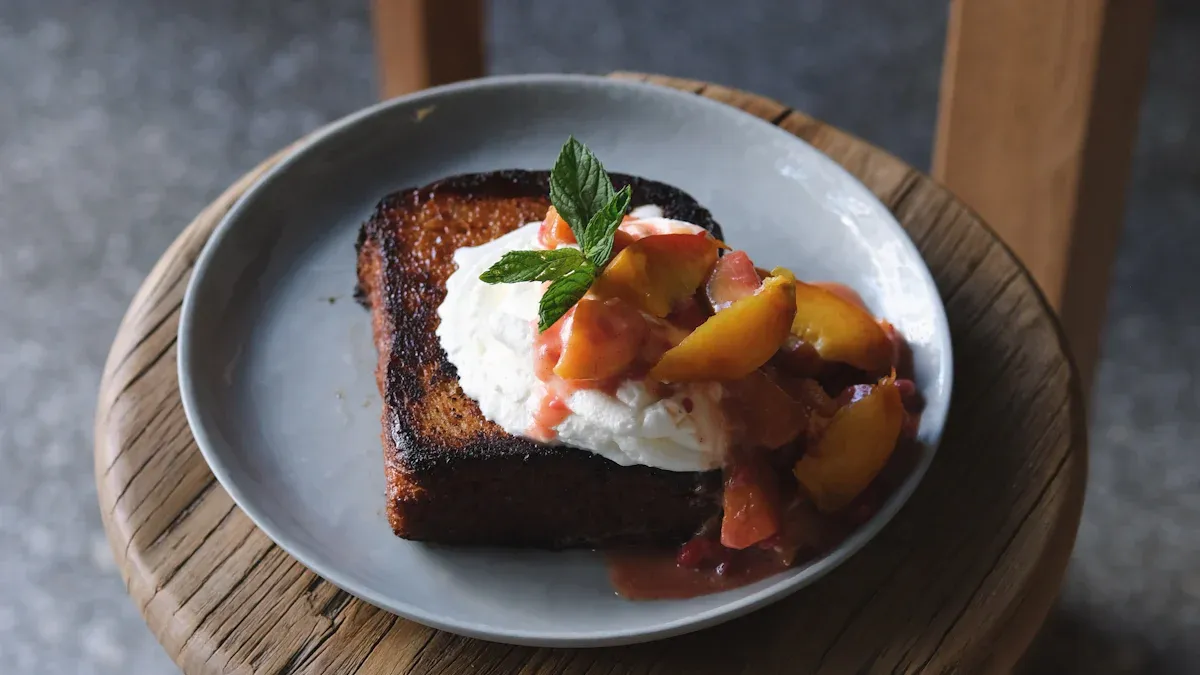
The appearance of your fixtures directly influences how customers perceive your products. A clean, premium display builds trust and makes your food more desirable. Your choice of bonding method is central to achieving a look that elevates your brand and drives sales.
Achieving Invisible Seams with UV
You can create a flawless, “museum-quality” finish with UV bonding. This method produces perfectly clear, bubble-free seams that are virtually invisible to the naked eye. You achieve this seamless look because optical UV adhesives have a refractive index between 1.4 and 1.7. This value closely matches that of acrylic, allowing light to pass through the joint without distortion. The result is a single, solid-looking piece that showcases your product without any distracting glue lines. This is ideal for high-end bakery cases and displays where aesthetics are paramount.
Impact on Product Packaging and Display
You should view your display case as a critical part of your product packaging. It is the final layer of packaging that presents your food to the customer. A crystal-clear fixture acts as premium, transparent packaging that protects the item while making it look more appealing. This visual packaging strategy can significantly boost perceived value. The quality of this packaging reflects directly on your brand. A superior display is superior packaging. Your overall packaging approach must include these fixtures.
The Risk of Flaws with Solvents
You risk permanent cosmetic flaws when you use solvent cements. These adhesives are difficult to control and can easily damage the appearance of acrylic. Common application mistakes permanently mar your fixtures.
These errors often result in visible defects:
- Using Too Much Cement: This can cause the solvent to pool and create cloudy spots or weak areas.
- Improper Preparation: If you do not bevel the plastic edge, it can scrape cement away, leading to an incomplete bond and visible gaps.
- Waiting Too Long to Assemble: The cement cures quickly. If you delay assembly, you will get a poor weld that looks messy and weak.
These flaws cheapen the look of your display and can distract customers from the product you are trying to sell.
Production Efficiency and Cost
You must consider how your bonding choice impacts your workshop’s efficiency and overall project cost. The price of the adhesive is only one part of the equation. Labor, time, and operational overhead are equally important factors that determine your true cost per fixture.
Fast Curing for High Throughput
You can accelerate your production schedule significantly with UV bonding. The adhesive cures in just a few seconds under a UV light source. This allows for rapid assembly and dramatically increases your throughput. Your fixtures are ready for the next production step or for shipping almost immediately.
UV adhesives also offer superior material efficiency.
- 100% Solids: These adhesives are 100% solids. This means nothing evaporates during the cure. You use every drop you apply.
- Less Waste: With no evaporation, you get more finished parts per tube of adhesive, reducing material waste and lowering your long-term cost.
This speed and efficiency mean you can complete more projects in less time, boosting your overall profitability.
Slower Processing and Hidden Costs
You will find that solvent bonding appears cheaper at first due to its lower initial material cost. However, this method introduces significant hidden costs that impact your bottom line. The curing process is slow, requiring hours or even days for the solvent to fully evaporate and the joint to gain strength.
This long wait time creates a production bottleneck. Your fixtures take up valuable workspace while they cure, and you must pay for labor during this extended assembly period. Furthermore, you must use solvent cements in a well-ventilated area to manage harmful fumes, which adds to your operational overhead.
Cost Comparison at a Glance
Factor UV Bonding Solvent Bonding Initial Cost Higher Lower Labor Cost Lower (fast assembly) Higher (slow cure) Cure Time ⏱️ Seconds Hours to Days Hidden Costs Minimal Ventilation, workspace bottlenecks
When you factor in time, labor, and safety requirements, the total cost of solvent bonding is often much higher than it first appears.
You now see the clear winner in the solvent bonding vs uv bonding debate. UV bonding is the professional standard for your fixtures. It delivers the safety and quality your business needs.
You should choose UV bonding for its key advantages:
- Certified Safety: It is safe for direct food contact.
- Flawless Look: It creates invisible seams that enhance your displays.
- Superior Strength: It withstands harsh cleaning and daily use.
When comparing solvent bonding vs uv bonding, you should only use solvent methods for non-food structures where budget is the top priority.
FAQ
Which bonding method is truly cheaper?
You will find UV bonding is often cheaper in the long run. Solvent bonding has a lower initial material cost. However, its slow cure time increases labor costs. UV bonding’s speed and efficiency reduce labor, making the total project cost lower for high-volume production.
Can I use solvent bonding for any part of a food display?
You should only use solvent bonding for non-food-contact parts. Use it for structural components like bases or frames that will never touch food. You must avoid it for any surface that holds or displays food products due to contamination risks.
How do I know if a UV adhesive is food-safe?
You should look for specific certifications. A food-safe UV adhesive will have documentation showing it complies with standards like NSF/ANSI 51. Always ask your supplier for proof of compliance to ensure the product meets health and safety regulations for your application.
Why does solvent bonding cause crazing?
Solvent bonding melts the plastic surface. This process creates internal stress in the material. Over time, exposure to cleaning chemicals or physical strain causes tiny cracks to form. This network of cracks, known as crazing, weakens the fixture and creates a hygiene risk.

 Português
  English
  Français
  Русский
  Deutsch
  Español
  日本語
日本語