
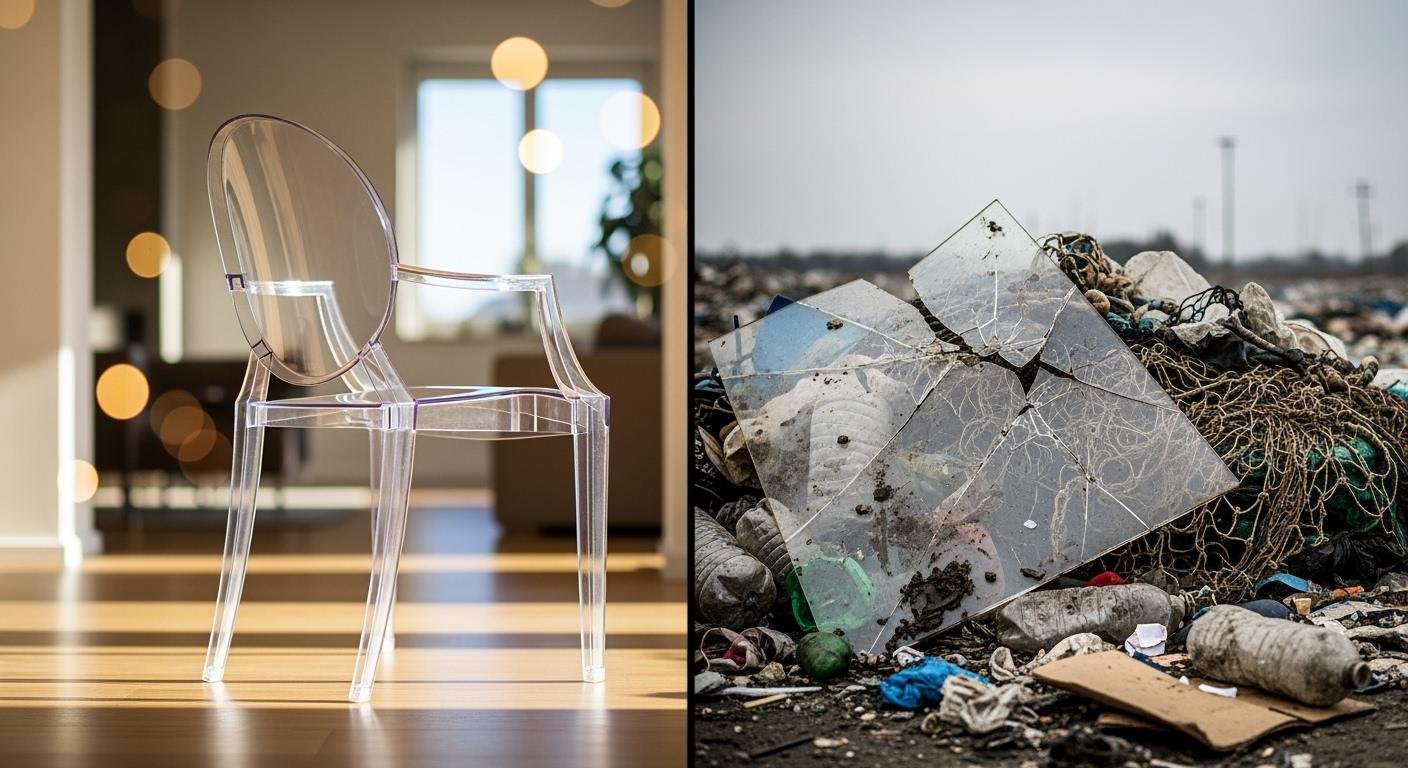
So, is acrylic not good? The answer depends entirely on the specific type of acrylic you choose for your project. The acrylic sheets market continues to grow, with forecasts from Technavio projecting a USD 1.72 billion increase by 2029. However, this popular acrylic material also has significant disadvantages. Understanding the limitations of acrylic paint, fabric, and panels helps you avoid costly mistakes and select the right material for your needs.
The Bright Side: Why Acrylic Is a Good Choice
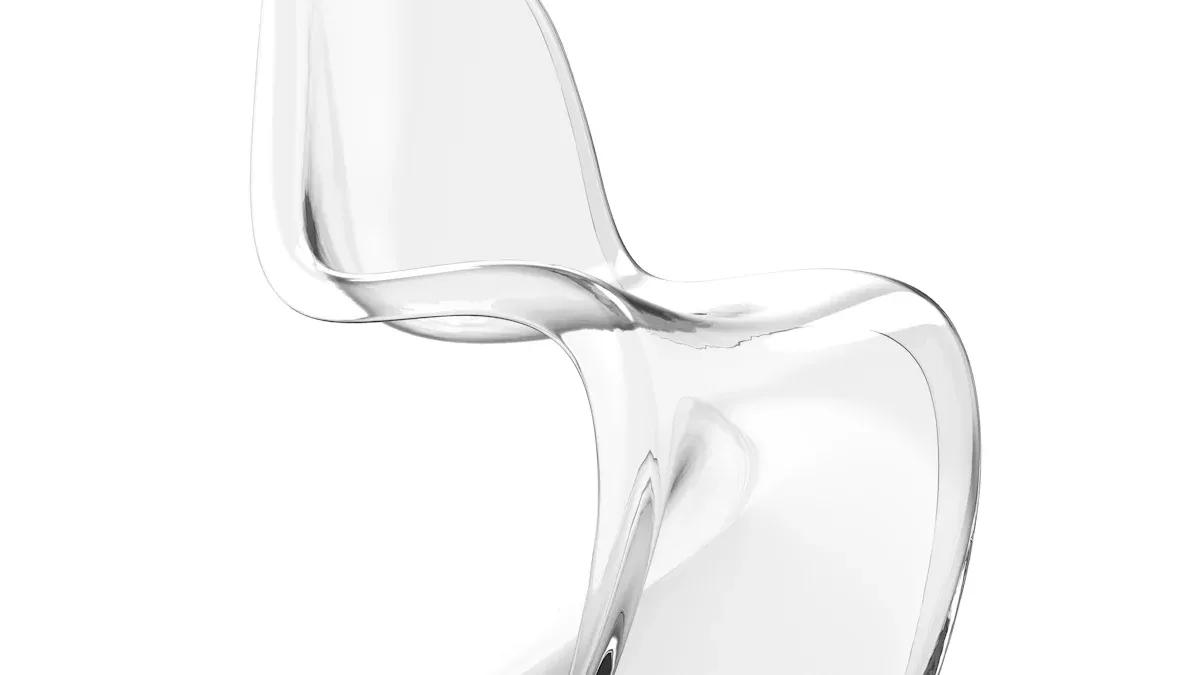
Acrylic offers several key advantages, especially when you use it in sheet or panel form. These benefits make acrylic a top contender for many projects. While acrylic fabric has its own uses, the primary strengths of acrylic shine through in its solid forms, like acrylic boards.
Superior Optical Clarity
You will notice that acrylic provides exceptional clearness. High-quality acrylic sheets allow up to 93% of light to pass through. This gives you a view that is often clearer than standard glass. Initially, a high-quality acrylic panel can even appear more transparent than expensive low-iron glass. This makes acrylic boards an excellent choice for displays and frames where you want vibrant, true-to-life colors. The properties of acrylic fabric are completely different, as acrylic fabric is opaque.
Good Impact Resistance vs. Glass
Acrylic is much tougher than glass. It can be 10 to 20 times more resistant to impact. This added strength makes acrylic a safer alternative for windows or protective barriers.
Note: While acrylic is stronger than glass, it is not as strong as polycarbonate. You should choose polycarbonate for applications needing maximum impact resistance. The durability of acrylic boards is a major advantage over glass, but it doesn’t compare to the textile strength of acrylic fabric.
Lightweight and Easy to Fabricate
Working with acrylic is simple. It has about half the density of glass, making acrylic boards much easier to handle and install. You can also shape acrylic with heat, a process that is very difficult with glass. This versatility allows you to create custom shapes for unique projects. The workability of acrylic is a key benefit. This is unlike acrylic fabric, which is woven, not molded. The creation of acrylic fabric is a textile process, and the properties of acrylic fabric are suited for apparel, not construction. The utility of acrylic fabric is distinct from that of acrylic boards.
Generally Cost-Effective
Acrylic often provides a good balance of performance and price. It is typically less expensive than polycarbonate, sometimes by as much as 35%. While some acrylic sheets can cost more than standard glass, their durability and light weight can save you money on installation and replacement costs over time. The cost of acrylic fabric varies by quality, just as the price of acrylic boards does. However, acrylic fabric remains a popular choice in fashion. The affordability of acrylic fabric helps keep clothing prices down.
When Is Acrylic Not Good? Key Disadvantages
You must understand the drawbacks before choosing acrylic for your project. While it has its strengths, there are many situations where acrylic is not good. The material’s disadvantages vary significantly across its different forms, from solid acrylic boards to soft acrylic fabric and liquid acrylic paint. Knowing these limitations helps you avoid disappointment and costly errors.
Disadvantages of Acrylic Boards: Scratches and Cracking
One of the most significant disadvantages of acrylic boards is their softness. You will find that acrylic surfaces scratch very easily. The material has a low Mohs hardness rating, which measures its resistance to scratching.
| Material | Mohs Hardness |
|---|---|
| Talc | 1 |
| Acrílico | 3-4 |
| Copper Penny | 3.5 |
| Glass | 5.5 |
| Quartz | 7 |
This low rating means everyday objects can leave marks. This high susceptibility to damage is a primary reason why acrylic is not good for high-traffic surfaces like countertops. While you can repair scratches with polishing compounds or wet sanding, the effort required is a major drawback.
Beyond scratches, you also face the potential for cracking under high stress. This issue, known as crazing or cracking, does not happen randomly. Specific actions introduce stress into the acrylic boards.
- Cutting: Saw blades and drills create micro-fractures along cut edges. These weak points can easily develop into cracks.
- Heat: Bending or flame-polishing acrylic boards introduces significant stress. Even the heat from cutting can weaken the material.
- Sustained Pressure: If you mount acrylic boards too tightly with screws or clamps, the constant pressure creates stress. This gradual weakening can lead to sudden failure.
These disadvantages of acrylic boards make them a poor choice for demanding structural applications.
Low Resistance to Heat and Chemicals
Acrylic also performs poorly when exposed to heat and certain chemicals. You should never use acrylic boards near high-temperature sources. Cast acrylic has a maximum continuous service temperature of around 180°F (82°C). This lower heat resistance than glass makes it completely unsuitable for use as a kitchen backsplash behind a stove or for fireplace surrounds.
The material’s chemical susceptibility is another one of its major disadvantages. Many common household cleaners can permanently damage acrylic boards.
Warning: ⚠️ Never use cleaners containing alcohol, ammonia, solvents, or abrasives on acrylic. These products can cause the surface to become cloudy, brittle, or develop fine cracks. Avoid window sprays, scouring powders, acetone, gasoline, and lacquer thinners.
This sensitivity limits where you can safely use and how you can maintain acrylic surfaces.
Disadvantages of Acrylic Fabric: Pilling and Poor Breathability
The problems with acrylic extend to its textile form. Acrylic fabric is notorious for its tendency to develop pills. Pilling occurs when the short fibers of the acrylic fabric twist together into tiny balls after washing and wear. This propensity for pilling makes garments look old and worn very quickly. The constant friction from use is a primary cause of pilling. You will notice this pilling on sweaters and blankets made from acrylic fabric. The pilling is a direct result of the fiber structure.
You will also experience breathability concerns with acrylic fabric. The material does not absorb moisture well. This poor breathability traps sweat against your skin, which can make you feel clammy and uncomfortable. The static buildup is another issue with acrylic fabric. This lack of moisture absorption also contributes to static.
| Textile Fiber | Moisture Regain (%) |
|---|---|
| Wool | 16.0 |
| Cotton | 8.5 |
| Acrylic Fabric | 1.5 |
This table shows how little moisture acrylic fabric holds compared to natural fibers. The static electricity attracts lint and dust. The static nature of acrylic fabric is a significant drawback. Furthermore, the sustainability of acrylic fabric is a growing concern. Every time you wash acrylic fabric, it sheds tiny plastic fibers. These microplastics enter waterways, contributing to the environmental impact of synthetic textiles. This microplastic shedding is a serious problem for our environment. The propensity for pilling and static buildup are key disadvantages.
Drawbacks of Acrylic Paint: VOCs and Toxins
Finally, you need to consider the pros and cons of acrylic paint, especially regarding your health and the environment. When you use acrylic paint, it releases volatile organic compounds (VOCs) into the air. These toxic spirits can harm your indoor air quality. The toxicity of these fumes is a serious issue. Inhaling these fumes can cause headaches, eye irritation, and fatigue.
Studies have linked higher indoor VOC levels to an increased risk of asthma and allergies, particularly in children. The long-term toxicity of high VOC concentration is also a concern. This makes ventilation crucial when you are working with acrylic paint. To protect yourself, you should always:
- Work in a well-ventilated area with open windows and doors.
- Use a fan to circulate air and direct fumes outside.
- Consider wearing a respirator if you are sensitive or working for long periods.
- Run a HEPA air filter in the room after you finish painting.
The environmental impact of acrylic paint does not end there. When you wash brushes in the sink, the liquid acrylic and its microplastics go down the drain. This contributes to water pollution. The sustainability of acrylic paint is questionable due to its plastic content and the toxic spirits it releases. Understanding these disadvantages helps you use acrylic paint more safely.
Acrylic vs. Key Alternatives
Choosing the right material means you must compare acrylic to its main competitors. Your project’s success depends on understanding these key differences. This guide helps you decide between acrylic, glass, polycarbonate, and different paint types.
Acrylic vs. Glass: Clarity vs. Durability
You face a trade-off between clarity and durability when choosing between acrylic boards and glass. Acrylic offers superior optical clarity at first, but it scratches easily. Tempered glass provides excellent scratch resistance.
| Material | Resistência aos riscos | Durability |
|---|---|---|
| Tempered Glass | Excelente | Strong, scratch-resistant |
| Acrílico | Scratches easily | Shatter-resistant |
The softness of acrylic boards makes them prone to scuffs. These marks can dull the surface over time. You should choose tempered glass for maximum scratch resistance. However, acrylic boards are more shatter-resistant, making them a safer option in some cases.
Acrylic vs. Polycarbonate: Shine vs. Strength
You will find that polycarbonate is much stronger than acrylic boards. It has superior impact resistance. However, the tensile strength of both materials is quite similar, at around 9,500 PSI. The biggest advantage of acrylic is its cost.
Tip: You can save money by choosing acrylic. It is often up to 35% cheaper than polycarbonate. This makes acrylic boards a great budget-friendly choice for projects where extreme impact strength is not necessary.
Polycarbonate is the better option for high-impact applications like security barriers. For displays and signs, the shine and affordability of acrylic boards make them a popular choice.
Acrylic Paint vs. Latex Paint: Cost and Sheen
You also have choices when it comes to paint. Both acrylic paint and latex paint are water-based, but they have different properties and costs. High-quality acrylic paint often costs more than premium latex paint. A gallon of premium acrylic paint can cost up to $80, while latex tops out around $60. The acrylic paint provides a glossier finish and better adhesion. This makes acrylic paint ideal for art projects and detailed work. You will find that acrylic paint is more durable on surfaces that require frequent cleaning. For large interior walls, latex paint is a more economical choice. The flexibility of acrylic paint makes it suitable for various surfaces, whereas latex paint works best on walls and ceilings. You should consider the specific needs of your project when choosing between acrylic paint and latex. The higher cost of acrylic paint reflects its enhanced durability and finish.
You get fantastic clarity with acrylic, but this comes with key disadvantages like easy scratching. Acrylic is great for indoor displays like bakery cases or ballot boxes. This is why acrylic not good for high-traffic surfaces or near heat. The issues with acrylic paint and fabric are also important. Washing acrylic paint contributes to microplastic pollution.
You must weigh your project’s needs. Consider your budget, safety, and the environmental impact of acrylic paint. The production and disposal of acrylic and acrylic paint have consequences.
FAQ
Can you recycle acrylic?
You can pursue the recycling of acrylic. Specialized facilities handle this recycling process. This recycling helps reduce waste in the environment. Check with local waste management to find a recycling center near you.
How do you care for acrylic fabric?
Caring for acrylic garments requires gentle handling. You should wash acrylic fabric in cold water. Using a laundry bag helps reduce the release of microplastics from the acrylic fabric. This protects the environment.
What is the environmental impact of acrylic fabric?
The environmental impact of acrylic fabric is significant. The production of acrylic fabric uses energy. Washing acrylic fabric releases microplastics into the environment. The sustainability of acrylic fabric is a major concern for the environment.
Are there sustainable pathways for acrylic?
You can explore sustainable pathways for acrylic. The recycling of acrylic is one option. You can also repair items instead of replacing them. These actions lower the overall environmental impact and improve sustainability.
Why is acrylic fabric bad for the environment? 🌎
Acrylic fabric poses challenges for the environment. The recycling options are limited. The sustainability of acrylic fabric is poor compared to natural fibers. Caring for acrylic garments also requires special attention to minimize harm.
See Also
Acrylic Aquariums: Understanding Their Features, Benefits, and Practical Uses
Anti-static Acrylic: Exploring Its Principles and Diverse Industrial Applications
Acrylic Blocks: Unveiling Their Characteristics and Versatile Applications
Impact-Modified Acrylic: Key Features and Its Robust Practical Applications
Acrylic (PMMA): Defining Its Properties and Widespread Material Applications

 Português
  English
  Français
  Русский
  Deutsch
  Español
  日本語
日本語