

A floater frame creates a modern look where your art appears to float. A box frame provides a traditional presentation that covers the art’s edges. The floater frame is a popular contemporary option. It now accounts for about 25% of the custom framing market, with professionals using it in nearly one-third of their projects.
Примечание: Your final decision depends on your artwork’s style, the type of canvas, and the overall aesthetic you want to achieve.
What is a Floater Frame?
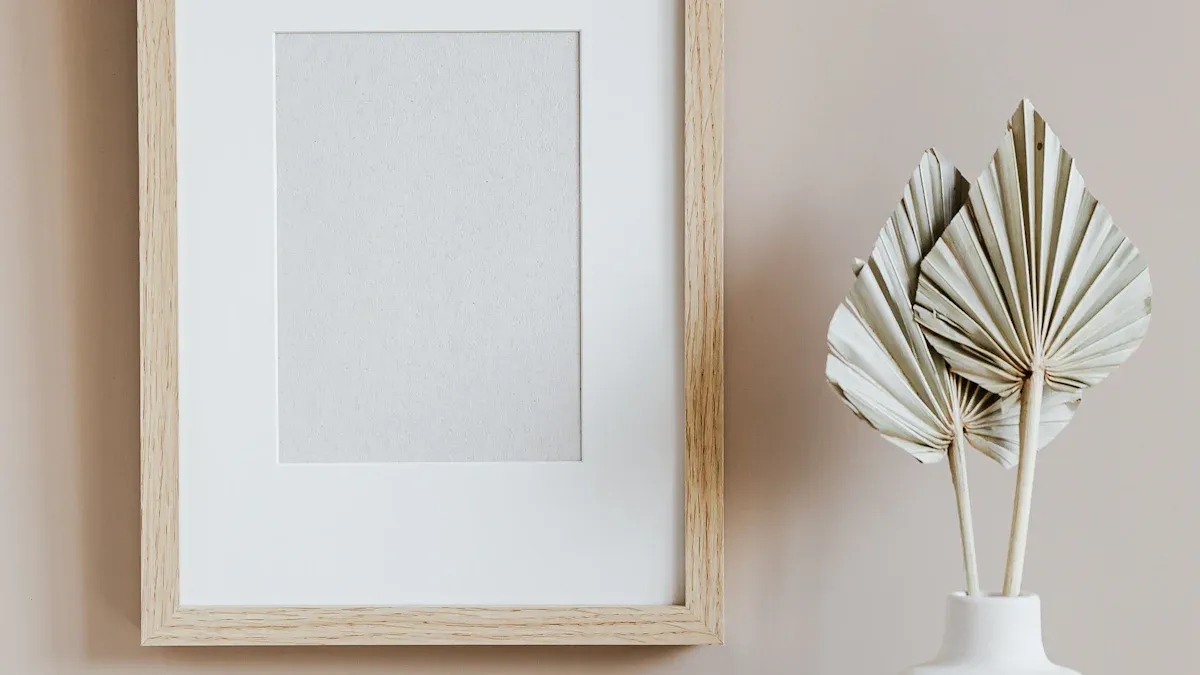
A floater frame is like an open box. You mount your canvas from the front. This design leaves a visible gap between your art and the frame, creating a unique visual effect.
The Signature “Floating” Illusion
The frame gets its name from the illusion it creates. Your artwork appears to “float” inside the frame’s outer edges. This effect happens because of a small, consistent space left around the canvas.
Pro Tip: Frame manufacturers typically add a standard 1/4-inch gap between the canvas and the frame. This measurement creates the perfect floating look without distracting from your art.
This design choice makes the entire front and sides of your canvas visible. A float frame does not use glazing (glass), which allows the artwork’s original texture to stand out.
Construction and Front-Mounting
You attach your artwork to the front of a canvas floater frame. This method is different from traditional frames where art is set from the back. The frame itself is usually made from one of several materials:
- Дерево: Offers a classic, warm appearance.
- Composite (Poly): Provides excellent durability and is often more affordable.
- Metal: Gives a sleek, modern finish.
Mounting your canvas is a straightforward process. You can use one of two common methods:
- Direct Screw Attachment: You insert screws through pre-drilled holes in the frame’s back, securing them into the canvas stretcher bars.
- Offset Clips: You attach special clips to the frame first, then fasten the canvas to these clips.
Best Artworks for This Style
The float frame is an excellent choice for modern and contemporary art. It became popular during the 1950s with the Abstract Expressionist movement. Artists like Jackson Pollock used this style to present their bold, large-scale canvases without visual interruption.
This style is ideal for:
- Gallery-wrapped canvases where the art continues onto the sides.
- Paintings with important details or signatures near the edges.
- Any piece where you want to showcase the art’s texture and depth.
What is a Box Frame?

A box frame offers a classic and enclosed look for your artwork. Unlike a floater frame, you set your art into a box frame from the back. The frame’s lip then overlaps the front edges of your piece, creating a defined border. This method provides a timeless and polished presentation.
The Traditional Enclosed Look
The box frame gives your art a finished, self-contained appearance. This style has deep historical roots, making it a truly traditional choice. The concept of framing has evolved over centuries:
- Ancient Origins: Early frames in Egypt and Greece protected important texts and carvings.
- Middle Ages: The first carved wooden frames for panel paintings appeared in 12th and 13th-century Europe.
- Renaissance: Artists developed the portable frame we recognize today, allowing art to be displayed as a distinct object.
This long history is why the enclosed look feels so familiar and established. It cleanly separates the artwork from its surroundings.
Construction and the Frame’s Rabbet
The key feature of a box frame is its rabbet. The rabbet is the inner lip or groove on the inside of the frame. You place your artwork into the frame from behind, resting it against this lip. The rabbet holds your art securely and covers a small portion of its front edges, typically about 1/4 inch.
This design is perfect for hiding unfinished or stapled canvas sides. It gives any piece a neat, professional finish.
Did You Know? 💡 A major advantage of a deep box frame is the ability to add glazing. You can include a layer of glass or acrylic to protect your art from dust, moisture, and UV damage—an option not usually available for floater frames.
Best Artworks for This Style
A traditional frame is an excellent choice for pieces that need extra protection or benefit from a classic border. It is especially well-suited for delicate or valuable artworks. Consider a box frame for:
- Works on paper: This includes prints, watercolors, drawings, and photographs that are vulnerable to the environment.
- Art with imperfect edges: It neatly conceals any rough or unfinished sides of a canvas or panel.
- 3D objects and memorabilia: Deep box frames, also known as shadow boxes, are perfect for displaying textiles, collectibles, and other dimensional items.
Adding glazing provides essential protection, making the box frame a safe and elegant choice for a wide variety of art.
Key Differences: Floater vs. Box
Choosing between a floater and a box frame comes down to understanding four key areas. You need to consider the look you want, how much of the art you want to see, the mounting process, and the level of protection your piece needs.
Aesthetic: Modern vs. Traditional
Your frame choice heavily influences the overall feel of your artwork. Each style sends a different message.
- Floater Frame: This frame offers a minimalist design with clean lines. Artists and collectors often choose a float frame to give artwork a contemporary and professional appearance. The design creates a sleek, gallery-style aesthetic that enhances the art’s depth. It works perfectly with modern and minimalist decor.
- Box Frame: This is a traditional frame that provides a classic, finished border. It creates a clear separation between the artwork and the wall. This enclosed look feels familiar and established, making it a timeless choice for almost any interior design style.
Artwork Visibility: Full View vs. Edges Covered
The two frames present your art in fundamentally different ways. Your decision here depends on the artwork itself.
A floater frame is designed to show everything. The canvas sits inside with a gap, so you can see the front and all four sides. This is ideal for gallery-wrapped canvases or pieces where the artist painted or signed the edges.
A box frame, however, covers the outer edges of your art. The frame’s inner lip, or rabbet, typically hides about 1/4 inch of the artwork’s front perimeter. This is useful for covering staples or unfinished canvas sides, giving the piece a tidy border.
Mounting: Floater Frame vs. Box Frame
You attach your art to each frame using a different method. The floater frame mounts from the front, while the box frame mounts from the back.
Mounting at a Glance 💡 The process for each frame is quite distinct. One involves securing the art from the front into an open profile, while the other involves fitting it into a recessed structure from behind.
Here is a simple comparison of the mounting processes:
| Frame Type | Mounting Process |
|---|---|
| Floater Frame | 1. You place the canvas into the frame from the front. 2. You use shims to create an even gap all around. 3. You secure the canvas by driving screws through the back of the frame into the stretcher bars. |
| Box Frame | 1. You disassemble the frame by removing the backing. 2. You place your art inside against the front lip (rabbet). 3. You reassemble the frame, securing the art, backing, and any glazing. |
Protection: Open Air vs. Glazing Options
Protecting your art from damage is a major consideration. The two frames offer very different levels of protection.
A floater frame leaves your canvas open to the air. This is great for showing texture, but it offers no protection from dust, moisture, or UV light. You must clean it carefully.
- Use a soft, dry microfiber cloth or feather duster.
- Never use water, sprays, or solvents on the canvas.
- Always handle the art by the frame to avoid smudging the canvas.
A box frame gives you the option to add glazing (a clear cover). This is a key advantage for protecting valuable or delicate art.
- Standard Glass/Acrylic: Offers basic protection from dust but provides little to no UV filtering. Clear acrylic typically blocks around 66% of UV light.
- Conservation & Museum-Grade Glazing: This is the best choice for preservation. Materials like Conservation Clear Acrylic or Optium Museum Acrylic can block up to 99% of harmful UV rays, preventing your art from fading over time.
How to Choose the Right Frame
Now you understand the differences between these two frames. Let’s explore how to pick the perfect one for your specific artwork and home. Your decision will depend on your art’s medium, its physical characteristics, and your personal style.
When to Select a Floater Frame
You should select a float frame when you want to showcase the entire artwork without interruption. This modern style is perfect for creating a high-end, gallery-like presentation.
Choose this frame for:
- Gallery-Wrapped Canvases: This frame type is compatible with canvases where the art extends over the sides. The open design ensures no part of the painting is hidden.
- Textured or Dimensional Art: The space around the canvas highlights its depth and texture, making the piece more dynamic.
- Modern and Abstract Pieces: The minimalist look of a float frame complements contemporary art beautifully.
Canvas Depth Matters 💡 The depth of your canvas is important for a proper fit. The most versatile canvas depths are 1.375 inches and 1.5 inches. These sizes fit a wide range of frames and provide a professional finish. A 1.375-inch canvas, for example, fits perfectly into both 1.5-inch and 1.75-inch frames without needing adjustments.
When to Select a Box Frame
A box frame is your best choice when your artwork needs a defined border or physical protection. This traditional approach is versatile and solves many common framing challenges.
Consider a box frame for:
- Art on Paper: Watercolors, prints, and drawings are vulnerable to dust and light. A box frame allows you to add protective UV-filtering glass.
- Art with Unfinished Edges: The frame’s lip (rabbet) neatly covers staples, raw canvas, or imperfect sides.
- 3D and Layered Art: Deep box frames, or shadow boxes, provide the necessary space for dimensional pieces. This is essential for 3D layered paper art, which needs support to prevent the layers from sagging or flattening. It is also great for displaying a collection of small items as a single artwork.
Matching the Frame to Your Art’s Medium
The material your art is made from plays a huge role in your framing decision. Oil and acrylic paintings have different needs than works on paper.
For oil and acrylic paintings on canvas, you generally want to avoid putting them behind glass. A canvas floater frame is often the ideal choice. Glazing can trap moisture, which damages oil paint, and it can stick to acrylic surfaces. Both mediums have textures that are best viewed directly.
| Painting Type | Glazing (Glass) Recommendation | Key Considerations |
|---|---|---|
| Oil Painting | Avoid glass. The paint needs to breathe. | Trapped moisture can degrade the paint and canvas. |
| Acrylic Painting | Avoid glass, unless in a very hot room. | Varnish offers enough protection from dust and UV light. |
For works on paper like watercolors, pastels, and charcoal drawings, protection is critical. These pieces are highly susceptible to fading from UV rays and damage from dust and moisture. A box frame with conservation-grade glazing is essential.
Why Glazing is a Must for Paper Art UV rays from sunlight can cause the pigments in watercolors and drawings to fade and the paper itself to darken. Archival glazing blocks up to 99% of these harmful rays, creating a stable microclimate inside the frame that preserves your art for years to come.
For mixed-media or collage art, a floater frame allows the unique textures to shine. Traditional frames with glass would flatten fabric overlays, raised paint, and other dimensional elements. The open design lets the surface interact with light, creating a more engaging viewing experience.
Aligning with Your Interior Decor
The final step is to choose a frame that complements your home’s style. The right frame type can tie your art seamlessly into your room’s design.
For Minimalist, Scandinavian, or Modern interiors, clean lines are key.
- Frame Style: A floater frame is a natural fit for this aesthetic. You can also use simple box frames with thin, flat profiles.
- Frame Color: Neutral colors work best. Matte black, clean white, and natural oak frames all enhance a minimalist space without adding clutter. A white frame on a white wall, for example, creates a sophisticated gallery look.
For Traditional, Eclectic, or “Grandmillennial” decor, you can be more expressive. Ornate box frames add character and a sense of history.
| Ornate Frame Style | Описание | Лучшее для |
|---|---|---|
| Slim Ornate | A thin profile with intricate details. | Traditional portraits or vintage photos. |
| Faux Burl | A warm, swirling wood pattern. | Creating a cozy, homey feel. |
| Distressed Wood | A weathered, historical look. | Balancing modern art in a traditional room. |
| Embellished | A fancy, decorative profile. | Making a statement with a favorite painting. |
Finally, think about how the frame color interacts with your wall.
| Approach | Your Goal | How to Do It |
|---|---|---|
| Complementary | Create a harmonious, blended look. | Match the frame’s undertone to the wall’s (e.g., silver frame with a cool blue wall). |
| Contrasting | Make the artwork pop. | Choose a frame color that stands out (e.g., a black frame on a white wall). |
By considering these factors, you can confidently choose a frame that not only protects your art but also elevates its beauty within your space.
You should consider your artwork’s specific needs and your personal style. Choose a floater frame for a contemporary, full-view presentation of canvas art. Opt for a traditional frame to hide imperfect edges or add protective glass. You now have the knowledge to select the perfect frame. This choice creates a beautiful presentation that enhances your art.
ЧАСТО ЗАДАВАЕМЫЕ ВОПРОСЫ
Can I use a floater frame for a photo?
You should avoid using a floater frame for photos. Photographs are works on paper and need protection from dust and UV light. A box frame with protective glazing is a much safer choice to preserve your picture for years to come.
What is the gap in a floater frame called?
That space is called the “reveal” or “float space.” It creates the signature floating illusion. Frame makers carefully measure this gap to ensure your artwork looks perfectly suspended inside the frame. The standard reveal is usually about 1/4 inch.
Do I need to varnish my painting before framing?
Yes, you should always varnish your acrylic or oil paintings. Varnish provides a crucial protective layer. It guards your art against dust and UV damage. This is especially important when you use a floater frame, which leaves the canvas surface exposed.
Which frame is better for valuable art?
You should choose a box frame for valuable or delicate art. This frame style allows you to add conservation-grade glazing.
Important Note 💡 Glazing blocks up to 99% of harmful UV rays. This protection prevents fading and keeps your investment safe from environmental damage.
See Also
Acrylic Boxes: Unveiling Their Structure, Purpose, and Diverse Uses
Your Comprehensive Guide to Acrylic Table Stands and Their Versatility
Acrylic Light-boxes: Exploring Their Design, Function, and Practical Uses
Innovative Display Ideas: Acrylic Table Top Stands for Eye-Catching Showcases
Acrylic Risers: Understanding Their Design, Key Features, and Applications


 Русский
  English
  Français
  Deutsch
  Español
  Português
  日本語
日本語