
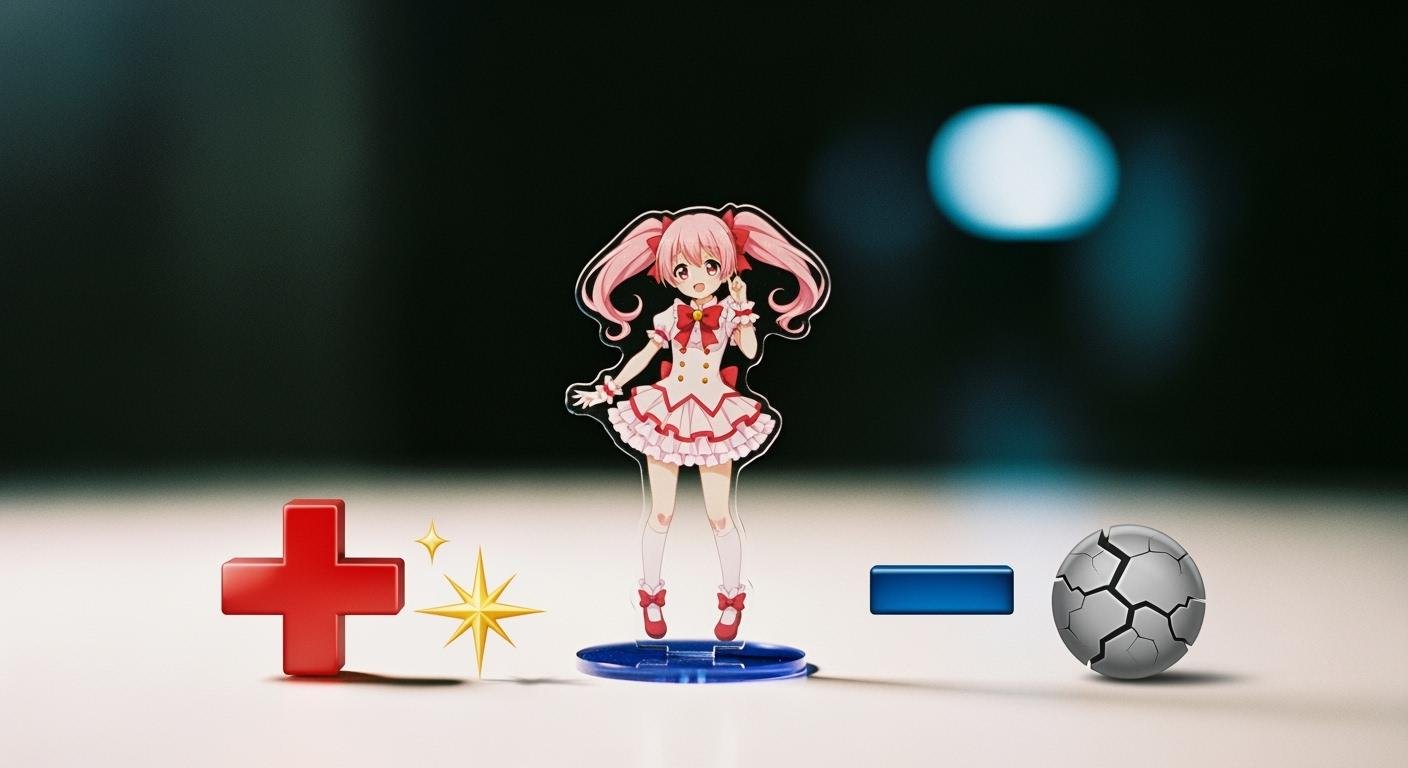
Acrylic standees are a great choice in 2026 for creators who value premium quality and fan engagement. They are less suitable for those with tight budgets or strong environmental goals.
The best choice depends on your unique needs. An artist, a business, and a collector will each weigh the benefits and drawbacks differently to make an informed decision.
The Pros: Why Standees Are a Smart Investment
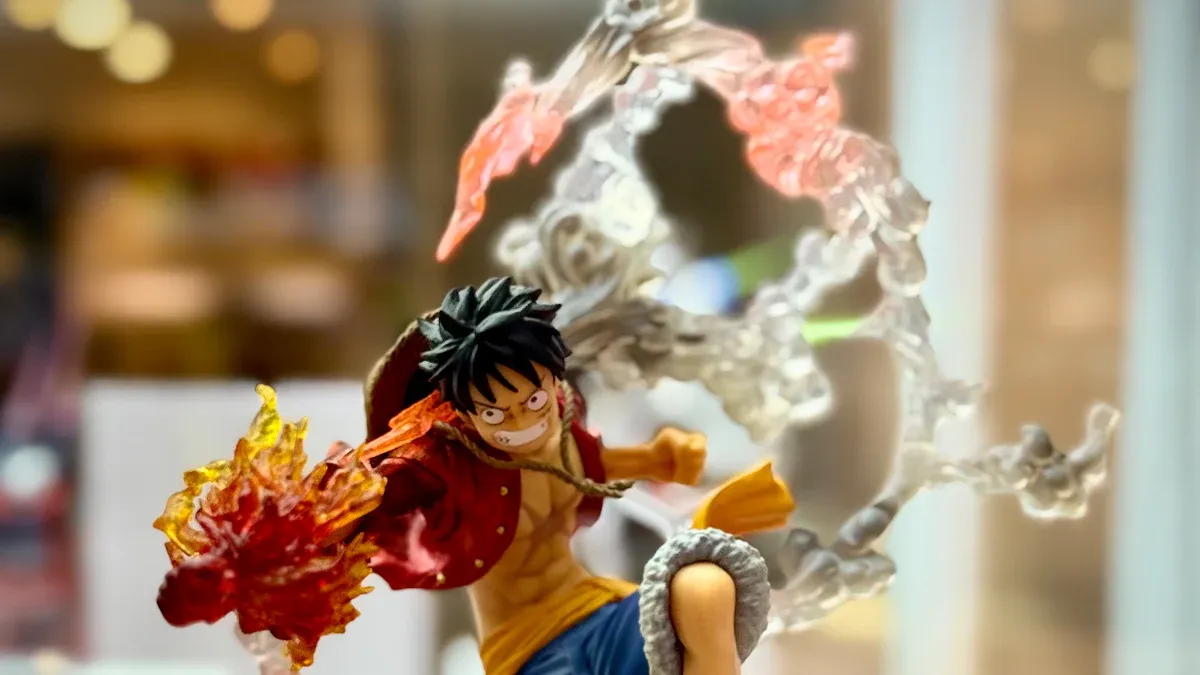
Acrylic standees offer significant advantages for creators and businesses. They provide a premium way to showcase art and connect with an audience. These benefits often make them a smart long-term investment.
Pro #1: Superior Visuals and Customization
The visual quality of an acrylic standee is its main selling point. High-quality raw materials create a high-transparency finish. This clarity makes artwork look vibrant and sharp. The colors “pop” in a way that posters or paper goods cannot match. This professional presentation helps justify the price for fans and collectors.
Beyond the basic look, customization options allow for truly unique products. Manufacturers offer a variety of special processes to make your designs stand out.
- Glitter Epoxy: Adds a sparkling, textured layer over the artwork.
- Holographic Finishes: Creates a shifting, rainbow-like effect that catches the light. Popular patterns include:
- Heart
- Star
- Broken Glasses
- Rainbow
These options transform a simple piece of art into a dynamic and eye-catching collectible.
Pro #2: Excellent Durability and Longevity
Acrylic is a strong and resilient material. Standees made from it are far more durable than displays made from paper or foam core. They resist scratches, moisture, and fading from indoor light. A paper standee might only last for a few days. A well-cared-for acrylic standee can look great for years.
This makes them a cost-effective investment over time. You create a product that fans can enjoy for a long time, unlike a poster that can easily tear or fade. Many manufacturers even add protective layers to improve durability.
- UV-Resistant Coatings: Protect the artwork from UVA light damage.
- Hard-Coat Layers: Improve scratch resistance and add UV stability.
The expected lifespan varies by design, but even basic models last much longer than alternatives.
| Model Type | Typical Lifespan |
|---|---|
| Countertop, Single-Sided | 1–2 years |
| Floor-Standing, Double-Sided | 3–5+ years |
| Custom Shape (Logo Cutout) | 5+ years |
Pro #3: High Perceived Merchandise Value
Fans see acrylic standees as premium items. Their weight, durability, and visual shine give them a high perceived value. People are often willing to pay more for a standee than for other types of merchandise like keychains or prints.
This high value comes from its status as a “mini-statue.” It is not a flat image but a physical object that occupies space. It feels more like a collector’s figure than a simple piece of merchandise.
This makes them an excellent choice for artists selling at conventions or online. You can earn a higher profit margin per item. The quality of the product reflects the quality of your brand, building a reputation for offering valuable goods.
Pro #4: Versatile Promotional and Sales Tool
Standees are not just for selling directly to fans. They are also powerful promotional tools. Businesses often use them as point-of-purchase (POP) displays in retail stores. Their sleek, professional look can highlight specific products like jewelry, cosmetics, or electronics.
These displays are placed strategically to grab customer attention. They can hold promotional flyers, samples, or small products. This encourages impulse purchases and boosts sales. Because they can be customized to any size, shape, or color, they are highly adaptable for any marketing campaign. Their durability and attractive appearance help create a better-looking and more effective retail space.
Pro #5: Strong Appeal in Collector Markets
The market for collectible merchandise is booming. The global anime merchandise market, for example, has seen huge growth thanks to streaming and social media. This has created a large and dedicated audience for items like figures and standees.
Recent data shows a stable and high demand for these products.
- Search interest for “anime figures” remained consistently high throughout 2025.
- Searches surged in August and November 2025, lining up with holiday shopping seasons.
- The highest interest was recorded in late November 2025, showing strong pre-holiday demand.
This trend proves there is a robust market for collectibles. Both dedicated collectors seeking rare items and casual fans contribute to this demand. By creating acrylic standees, you are tapping into a passionate fanbase that is actively looking to buy high-quality, unique merchandise.
The Cons: Downsides of Acrylic Standees
While acrylic standees offer many benefits, they also come with significant drawbacks. These challenges relate to cost, environmental concerns, and logistics. Understanding these downsides is crucial before you invest in producing them.
Con #1: High Upfront Production Costs
The most significant barrier for many creators is the high initial cost. Manufacturing acrylic standees is more expensive than producing other common merchandise items. Several factors contribute to this high price tag.
- Raw Materials: High-quality, clear acrylic (PMMA) is more costly than paper, cardstock, or wood.
- Manufacturing Process: The process involves precise laser cutting, multi-layer UV printing, and sometimes special finishes like epoxy or holographic effects. Each step adds to the overall expense.
- Minimum Order Quantities (MOQs): Many manufacturers require you to order a minimum number of units, often 50 or 100 per design. This can be a large upfront investment, especially for independent artists or small businesses testing a new product.
A single, complex standee can cost several dollars to produce. When multiplied by a minimum order of 100, the initial investment can easily reach hundreds of dollars for just one design.
Con #2: Environmental Impact of Plastic
Sustainability is a growing concern for both creators and consumers. Acrylic is a type of plastic known as polymethyl methacrylate (PMMA), which is derived from fossil fuels. Its environmental footprint is a serious consideration.
The primary issue is disposal. Most acrylic products are not easily recycled through standard municipal programs.
| Metric | Global | Europe |
|---|---|---|
| Recycling Rate | ~10% of production | 8,000 tons/year |
| Primary Disposal Methods | Landfilling and Incineration | Landfilling and Incineration |
As the table shows, the vast majority of acrylic ends up in landfills or is incinerated. However, the industry is slowly adapting. New technologies are emerging to improve the circularity of PMMA.
- Chemical Recycling: This advanced process breaks acrylic down into its original monomer (MMA). The recycled material retains its high quality.
- Thermal Decomposition: This method uses heat to depolymerize the plastic, efficiently converting it back to a reusable liquid form.
- Growing Infrastructure: More investment is going into facilities that can process PMMA waste, though they are not yet widely available.
While these developments are promising, the current reality is that acrylic is not an eco-friendly material.
Con #3: Costly Shipping and Storage
Acrylic is rigid and relatively heavy, but it can also be brittle. This combination makes shipping and storage both complicated and expensive. You cannot simply put a standee in a thin mailer and hope for the best. Proper protection is essential to prevent scratches, cracks, or breaks during transit.
Safe packaging requires multiple layers of protection:
- Protective Film: Each piece usually comes with a peel-off film to prevent surface scratches.
- Cushioning: Bubble wrap or foam sleeves are needed to absorb impacts.
- Rigid Support: The wrapped item must be placed in a sturdy cardboard box or rigid mailer to prevent bending and crushing.
- Filler: Any empty space in the box must be filled with packing peanuts or paper to stop the item from shifting.
All these materials add to the cost per unit and increase the package’s weight and dimensions, leading to higher shipping fees. Furthermore, acrylic can warp or become brittle in extreme temperatures, so they need to be stored in a climate-controlled environment.
Con #4: Limited Appeal to Niche Audiences
Acrylic standees are primarily a collector’s item. They hold the most appeal for dedicated fans of a specific character, series, or artist. This audience understands their value and is willing to pay a premium price.
However, this strength is also a weakness. Their appeal is often limited to these niche markets. A casual shopper or someone unfamiliar with your brand is less likely to purchase a $15-$30 decorative item. They might prefer a more functional or less expensive product, like a sticker or a keychain.
Примечание: If your goal is to reach the widest possible audience or make quick, low-cost sales, acrylic standees may not be the right tool. They are best for engaging an existing, dedicated fanbase.
Con #5: Stiff Competition from Alternatives
In the world of merchandise, there are many other products competing for a fan’s dollar. Standees face stiff competition from items that are often cheaper, more portable, or more practical. When a potential customer is deciding what to buy, they will weigh your standee against these other options.
Consider how standees compare to other popular merchandise:
| Merchandise Type | Typical Cost | Portability | Primary Appeal |
|---|---|---|---|
| Acrylic Standee | High | Low | Display / Collection |
| Enamel Pin | Medium | High | Wearable / Collection |
| Keychain | Low-Medium | High | Functional / Gifting |
| Art Print | Low-Medium | Medium | Wall Display |
| Sticker | Low | High | Decoration / Low-Cost |
For the price of one standee, a fan could potentially buy an enamel pin, a keychain, and a sticker. This makes it essential to understand your audience’s spending habits and preferences before committing to a large order of acrylic standees.
Acrylic standees present a clear trade-off. They offer premium quality and high perceived value but have higher costs and a larger environmental footprint. Research shows consumers often pay more for durable, high-quality products. This makes them a worthy investment for artists targeting dedicated fans who value deluxe collectibles. However, they are likely not worth it for creators with tight budgets or broad market goals.
Your Decision: Weigh these pros and cons against your budget, brand, and audience to decide if standees are the right choice for you.
ЧАСТО ЗАДАВАЕМЫЕ ВОПРОСЫ
How much does it cost to make one acrylic standee?
Making a single standee is very expensive, often costing $20 or more. Manufacturers offer lower prices for bulk orders. Ordering 50 or 100 units at once significantly reduces the cost per standee. This makes bulk purchasing the most common method for creators and businesses.
What is the best size for a standee?
Most standees are between 4 and 6 inches (10-15 cm) tall. This size offers good detail without being too expensive. Smaller sizes work well for simple designs. Larger sizes are better for complex art but cost more to produce and ship. Consider your budget and design complexity.
How do I clean my acrylic standee?
Proper cleaning prevents scratches and keeps your standee looking new. You should use a soft microfiber cloth to gently wipe away dust. For tougher spots, use a small amount of water.
Important: Never use harsh chemicals or paper towels. These materials can permanently scratch or damage the acrylic surface.
Are there eco-friendly alternatives to acrylic?
Yes, some manufacturers offer more sustainable options. These alternatives help reduce the environmental impact of your merchandise.
- Wooden Standees: Made from renewable resources like birch or cherry wood.
- Recycled Acrylic: Created from pre-used acrylic, reducing plastic waste.
These options are great for creators with an eco-conscious brand.
See Also
Exploring the Superior Design and Materials of Acrylic Stand Tables
Innovative Display Ideas: Acrylic Table Top Stands for Your Showcases
Your Comprehensive Handbook to Understanding Acrylic Table Stands

 Русский
  English
  Français
  Deutsch
  Español
  Português
  日本語
日本語