
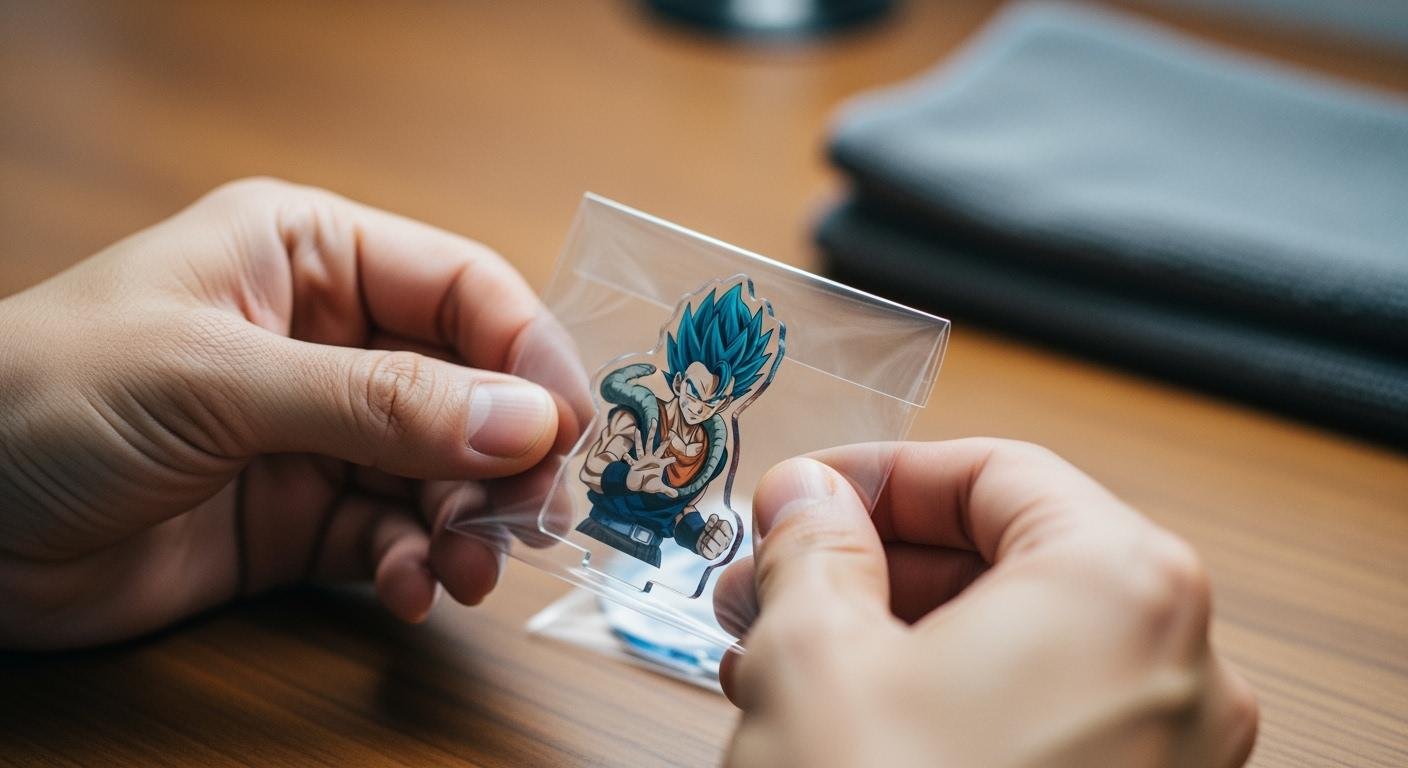
You can easily protect your acrylic standee from scratches. The best method to protect acrylic standee is using a soft microfiber cloth and careful handling. Your collection is part of a booming market, with custom acrylic standees becoming very popular. Many light scratches on a clear acrylic standee actually come from dust during routine cleaning. This simple tutorial will help you keep your favorite standee looking brand new for years.
How to Protect Your Acrylic Standee from Day One
Your new standee has arrived! 🎉 Protection starts the moment you take it out of the package. Most standees come with a thin plastic film to prevent damage during shipping. The first step to protect acrylic standee is removing this film correctly. This initial care ensures your collectible starts its life with a flawless, high-gloss finish.
Peel the Protective Film Safely
The protective film is often clear or slightly cloudy and covers the front, back, and base pieces. You must remove it to reveal the vibrant artwork underneath. Using sharp tools like knives or scissors can easily create deep scratches. Instead, follow these simple steps for a safe removal.
- Find an Edge: Look closely at the edge of your standee. You should be able to spot the thin layer of film.
- Lift Gently: Use your fingernail to carefully pick at a corner until it lifts up.
- Peel Slowly: Once you have a good grip, peel the film back slowly and evenly across the surface.
This gentle process prevents you from accidentally scratching the acrylic as you unbox your new item.
Use Tape for Tricky Film Removal
Sometimes, the film is cut so precisely that you cannot get a fingernail underneath it. Do not reach for a sharp object. A simple piece of household tape is your best tool for this situation. This method works great on any acrylic standee with a stubborn film.
Pro Tip: Use a strong adhesive tape, like packing tape or duct tape, for the best results. Press a small piece of tape firmly onto a corner of the film. Then, lift the tape. The film should lift right along with it, giving you a tab to peel the rest off easily.
This trick saves you from frustration and keeps your standee safe from accidental slips with a sharp tool.
Master Scratch-Free Cleaning
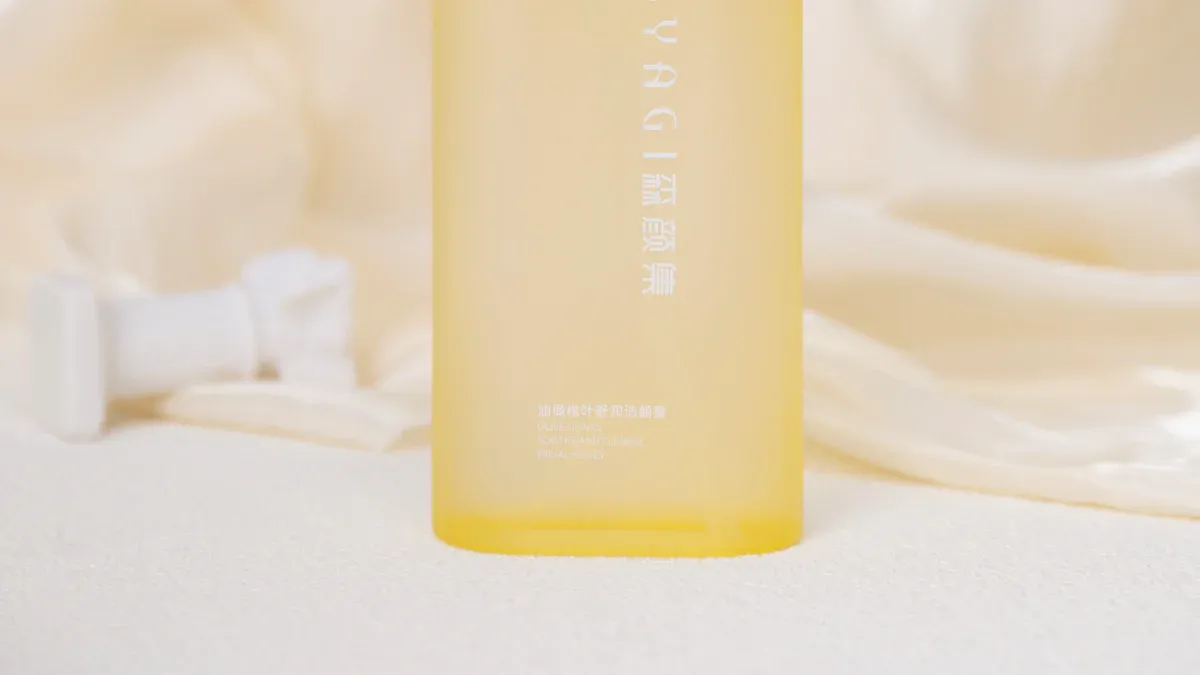
Proper cleaning and maintenance will keep your acrylic standee looking vibrant and clear. Many tiny scratches come from using the wrong tools or solutions. You can easily avoid this damage. A simple dusting can even protect them from dust particles that might scratch the surface during a deeper clean. This guide shows you the best methods for safe and effective cleaning.
Use Microfiber Cloths
You should always use a clean, dry microfiber cloth for dusting and cleaning. The cloth’s special weave makes it the perfect tool. Microfiber has a denser structure than cotton towels. This density gives it more surface area to trap dust and dirt particles instead of pushing them around. Smooth microfiber cloths, like those for eyeglasses, are an excellent choice. They are less likely to snag on edges or pick up stray debris that could become abrasive.
The quality of a microfiber cloth is measured in GSM (grams per square meter). A higher GSM means the cloth is plusher and safer for delicate surfaces.
- 250-350 GSM: These cloths are fine for general household cleaning but can be too rough for acrylic.
- 500 GSM: An ultra-plush towel at this level is much safer for coatings and glass.
- 600-700 GSM: This range is ideal for your most sensitive collectibles, including your acrylic standee. These cloths offer maximum softness and protection.
Quick Tip: Look for edgeless and tag-free microfiber towels. This design removes hard edges that could accidentally cause a scratch during maintenance.
Choose Mild Soap and Water
For smudges or fingerprints, you will need more than a dry cloth. A simple solution of mild soap and water is your safest and most effective option. You should choose a pure dish soap without extra additives, dyes, or harsh degreasers. A product like Puracy Natural Dish Soap is a great example of a gentle cleaner suitable for acrylic.
The pH level of your cleaning solution also matters. The pH scale measures how acidic or alkaline a substance is.
- Highly acidic or alkaline cleaners can cause fading or damage to the acrylic surface.
- A solution with a neutral pH level, between 6 and 8, is gentle and effective.
- Mild dish soap mixed with water typically falls within this safe range.
This simple mixture lifts away grime without harming the plastic, keeping your artwork bright and the surface glossy.
Avoid Harsh Chemicals
You must never use harsh chemicals on your acrylic standee. Certain cleaners will cause permanent damage, making the acrylic look cloudy, yellow, or brittle. Acrylic is a polymer, and strong solvents can break down its molecular structure.
Always check the ingredients on any commercial cleaner. Here is what you need to avoid:
- Ammonia: Found in many window cleaners like Windex, ammonia will destroy acrylic and cause discoloration.
- Alcohol: Rubbing alcohol and other alcohol-based cleaners can make the standee brittle and lead to cracking.
- Abrasive Cleaners: Scouring powders or abrasive sponges will leave deep, permanent scratches.
Similarly, you should never use paper towels. Paper towels feel soft, but their fibers are made from hard materials designed to scrape. Using one on your standee will create a web of fine scratches across its surface. Stick to microfiber to keep it flawless.
Display Your Standee with Care

Where you display your standee is just as important as how you clean it. A good display spot protects your collectible from physical damage and environmental harm. Following a few simple rules for placement will keep your standee looking perfect for a long time.
Handle with Clean Hands
You should always handle your standee with clean, dry hands. Natural oils, lotions, and dirt on your fingers can transfer to the acrylic surface. These residues attract dust and can be difficult to clean off later. Before moving your collectible, wash and dry your hands thoroughly.
When you handle larger or multi-part custom acrylic standees, be extra gentle. Hold them by their thickest parts to avoid putting pressure on delicate areas. This helps prevent stress fractures, which can appear as tiny, web-like cracks called ‘crazing’. You can inspect your standee for any micro-damage by holding it at a 45° angle under a soft light. This simple check helps you catch potential issues early.
Avoid Rough Surfaces and Sharp Objects
You need to choose a display surface that will not scratch the base of your standee. Rough materials like unfinished wood, concrete, or stone can easily create scuffs. Keep your collection away from sharp objects like keys, scissors, or pens that could fall and cause a deep gouge.
For secure placement, you have several safe options. A smooth desk or shelf is a great choice. You can add small felt pads to the bottom of the base for extra protection on delicate furniture.
Display Tip: If your standee is in a high-traffic area, you can use a small piece of removable double-sided tape on the base. This prevents it from tipping over and getting damaged.
Keep Away from Direct Sunlight and Heat
Sunlight and heat are two of the biggest threats to acrylic. They can cause irreversible damage over time. You must find a display spot away from windows and heat sources to properly protect acrylic standee.
UV radiation from the sun triggers chemical changes in the plastic. At a molecular level, these UV rays break the polymer bonds apart. This process, called chain scission, makes the acrylic weak and brittle. It also creates new particles called chromophores that cause discoloration.
Exposure to direct sunlight can lead to:
- Yellowing: The clear acrylic develops a yellow or brownish tint.
- Haziness: The standee loses its transparency and becomes cloudy.
- Brittleness: The plastic becomes fragile and more likely to crack.
Heat is equally damaging. Acrylic begins to soften when its temperature rises. You should never place your standee near radiators, vents, electronics that run hot, or in a car on a sunny day.
| Temperature | Effect on Acrylic |
|---|---|
| Below 160°F (71°C) | ✅ Safe for display. The acrylic remains rigid. |
| Above 160°F (71°C) | ❌ DANGER ZONE. The acrylic softens and can warp permanently. |
Keeping your standee in a cool, shaded spot is one of the most effective ways to preserve its color and structural integrity for years to come.
Store and Ship Your Standee Safely
Proper storage is the final step to protect acrylic standee collections from damage. Whether you are putting a standee away for the season or shipping it to a new home, the right techniques prevent scratches, warping, and breakage. You can keep your collectibles safe with a few simple materials and a good storage spot.
Wrap Standees Individually
You should always wrap each standee separately before storing it. When multiple acrylic pieces are stored together, they can rub against each other and cause scratches. This is especially important for custom acrylic standees with unique shapes and delicate parts. Your goal is to create a soft, non-abrasive barrier around each piece.
You have several excellent materials to choose from for wrapping:
- Original Packaging: The clear plastic bag your standee arrived in is perfect for reuse.
- Soft Cloth: A microfiber cloth or a small felt sheet provides a soft, protective layer.
- Bubble Wrap: For shipping or long-distance moves, bubble wrap offers the best protection against impact.
When stacking multiple wrapped items, you can place a foam board between each layer. This acts as a cushion and distributes pressure evenly.
Use a Cool, Dry Storage Space
You need to choose a storage location that is cool, dry, and dark. Basements or attics with extreme temperature changes or high humidity can damage your collection over time. A closet in a climate-controlled room is an ideal choice. This environment prevents the acrylic from warping, yellowing, or becoming brittle.
The way you position your standee in storage also matters. You should always store them standing upright in a sturdy box or container. Laying them flat can put uneven pressure on the pieces, leading to bending.
Storage Tip: Use cardboard dividers inside your storage box. This creates individual slots for each standee, keeping them upright and preventing them from leaning or falling over.
This simple method ensures your collectibles remain in perfect condition, ready for display whenever you want.
Fix Minor Surface Scratches
Even with careful handling, a light scratch can sometimes appear. You can often fix these minor flaws yourself with the right tools. A good acrylic polish can restore the glossy finish of your collectible and make small abrasions disappear. This process is simple and can save a piece you thought was damaged.
Use a Specialized Acrylic Polish
You need a polish made specifically for plastics to repair scratches safely. Regular household cleaners will not work and can cause more damage. You can find excellent acrylic polishes that are trusted by manufacturers and collectors.
- NOVUS Polishing System: The NOVUS #2 Fine Scratch Remover is a popular choice. It removes fine scratches and haziness from most plastics.
- Meguiar’s Plastx: This is another highly-rated cleaner and polish that restores optical clarity.
- Mothers Plastic Polish: This product is also effective for cleaning and protecting clear plastics.
Before you start, you should check how deep the scratch is. A simple test can help you decide if polish is enough.
The Fingernail Test: Gently run your fingernail across the scratch. If your nail glides over it, the scratch is light and can be polished out. If your fingernail catches in the scratch, it may be too deep for a simple polish repair.
Apply Polish with a Soft Cloth
You must use a clean, soft cloth for the repair. A microfiber cloth is the perfect tool for this job. The wrong cloth can create more scratches.
First, apply a small amount of acrylic polish to your cloth. Gently rub the polish over the scratched area using small, circular motions. This technique works the polish into the abrasion without creating new marks. Apply light, even pressure. Continue polishing until the scratch is no longer visible.
Next, you will buff the surface. Use a clean, dry section of your microfiber cloth. Buff the entire area with consistent circular motions until any leftover polish haze is gone. This final step restores the standee to a brilliant, mirror-like shine.
You can easily protect acrylic standee collections by following this tutorial. Your simple maintenance routine includes a few key actions:
- Peel film carefully and clean with a microfiber cloth.
- Display away from direct sun and heat.
- Store each piece individually to prevent scratches.
- Use acrylic polish to fix minor surface flaws.
These habits will keep your favorite standee in pristine condition for years to come.
ЧАСТО ЗАДАВАЕМЫЕ ВОПРОСЫ
How often should I clean my acrylic standee?
You should dust your standee weekly with a dry microfiber cloth. Clean it with mild soap and water only when you see fingerprints or smudges. This simple routine prevents unnecessary wear and keeps the acrylic clear.
Can I fix a deep scratch on my standee?
You cannot easily fix a deep scratch at home. If your fingernail catches in the scratch, acrylic polish will not be enough. You may need to contact a professional plastics specialist for repair advice.
What is the best way to store multiple standees?
You must wrap each standee individually before storing them. This tutorial suggests using the original plastic bag or a soft cloth. You can then place them upright in a box to prevent them from rubbing together.
See Also
Your Complete Guide to Choosing and Using Acrylic Table Stands
Innovative Display Ideas: Acrylic Tabletop Stands for Stunning Showcases
Exploring Premium Acrylic Stand Tables: Design, Materials, and Craftsmanship
Selecting and Maintaining White Acrylic Trays: A Comprehensive Cleaning Guide
Debunking Acrylic Tray Myths: Simple DIY Projects and Creative Solutions

 Русский
  English
  Français
  Deutsch
  Español
  Português
  日本語
日本語