
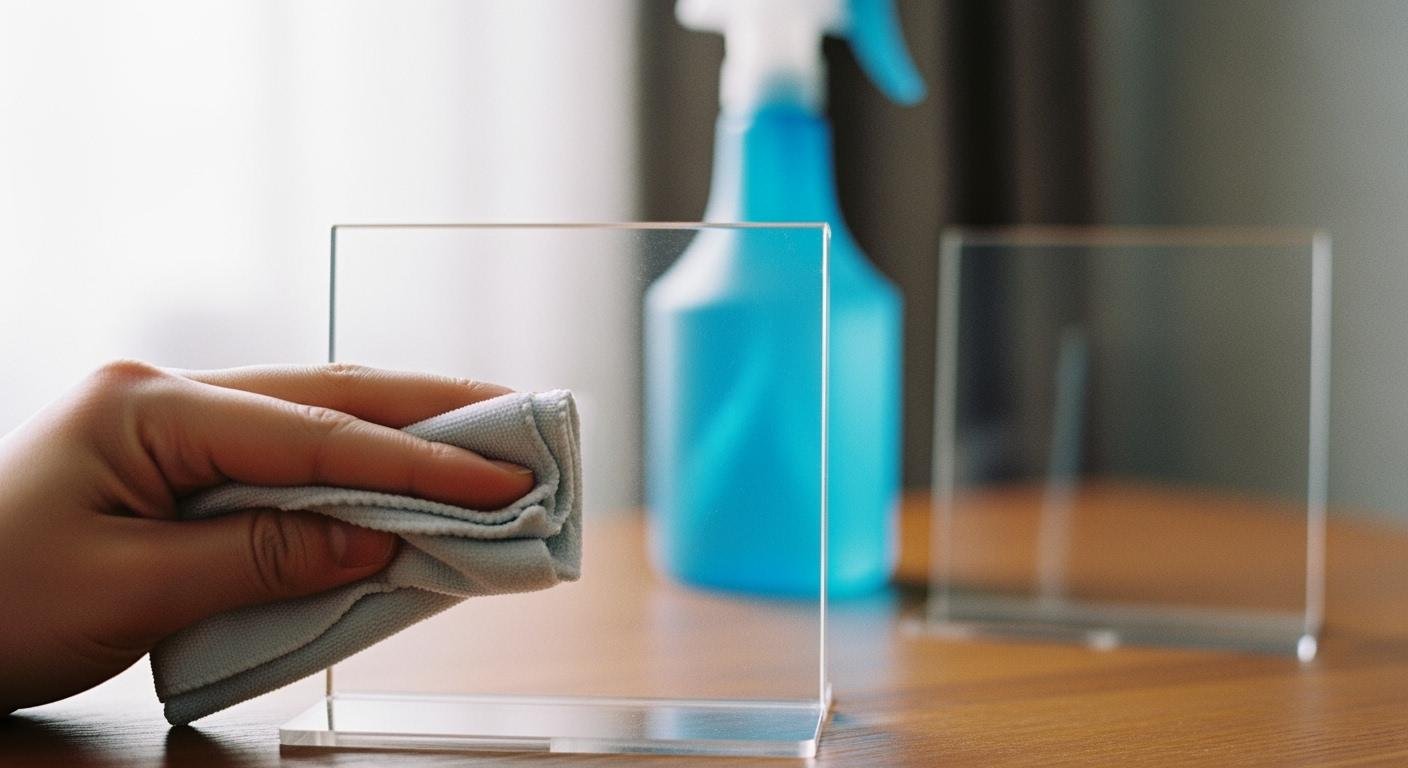
Совет: Keeping your acrylic stands crystal clear is simple. The right care just requires gentle cleaning with a microfiber cloth and mild soap.
The use of acrylic in homes is growing over 8% annually, making acrylic display stands a popular choice. This guide helps you protect your acrylic items. Proper care ensures your acrylic frame stands and other acrylic stands maintain their pristine look. These display stands are an investment in style, and good care protects that investment.
Understanding Your Acrylic Frame Stands
You chose your acrylic stands for their modern look and clarity. Understanding the material helps you appreciate their value. This knowledge also guides you in caring for them properly. The right care preserves their aesthetic and functionality for years.
Why Choose Acrylic?
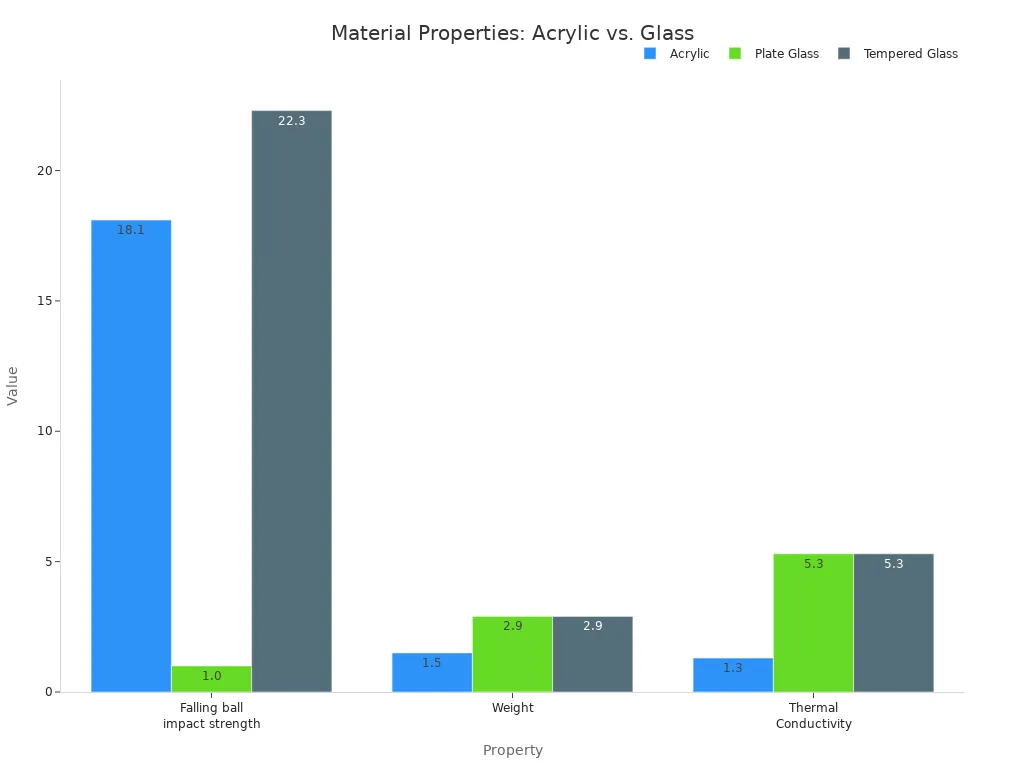
You may wonder why acrylic is such a popular material. Acrylic offers superior durability and safety compared to glass. It has an impact strength up to 20 times greater than standard glass. This durability makes acrylic stands a resilient choice for busy homes or retail spaces. If an acrylic stand does break, it fractures into larger, dull-edged pieces, unlike sharp glass shards.
The benefits extend beyond durability. Acrylic is half the weight of glass, making your acrylic display stands easy to move and handle. It also provides unmatched optical clarity. This means your photos and products are the center of attention. The material’s excellent customization options allow for a wide range of shapes and colors, giving you great design flexibility.
Common Types of Acrylic Stands
There are many types of acrylic stands, each with a unique design and purpose. Knowing the different types of acrylic displays helps you use them effectively.
Common Types of Acrylic Displays:
- Magnetic Block Frames: These consist of two thick blocks of acrylic held together by magnets. You simply place your photo between them for a modern, frameless look.
- Floating Frames: These acrylic frame stands use standoff mounts to create a “floating” effect on the wall, giving your art a dramatic presentation.
- Retail Display Stands: These are designed for commercial use. They include risers, sign holders, and cases that organize and elevate products in retail displays.
These are just a few examples of the many types of acrylic stands available. The versatility of acrylic allows for endless customization for custom displays.
Key Benefits and Uses
The primary benefit of acrylic display stands is their versatility. Their simple aesthetic and strong functionality make them perfect for many settings. In retail, these display stands create clean, professional displays that highlight products without distraction. You can use them for everything from jewelry displays to cosmetic organizers.
At home, displaying acrylic stands adds a touch of modern elegance. You can use them to:
- Showcase treasured photos and artwork.
- Protect and display collectibles.
- Organize makeup or spices with a clean look.
The durability and customization of acrylic make these display stands a practical and stylish choice. Their functionality ensures your items are presented beautifully, blending seamlessly with your decor.
Proper Cleaning for Acrylic Stands
Proper care is essential for keeping your acrylic stands looking their best. The crystal-clear quality of acrylic is its main attraction, but the wrong cleaning methods can quickly cause damage. This section gives you the right techniques to clean your acrylic displays safely and effectively. Following these steps will protect your investment and keep your displays looking brand new.
Essential Cleaning Tools
You need the right tools for the job to avoid scratches and cloudiness. Gathering these items before you start makes the cleaning process simple and safe for your acrylic.
Your Cleaning Kit Should Include:
- Microfiber Cloths: You should have at least two clean cloths. A high-quality microfiber cloth is the most important tool for acrylic care. Look for cloths with a pearl weave, as they provide gentle scrubbing action without being abrasive. Tests show these cloths resist scratching even after many passes.
- Mild Dish Soap: A simple, gentle dish soap without degreasers, dyes, or perfumes is perfect.
- Distilled Water: Tap water contains minerals that can leave spots or streaks on your acrylic. Distilled water ensures a pure, residue-free clean.
- Spray Bottle: A spray bottle helps you apply the cleaning solution evenly without oversaturating the surface.
- Compressed Air (Optional): A can of compressed air is great for blowing away loose dust and debris before you wipe.
Choosing the right microfiber is critical. The weight, or GSM (grams per square meter), tells you about the cloth’s thickness and absorbency.
- Low-GSM (200–300): These are thin and great for light dusting on delicate acrylic surfaces.
- Medium-GSM (300–400): This range is ideal for general cleaning of your acrylic stands.
- High-GSM (500+): These plush cloths are excellent for a final, streak-free polish on your acrylic display stands.
The material composition, often a 75/25 polyester-polyamide blend, enhances absorbency. The split-fiber construction of these cloths lifts and traps dirt, preventing it from scratching the acrylic.
A Step-by-Step Cleaning Guide
With your tools ready, you can now clean your acrylic stands. This step-by-step method ensures you remove smudges and dirt without harming the material. This process is safe for all types of acrylic displays, from small photo blocks to large retail display stands.
- Prepare the Surface: First, remove any loose dust or dirt. If you have it, use compressed air to gently blow particles off the acrylic. This step prevents you from dragging grit across the surface, which can cause scratches.
- Mix Your Cleaning Solution: Fill your spray bottle with distilled water. Add just one or two drops of mild dish soap. You do not need a lot of soap. Too much will leave a film.
- Apply the Solution: Lightly mist the acrylic surface with your cleaning solution. Avoid soaking the item, especially if it is a magnetic acrylic frame stands with seams.
- Wipe Gently: Take a clean, damp microfiber cloth and wipe the surface. Use light pressure and a gentle circular motion to clean away fingerprints and grime. For stubborn spots, let the solution sit for a few seconds before wiping again. Always wipe in the same direction to minimize the appearance of any potential micro-scratches on the acrylic.
Drying for a Streak-Free Finish
Drying your acrylic correctly is just as important as cleaning it. This final step is the key to achieving that perfectly clear, streak-free shine on your display stands.
Совет: Never let your acrylic air-dry. Water droplets, especially from tap water, will leave behind mineral deposits and create spots.
Immediately after wiping the surface clean, take your second clean, dry microfiber cloth. A high-GSM cloth works best here because it is extra absorbent. Gently buff the surface until it is completely dry. Use light, broad strokes to remove all moisture. This quick action prevents water spots and leaves your acrylic display stands looking flawless and transparent.
What to Avoid with Acrylic
You know how to clean your acrylic stands correctly. Now, you need to learn what can harm them. The wrong products and handling can cause permanent damage like cloudiness, scratches, and cracks. Protecting your acrylic from these dangers is the best way to keep your displays looking beautiful.
Damaging Chemicals and Cleaners
Many common household cleaners will ruin your acrylic. You should never use them on your acrylic stands. These chemicals can eat away at the surface, making the material weak and cloudy. Even a single use can cause lasting damage.
Warning: ⚠️ Never use glass cleaners like Windex on acrylic. These products often contain ammonia, which causes a hazy film and can create tiny cracks on the surface.
Alcohol-based cleaners are also very harmful. Using rubbing alcohol can cause the acrylic to become brittle and discolored. Over time, it will break down the plastic and lead to cracking. Some chemicals cause immediate damage. You must avoid them completely to protect your acrylic displays.
Here is a list of chemicals that damage acrylic and what they do:
| Chemical Ingredient | Effect on Acrylic |
|---|---|
| Ammonia | Eats away at the surface, causing cloudiness and brittleness. |
| Alcohol | Weakens the material, causing dullness, cracks, and cloudiness. |
| Acetone | Immediately breaks down the acrylic structure, causing warping and cracks. |
| Industrial Solvents | Cause severe damage like warping, melting, and cloudiness. |
| Paint Thinners | Break down the acrylic, leading to immediate surface damage. |
Always stick to mild soap and water. This simple solution is the only one you need for your acrylic display stands.
Abrasive Cleaning Materials
The tool you use to clean is just as important as the cleaner itself. Using the wrong material will scratch the soft surface of your acrylic. These fine scratches build up over time and make your clear display stands look dull and hazy.
You should avoid using these common items for cleaning:
- Paper Towels: The wood fibers in paper towels are abrasive. They will leave tiny scratches on the acrylic surface.
- Rough Sponges: The scouring side of a kitchen sponge is designed to scrape away tough grime. It will easily scratch your acrylic stands.
- Brushes: Any kind of brush, no matter how soft it seems, can create marks on the delicate surface.
- Dirty Cloths: A cloth with trapped dirt or grit will act like sandpaper. It will drag particles across the acrylic and cause scratches.
Совет: Always use a clean, soft, lint-free cloth. A high-quality microfiber cloth is your best choice. Its special fibers trap dirt without scratching the acrylic. If you need more scrubbing power, a very soft sponge made for delicate surfaces is a safe alternative.
Harmful Placement and Handling
Where you place your acrylic stands affects their long-term condition. You should avoid two main environmental threats: high heat and direct sunlight.
Heat Exposure Acrylic begins to soften at temperatures around 176°F (80°C). You should never place your display stands near heat sources.
- Avoid placing them on or near stoves, radiators, or fireplaces.
- Keep them away from hot lights or electronic equipment that gets very warm.
- Do not use them to hold hot items like candles or mugs.
Extreme heat can cause the acrylic to warp, bend, or even melt, permanently ruining its shape.
Sunlight Exposure While a little sun is okay, long-term exposure to direct sunlight is harmful. The ultraviolet (UV) radiation in sunlight breaks down the acrylic material at a molecular level. This process causes two major problems:
- Yellowing: The UV rays cause a chemical reaction that makes the clear acrylic turn yellow or brown over time. This effect is faster in places with intense sun, like deserts or high-altitude locations.
- Brittleness: Sunlight also makes the acrylic lose its flexibility. The material becomes brittle and is more likely to crack under pressure.
To protect your displays, place them where they will not be in direct, constant sunlight for many hours a day. This simple step will preserve the clarity and strength of your acrylic for years.
Repairing Scratches and Scuffs
Even with careful handling, your acrylic stands might get a few scuffs. Minor scratches are often fixable, restoring the clear look of your displays. This section guides you through assessing and repairing surface damage on your acrylic.
Assessing Surface Damage
First, you need to determine the scratch’s severity. The type of scratch tells you if a repair is possible. You can check the damage with a simple fingernail test. Gently run your fingernail across the mark on the acrylic.
| Scratch Type | Tactile Assessment | Visual Assessment |
|---|---|---|
| Very Deep Scratch | Obviously felt with fingernail | N/A |
| Light Scratch | Barely detectable with fingernail | N/A |
| Visual Scratch | Unfelt | Visually present |
If your fingernail does not catch, the scratch is likely a light surface scuff that you can buff out. If your nail catches easily, the scratch is deep and may be permanent.
How to Buff Out Minor Scratches
You can remove light scratches from your acrylic stands with the right tools. Use a polishing compound made for acrylic or automotive finishes. These products gently smooth the acrylic surface.
Follow these steps to restore your display stands:
- Clean the Area: First, clean the acrylic surface with mild soap and water. Use a microfiber cloth to remove all dust. Dry the area completely.
- Apply Polish: Put a small amount of plastic polish on a clean microfiber cloth.
- Buff the Scratch: Rub the polish over the scratch using a gentle, circular motion. Continue rubbing until the scratch fades.
- Wipe and Inspect: Wipe away the excess polish with a clean cloth. Check the acrylic to see if the scratch is gone. You can repeat the process if needed.
When to Consider Replacement
Some damage is too severe for a home repair. A scratch on your acrylic display stands becomes irreparable when it is very deep, often over 5mm. Deep damage can weaken the material’s structure. This may lead to crazing, which is a network of fine cracks on the acrylic. Trying to fix deep scratches yourself can sometimes cause more damage. For severely damaged acrylic stands, replacement is the safest and most effective option to maintain the beauty of your displays.
Long-Term Storage and Preservation
Proper storage and daily upkeep are vital for the long-term beauty of your acrylic. Following a few simple rules will protect your acrylic stands from damage and keep them looking new for years. This careful approach is the best long-term care you can provide.
Best Practices for Storing
When you need to store your acrylic stands, you must protect them from environmental harm. The right conditions prevent warping and surface damage.
Storage Environment Checklist:
- Temperature: Keep the storage area between 60-80°F (16-27°C).
- Humidity: Maintain a relative humidity of 45-55%.
- Wrapping: Protect each piece of acrylic individually.
Wrap your acrylic stands in a soft, non-abrasive material. Good options include polyethylene foam, soft fabric, or bubble wrap. This prevents scratches while the items are stored. A stable environment protects the structural integrity of the acrylic.
Protection from Dust and Sunlight
Dust and sunlight are two major threats to your acrylic displays. Dust particles can cause micro-scratches during cleaning. Long-term sun exposure can cause the clear acrylic to turn yellow and become brittle.
You can protect your displays from UV damage. Some acrylic, like ACRYLITE® Gallery UV filtering (OP3) sheets, has built-in UV protection. You can also apply special UV-protective films to the surface of the acrylic. Placing your display stands away from constant, direct sunlight is a simple and effective step.
Tips for Daily Upkeep
A consistent routine keeps your acrylic looking its best. Regular dusting is the most important task. You should use a clean microfiber cloth to gently wipe away dust. This simple action prevents particle buildup that can scratch the acrylic surface. For an acrylic display stands in a busy area, a quick daily wipe-down is a great habit. Inspect your acrylic stands regularly for any small scratches so you can address them early. This preserves the flawless finish of your displays.
Proper care keeps your acrylic frame stands and acrylic display stands beautiful. Gentle cleaning with mild soap and water is the best way to protect your acrylic. This simple method preserves the clarity of your acrylic.
Remember: ⚠️ Never use ammonia-based cleaners on your acrylic. These products will damage the acrylic surface and ruin your acrylic displays.
A quick, daily wipe-down keeps your acrylic stands looking new. This simple habit ensures your acrylic stands and acrylic displays maintain their pristine look. Your acrylic will always look its best. This protects your acrylic stands and the acrylic itself. This is the best way to care for your acrylic and your acrylic items.
ЧАСТО ЗАДАВАЕМЫЕ ВОПРОСЫ
Can I use Windex on my acrylic?
No, you should never use Windex on acrylic. The ammonia in glass cleaners damages the acrylic surface. This chemical reaction makes the clear acrylic look cloudy. Using it will permanently harm your acrylic. Always use mild soap and water to clean your acrylic.
How do I remove a small scratch from my acrylic?
You can buff out light scratches on your acrylic. Use a special polish made for acrylic. Apply a small amount of the polish to a microfiber cloth. Rub the scratch gently in a circular motion. This process smooths the acrylic surface and restores the clear look of the acrylic.
What is the best cloth for cleaning acrylic?
Совет: A microfiber cloth is the best tool for cleaning any acrylic item.
Its soft fibers trap dust without scratching the delicate acrylic surface. Paper towels are too abrasive for acrylic. Always use a clean microfiber cloth to protect your acrylic from damage. This keeps your acrylic clear.
Why did my acrylic turn yellow?
Your acrylic likely turned yellow from sunlight exposure. The UV rays in direct sunlight break down the acrylic material over time. This process causes the clear acrylic to discolor. To prevent this, keep your acrylic displays away from constant, direct sun. This protects the acrylic.
Is it safe to place hot items on acrylic?
You should not place hot items on your acrylic. High heat can cause the acrylic to warp or even melt. Acrylic begins to soften at high temperatures. Keep your acrylic stands away from heat sources to protect the shape and integrity of the acrylic.
See Also
Your Comprehensive Guide to Selecting the Perfect Acrylic Table Stands
Choosing and Maintaining Pristine White Acrylic Trays: A Complete Guide
Understanding Premium Acrylic Stand Tables: Design, Materials, and Craftsmanship
Essential Guide to Acrylic Glass Coffee Tables: Materials and Proper Care
Effortlessly Styling Your Acrylic Square Coffee Table for Modern Living

 Русский
  English
  Français
  Deutsch
  Español
  Português
  日本語
日本語